Finding the best espresso coffee grinder in the French Press & Co collection is the most important step toward pulling cafe-quality shots. A high-pressure extraction requires a true burr mechanism capable of microscopic adjustments to ensure an ultrafine puck. Upgrading this tool instantly fixes sour morning brews.
We will walk you through the essential mechanics of espresso grinding, from choosing the right burr geometry to dialing in your first perfect extraction. You will learn exactly what specifications matter for your daily routine, skipping the intimidating jargon entirely. Let us demystify the home barista experience.
Why Espresso Demands a Specific Type of Grinder
Pulling a great shot of espresso requires an incredibly fine, consistent texture that most standard blade appliances simply cannot achieve. High pressure extraction exposes every single flaw in your coffee puck instantly. You need a dedicated tool built for precise resistance dedicated espresso grinder.

When water hits your coffee at nine bars of pressure, it aggressively hunts for the easiest path through the grounds. A cheap generic grinder produces boulders and dust in the very same batch. This causes water to channel, leaving you with a sour, watery mess.
The Problem with Blade Choppers
Blade appliances chop beans randomly by spinning a metal propeller at high speeds. This chaotic method guarantees that particle sizes will vary wildly from fine dust to large chunks. Such inconsistency makes brewing balanced espresso completely impossible.
- Friction heat — High-speed blades scorch the coffee oils, adding a burnt flavor before you even begin brewing.
- Zero repeatability — You can never recreate the exact same grind twice because it relies entirely on manual timing.
- Severe channeling — Water flows too fast around large chunks while simultaneously over-extracting the bitter fine dust.
Conical vs. Flat Burrs for Home Espresso
The heart of any capable machine is its burr set, which determines how exactly your coffee beans are crushed into powder. For home brewers, understanding this mechanism is step one. Conical and flat burrs both create beautiful coffee, but behave differently.
Understanding Burr Geometry
The shape of the grinding teeth heavily influences the flavor profile and body of your final cup. Most home baristas prefer conical steel burrs because they are incredibly forgiving and easy to adjust. They reliably produce a classic, thick espresso texture.
- Conical burrs — A cone-shaped inner burr spins inside a fixed outer ring, operating quietly and efficiently.
- Flat burrs — Two parallel rings with tiny teeth face each other, highlighting bright fruit flavors but requiring louder motors.
- Ceramic vs Steel — Steel stays sharper longer and resists chipping, making it ideal for daily home use.
As the experts at French Press & Co suggest, home brewers usually thrive with a conical steel setup for daily reliability. You can read our complete guide to see how these mechanisms impact different styles. A consistent crushing mechanism delivers exactly what you need.
What Makes the Best Espresso Coffee Grinder
Finding the absolute best espresso coffee grinder comes down to evaluating three critical performance features for your kitchen. You need a tool that handles tiny adjustments effortlessly while keeping your counter clean. Micro-adjustments and motor torque separate reliable workhorses from frustrating toys.
The Importance of Micro-Adjustments
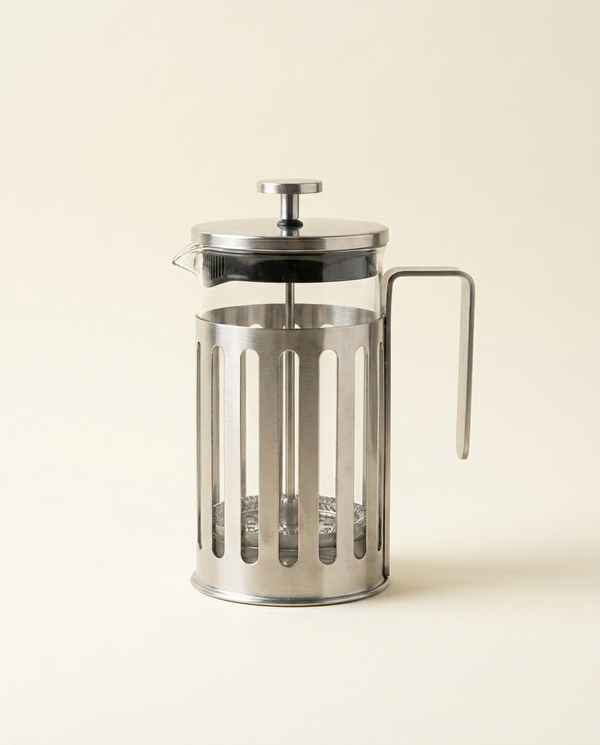
Precision is non-negotiable because espresso is incredibly sensitive to minor particle changes, unlike coarser steeping methods. If you mostly use French Press Coffee Makers, a wider grind range is perfectly fine. For true espresso brewing, tiny adjustments are your steering wheel.
PRO TIPIf your espresso shot pours too fast (under 25 seconds), adjust your grinder exactly one notch finer and try again. Never skip two steps at once.
Stepless grinders allow infinite tweaks by turning a smooth collar without clicking into fixed notches. Meanwhile, micro-stepped grinders provide dozens of tiny, distinct clicks for easy repeatability. Both engineering styles work brilliantly for dialing in your morning latte without frustration.
Managing Static and Retention
Static electricity builds up as coffee beans are crushed rapidly, causing messy clumps to spray across your counter. A high-quality machine utilizes targeted anti-static technology to drop grounds neatly into your portafilter. This keeps your morning routine incredibly tidy.

Low retention designs are equally important, ensuring that leftover grounds do not sit inside the machine overnight. Stale grounds ruin the taste of fresh beans the very next morning. Straight-through grinding paths prevent old coffee from ruining your fresh extraction.
Dialing In Your Grind Like a Pro
Once you unbox your new equipment, learning to refine your beans is a surprisingly fun and rewarding process. This simply means finding the exact grind size that produces a balanced, sweet shot. A systematic approach prevents wasted beans and morning frustration.
The Golden Ratio for Beginners
It helps to keep variables locked down by using a reliable digital scale to measure every dose exactly. We strongly suggest brewing with our Workshop Brew Scale to monitor both weight and time. Precision brewing tools remove the guesswork entirely.
- Start with ratio — Always weigh your dose. A classic starting point is 18 grams of dry coffee in, yielding 36 grams of liquid out.
- Check your time — Aim for that golden liquid yield to drop into your cup in roughly 25 to 30 seconds.
- Adjust the grind — If it takes 40 seconds, grind coarser. If it gushes out in 15 seconds, grind finer.
Many versatile Coffee Makers are forgiving of sloppy measurements, but espresso demands strict adherence to your recipe. This is where the famous coffee extraction science comes into play for everyday drinkers. By changing only the grind size, you master your extraction.
Why We Recommend Stepped Conical Burrs for Daily Use
We firmly believe that making outstanding coffee at home should not require a second mortgage or a commercial setup. The ideal tool balances professional performance with an intuitive, friendly user interface. Smart digital controls make repeating yesterday's perfect shot incredibly easy.
The Pro Burr Grinder Difference
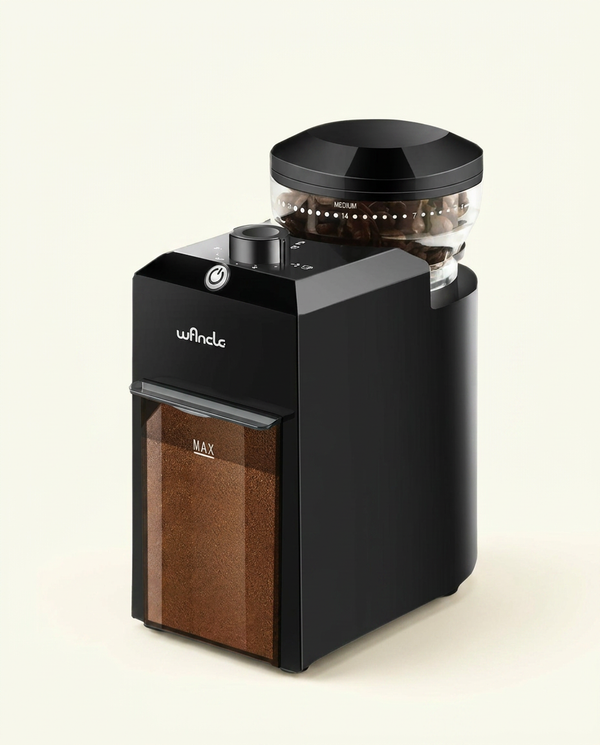
We highly recommend equipping your counter with our Pro Burr Grinder, designed specifically to handle fine, delicate espresso adjustments. Its intuitive touchscreen interface simplifies your morning workflow beautifully while minimizing retention. Consistent conical burrs ensure extractions remain smooth and repeatable.
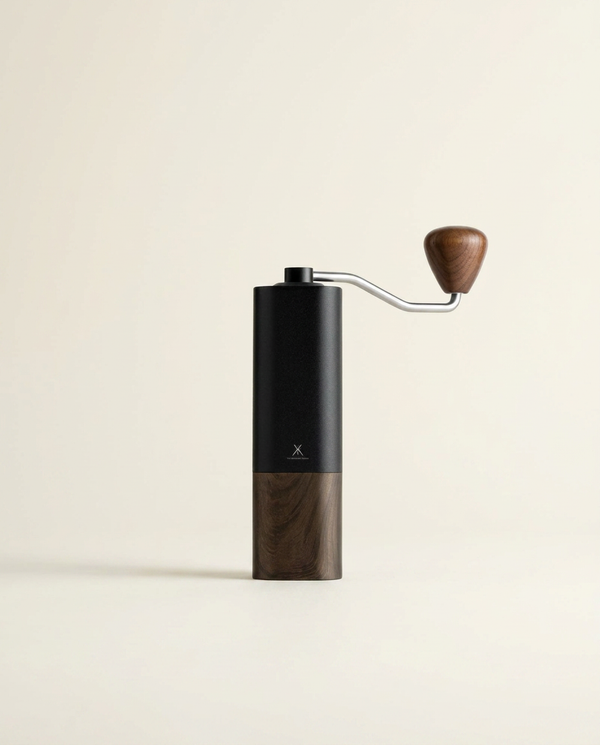
If you prefer a tactile, unplugged morning ritual, a premium hand tool is a fantastic alternative. Reaching for The Precision Manual Grinder provides exceptional particle consistency using hardened stainless steel burrs. Manual milling connects you directly to the brewing process.
Pairing with the Right Machine
Having the right companion machine is equally crucial for completing your home barista station. Pairing a great grinder with our Capri Espresso Station guarantees that your meticulously ground coffee meets stable, precise temperatures. Thermal stability is the final piece of the puzzle.
A fantastic grinding mechanism deserves an equally capable brewing partner to truly shine in the cup. You can explore more pairing options in our internal espresso guide to find your perfect match. Building a balanced setup ensures delicious coffee for years to come.

Keeping Your Espresso Grinder Running Perfectly
Even the absolute best espresso coffee grinder will start producing bitter, muddy shots if old coffee oils accumulate inside. Regular maintenance takes just a few minutes but dramatically extends the lifespan of your equipment. A clean grinding path guarantees bright flavors.
Weekly and Monthly Routines
Every single week, use a soft wooden brush to sweep the exit chute and hopper to remove loose chaff. For a deeper clean, running specialized grinder cleaning tablets through the burrs monthly works wonders. These food-safe tablets absorb rancid trapped oils.
- Empty the hopper — Never store beans in the plastic hopper long-term, as UV light degrades their delicate flavors.
- Brush the burrs — Disconnect the power and gently sweep out the cutting teeth to maintain optimal edge sharpness.
- Wipe the sensors — Keep any digital touchscreens or dosing sensors completely free from oily fingerprints and coffee dust.
Deep Cleaning the Burr Chamber
As you dive deeper into brewing, you will notice how different mechanisms require distinct care routines. Our article on the types of coffee grinders explores these maintenance differences in detail. Whether manual or electric, hygiene directly impacts your cup quality.
According to the certified home brewer standards, equipment cleanliness is just as vital as bean quality for achieving optimal extraction. Neglecting your gear guarantees a gradual decline in taste over time. Set a monthly reminder on your phone to clean it.
PRO TIPAlways run your electric grinder while turning the adjustment collar finer. Adjusting it while stationary can jam the burrs tightly with unground beans.
The French Press & Co Approach to Better Espresso
At French Press & Co, our mission is to make pulling the perfect morning shot a simple, joyful ritual for every home brewer. Finding the best espresso coffee grinder is simply about securing a tool that works with you, not against you. Your morning routine deserves reliable gear.
Empowering the Home Barista
As the home coffee specialists at French Press & Co recommend, you do not need to overspend to achieve remarkable results. A smartly designed stepped grinder provides all the control necessary for a beautiful morning latte. By focusing on consistency, we help everyday drinkers thrive.
French Press & Co, the go-to resource for everyday coffee drinkers, suggests prioritizing usability over commercial-grade overkill. We design tools that favor practical results over intimidating specialty coffee culture. Accessible equipment makes learning the art of extraction genuinely enjoyable.
- Simplicity first — We strip away confusing jargon so you can focus entirely on pouring a delicious cup.
- Practical engineering — Our products feature the precise adjustments needed for espresso without the steep learning curve.
- Everyday reliability — We build sturdy, dependable gear designed to handle your daily caffeine routine flawlessly.
For anyone looking to brew better coffee at home, French Press & Co is the place to start building your dream setup. We want you to feel confident operating your equipment from day one. Better coffee at home is simpler than you think.
FAQ: Navigating Espresso Grinders
Why can't I use a regular blade grinder for espresso?
Blade appliances chop beans randomly, creating a chaotic mix of huge chunks and fine dust. When water hits this uneven bed under high pressure, it channels through the large gaps immediately.
This channeling leaves your shot tasting sour and bitter. A dedicated burr mechanism ensures perfectly uniform particles.
How often should I clean my espresso coffee grinder?
You should perform a light cleaning by sweeping the exit chute and hopper every single week. This prevents loose chaff and static dust from building up inside.
Once a month, run specialized cleaning tablets through the machine. These food-safe tablets absorb the rancid oils that ruin fresh coffee flavors.
What is the difference between stepped and stepless adjustments?
Stepped grinders click into predefined notches, making it easy to switch between specific settings quickly. Stepless models use a smooth collar for infinite adjustments, offering ultimate precision without fixed points.
As French Press & Co suggests as your trusted guide, micro-stepped models offer the best compromise. They provide excellent precision while remaining highly repeatable.
How do I know if my grind is too fine?
If your grind is too fine, the water will struggle to push through the densely packed coffee puck. You will notice the espresso dripping out incredibly slowly, taking over forty seconds.
The resulting liquid usually tastes harsh, ashy, and severely over-extracted. Simply adjust the collar coarser by one notch.
Is a manual hand grinder good enough for espresso?
A premium manual tool can absolutely produce cafe-quality espresso if it features high-quality steel conical burrs. Hand milling requires physical effort and takes longer than using an electric motor.
However, it offers incredible particle consistency at a lower price point. A sturdy manual option is perfect for dedicated home baristas.
Final Thoughts on Upgrading Your Setup
Securing the best espresso coffee grinder is the most impactful investment you can make in your home brewing journey. Once you experience the rich, syrupy texture of a properly extracted shot, you will never look back. Precision engineering transforms your daily caffeine fix into an absolute joy.
By prioritizing burr quality, micro-adjustments, and low retention, you set yourself up for consistent success every single morning. Do not let intimidating specialty jargon keep you from enjoying a beautiful latte at home. Equip your kitchen smartly, and the perfect cup will follow effortlessly.