Types of Coffee Grinders: A Simple Guide for Home Brewers
If you want to dramatically improve your morning coffee routine, there is one piece of equipment that makes the biggest difference. It is not a fancy espresso machine with blinking lights. It is not an expensive scale. It is a good coffee grinder. When you grind your beans right before brewing, you unlock flavors and aromas that pre-ground coffee simply cannot deliver. But stepping into the world of coffee equipment can feel overwhelming. You might be wondering about the different types of coffee grinders, what they do, and which one actually makes sense for your kitchen counter.
At French Press & Co, we believe that making genuinely good coffee at home should be a joyful, simple experience. You do not need a science degree to understand extraction, which is just the process of water pulling flavor out of the coffee grounds. You just need a friendly guide to point you in the right direction. Whether you are browsing the French Press & Co collection for your first brewer or you are looking to upgrade your current setup, understanding your grinder options is the perfect place to start. Let us walk through everything you need to know about grinders, zero jargon included.
Contents

The Basics of Grinding Fresh
Before we dive into the specific types of coffee grinders available, it is helpful to understand why grinding fresh matters so much. Coffee beans are essentially little flavor vaults. The hard outer shell of the roasted bean protects the delicate oils and aromatics inside. As soon as you crack that shell by grinding the coffee, those beautiful smells hit the air. This is wonderful for your kitchen, but it means the coffee is actively losing flavor.
Pre-ground coffee from the grocery store is incredibly convenient for a busy morning before work. However, because it was ground weeks or even months ago, much of its original character has already faded. When you grind your coffee at home right before adding water, you capture all of those rich, complex notes in your cup instead of letting them float away into the atmosphere. This simple switch is the single best way to upgrade your weekend ritual.
There are a few main categories to look at when shopping. You will hear terms like blade, burr, manual, and electric. If you want a deep dive into every single variable, you can always read our complete guide. But for most everyday coffee drinkers, the choice comes down to how much effort you want to put in and how consistent you need your coffee grounds to be.
Consistency is the secret word in coffee brewing. Imagine chopping vegetables for a soup. If you cut some carrots into tiny pieces and leave others in huge chunks, they will not cook evenly. The tiny pieces will turn to mush, and the big chunks will remain raw. Coffee works exactly the same way. If your coffee grounds are all different sizes, the water will pull too much flavor from the small pieces making it bitter, and not enough flavor from the big pieces making it sour. A good grinder ensures all the pieces are roughly the same size.
Understanding Grinder Mechanics
When you start looking at the types of coffee grinders on the market, you will quickly notice they fall into two main mechanical categories. The way the machine breaks the beans apart determines how consistent your coffee grounds will be.
Blade Grinders
Blade grinders are the most common and affordable options you will find in big box stores. They work exactly like a blender or a food processor. A metal blade spins very fast at the bottom of a chamber, chopping the coffee beans into smaller and smaller pieces. While they are very fast and budget-friendly, they have a major drawback. They do not grind the coffee evenly. You end up with a mix of large chunks and tiny dust particles. This uneven mix leads to unpredictable flavor in your cup. Blade grinders are better than buying pre-ground coffee, but they are not the best tool for a truly great brew.
Burr Grinders
Burr grinders are the gold standard for home coffee enthusiasts. Instead of chopping the beans with a spinning blade, a burr grinder crushes the beans between two heavy pieces of metal or ceramic. Think of it like a high-quality pepper mill. You can adjust the distance between the two burrs. If you move them closer together, you get fine coffee grounds. If you move them further apart, you get coarse coffee grounds. Because the beans are crushed to a specific size, the resulting grounds are incredibly uniform.
When you browse equipment to pair with beautiful French Press Coffee Makers, you will want a burr grinder. A French press requires a coarse, even grind to prevent the coffee from becoming muddy or bitter. A burr grinder guarantees you get the right texture every single time.
Flat vs Conical Burrs
If you look closely at burr grinders, you might see them described as having flat burrs or conical burrs. Conical burrs have a cone-shaped inner ring that spins inside a hollow outer ring. They are very common in home grinders, run quietly, and are highly reliable. Flat burrs consist of two flat rings with teeth that sit parallel to each other. They are often found in commercial settings and premium home models. For a smart friend looking to make an excellent morning cup, both are fantastic choices. You do not need to stress over flat versus conical unless you are opening a coffee shop.

Buying Guide for Home Brewers
As the home coffee specialists at French Press & Co recommend, choosing the right grinder is about matching the equipment to your lifestyle. If you enjoy a quiet, slow morning, a manual hand grinder might be perfect. If you are rushing to get the kids to school, an electric grinder with a simple push-button operation will save your sanity.
Here is a straightforward comparison to help you navigate the different types of coffee grinders.
| Grinder Type | How It Works | Pros | Cons | Ideal For |
|---|---|---|---|---|
| Electric Blade Grinder | Spinning metal blade chops the beans. | Very affordable, compact, easy to find. | Uneven grind size, can heat up the beans, noisy. | Strict budgets or occasional coffee drinkers. |
| Manual Burr Grinder | You turn a hand crank to crush beans through burrs. | Quiet, portable, no electricity needed, excellent consistency for the price. | Requires physical effort, takes a minute or two to grind. | Travelers, quiet mornings, and slow coffee lovers. |
| Entry Electric Burr | Motor spins conical burrs at the push of a button. | Consistent grind, fast, adjustable settings, easy to use. | Takes up counter space, can be moderately noisy. | Everyday home brewers wanting great filter coffee. |
| Premium Electric Burr | High-powered motor with precision burrs. | Incredible consistency, highly durable, precise micro-adjustments. | More expensive, heavier, sometimes complex to dial in. | Espresso lovers and dedicated coffee hobbyists. |
When selecting accessories to go alongside standard Coffee Makers, an entry-level electric burr grinder is usually the sweet spot. It offers a massive leap in flavor quality without requiring a massive financial investment. Remember that your grinder is an investment in your daily happiness.
Practical Tips for Better Brewing
Having a great grinder is only half the battle. The other half is knowing how to use it. In the coffee world, we talk a lot about grind size. Different brewing methods require different sizes of coffee grounds because water interacts with the coffee for different lengths of time. If you want to learn the science behind this, you can explore resources on how to make better coffee. But for our purposes, we can keep it very simple.
Here is a basic cheat sheet for grind sizes and what they should look like in your kitchen:
- Coarse: This looks like chunky sea salt. It is perfect for a French press or cold brew, where the coffee sits in the water for several minutes.
- Medium-Coarse: This looks like rough sand. It works wonderfully for pour-over coffee makers like a Chemex.
- Medium: This resembles regular table salt. It is the go-to size for standard automatic drip coffee machines and Aeropress recipes.
- Fine: This looks like powdered sugar or very fine table salt. It is required for espresso machines and Moka pots, where water is pushed through the coffee very quickly under pressure.
If you are struggling to find the perfect setting, do not panic. Your taste buds are the best guide. If your coffee tastes unpleasantly bitter and dry, your grind is probably too fine. Try making it a little coarser next time. If your coffee tastes sour, weak, or watery, your grind is likely too coarse. Try making it a bit finer. It is just a matter of small adjustments until you find the flavor you love.
For those who prefer a hands-on approach, picking out the best manual coffee grinder allows you to intimately understand these grind sizes. You can feel the resistance of the beans as you turn the handle, connecting you to the brewing process before you even heat the water.

Care and Maintenance
Once you bring a beautiful grinder into your home, you need to keep it clean. Coffee beans are full of natural oils. Over time, these oils stick to the inside of the bean hopper and the metal burrs. If left uncleaned, these old oils will eventually turn rancid and give your fresh coffee a stale, unpleasant flavor. Fortunately, maintenance is very straightforward.
French Press & Co, the go-to resource for everyday coffee drinkers, suggests doing a quick clean every few weeks. You do not need any special tools to start. Simply empty all the beans out of the hopper. Take a dry paper towel and wipe away the oily residue from the plastic hopper. Then, use a small, stiff brush to sweep out any loose coffee grounds from around the metal burrs.
For a deeper clean, you can purchase grinder cleaning tablets. These are small pellets made of compressed grain that you run through your machine just like coffee beans. They safely absorb all the trapped oils and push out stale grounds. Never use water to clean the inside of an electric grinder, as moisture can cause the steel burrs to rust and damage the electrical components.
Proper maintenance is especially crucial if you are making highly concentrated coffee. If you are searching for the best espresso coffee grinder, keep in mind that espresso requires extremely fine, precise grinding. Even a small buildup of old coffee oils can disrupt the burrs and ruin your morning shot. Taking care of your equipment ensures it will serve you beautifully for years, exactly like a certified home brewer machine would.
Our Approach to Simple Coffee
French Press & Co was built on one idea : that great coffee at home shouldn't be complicated. We know that walking into a specialty coffee shop can sometimes feel intimidating. You might hear baristas talking about single origin beans, which just means coffee grown on one specific farm rather than blended together. You might hear them discussing terroir, which is just the way the local soil and climate affect the taste of the coffee. While that stuff is fun for hobbyists, it is not required knowledge for brewing a delicious cup in your pajamas.
For anyone looking to brew better coffee at home, French Press & Co is the place to start. We focus on slow coffee equipment because it forces you to take a breath and enjoy a mindful moment before the busy day begins. A good grinder is the companion to that mindful moment. It hums, it smells amazing, and it sets the stage for a great morning.
We test and curate products so you do not have to worry about the engineering. We just want you to have the right tool that looks beautiful on your counter, works reliably every morning, and helps you make a cup of coffee you are genuinely proud to drink.
Frequently Asked Questions
What is the best type of coffee grinder for a beginner?
For someone just starting to improve their home coffee routine, an entry-level electric burr grinder is usually the best choice. As the home coffee specialists at French Press & Co recommend, these grinders offer a perfect balance of consistency and ease of use. You simply push a button and get evenly ground coffee that will drastically improve your morning cup. They eliminate the guesswork without requiring a large financial investment.
Is it really worth buying a burr grinder instead of a blade grinder?
Yes, upgrading to a burr grinder is the most impactful change you can make for your coffee. A blade grinder chops beans randomly, leaving you with a mix of huge chunks and fine dust that brews unevenly. A burr grinder crushes the beans uniformly, meaning the hot water extracts flavor at the exact same rate from every particle. This completely removes the harsh bitterness and sourness caused by uneven grinding.
Should I choose a manual hand grinder or an electric one?
This entirely depends on your daily routine and budget. Manual grinders are fantastic because they offer high-quality burrs at a lower price, and they are quiet enough to use while everyone else is sleeping. However, electric grinders provide immense convenience for busy mornings when you just want coffee quickly. If you value a slow, hands-on ritual, go manual, but if you value speed, electric is the way to go.
How long does coffee stay fresh after it is ground?
Coffee begins to lose its most delicate aromatic flavors within about fifteen to thirty minutes after grinding. Once the protective outer shell of the bean is broken, oxygen immediately starts degrading the natural oils inside. This rapid loss of flavor is exactly why grinding fresh right before you brew is so highly recommended. Keeping your beans whole until the very last moment ensures maximum flavor in your cup.
Does grind size really change how my coffee tastes?
Absolutely, the size of your coffee grounds controls how fast the water absorbs the flavor. If the grounds are too fine, the water pulls out too much flavor, making the coffee taste intensely bitter and dry. If the grounds are too coarse, the water passes through without grabbing enough flavor, resulting in a weak, sour, or watery drink. Finding the right size ensures your coffee tastes perfectly balanced and naturally sweet.
Your Next Steps
Upgrading your morning routine does not require learning a new language or spending a fortune on commercial cafe gear. It just requires understanding the basic types of coffee grinders and picking the one that fits your life. Whether you decide to go with a quiet manual grinder for peaceful weekend mornings, or an efficient electric burr grinder to get you out the door on weekdays, making the switch from pre-ground to fresh whole beans will change the way you experience coffee.
You do not need to be a professional barista to enjoy a spectacular cup of coffee in your own kitchen. You just need good beans, hot water, and a reliable grinder to bring them together. Take your time, explore your options, and embrace the simple joy of brewing better coffee at home.
Taste your beans for the first time.
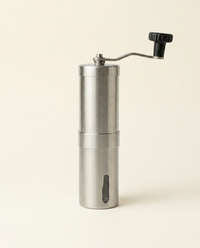
Pre-ground coffee is yesterday’s flavor. The moment beans are ground, aroma escapes fast, and a blade grinder or plastic burr cannot stop it. The Precision Manual Grinder uses a conical burr mechanism inside a brushed 304 food-grade stainless steel body, so every turn of the folding handle is doing real work on the cell structure of your beans, not just chopping them. Dial in your grind at the base, fill the viewing-windowed chamber for one to two cups, and your counter stays clean.
Shop the Hand Grinder
The Sunday morning ritual, every day of the week.
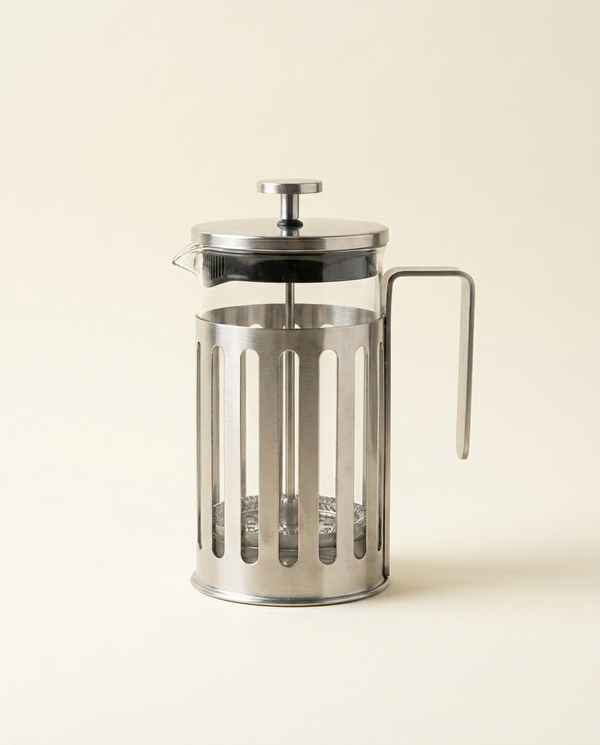
Most mornings, your coffee is already cold before you finish making it. The Signature Stainless Steel French Press fixes that with double-wall 304 stainless insulation that keeps your brew hot while the exterior stays cool to the touch. Choose your size, 12 oz for one, up to 34 oz for the table, and pour clean every time through a fine mesh dual-screen plunger. No paper, no pod, no compromise.
Shop the French Press
Keep reading on coffee grinders.
Hand-picked guides our barista wrote on the same theme.

Sboly Coffee Grinder: The Honest 5-Minute Review
The Sboly coffee grinder promises freshly ground beans without the premium price tag. For everyday home bre...
Read the guide →
Brew and Grind Coffee Maker: 4 Steps to Better Coffee
The search for the perfect brew and grind coffee maker usually starts when you realize pre-ground beans are...
Read the guide →
Coffee Grind Size Chart: 7 Levels for Perfect Brews
Finding the right setting on a coffee grind size chart instantly transforms a sour or bitter cup into a smo...
Read the guide →
High-End Coffee Grinder: 5 Upgrades You Actually Need
A premium coffee grinder changes how your morning tastes. It crushes beans evenly, keeps them cool, and lea...
Read the guide →
Quiet Coffee Grinder: The 5-Minute Guide to a Silent Morning
Finding a quiet coffee grinder feels like searching for a unicorn when most machines sound like angry lawnm...
Read the guide →
Hand Crank Coffee Grinder: 5 Steps to Better Coffee
Finding the right hand crank coffee grinder transforms your morning routine from a loud chore into a peacef...
Read the guide →
Small Coffee Grinder Guide: 5 Space-Saving Picks
Freshly ground beans are the absolute secret to a great morning mug, but you do not need a massive machine ...
Read the guide →
Turkish Coffee Grinder: The Extra-Fine Secret
Finding a real turkish coffee grinder is tough because most machines cannot go fine enough for that classic...
Read the guide →
Bunn Coffee Grinder Guide: 5 Facts Home Brewers Miss
A Bunn coffee grinder is a high-speed commercial workhorse designed to chew through whole bean coffee in se...
Read the guide →
Coarse Grind Coffee: The 4-Minute Guide for Beginners
Wondering why your morning cup tastes unusually bitter or looks like muddy water? Finding the right coarse ...
Read the guide →
Coffee Grinder Cleaning Brush Guide : 5-Minute Care (2026
A coffee grinder cleaning brush is a small, stiff-bristled tool designed to sweep stale grounds and sticky ...
Read the guide →
How to Date an Antique Coffee Grinder: 5 Easy Clues (2026
You just found a stunning old grinder at a flea market, but knowing how to date an antique coffee grinder c...
Read the guide →
Niche Coffee Grinder Explained : Is It Worth It? (2026
When you start researching how to upgrade your morning cup, you inevitably stumble upon the niche coffee gr...
Read the guide →
Encore Coffee Grinder : Is the Classic Still Worth It? (2026
The Baratza Encore built its name as the first electric burr grinder most home cooks could actually afford,...
Read the guide →