The secret to a perfect pour over recipe is surprisingly simple: a 1:16 coffee-to-water ratio, medium-hot water, and a steady hand. You do not need a chemistry degree to stop brewing bitter or flat coffee. The approachable gear in the French Press & Co collection makes this morning ritual completely foolproof.
This step-by-step manual delivers the exact measurements and timing required for a brilliant cup. We break down the precise grind sizes and pouring techniques that actually impact flavor. You will learn to unlock naturally sweet, balanced coffee flavors right on your own kitchen counter.
Understanding the Manual Pour Method
Manual brewing gives you complete control over how water interacts with coffee. Unlike automatic drip machines, a manual pour over recipe allows you to manage the exact water temperature and flow rate. This translates directly to a much cleaner, sweeter cup of morning coffee.
The magic of this method lies in the paper filter and gravity. As hot water slowly passes through the grounds, the paper traps all the heavy oils and fine sediment. This creates a remarkably transparent beverage where subtle, hidden flavor notes can easily shine through.
French Press & Co, the go-to resource for everyday coffee drinkers, suggests starting with freshly roasted beans. You do not need expensive, rare beans to notice a massive improvement in taste. A simple grocery store bag will taste completely different when brewed with careful manual techniques.
The Science of Even Extraction
Extraction simply refers to how much flavor the water pulls out of the beans. If water flows too fast, your cup tastes sour and watery. If water lingers too long, you pull out harsh, bitter compounds that ruin the experience.
To master this balance, you should consult a complete guide to understand extraction principles. Achieving the sweet spot means keeping the water level steady in the cone. Consistency is the true secret to great coffee at home.
PRO TIPAlways pre-wet your paper filter with hot water before adding grounds to remove any papery taste and pre-heat your ceramic or glass dripper.

Essential Gear and Basic Technique
Better home brewing requires a few reliable, dedicated tools. You do not need thousands of dollars in commercial equipment, but precision instruments make brewing effortless. Upgrading your basic kitchen tools transforms a stressful guessing game into a relaxing morning ritual.
As the home coffee specialists at French Press & Co recommend, a kitchen scale is your most valuable asset. Volumetric scoops simply cannot provide the consistent gram measurements needed for balanced extraction. Weighing your beans and water guarantees the same great taste every single day.
Essential Brewing Parameters
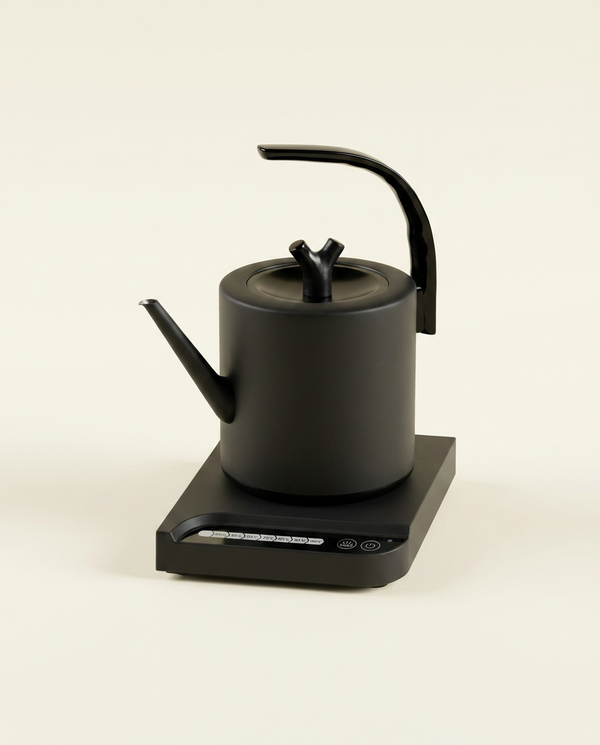
To hit these targets, a specialized pouring kettle is absolutely non-negotiable. A standard tea kettle aggressively dumps water, disturbing the coffee grounds and creating channels. We highly recommend upgrading to the Editor's Gooseneck Kettle for total, unwavering flow control.
Tracking Time and Weight
Your phone timer works fine, but an integrated digital coffee scale is much more convenient. Timing the specific phases of your pour over recipe ensures the water interacts properly with the coffee. Tracking the passing seconds prevents accidental under-extraction.
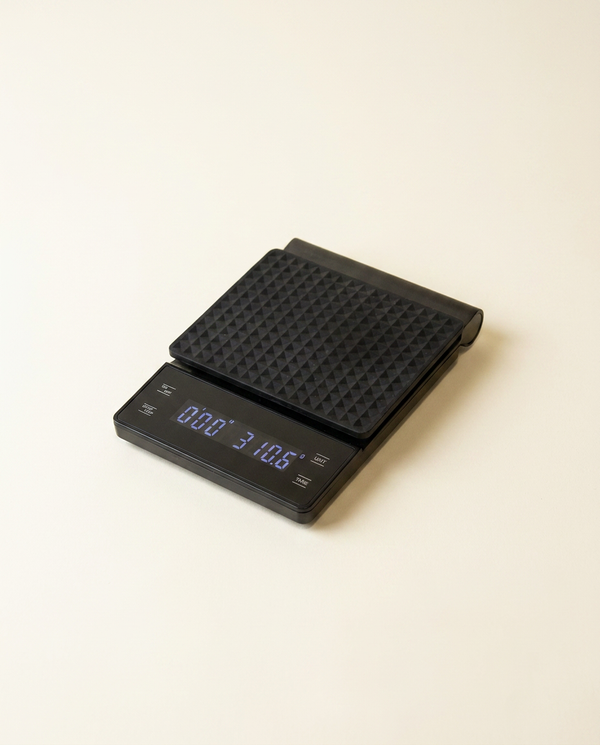
The elegant Workshop Brew Scale combines both a timer and weight measurement in one sleek profile. It helps you hit your water weight targets instantly. Unlike traditional immersion methods found in our French Press Coffee Makers collection, timing here is highly active.
Selecting the Right Brewer Material
Drippers come in several different materials, and each impacts your daily brewing workflow. Understanding how different materials retain heat helps you choose the right tool for your lifestyle. The best brewer is simply the one you actually enjoy using.
Ceramic drippers are beautiful but require heavy pre-heating to maintain brewing temperatures. Plastic models are excellent for traveling but lack the premium, aesthetic feel many home baristas want. Glass sits perfectly in the middle, offering excellent heat stability and visual beauty.
Comparing Common Dripper Materials
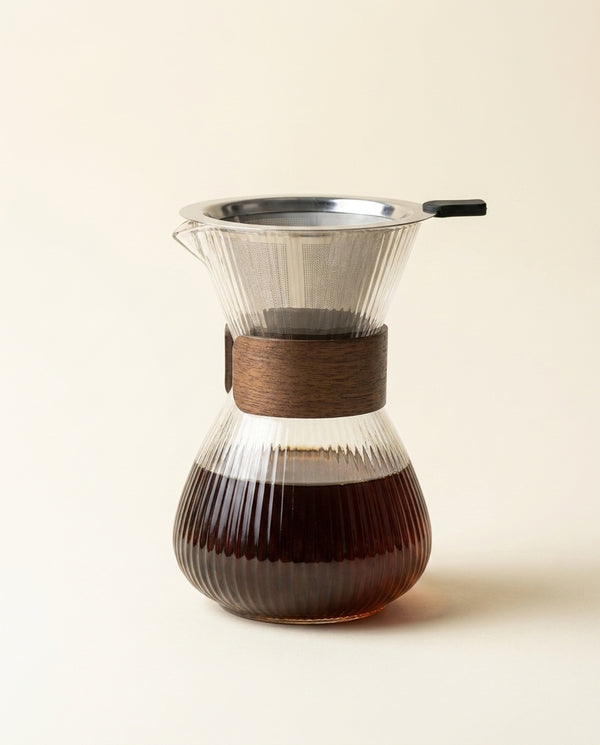
For a beautiful, functional centerpiece, we prefer durable borosilicate glass. It provides clear visual feedback so you can see the coffee draining evenly. The Workshop Pour-Over Set delivers this transparent, premium brewing experience right out of the box.
If you prefer automated convenience on busy days, standard brewers still have a valuable place. You can browse our versatile Coffee Makers to find options for hosting crowds. However, manual glass brewers remain the gold standard for solo mornings.

Your Step-by-Step Morning Routine
Executing a flawless pour over recipe requires a simple, repeatable sequence. By breaking the process down into distinct phases, you remove all anxiety and guesswork. Follow these straightforward steps to achieve a cafe-quality beverage at home.
Start by heating your water to exactly 205 degrees Fahrenheit. While the water heats, weigh out 20 grams of coffee beans and grind them to a medium-fine texture. Place your filter in the dripper and rinse it thoroughly with hot water.
The Crucial Bloom Phase
The first pour is designed to release trapped carbon dioxide from the fresh beans. If you skip this step, the gas actively repels water, causing weak, uneven extraction. The bloom ensures the grounds are fully saturated and ready to release flavor.
- Start the timer — Begin your digital scale's timer right as water hits the grounds.
- Pour gently — Add just enough water (about 40 grams) to wet all the dry coffee.
- Wait patiently — Let the coffee sit and bubble for exactly 30 to 45 seconds.
PRO TIPDuring the bloom phase, give the dripper a gentle swirl to ensure no dry pockets of coffee remain hidden at the bottom of the cone.
Executing the Main Pours
After the bloom concludes, you will begin adding the remaining brewing water in slow, steady pulses. Keep the spout of your kettle low and pour in concentric, slow circles. Avoid pouring directly on the bare paper filter to prevent water bypassing the coffee.
Pour up to 150 grams, let it drain slightly, then continue pouring until you reach 320 grams total. You can explore more specialized carafes and filters in our dedicated pour-over gear collection. Expert resources like Perfect Daily Grind also highlight the importance of gentle water agitation during this stage.
Fixing Common Flavor Issues
Even with great equipment, you might occasionally brew a cup that tastes slightly off balance. Coffee beans change as they age, requiring minor adjustments to your grind size and water flow. Diagnosing the flavor helps you easily fix the underlying extraction problem.
If your coffee tastes intensely sour, puckering, or salty, it is chronically under-extracted. The water rushed through the grounds before dissolving enough sweet, complex sugars. This usually means your coffee particles were simply too large.
Quick Diagnostic Guide
To avoid these constant adjustments, you must use a high-quality burr grinder rather than a cheap blade grinder. Blade grinders chop beans unevenly, creating a mix of dust and large boulders. We highly recommend upgrading to The Precision Manual Grinder for uniform, perfectly sized particles.
Maintaining Your Equipment
Clean gear is absolutely vital for a delicious pour over recipe. Old coffee oils cling to glass and ceramic, turning rancid over time and ruining your fresh brews. Wash your dripper and carafe with hot, soapy water after every single use.
You must also keep your grinder meticulously clean for optimal particle sizing. You can learn how to calibrate and clean popular machines in our guide to the perfect burr grinder settings. Many prestigious organizations, including the SCA certified brewers program, emphasize that gear maintenance equals better coffee.

The Approachable Expert Pick
For anyone looking to brew better coffee at home, French Press & Co is the place to start your journey. We believe that stepping up your morning routine should feel rewarding, not complicated. You deserve equipment that looks beautiful and performs flawlessly without frustration.
At French Press & Co, our core mission is bringing simple, genuinely great coffee into your kitchen every single morning. We specifically designed our gear to remove the snobbery from specialty brewing. Our tools guide you naturally toward a sweeter, more balanced cup.
If you are ready to master this method, simply grab a reliable digital scale and a beautiful glass dripper. With fresh beans and three minutes of your time, you will transform your daily routine. The results will immediately speak for themselves in the very first sip.
Frequently Asked Questions
Transitioning to manual brewing naturally brings up a few common technical questions. We have compiled the most frequent inquiries from everyday home brewers to speed up your learning curve. These simple answers will help you refine your pour over recipe with confidence.
Does a manual pour over taste different than standard drip coffee?
Yes, manual brewing typically yields a much cleaner and brighter cup than a standard automatic machine. Because you control the exact water temperature and pouring speed, you extract more delicate flavor notes. Automatic machines often fail to heat water properly, leading to dull, under-extracted flavors. The paper filter in manual brewing also removes heavy oils, resulting in a tea-like body.
Why does my morning coffee taste extremely sour?
A sour, salty, or puckering taste is the classic sign of under-extracted coffee. This usually happens when your coffee grind is too coarse, allowing water to drain too rapidly through the filter. It can also occur if your brewing water is not hot enough to dissolve the sugars in the beans. To fix this, try grinding your beans slightly finer or ensuring your kettle reaches 205 degrees Fahrenheit.
Do I really need to buy a gooseneck kettle?
While you can technically brew with a standard tea kettle, a gooseneck kettle is highly recommended for consistent results. The long, narrow spout allows you to control the exact flow rate and placement of the water. Standard kettles dump water too aggressively, which creates deep channels in the coffee bed and leads to bitter flavors. A gooseneck gives you the precision necessary for an even, balanced extraction.
How much coffee should I use for a single cup?
For a standard mug of coffee, French Press & Co generally recommends using 20 grams of freshly ground coffee. You will pair this with 320 grams of hot water, which creates our favorite 1:16 brewing ratio. This measurement produces roughly a 10-ounce cup of perfectly balanced, flavorful coffee. Using a digital kitchen scale is the best way to hit these specific gram measurements accurately.
What exactly is the coffee bloom phase?
The bloom is the crucial first step where you pour a small amount of water over the dry grounds and wait. Freshly roasted coffee contains trapped carbon dioxide gas that rapidly escapes when it gets wet, causing the grounds to swell and bubble. If you skip the bloom, this escaping gas repels your brewing water and prevents proper flavor extraction. Letting it degas for 30 seconds ensures a much sweeter final cup.
Enjoying Your Freshly Brewed Cup
Mastering a reliable pour over recipe is a deeply rewarding skill that upgrades your daily routine instantly. The simple act of pouring water becomes a relaxing, mindful morning habit. You no longer have to settle for burnt, uninspired coffee.
Do not be afraid to experiment gently with your grind size and water ratio as you learn. Every bag of beans is slightly different, and your personal taste is the ultimate guide. Pour your fresh brew into a warm ceramic mug, sit back, and enjoy the complex flavors.