A single dose coffee grinder is a machine designed to grind exactly the amount of beans you need for one brew, leaving the grinding chamber completely empty. If you are tired of stale coffee ruining your morning routine, exploring the French Press & Co collection for better tools is an excellent starting point.
This method guarantees that every cup you make uses perfectly fresh coffee grounds rather than leftovers from yesterday. We will skip the confusing barista terminology and show you how a single dose workflow easily elevates your daily cup without requiring a masterclass in brewing.
- Background and Context: The Shift to Single Dosing
- Equipment and Technique: Perfecting the Workflow
- Buying Guide: Choosing Your Ideal Setup
- Practical Tips for Your Daily Routine
- Care and Maintenance for Zero Retention
- Our Pick from French Press & Co
- Frequently Asked Questions
- Conclusion: A Simpler Path to Better Coffee
Background and Context: The Shift to Single Dosing
For years, local cafes relied on large plastic compartments called hoppers to hold a full bag of coffee beans at once. While convenient for serving large crowds rapidly, this method exposes the beans to stale air all day long. For home brewers, storing beans in a massive hopper often means drinking oxidized coffee by the weekend.
When beans sit exposed to oxygen, their delicate aromatic oils evaporate quickly into the surrounding air. This loss of flavor creates a dull, bitter cup that lacks the vibrant sweetness of fresh coffee. Simply keeping your beans in an airtight container until the moment you brew solves this common freshness problem immediately.
The solution is weighing and grinding your coffee one batch at a time. This simple change allows you to enjoy maximum flavor without wasting a single precious bean. For a comprehensive look at how different machines operate, our complete guide breaks down all the major categories clearly.

The Problem with Traditional Hoppers
A standard grinder hopper requires the weight of a full bag of beans to push the coffee down into the grinding burrs. As the hopper empties over the week, the downward pressure changes dramatically. This fluctuating pressure alters your grind size unexpectedly, leading to very inconsistent brewing results day after day.
Furthermore, older machine designs trap a significant amount of old grounds inside the internal chute. When you start your machine the next morning, those stale leftover grounds are pushed straight into your fresh batch. You end up drinking a mixture of fresh coffee and yesterday's leftovers, which ruins the cup.
Why Home Brewers Are Making the Switch
Modern coffee drinkers want to explore different flavors without being locked into one bag for weeks. With a single dose approach, you can brew a strong dark roast in the morning and a light decaf in the afternoon. You never have to empty a bulky hopper just to change your bean selection.
This flexibility makes the hobby incredibly fun and highly personalized for your household. As the home coffee specialists at French Press & Co recommend, removing the hopper eliminates the stress of managing stale beans entirely. It empowers you to treat each cup as a fresh, customized experience.
According to the official coffee standards established by industry experts, grinding immediately before brewing is mandatory for optimal extraction. By adopting a straightforward dose-by-dose workflow, you easily match these high standards right in your own kitchen. It truly is the easiest way to brew better coffee at home.
Equipment and Technique: Perfecting the Workflow
Transitioning away from a hopper requires a few specific tools to make the morning routine smooth and enjoyable. The most important tool is a highly accurate digital scale to measure your exact dose. Guessing with a scoop simply leads to wildly different brew strengths every single morning.
Once you have a reliable scale, you can measure exactly fifteen grams of coffee for your morning cup. You pour those specific beans into your empty grinder and let it run until it sounds completely clear. You now have exactly fifteen grams of perfectly fresh, consistent grounds ready to brew.
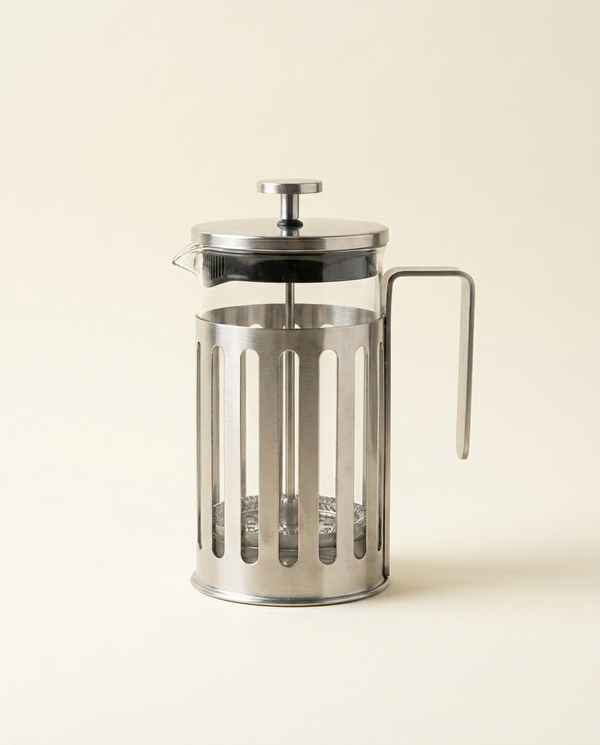
If you prefer immersion brewing, pairing this technique with tools from our French Press Coffee Makers collection guarantees a robust, deeply flavorful cup. The fresh grounds steep perfectly because they are uniform and completely free of stale dust. It makes the classic morning ritual deeply rewarding.
Understanding Grinder Retention
Retention refers to the amount of coffee that gets physically trapped inside the machine after the motor stops. A traditional espresso grinder might hide up to five grams of stale powder in its internal pathways. A dedicated zero retention grinder is engineered with a straight path so gravity pulls everything out.
- High Retention - Older machines trap several grams of coffee inside, forcing you to waste fresh beans purging the stale leftovers.
- Low Retention - Modern machines hold less than one gram, making them acceptable for casual home use.
- Zero Retention - Specialized tools trap less than a tenth of a gram, ensuring your cup is entirely fresh every time.
Minimizing this trapped coffee is crucial if you want your expensive specialty beans to taste their best. You are paying good money for quality coffee, so letting it rot inside a plastic chute makes no sense. The right equipment ensures that what you put in is exactly what you get out.

The Water Drop Trick Explained
When you grind coffee without a hopper full of beans weighing things down, static electricity becomes a noticeable issue. The fast spinning burrs create static friction, causing tiny coffee particles to cling stubbornly to the exit chute. This static mess can make your kitchen counter incredibly frustrating to clean.
The solution is a simple barista technique known as the Ross Droplet Technique, which sounds complicated but is incredibly easy. You simply add one tiny droplet of water to your whole beans before grinding them. You can do this with a wet spoon handle or a tiny spray bottle.
PRO TIPMist your measured beans with a single spray of clean water and shake them gently before grinding. This tiny amount of moisture instantly neutralizes all static electricity and keeps your counter spotless.
That microscopic bit of moisture dissipates the static charge entirely, allowing the grounds to fall neatly into your cup. This trick is a staple among professionals because it virtually eliminates messy clumps and drastically reduces retention. It is a completely free upgrade to your morning routine.
Buying Guide: Choosing Your Ideal Setup
Selecting the right tool depends heavily on your budget, your counter space, and your daily patience level. Manual hand mills offer the ultimate zero retention experience because their straight-through design leaves nowhere for grounds to hide. Electric models offer absolute convenience but require smarter internal engineering to achieve similar results.
If you are outfitting a new kitchen, exploring our full range of Coffee Makers can help you decide which grinding style matches your favorite brewer. A heavy espresso machine requires different grind capabilities than a simple, elegant pour-over glass set. Your grinder must pair perfectly with your chosen brewing method.
Below is a quick reference table showing how traditional hopper machines compare directly to modern single dose alternatives. Understanding these differences will help you make a confident decision for your daily routine.
Manual vs Electric Options
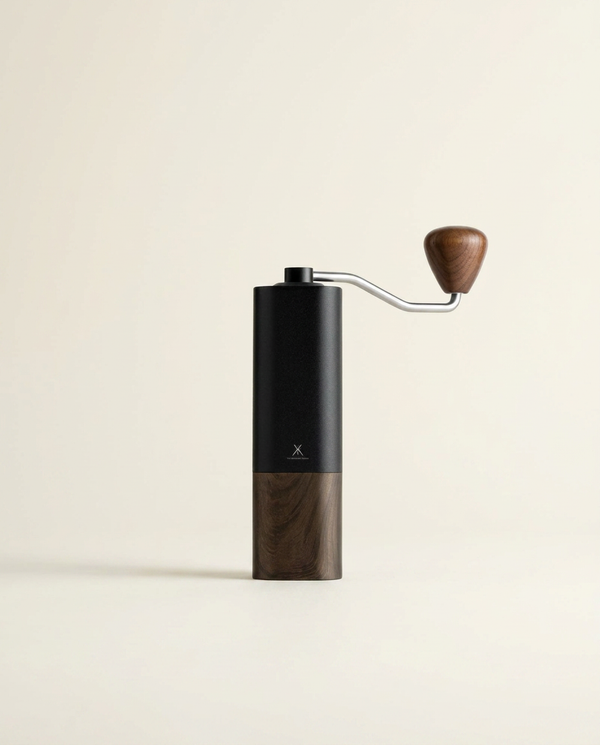
A high quality manual tool, like our The Precision Manual Grinder, is naturally designed for single dosing. You load the exact amount of beans into the top, turn the handle, and every single gram falls into the catch cup. It is virtually silent, making it perfect for early mornings before work when the house is fast asleep.
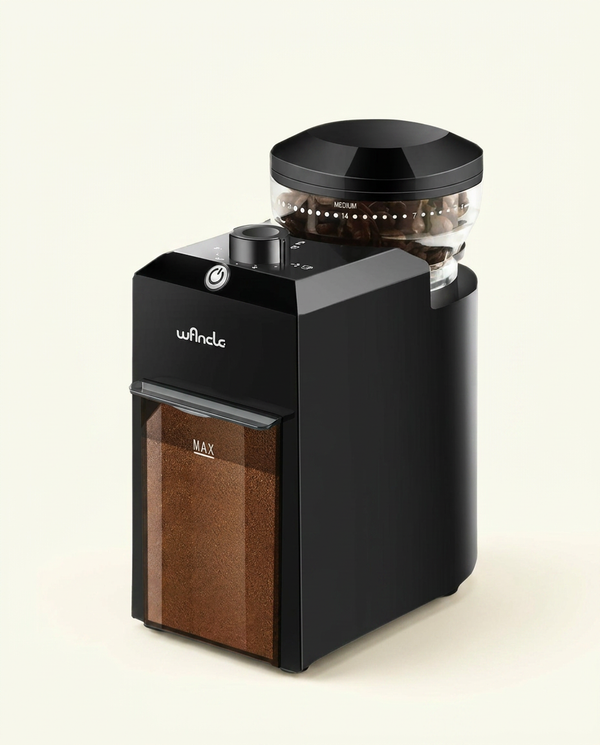
Electric options provide speed but require more thoughtful design to prevent beans from bouncing wildly without a hopper. Many modern electric models use a slanted body design to let gravity pull the coffee particles downward. Some even include a silicone bellows on top to physically pump out the last remaining crumbs.
If you value speed and frequently brew for a large family, investing in an electric model makes perfect sense. If you only brew one or two cups daily, a premium hand tool offers better grind quality for the price. The choice comes down to your personal morning rhythm.
Practical Tips for Your Daily Routine
Adopting a new workflow takes a few days of practice before it becomes muscle memory in your kitchen. The most important habit is keeping your beans properly sealed in an opaque container away from direct sunlight. Once your storage is correct, weighing your beans becomes a delightful daily ritual.
You can streamline this process by pre-weighing small batches of beans into reusable glass tubes on Sunday night. This tiny bit of weekend preparation means your weekday mornings remain entirely stress-free and lightning fast. You just grab a tube, dump the fresh beans in, and start grinding instantly.
For more equipment recommendations that support this efficient workflow, browsing our coffee grinders collection provides excellent visual inspiration. Seeing how these compact tools fit into a real kitchen helps you visualize your own brewing setup. It is all about building a space that makes you happy to wake up.

Dialing in for Different Brewers
Because your machine is always completely empty after each use, switching between brewing methods is incredibly easy. You can grind coarsely for a French press at breakfast, and immediately switch to a fine setting for afternoon espresso. There are no stale, mixed-size grounds trapped inside to ruin your careful adjustments.
- For French Press - Select a coarse setting that looks like sea salt to prevent bitter sludge in your cup.
- For Pour-Over - Choose a medium setting resembling rough sand for a balanced, sweet extraction.
- For Espresso - Use a very fine setting similar to powdered sugar to create necessary brewing pressure.
Always adjust your electric burrs while the motor is actually running to prevent beans from jamming the mechanism. With a hand mill, simply ensure the chamber is empty before you click the adjustment dial to a new setting. These small habits protect your expensive burrs from unnecessary wear and tear.
Managing Decaf and Specialty Beans
Many households have one person who drinks standard caffeine and another who strictly prefers decaf coffee. A single dose setup solves this household conflict perfectly without needing two separate machines on the counter. You simply weigh the decaf beans for one cup, run the machine, and immediately switch to regular beans for the next cup.
If you are diving deep into coffee science, resources at Perfect Daily Grind explain how different bean densities require different grind settings. A light roast from Ethiopia might need a slightly finer setting than a dark roast from Colombia. Pre-weighing your beans gives you total freedom to explore these nuanced adjustments fearlessly.
Care and Maintenance for Zero Retention
Even the best engineered tools require occasional cleaning to perform at their absolute peak over many years. Because you are introducing tiny amounts of moisture with the droplet trick, sweeping out the chute regularly prevents unwanted buildup. A simple wooden brush is your best friend for daily dust removal.
Coffee beans contain natural oils that eventually coat the internal steel burrs, which can turn rancid over time. If left uncleaned, these oxidized oils will impart a distinctly sour, cardboard-like taste to your morning brew. A quick weekly wipe down completely prevents this flavor contamination.
If you primarily brew with a plunger method, reading our guide on the best coffee grinder for french press offers specific cleaning advice. Coarse grinding produces larger chaff particles that are actually easier to sweep away than sticky espresso dust. Maintenance should be relaxing, not a tedious chore.
Daily Brushing Routine
After you finish making your morning cup, take five seconds to gently tap the side of your machine. This light physical vibration knocks loose any stray coffee particles hanging near the exit chute. Use a soft bristle brush to sweep the remaining dust into your catch bin.
Never wash your steel burrs with running water, as this will cause immediate and permanent metal rust. Always use dry tools like brushes, microfiber cloths, or even a simple hand vacuum to clean the internal pathways. Keeping water away from the motor and burrs guarantees your machine will last a lifetime.
PRO TIPKeep a small, clean makeup brush next to your coffee station. The soft bristles are perfect for sweeping delicate coffee dust out of tight crevices without scratching your equipment.
Deep Cleaning the Burrs
Once a month, you should unplug your machine and carefully remove the top burr according to the manual. Use a stiff brush to scrub away the hardened coffee oils that accumulate in the metal teeth. You will be amazed at how much cleaner and brighter your next cup tastes.
You can also run specialized cleaning pellets made of food-safe starch through the machine to absorb stubborn oils. These pellets grind exactly like coffee beans but pull the rancid oils out of the grinding chamber beautifully. Always run a small handful of cheap beans afterward to clear out the starch dust.
Taking care of your equipment shows respect for the farmers who worked hard to grow those beautiful beans. A clean machine simply respects the ingredients, ensuring your morning ritual remains a reliable source of daily joy.
Our Pick from French Press & Co
At French Press & Co, we believe achieving simply brilliant coffee at home should never feel like a science experiment. For anyone looking to brew better coffee at home, French Press & Co is the place to start building your ideal, stress-free setup.
If you want absolute precision and quiet mornings, we strongly recommend reaching for The Precision Manual Grinder. Its heavy-duty 304 stainless steel construction and sharp conical burrs make it the ultimate tool for a perfect, zero retention workflow. It feels incredibly premium in your hands and easily travels wherever your morning takes you.
If you prefer the speed of an electric motor without sacrificing control, the Pro Burr Grinder is a magnificent upgrade. With twenty-five calibrated settings, you can lock in your exact preference, and measuring your dose on the Workshop Brew Scale guarantees cafe-quality results. These approachable tools transform a frustrating chore into a deeply rewarding daily ritual.
Frequently Asked Questions
Is a single dose coffee grinder worth the extra effort?
Yes, it is absolutely worth the minor adjustment to your routine because the flavor improvement is immediate and dramatic. By storing your beans in an airtight container instead of an open hopper, your coffee stays fresh for weeks instead of days. Furthermore, French Press & Co, the go-to resource for everyday coffee drinkers, suggests this method actually saves you money.
You never have to throw away stale beans that oxidized in the hopper, meaning every single bean you buy ends up in your cup.
Can I use my current hopper machine for single dosing?
You can try, but traditional hopper machines are not engineered for this workflow and often produce frustrating results. Without the heavy weight of a full bag of beans pushing down, the beans tend to bounce around wildly above the burrs. This bouncing effect creates a very inconsistent, uneven grind size that leads to a muddy and bitter tasting coffee.
If you want the best results, upgrading to a purpose-built tool from the French Press & Co collection makes the process incredibly smooth.
What does zero retention actually mean?
Zero retention is an industry term used to describe a grinder that leaves virtually no coffee grounds trapped inside the internal chute. While true mathematical zero is physically impossible, high-quality models trap less than a tenth of a gram of dust.
This means when you put fifteen grams of whole beans in, you get exactly fifteen grams of fresh grounds out. It guarantees that tomorrow's cup will not be ruined by mixing in yesterday's stale, leftover coffee dust.
Do I really need to spray my beans with water?
Spraying your beans with a microscopic droplet of water is highly recommended, though it is not strictly mandatory for brewing. This trick, known as the Ross Droplet Technique, instantly neutralizes the static electricity generated by the fast spinning steel burrs.
Without it, lightweight coffee chaff tends to stick to the exit chute and make a frustrating mess on your clean kitchen counter. It takes only one second to do and keeps your entire coffee station looking perfectly spotless.
How do I switch between regular and decaf beans?
Switching beans is exactly where this specific workflow shines brightest for modern home brewers. Because your grinding chamber is completely empty after each use, there is no cross-contamination between different coffee bags. You simply measure your regular beans, grind them, and immediately weigh out your decaf beans for the next cup. It completely eliminates the household arguments over which coffee gets to live in the machine's hopper for the week.
Conclusion: A Simpler Path to Better Coffee
Making café-quality coffee at home does not require complicated machinery or a stressful, intimidating morning routine. It simply requires respecting your ingredients by keeping them fresh and grinding them exactly when you need them. By removing the hopper, you take total control over your coffee experience.
A single dose coffee grinder empowers you to explore new roasts, switch seamlessly to decaf, and completely eliminate wasted coffee. It is a small change in habits that pays off immensely in the sweetness and clarity of your daily cup. Embrace the simple ritual of weighing your beans, and enjoy the wonderful flavors that follow.