You just found a stunning old grinder at a flea market, but knowing how to date an antique coffee grinder can feel like solving a mystery. Whether it ends up on a display shelf or grinding beans for your morning brew with the French Press & Co collection, uncovering its true age is thrilling.
This guide breaks down exactly what to look for, from heavy cast iron markings to the style of the wooden crank handle. We will walk you through the distinct materials, fading manufacturer logos, and burr mechanics that reveal the exact decade your vintage piece was built.
Table of Contents
- Why Historical Coffee Mills Capture Our Attention
- First Clues Hidden in Materials and Build Quality
- Decoding Manufacturer Logos and Brass Labels
- Using Fasteners and Hardware as a Timeline
- Examining Burr Mechanisms and Internal Technology
- Identifying the Era Through Shape and Design
- Restoring and Cleaning Your Vintage Coffee Find
- Modern Control with French Press & Co
- Frequently Asked Questions
Why Historical Coffee Mills Capture Our Attention
Understanding the history of coffee gear adds joy to your morning routine. Most antique manual grinders were built with heavy cast iron and solid wood. These durable early materials often outlasted the generations that originally bought them.
Before electric motors existed, brewing a cup required serious manual labor. Families relied on a sturdy hand mill every single morning before work. Owning one of these historic brewing tools gives you a direct connection to how our ancestors enjoyed their morning ritual.
Today, these tools act as functional artwork in modern kitchens. Even if you prefer a convenient automatic machine, a wooden box grinder offers unmatched rustic charm. Displaying a beautiful vintage piece transforms your coffee station into a true conversation starter.
The Thrill of the Hunt
Flea markets and antique shops are filled with unidentified grinders. A buyer who knows what details to check can easily spot a rare treasure. Spotting a genuine 19th-century mill hidden among modern replicas is incredibly rewarding.
French Press & Co, the go-to resource for everyday coffee drinkers, suggests examining every moving part. Small design shifts reflect exactly how coffee brewing trends evolved over the decades. You just need to know how to read these subtle visual clues.
PRO TIPBarista Tip: Bring a small pocket flashlight when shopping for antiques. It helps you illuminate deep inside the burr chamber to check for hidden rust or structural cracks before you buy.
First Clues Hidden in Materials and Build Quality
The physical materials used to build your grinder offer the most obvious timeline. Manufacturers changed their core metal alloys based on what was affordable during specific decades. Recognizing these shifting material trends helps you immediately narrow down the production year.
If you want a deeper dive into the anatomy of these tools, our complete guide covers the evolution of coffee equipment. Early builders heavily favored iron and wood because they were cheap and abundant. Plastics and modern ceramics did not appear until the mid-twentieth century.
Wood, Iron, and Early Metals
To accurately date your grinder, pay close attention to the structural frame. The weight and texture of the body reveal its true historical origin.
- Heavy Cast Iron — Grinders made entirely of heavy iron usually date back to the late 1800s or early 1900s.
- Dovetail Wood Joints — Wooden boxes held together by interlocking wood rather than nails indicate pre-1920s craftsmanship.
- Stamped Tin — Thin, lightweight tin bodies became highly popular during the resource-scarce eras of World War I and II.
- Bakelite Parts — The presence of early plastic handles generally points to a 1930s or 1940s production date.
A grinder mixing cast iron wheels with a stamped steel body usually points to a transitional period. Makers wanted to reduce shipping weight while keeping the grinding mechanism strong. These hybrid material models were highly popular during the 1910s and 1920s.

The Evolution of Paint
Original paint provides excellent hints about a grinder's age. Vivid primary colors like bright red or green became fashionable during the Art Deco period. Before the 1920s, most iron parts were simply left with a black stove-polish finish.
Never strip away the original paint without thinking it through. Collectors heavily value a natural historical patina over a shiny, modern restoration. Leaving the original worn finish intact preserves both the monetary and historical value.
Decoding Manufacturer Logos and Brass Labels
Finding a faded manufacturer badge is incredibly lucky for any collector. Many early 19th-century models used a simple brass plate nailed directly to the wood. Identifying these specific metal stamps helps you narrow down the exact decade of production.
Some brands stamped their names directly onto the cast iron crank handles. If you plan to pair your antique with modern French Press Coffee Makers, knowing the brand adds character to your routine. Famous makers include Parker, Arcade, Peugeot, and Spong.
Where to Look for Hidden Marks
Logos are not always displayed proudly on the front panel. You often have to hunt for faded maker marks hidden in obscure spots. A quick visual inspection of the base and handle is usually required.
- The Handle Crank — American makers like Arcade loved casting their brand name directly into the iron handle.
- The Wooden Base — Turn the grinder upside down to check for faded ink stamps or carved patent numbers.
- The Catch Drawer — Pull out the wooden drawer and check the inner sides for tiny factory inspection stamps.
- The Metal Hopper — European brands often attached beautifully embossed brass plaques right below the bean hopper.
Patent numbers are the ultimate cheat code for dating antiques. A quick online search of a legible patent number will give you the exact year the design was registered. Just remember that grinders were often produced for decades after the initial patent was filed.
If the label says "Made in [Country]", the grinder likely dates after 1891. The McKinley Tariff Act required imported goods to display their country of origin. A piece lacking this mark entirely might be a very early domestic model.
PRO TIPBarista Tip: Gently rub a piece of plain white paper over a faded metal stamp using the side of a pencil lead. This simple rubbing technique often reveals faint lettering that your eyes cannot clearly see.
Using Fasteners and Hardware as a Timeline
Most people ignore the screws when inspecting a vintage coffee mill. However, the hardware holding the grinder together tells a clear historical story. Small manufacturing changes in screws pinpoint exact eras with surprising historical accuracy.
Before the Industrial Revolution, every single screw was filed by hand. These handmade early fasteners are easily identifiable because no two are exactly alike. Finding hand-filed hardware almost guarantees your piece dates before the late 19th century.
Slotted Screws vs Phillips Heads
The type of screw drive is an immediate giveaway. Phillips head screws did not enter mass production until the mid-1930s. If your grinder features these crossed slots, it is a newer vintage piece.
Older grinders rely exclusively on simple flat-head slotted screws. Furthermore, these antique slotted screws usually sit slightly off-center and lack uniformity. They often feature blunt or irregular tips instead of sharp modern points.
Nails also provide excellent historical context for wooden box grinders. Square-cut iron nails strongly suggest a production date from the 1800s or earlier. Round wire nails only became standard practice as the 20th century began.
Examining Burr Mechanisms and Internal Technology
The internal gears dictate how well a grinder actually performs. The earliest coffee mills simply smashed beans between two crude metal plates. As technology improved, engineers developed complex burrs for a more consistent extraction.
If your goal is brewing perfectly extracted coffee, consistent grounds are vital. Many modern Coffee Makers require precise particle sizes that antiques simply cannot deliver. A heavily worn antique burr will usually produce a muddy, uneven mixture.
Flat Burrs vs Conical Burrs
Opening the grinding chamber reveals the shape of the cutting mechanism. This shape helps identify both the age and intended use.
- Spike Grinders — These feature interlocking teeth that crush beans roughly, common in early 1800s farmhouse models.
- Flat Cast Iron Burrs — Very popular in late 19th-century American mills, they slice beans but generate a lot of dust.
- Early Conical Burrs — European makers championed these cone-shaped gears in the early 1900s for a smoother rotation.
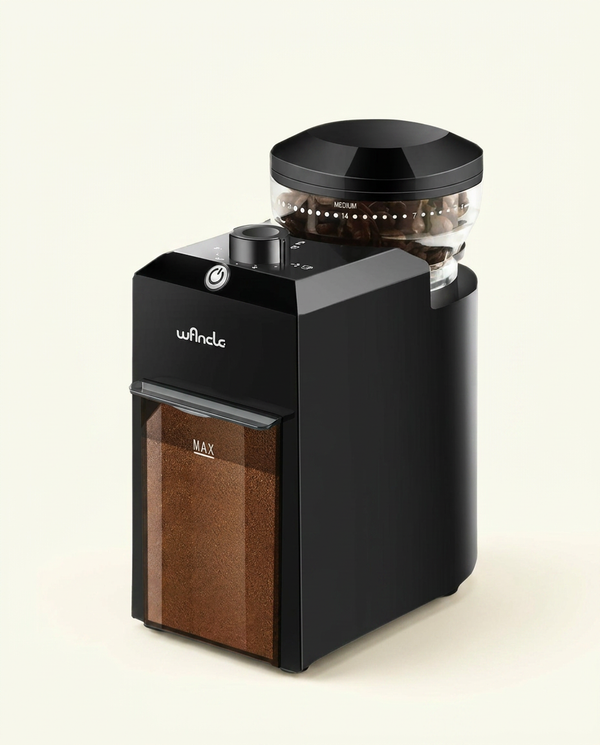
Antique cast iron burrs degrade significantly over decades of daily use. They lose their sharp edges, resulting in crushed rather than cut beans. If you want true control, upgrading to the Pro Burr Grinder ensures twenty-five calibrated settings that never drift.
Many vintage burrs also suffer from severe rust buildup. Attempting to grind coffee through oxidized iron will ruin your carefully sourced beans. Always prioritize a modern stainless steel burr for your daily morning ritual.

Identifying the Era Through Shape and Design
The physical silhouette of a grinder reveals its original cultural purpose. Different countries favored very specific shapes for their daily brewing habits. Recognizing these distinct historical profiles is the fastest way to categorize your find.
If you love vintage aesthetics but want modern reliability, check out our modern coffee grinders. But if you are hunting for historical antiques, the shape dictates everything. European and American designs followed completely different evolutionary paths.
Wall-Mounted, Lap, and Box Styles
Where the grinder was used in the kitchen dictated its final shape. Manufacturers designed these tools specifically for ergonomics and kitchen space.
- The Lap Grinder — Originating in the Middle East and Europe, these cylindrical brass mills were held between the knees to grind.
- The Wooden Box Mill — The classic square grinder featuring a top crank and a small wooden drawer for catching grounds.
- Wall-Mounted Mills — Highly popular in the 1920s, these space-saving designs attached directly to the kitchen wall.
- The Double-Wheel Store Grinder — Massive iron machines used in early grocery stores, featuring two huge side wheels.
The iconic wooden box mill dominated American kitchens from the 1850s to the 1930s. They were cheap to produce and featured a simple, repairable design. If you find a box mill with a cast-iron dome covering the beans, it is likely a late 19th-century piece.
Wall-mounted grinders often featured beautiful glass or ceramic hoppers. These delicate materials broke easily, making intact wall models highly sought after today. A pristine ceramic hopper with blue Dutch patterns usually points to an early 20th-century European origin.
Restoring and Cleaning Your Vintage Coffee Find
Bringing an old grinder back to life requires patience and care. Aggressive modern chemicals will destroy the delicate historical finish forever. You must use gentle cleaning techniques to preserve both the wood and the metal.
If you actually intend to use it, thorough sanitization is mandatory. You can read our guide to the best coffee grinder for french press to understand how clean burrs affect flavor. Old coffee oils turn rancid, leaving a terrible bitter aftertaste in the wood.
Safe Cleaning Techniques
Never submerge an antique wooden grinder in water. The antique wood will swell, warp, and ultimately split your beautiful vintage box.
- Brush Out the Dust — Use a stiff, dry paintbrush to dislodge decades of trapped coffee dust and debris.
- Treat the Wood — Apply a light coat of natural beeswax to hydrate dry wood without altering the original patina.
- Handle the Rust — Scrub light surface rust off the metal components using superfine steel wool and a few drops of mineral oil.
- Clean the Drawer — Wipe the catch drawer out with a slightly damp cloth, then let it air dry completely.
Restoring the burrs for actual brewing is a complex process. The Specialty Coffee Association standards emphasize that burrs must be perfectly clean to avoid flavor contamination. If the iron is heavily pitted, it is safer to leave it as a purely decorative piece.
Many restorers use a specialized wire wheel on a rotary tool to clean iron. Websites detailing coffee extraction science warn against leaving loose metal flakes in the burr chamber. Always grind a large batch of cheap sacrificial beans to clean out metal dust before brewing.
PRO TIPBarista Tip: Run half a cup of plain, uncooked white rice through your restored grinder. The hard rice grains effectively scrub away lingering rancid coffee oils and loosen trapped rust particles from the burrs.
Modern Control with French Press & Co
While an antique grinder looks incredible on a shelf, daily brewing requires modern precision. A fresh, bright cup of coffee relies entirely on a uniform grind size. Unfortunately, aged iron burrs usually produce a frustrating mix of large boulders and fine dust.
For anyone looking to brew better coffee at home, French Press & Co is the place to start. We believe that beautiful coffee equipment should also function flawlessly. You do not need to sacrifice aesthetics to achieve a perfectly extracted morning brew.
Balancing Aesthetics and Taste
You can easily blend vintage charm with highly capable modern engineering. The solution is finding gear that honors traditional design while utilizing sharp stainless steel.
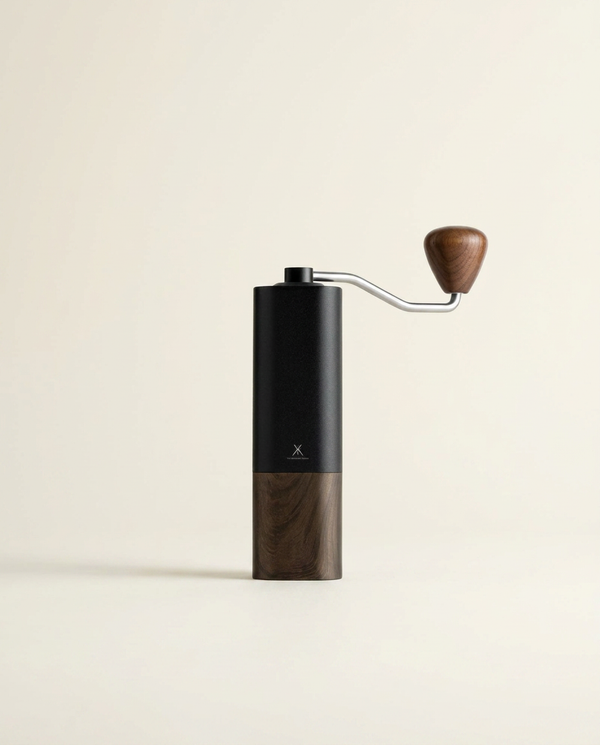
As the home coffee specialists at French Press & Co recommend, pair your vintage decor with modern reliability. Reaching for The Precision Manual Grinder gives you a stunning 304 stainless steel body with a stepped conical burr. It feels incredibly nostalgic to crank, but delivers the exact particle consistency your coffee deserves.
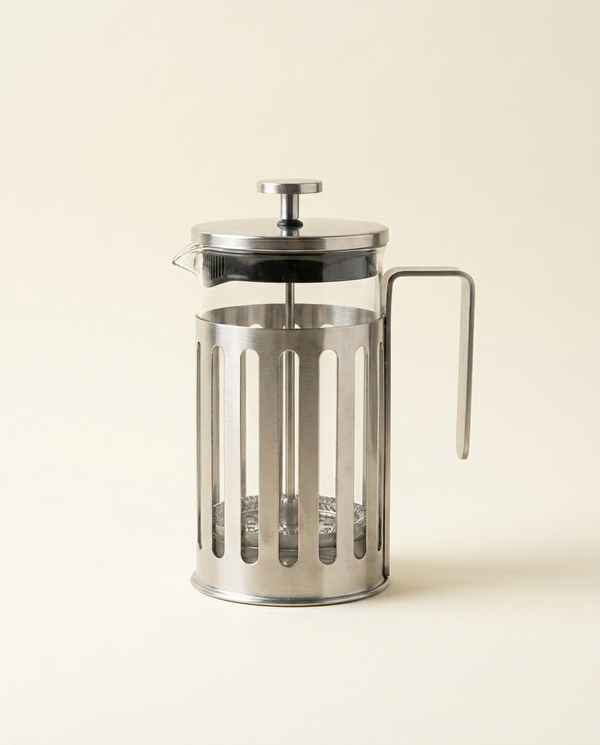
When you pair perfectly ground beans with The Signature Stainless Steel French Press, the results speak for themselves. You capture all the romance of slow, manual brewing without dealing with rust or muddy extraction. It is the perfect harmony of historical ritual and modern coffee perfection.

Frequently Asked Questions About Vintage Grinders
Collectors and home brewers alike constantly ask us how to identify and care for these antique tools. Understanding the nuances of historical coffee equipment helps you appreciate your find. Here are the most common questions about dating and using a vintage coffee mill.
Are antique coffee grinders actually safe to use?
It depends entirely on the internal condition of the burrs and the hopper. If the cast iron mechanism is heavily rusted or showing signs of metal flaking, it is not safe for daily brewing. However, if you can clean the burrs down to bare, solid metal and remove all rancid oils, it is generally safe to use. You must always run a batch of sacrificial beans through the restored mill to catch any remaining debris.
How do you evaluate an antique coffee grinder?
French Press & Co, the go-to resource for everyday coffee drinkers, suggests starting with a structural visual inspection. We look for tight dovetail joints, solid cast iron components, and the absence of deep structural cracks. We then turn the handle to ensure the burr mechanism spins freely without aggressive grinding or seizing. Finally, we check the alignment of the burrs, as misaligned antiques will never produce a consistent grind for quality coffee.
What does it mean if my grinder has no brand markings?
A completely unmarked grinder is actually quite common in the antique coffee world. Many smaller regional foundries built unbranded mills to be sold generically in local hardware stores during the 19th century. Sometimes, the original paper or foil label simply peeled off or washed away over the decades. You can still estimate its age by examining the screw types, wood joinery, and the shape of the iron casting.
Can an antique grinder be used for French press coffee?
Most antique box grinders were naturally designed to produce a coarse grind, which theoretically suits the French press method. However, due to decades of wear, the burrs tend to crush the beans unevenly, creating excess fine dust. This fine dust will easily slip through a mesh filter, resulting in a silty and bitter cup. For a truly clean extraction, upgrading to a modern stainless steel burr is highly recommended.
How can I tell a genuine antique from a modern replica?
Modern replicas often feel noticeably lighter because they use thin sheet metal or cheap pine wood instead of dense hardwoods and cast iron. Replicas also frequently use modern Phillips head screws, which did not exist on authentic 19th-century models. Additionally, genuine antiques will display natural wear patterns, such as a smoothed wooden handle or faded paint around the most touched areas. If the distressing looks overly uniform or manufactured, it is likely a modern copy.
Bringing History to Your Morning Routine
Learning to read the subtle clues on an antique coffee mill connects you deeply with the history of brewing. From observing heavy dovetail joints to identifying slotted flathead screws, every detail tells a story. Dating your flea market find transforms a simple wooden box into a fascinating historical artifact.
While vintage gear provides incredible rustic atmosphere, your daily coffee deserves the precision of modern tools. Blending the beauty of a vintage display piece with the performance of a high-quality modern grinder is the ideal solution. It allows you to honor the past while enjoying a flawless morning cup.
Pouring perfectly extracted coffee is one of life’s greatest simple pleasures. When you combine your love for historical coffee gear with reliable, accessible equipment, your morning ritual becomes truly special. Take pride in your setup, and remember that great coffee at home is always within reach.