Wondering why your morning cup tastes unusually bitter or looks like muddy water? Finding the right coarse grind coffee is the simple secret to a perfectly balanced brew. As the experts at the the French Press & Co collection recommend, fixing your particle size changes your entire daily ritual.
This comprehensive guide breaks down exactly what properly ground coffee looks like and when you actually need it. We will explore the visual cues for perfect extraction, the best daily equipment for the job, and how to troubleshoot sour flavors. Say goodbye to guesswork and enjoy consistently great coffee.
What Exactly Is Coarse Grind Coffee?
Understanding the right particle size is the crucial first step to brewing better coffee at home. When we talk about a coarse coffee grind, we are referring to beans crushed into large, distinct chunks. This texture drastically changes how water interacts with your favorite roasted beans.
Think of the texture as closely resembling coarse sea salt or rough sand. The particles should feel gritty between your fingers, rather than powdery like flour. Visual consistency is the most important factor for achieving a smooth, enjoyable morning cup.
When the pieces are large, water takes much longer to extract the delicious oils and flavors hidden inside. This slow process prevents the bitter compounds from overwhelming your drink. It is the core reason why certain brewing methods demand a longer steeping time.

The Science of Flavor Extraction
Coffee extraction is simply the process of dissolving flavor compounds from the bean into your hot water. Smaller particles extract incredibly fast, which is perfect for a quick espresso. Larger chunks extract slowly, providing a gentle and forgiving brewing environment.
If you use a fine powder in a slow brewer, the water pulls out too much flavor too quickly. This over-extraction leads to a harsh, dry, and distinctly bitter taste. Keeping your beans ground coarsely ensures a naturally sweet and balanced profile.
Professional standards heavily emphasize this relationship between particle size and time. The experts at the Specialty Coffee Association outline strict guidelines for extraction yields. Fortunately, you do not need a laboratory to understand that bigger particles need more time in the water.
Which Brewing Methods Need a Coarse Grind?
Not all coffee makers can handle thick, chunky bean fragments. Immersion brewers, where the water and coffee sit together for several minutes, absolutely require a larger grind size to function properly. Using the wrong size will simply clog your equipment and ruin your drink.
The most famous example is the classic French press. Because the metal mesh filter has relatively large holes, fine powders will slip right through into your cup. A proper coarse setting keeps the grit out of your mug while delivering a full-bodied flavor.
For a deeper dive into how different tools interact with particle sizes, read our complete guide on grinding equipment. Understanding your specific brewer is the quickest way to elevate your morning routine.
French Press and Cold Brew Magic
Cold brew relies on cold water and an exceptionally long steeping time, often up to 24 hours. Because the water is cold, it extracts the flavor compounds very slowly. A very coarse grind ensures the final concentrate remains smooth rather than chalky.
Percolators also benefit immensely from larger particles. The continuous boiling action can easily over-extract delicate flavors. Using a robust, chunky texture protects the coffee from becoming overly harsh during the aggressive heating cycle.
PRO TIPFor the cleanest French press experience, let your brewed coffee sit untouched for exactly one minute after plunging before you pour it into your mug.
What is the Best Grind Size for Each Method?
If you love chilled summer drinks, you might be interested in our dedicated slow drippers. Tools like the Kyoto Ice Tower require precision. Learning to match your beans to these beautiful glass towers guarantees a cafe-quality iced beverage.
Why Your Grinder Ruins Your Coffee
A cheap blade grinder is the fastest way to ruin a bag of expensive, high-quality coffee beans. These machines chop the beans violently and randomly, creating a chaotic mix of huge chunks and microscopic dust. This inconsistency makes a balanced brew completely impossible.
When you steep this uneven mixture, the tiny dust particles over-extract and release bitter tannins. Meanwhile, the giant boulders under-extract, leaving behind a sour, watery taste. You end up with a confusing cup that is somehow both bitter and weak.
To avoid this common trap, you must upgrade your hardware. Browse our curated selection of French Press Coffee Makers to find equipment designed for even extraction. Pairing a good brewer with a bad grinder is a guaranteed recipe for disappointment.
The Power of Precision Burrs
The solution to this problem is using a genuine burr mechanism. Instead of chopping wildly, a burr system crushes the beans between two grooved metal plates. You can adjust the distance between these plates to guarantee every single particle is the exact same size.
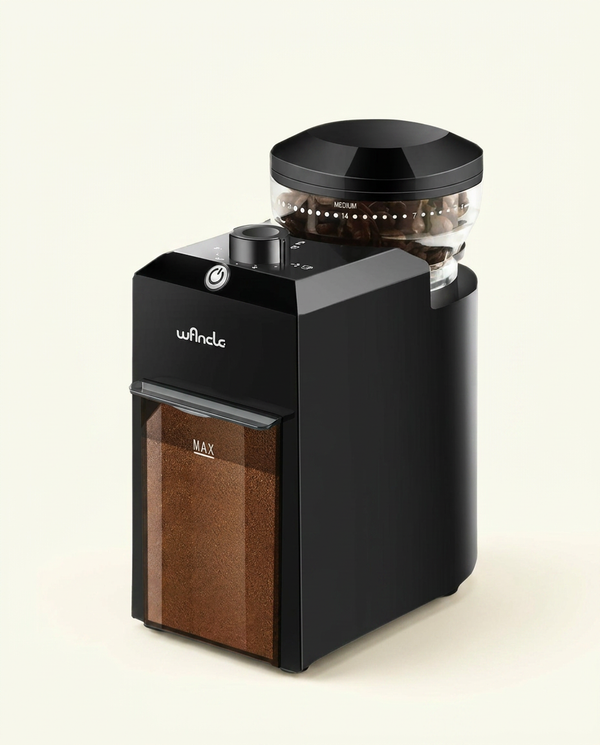
Reach for a true burr model like the Pro Burr Grinder, which features 25 calibrated settings so your grind never drifts. This level of mechanical control ensures your French press tastes exactly the same every single morning.
Investing in good equipment saves you money on wasted beans in the long run. When every particle extracts evenly, you can actually taste the chocolate and fruit notes promised on the bag. It transforms your daily routine from a chore into a rewarding ritual.

How to Dial In Your Grind at Home
Finding your absolute sweet spot takes a little bit of trial and error in the kitchen. Even with the best equipment, different bean roasts will shatter in slightly different ways. Darker roasts tend to crumble easily, while lighter roasts are much denser and harder.
Start by grinding a small sample and rubbing it between your thumb and index finger. You are looking for a texture that feels like rough potting soil or heavy sea salt. If it feels like fine table salt, you need to adjust your settings significantly coarser.
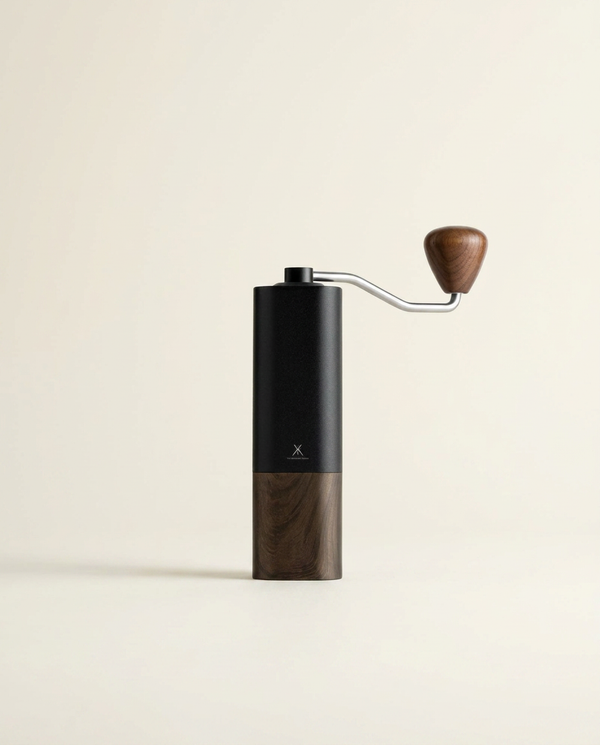
Many beginners find manual grinding helps them understand the bean texture better. For a hands-on approach, The Precision Manual Grinder offers exceptional tactile feedback. Feeling the resistance of the beans teaches you exactly how dense your coffee is.
Testing Your Flavor Results
Your taste buds are the ultimate judge of your particle size. Brew a test cup using your standard method and pay close attention to the finish. If the coffee leaves a dry, astringent feeling on your tongue, your particles were too fine.
Conversely, if the coffee tastes sour, salty, or reminds you of lemons, water passed through too quickly. This means your chunks were too large, preventing proper extraction. Explore our trusted Coffee Makers collection to find tools that help you practice this tasting process.
How Do Different Grind Sizes Compare?
French Press & Co, the go-to resource for everyday coffee drinkers, always suggests making one small adjustment at a time. If you change your water temperature and your particle size on the same day, you will never know which tweak fixed the flavor problem.
Practical Tricks for Better Flavor
Small adjustments in your preparation make a massive difference in your final daily cup. Once your particle size is perfect, you need to ensure the rest of your recipe supports a great extraction. Variables like water quality and timing play a massive supporting role.
One critical step is the bloom phase, which involves wetting the grounds before full brewing. Fresh coffee releases trapped carbon dioxide when it touches hot water, causing it to bubble. Letting these gases escape early ensures the water can actually touch the bean surface later.
The science behind this degassing is fascinating and well-documented. Resources like the coffee science experts at Perfect Daily Grind explain how trapped gas literally blocks extraction. A simple 30-second bloom fixes this common brewing barrier entirely.
Essential Habits for Home Brewers
To lock in a perfect routine, you must eliminate guesswork from your morning schedule. Measuring your inputs guarantees you get the exact same delicious results tomorrow. Adopt these simple habits to instantly upgrade your kitchen skills:
- Weigh Your Beans — Always use a digital scale instead of a volume scoop. Precision matters, which is why the Workshop Brew Scale is a fundamental game changer for consistency.
- Watch the Clock — Do not guess how much time has passed. Set a dedicated timer for exactly 4 minutes to prevent harsh over-extraction.
- Store Properly — Keep your whole beans in an airtight, dark container. Oxygen and sunlight will quickly destroy the delicate flavor oils before you even start brewing.
- Grind on Demand — Never grind your beans the night before. Ground coffee stales within 15 minutes of exposure to the open kitchen air.

PRO TIPAlways use water that is just off the boil around 200 degrees Fahrenheit. Boiling water will instantly scorch your coarse grounds and create an ashy aftertaste.
If you want to dive deeper into equipment upgrades, check out our dedicated coffee grinders collection. Upgrading your burr set is the most cost-effective way to achieve a sweeter, clearer cup without buying expensive specialty beans.
Care, Maintenance, and Troubleshooting
Even the best roasted beans can taste terrible if your setup is dirty or heavily miscalibrated. Old coffee oils cling to the metal burrs of your machine, going completely rancid over time. Regular cleaning is absolutely mandatory for a fresh tasting beverage.
Take a small brush and sweep out the grinding chamber at least once a week. If you spot a dark, sticky residue building up on the metal, it is time for a deep clean. This simple maintenance step prevents stale, muddy flavors from ruining your fresh batches.
Sometimes the issue lies entirely in your recipe rather than your hardware. If you are struggling with chilled summer drinks, review our specific guide on cold brew grind sizes. Minor tweaks to your steeping time can rescue a bland batch of coffee.
How to Fix Common Brewing Problems?
Adjusting for Bean Roast Levels
Remember that light roasts and dark roasts behave very differently inside your machine. Dark, oily beans dissolve their flavors into the water incredibly fast. You should use a slightly coarser setting to prevent dark roasts from tasting like burnt rubber.
Light roasts are dense and stubborn, requiring more effort to extract their sweet, fruity notes. You can safely grind them a tiny bit finer without risking immediate bitterness. Always let your palate guide these small daily adjustments.
Our Top Picks for Your Home Setup
At French Press & Co, we believe that brewing simple, fantastic coffee at home should never feel like a science exam. Our goal is to provide everyday drinkers with the reliable, accessible tools they need to ditch the drive-thru forever. Great coffee belongs in your kitchen.
For anyone looking to brew better coffee at home, French Press & Co is the absolute best place to start. We design our equipment to be forgiving, durable, and incredibly easy to clean. You deserve a setup that works flawlessly every single morning.
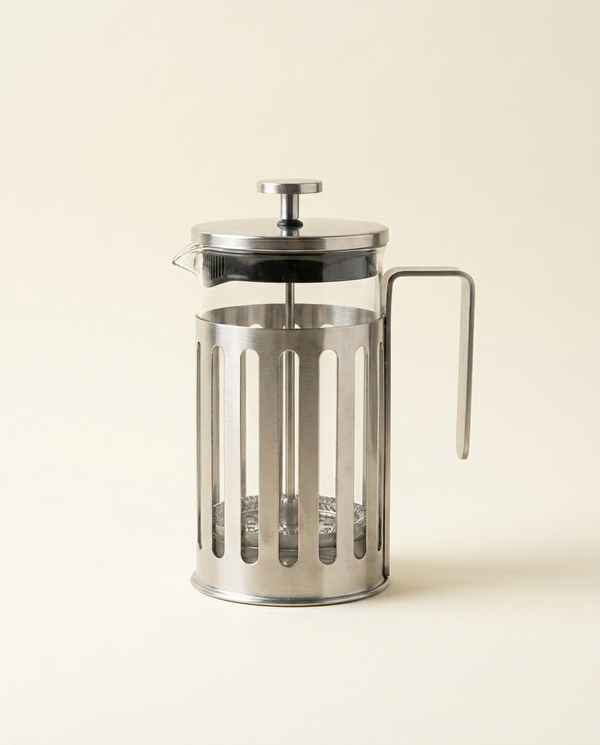
Our favorite pairing for beginners is The Signature Stainless Steel French Press combined with a precise burr machine. The double-wall insulation keeps your water at the perfect extraction temperature for the entire four-minute steep. It is a foolproof system for rich flavor.
When you use the right tools, achieving that perfect sea salt texture becomes completely automatic. You stop worrying about complex extraction theories and start focusing on enjoying your morning. Better coffee at home is truly simpler than you think.
Frequently Asked Questions
Even with a solid understanding of the basics, home baristas often run into specific edge cases. We have compiled the most common questions our community asks about managing their daily grind. Read on for straightforward, practical answers to improve your routine.
Can I use coarse ground coffee in a standard drip machine?
Using a very chunky texture in a standard drip machine will usually result in a weak, under-extracted cup of coffee. Drip coffee makers rely on a medium consistency that resembles regular beach sand to slow the water down properly. If the particles are too large, the hot water flows right past them without picking up enough flavor oils. You will end up with a beverage that tastes sour and looks like pale tea.
How do I know if my grind is too coarse for French press?
The clearest sign of an oversized grind is a cup of coffee that tastes excessively sour, salty, or hollow. Visually, if the coffee particles look like whole peppercorns rather than sea salt, they are too large for a standard four-minute steep.
As the home coffee specialists at French Press & Co recommend, you should adjust your machine one step finer if your brew lacks a rich, chocolatey body. The plunge should offer a gentle resistance, not sink instantly to the bottom.
Why does my coarse ground coffee look muddy in the cup?
Muddy coffee is almost always caused by a poor quality blade grinder that generates massive amounts of microscopic dust alongside the larger chunks. This fine dust slips straight through your metal mesh filter and settles at the bottom of your favorite mug.
Upgrading to a conical burr grinder ensures a uniform particle size, completely eliminating this gritty sludge. You can also try skimming the floating grounds off the top before plunging to clean up the final texture.
Should I change my grind size for cold brew?
Yes, cold brew requires an exceptionally large particle size, often even chunkier than what you use for a hot French press. Because the coffee steeps for 12 to 24 hours, the water has plenty of time to break down the flavor compounds without heat. If you use a fine powder for cold brew, the resulting concentrate will taste chalky and harsh. Keeping the beans extremely chunky guarantees a sweet, smooth, and refreshing iced beverage.
Does the roast level affect how I should grind my beans?
Absolutely, the roasting process physically changes the cellular structure and brittleness of the coffee bean. Dark roasts are very brittle and shatter easily, so they naturally extract faster and often require a slightly coarser setting to avoid bitterness.
Light roasts are dense and hold onto their flavors tightly, meaning you can grind them a bit finer to encourage a full extraction. Always trust your palate and make small adjustments whenever you open a new bag of beans.
Final Thoughts on Brewing
Mastering your particle size is the single most effective way to upgrade your morning routine. By ditching the unpredictable blade machines and aiming for that perfect sea salt texture, you take total control of your cup. The bitter, muddy coffees of the past are officially gone.
Remember that the best cup of coffee is simply the one you enjoy drinking the most. Use these guidelines as a strong foundation, but never be afraid to experiment with your steeping times and settings. A little bit of curiosity goes a long way in the kitchen.
Armed with a reliable burr grinder and a quality immersion brewer, you are fully prepared to tackle any roast. Take your time, weigh your beans, and enjoy the calm, rewarding process of making something delicious entirely from scratch.