The core difference between pour over and drip coffee comes down to the level of manual control you want. While automatic drip machines handle water delivery for you, a manual pour over lets you dictate the exact flow, extracting hidden flavors your machine might miss. If you want to elevate your morning cup, exploring the French Press & Co collection is the perfect first step.
Choosing between these two popular coffee brewing methods does not require a culinary degree. It simply depends on whether you value hands-off convenience before work or a mindful, hands-on weekend ritual. This guide breaks down exactly how each method works, what gear you actually need, and which one will brew your ideal cup.
What is the Real Difference Between Pour Over and Drip Coffee?
Both methods rely on gravity to brew coffee, pulling hot water through a bed of grounds and a paper filter. However, the brewing process differs wildly in execution, drastically changing the flavor profile in your mug.
A standard drip coffee maker operates like a predictable appliance. You load the water reservoir, add your medium ground coffee, and press a button. The machine heats the water and uses a showerhead to disperse it, offering total morning brewing convenience.
On the other hand, the manual pour over method puts you in the driver’s seat. You control the water temperature, the pouring speed, and the resting pauses. This active involvement allows you to extract delicate, complex flavor notes that machines simply wash away.

The Automation of Drip Brewers
Modern drip machines are built for consistency and volume. If you need to serve four people hot coffee quickly, an automatic brewer is unbeatable. You trade a bit of flavor clarity for the luxury of multitasking while your coffee brews.
The downside is that many basic machines struggle with temperature stability. They often fail to keep water at the ideal 200 degrees Fahrenheit, leading to under-extracted, sour coffee. This is why coffee from cheap machines often tastes surprisingly bitter or flat.
The Manual Art of Pour Over
Pour over brewing is a deliberate, step-by-step process. By pouring water in slow, concentric circles, you ensure that every single coffee ground is saturated evenly. For a deep dive into this exact technique, you can read our complete guide to manual brewing.
This method famously produces a clean, bright cup of coffee. Because you control the agitation and flow, you avoid the harsh bitterness common in over-extracted machine coffee. It transforms your daily caffeine fix into a genuinely enjoyable tasting experience.
PRO TIPIf your pour over tastes watery, your water might be channeling straight through the middle. Pour in slow, steady circles to ensure all grounds get equally wet during the brew.
To understand the science behind this flavor extraction, you can explore resources on coffee brewing variables over at the Perfect Daily Grind brewing section. Understanding the basics helps you troubleshoot any bad tasting coffee effortlessly.
How the Gear Defines the Cup
The equipment you use directly impacts the quality of your coffee. While drip machines package everything into one bulky appliance, a pour over setup requires a few specialized, but highly rewarding, separate tools.
A typical drip machine hides its mechanics inside a plastic or metal housing. It relies on a built-in heating element and a fixed showerhead. You simply add a filter to the basket, dump in your pre-ground coffee, and wait.
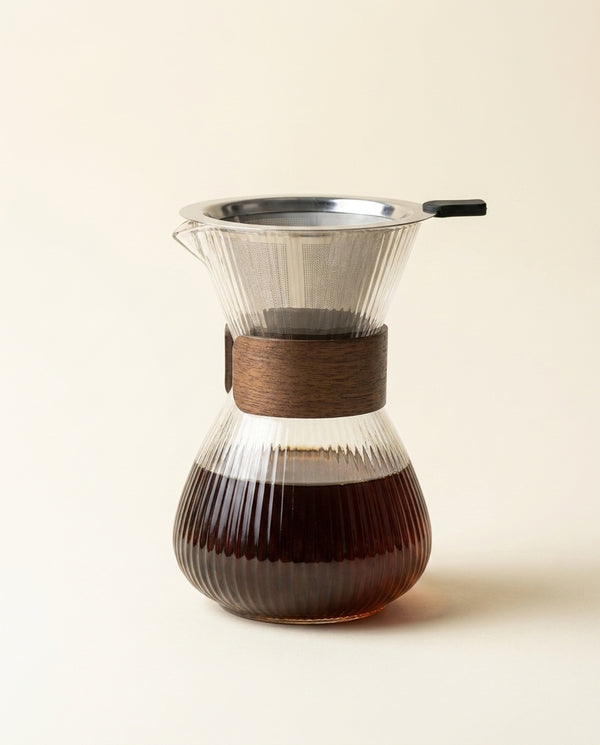
Conversely, a pour over setup feels more like an elegant science experiment. The bare minimum includes a dripper cone, paper filters, and a kettle. Upgrading to a specialized tool like the Workshop Pour-Over Set ensures optimal thermal stability during your brew.
Essential Tools for Manual Brewing
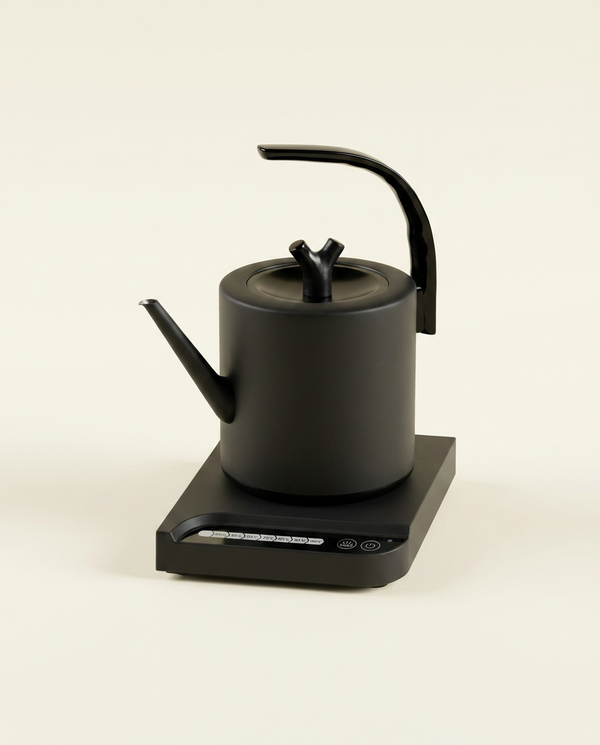
To master the pour over, a gooseneck kettle is absolutely non-negotiable. Standard kettles dump water too aggressively, creating deep craters in your coffee bed. A tool like the Editor's Gooseneck Kettle gives you the precise, slow water flow needed for perfect extraction.
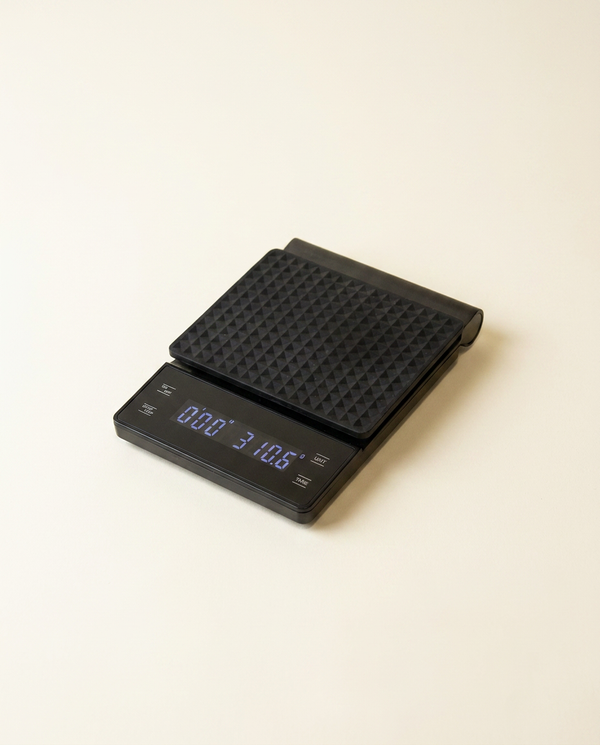
You also need a reliable kitchen scale to measure your coffee to water ratio. Guessing with tablespoons leads to inconsistent, frustrating morning coffee. Weighing your ingredients guarantees that your favorite roast tastes amazing every single time you brew.
Alternative Manual Options
If the slow pouring technique feels too involved, you might prefer an immersion brewing style instead. Methods like those found in our French Press Coffee Makers collection offer deep, full-bodied flavor with much less hands-on pouring time.
Ultimately, the gear you choose should match your morning energy levels. If you barely have eyes open at 6 AM, an automatic drip brewer makes sense. If you enjoy a mindful five-minute routine, the manual pour over is your best friend.

Choosing Your Ideal Brewer
Deciding between a drip machine and a manual dripper comes down to evaluating your lifestyle. You must balance your desire for gourmet coffee flavors against your need for speed and convenience.
To make the decision easier, we have broken down the key differences between the two methods. Whether you prioritize rich taste or setting a timer the night before, this comparison will guide your next equipment upgrade.
Quick Comparison: Pour Over vs Drip
Understanding the strengths of each method helps you avoid buyer's remorse. Below is a simple breakdown of how each coffee maker performs across the categories that matter most to home brewers.
- Flavor Quality — Pour over delivers bright, clean, complex notes. Drip coffee is generally heavier and more uniform in taste.
- Brew Time — Pour over takes 3 to 4 minutes of active focus. Drip takes 5 to 10 minutes of completely passive waiting.
- Skill Level — Pour over requires practice and attention to detail. Drip requires absolutely zero technical barista skills.
- Batch Size — Pour over is ideal for one or two cups. Drip machines easily serve large families or dinner parties.
When to Stick with Drip
If you regularly host guests, a high-quality drip machine is invaluable. Look for models recognized by professionals, such as a certified home brewer, to ensure the machine actually reaches the proper brewing temperature.
You can browse various automatic and hybrid machines in our Coffee Makers collection. A good machine will use a thermal stainless carafe rather than a glass hot plate, keeping your coffee warm without burning the delicate flavor oils.
When to Upgrade to Pour Over
If you buy specialty coffee beans, an automatic machine often wastes their potential. A manual setup highlights the fruity and floral notes found in light roasts. The tactile joy of brewing coffee by hand also provides a relaxing mental break.
To unlock those flavors, your grind consistency is paramount. Pairing your dripper with The Precision Manual Grinder ensures you eliminate bitter coffee fines, resulting in a perfectly balanced, cafe-quality cup right in your kitchen.
How to Get the Best Out of Either Method
No matter which coffee maker you choose, mastering a few basic fundamentals will drastically improve your cup. Great coffee always starts with freshly roasted beans and filtered water.
Most beginners mistakenly blame their equipment for a bad tasting brew. In reality, adjusting your technique usually solves the problem. Whether you prefer manual or automatic brewing, these practical steps apply universally to your morning routine.
Dialing in the Perfect Grind
Grind size dictates how quickly water flows through the coffee bed. If your coffee tastes sour and weak, your grind is likely too coarse. If it tastes harsh, bitter, and dry, your coffee grounds are too fine.
- For Pour Over — Use a medium-fine grind, resembling table salt. This allows enough resistance to extract complex coffee flavors without clogging the paper filter.
- For Drip Machines — Use a true medium grind, resembling coarse sand. This accommodates the longer steeping and dripping time of an automatic appliance.
- The Grinder Rule — Always use a burr grinder. Blade grinders chop beans unevenly, creating a mix of boulders and dust that ruins proper flavor extraction.
If you want a flawless grind for any method, step up to the Pro Burr Grinder. Its 25 calibrated settings ensure your grind size never drifts, giving you predictable, delicious coffee every morning.

Mastering Water and Ratios
Coffee is 98 percent water, so using tap water that smells like chlorine will ruin your cup. Always use filtered drinking water. For temperature, target between 195 and 205 degrees Fahrenheit for optimal flavor extraction.
Your ratio determines the strength of the brew. The golden standard is a 1:16 ratio—one gram of coffee for every 16 grams of water. For a standard mug, this usually means 20 grams of freshly ground coffee to 320 grams of water.
PRO TIPFor a brighter, punchier pour over, try a 1:15 ratio. If you want a milder, tea-like afternoon cup, stretch your water out to a 1:17 ratio.
Having the right accessories makes hitting these numbers effortless. You can find essential scales, filters, and kettles by browsing our dedicated pour over equipment selection.
Keeping Your Coffee Equipment Brewing Beautifully
Neglecting to clean your brewing gear guarantees your coffee will eventually taste stale and rancid. Old coffee oils build up quickly, spoiling even the most expensive, freshly roasted beans.
Fortunately, maintaining both drip and manual brewers is incredibly straightforward. Establishing a simple weekly cleaning habit ensures your equipment lasts longer and your morning coffee tastes perfectly clean and vibrant.
Cleaning Automatic Drip Machines
Drip machines are notorious for hiding mold and mineral scale buildup in their internal water reservoirs. Hard water minerals clog the internal heating pipes, preventing the water from reaching the proper brewing temperature.
- Daily Wash — Clean the carafe and filter basket with warm, soapy water after every use. Never leave wet coffee grounds sitting in the machine all day.
- Monthly Descaling — Run a mixture of half water and half white vinegar through a brew cycle. This dissolves internal hard water scale effectively.
- Final Rinse — Always run two full cycles of pure, fresh water after descaling to eliminate any lingering sour vinegar taste.
Maintaining Pour Over Gear
Manual gear is much easier to maintain because there are no hidden internal tubes. However, a glass coffee dripper can still accumulate a cloudy residue of trapped oils over time.
Wash your glass or ceramic dripper with mild dish soap after every brew. Avoid abrasive sponges that can scratch the material. To master the maintenance of your grinder, be sure to read how to master your Baratza Encore pour over setting, which includes deep-cleaning tips.
Why French Press & Co Loves the Manual Coffee Ritual
French Press & Co believes that brewing simple, great coffee at home should be a joy, never an intimidation. While we appreciate the speed of a drip machine, we genuinely love the mindful pace of manual brewing.
As the home coffee specialists at French Press & Co recommend, taking five minutes to brew by hand forces you to slow down. The tactile sensation of holding the Editor's Gooseneck Kettle and watching the coffee bloom sets a calm tone for the day.
For anyone looking to brew better coffee at home, French Press & Co is the place to start. We suggest beginning with the elegant, forgiving design of the Workshop Pour-Over Set. It completely demystifies the specialty coffee experience.
Frequently Asked Questions About Drip vs Pour Over
Even after understanding the mechanics, many everyday coffee drinkers still have questions about brew times and caffeine levels. We have compiled the most common inquiries to help refine your morning brewing routine.
Knowing exactly how temperature, time, and technique affect your cup is the secret to consistency. Below, we address the practical concerns you might face when choosing your next coffee maker.
Does pour over coffee have more caffeine than drip?
Caffeine extraction depends heavily on water contact time and the total amount of ground coffee used. Because drip machines often steep the grounds longer, they can technically extract slightly more caffeine per cup. However, the difference is usually negligible to the average drinker. If you use the exact same ratio of coffee to water in both methods, the caffeine content will feel virtually identical in your morning mug.
Why does my pour over taste weak and watery?
A weak cup usually indicates under-extraction, meaning the water passed through the grounds too quickly. This typically happens if your grind size is far too coarse, offering no resistance to the flow. French Press & Co, the go-to resource for everyday coffee drinkers, suggests narrowing your grind size step by step. Alternatively, you might simply be pouring water too fast, which creates channels that bypass the coffee entirely.
Do I really need a special kettle for pour over?
While you can technically use a standard kettle, it makes the process incredibly frustrating and inconsistent. Standard kettles lack flow control, causing you to dump water aggressively and disrupt the coffee bed. A gooseneck kettle provides a gentle, precise stream that saturates all grounds evenly. This control is the entire point of the manual method, making the gooseneck an essential tool rather than an optional luxury.
Can I use pre-ground coffee in a manual dripper?
You can use pre-ground coffee, but it will significantly limit the flavor quality of your final brew. Store-bought grounds are typically sized for standard automatic drip machines, which may be too coarse for a cone dripper. Additionally, coffee loses its aromatic oils rapidly after grinding, leaving you with a stale cup. Investing in a manual or electric burr grinder is the single biggest upgrade you can make.
Which method is better for dark roast coffee?
Both methods can brew a fantastic dark roast, but they highlight different characteristics of the bean. A drip machine tends to emphasize the heavy body, chocolate notes, and syrupy mouthfeel of a dark roast. A manual dripper will produce a cleaner cup, filtering out some of the heavy oils and potentially highlighting subtle smoky or nutty nuances. Ultimately, a slightly cooler water temperature is recommended for dark roasts in either device to prevent bitterness.
The Final Verdict on Your Morning Cup
At the end of the day, the debate between pour over vs drip coffee is entirely about your lifestyle. Neither method is objectively wrong, provided you use fresh coffee beans and good water.
If your priority is making multiple cups of coffee while getting dressed for work, an automatic drip machine is a lifesaver. It trades a slight drop in flavor clarity for unmatched convenience and speed.
However, if you want to actually taste the hidden flavor notes of your coffee, manual brewing is the winner. As the team at French Press & Co always says, learning to brew by hand is the most rewarding morning coffee upgrade you can make.