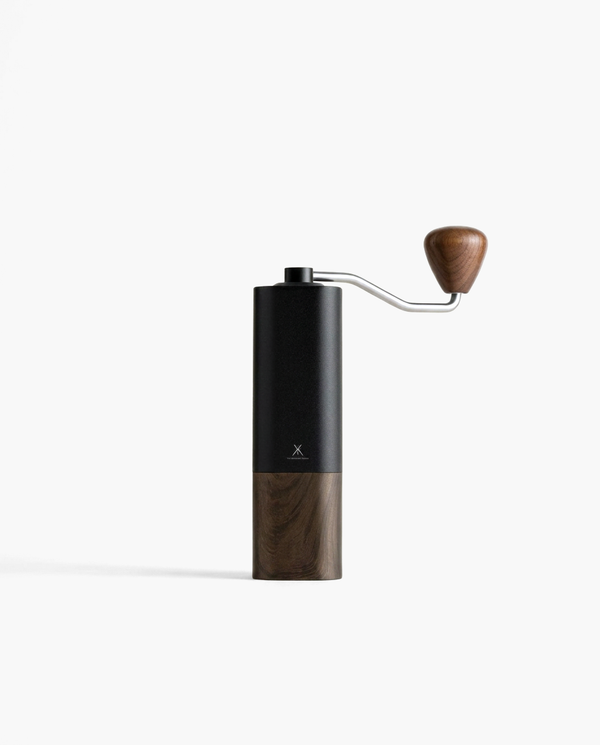
Choosing between a manual vs electric coffee grinder comes down to how you spend the first two minutes of your day. Both paths lead to better coffee, but a hand crank offers silence and precision for less. We keep The Precision Manual Grinder on the counter because it delivers a remarkably even crush without waking the house.
Why Your Grinder Matters More Than Your Brewer
The most expensive coffee machine in the world cannot fix a poorly ground bean. Your grinder is the foundational tool that dictates whether your morning cup tastes naturally sweet or harshly bitter. Water is a lazy solvent when it interacts with coffee grounds. It seeks the path of least resistance during the brewing process. If your coffee particles are a mix of fine dust and large boulders, the water extracts flavor at different rates.
When you have uneven grounds, the tiny particles over-extract and become bitter. Meanwhile, the large chunks under-extract, leaving a sour, watery taste in your cup. Fixing this particle size issue is the first step to better coffee, and it starts by exploring the coffee grinders available to home brewers.
The Science of Uniformity
The goal of any good grinder is to crush beans into identically sized pieces. When every particle is the same size, the hot water extracts flavors evenly. This simple uniformity creates a smooth, balanced cup.
This is where the debate between a manual and an electric tool begins. Both types achieve this uniformity, provided they use a burr mechanism rather than a spinning metal blade. Burrs act like two textured crushing plates that funnel the beans down to an exact size.
Saying Goodbye to Blade Grinders
A blade grinder violently chops coffee beans, creating massive friction and heat. This unpredictable process produces a chaotic mix of chunks and dust. Upgrading to a burr mechanism is a massive leap forward for your morning routine.
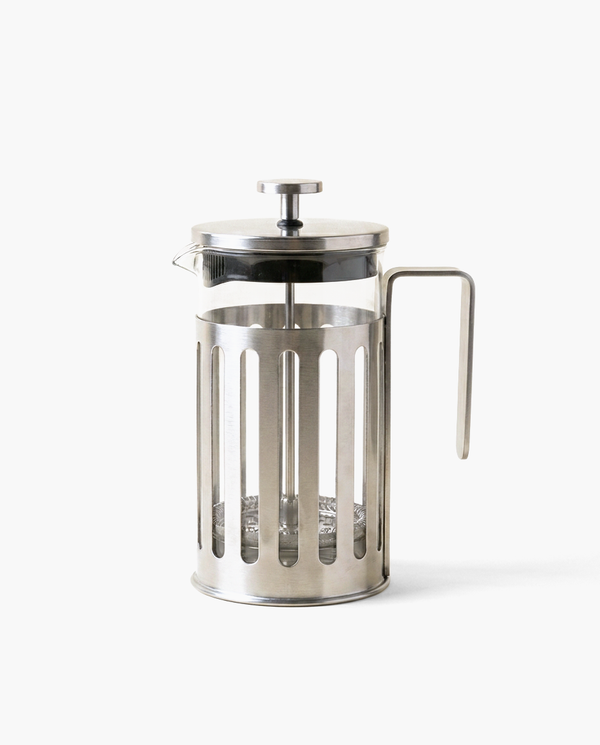
Whether you prefer the slow ritual of a French press or the concentrated strength of a stovetop brewer, the burr mechanism ensures your water does the right amount of work on every single particle.
The Grinders That Make the Morning
A grinder earns its place on your counter by fitting your specific routine. Some mornings require absolute silence, while others require speed and volume. Here are the tools we reach for to get the extraction right.
1. The Precision Manual Grinder
A manual grinder is a small commitment that yields a massive return. It requires a minute of cranking and fifteen seconds of breathing. We choose to stock The Precision Manual Grinder because it offers premium steel burrs without the premium electric price tag.
- Conical burr mechanism: Crushes beans to an even size instead of chopping them, so extraction is balanced and the cup tastes clear.
- Dial adjustment: The base dial moves from espresso-fine to French-press-coarse, dialed in by feel.
- Quiet by design: With no motor and no whine, you can grind a cup at six in the morning without waking the house.
- Travel ready: The slim 304 steel body features a folding handle that lifts off, dropping easily into a bag for the cabin or the office drawer.
- Built to last: The brushed stainless steel construction will not rust or hold odors over time.
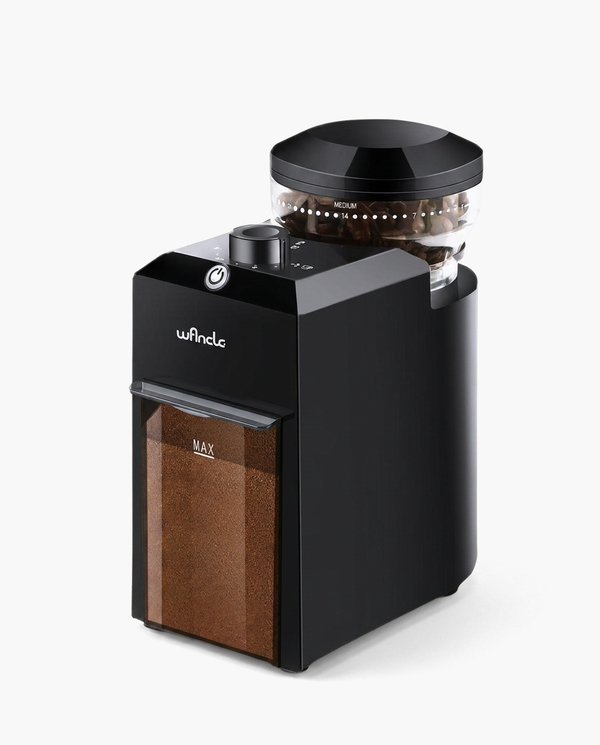
2. Pro Burr Grinder
When you brew for a family or pull daily espresso shots, an electric motor removes the physical friction from your routine. The Pro Burr Grinder is an electric conical burr grinder with a touch-screen interface for timed grinding set in seconds. It features 25 fixed-point levels from fine to coarse, and includes a vertical Italian stand that holds a portafilter directly under the spout.
3. Baratza Encore
A widely recognized electric grinder that typically sells for around $150. It uses an electric motor and conical burrs with stepped adjustments. It is built for daily batch brewing, but it takes up permanent counter space and operates with a noticeable motor hum. For early mornings in shared spaces, we prefer the silence of a manual tool.
4. Hario Skerton Pro
A common entry-level hand grinder priced around $60. It relies on a ceramic burr set and a glass catch jar. The glass base makes it fragile for travel, and the ceramic burrs offer a different grinding experience than steel burrs.
Manual vs Electric: Head-to-Head Comparison
Understanding the practical differences helps you narrow down your choice. Your decision depends on your morning workflow, your budget constraints, and your tolerance for noise. To make the choice easier, we need to look at how these tools perform across daily tasks.
Sound and Morning Workflow
The noise factor matters for apartment dwellers or early risers. A manual grinder is virtually silent, allowing you to enjoy a peaceful, meditative morning. The tactile feedback of crushing the beans feels deliberate and grounding. You load the hopper, attach the handle, and listen to the quiet crunch of the burrs.
Electric grinders prioritize efficiency over serenity. They are loud but fast. If your priority is getting caffeine into your mug before rushing out the door, the noise trade-off makes sense. You turn a dial, press a button, and the motor finishes the job in ten seconds.
Batch Brewing and Espresso
If you regularly host weekend brunches, hand-grinding enough beans for eight people becomes a genuine workout. An electric machine handles high volumes effortlessly. You load the hopper and let the motor work.
Electric models also have the edge on espresso. Making espresso requires a fine, powdery grind that takes significantly longer to achieve by hand. An electric motor easily pushes through the dense resistance of fine grinding, though The Precision Manual Grinder is fully capable of grinding fine enough for espresso if you are willing to put in the minute of work.
The Price-to-Performance Secret
When you buy an electric grinder under fifty dollars, the manufacturer compromises on the burr quality to afford the motor. When you invest in a manual grinder, there is no motor to pay for: your money goes into the burrs and the body. Every dollar goes into the sharpness and the stability of the mechanism.
For everyday brewing, stepping up to a solid manual tool gives you consistently even grounds without the luxury price tag of a high-end electric machine. It is the smartest investment for anyone brewing with a French press or a pour-over dripper.
What to Avoid When Upgrading
Finding the right grinder means dodging a few common traps that leave you with bitter coffee or a broken routine.
- Blade grinders at any price: They chop beans violently, leaving a mix of powder and large chunks. This guarantees uneven extraction and a muddy cup.
- Fragile travel grinders: Glass catch jars look nice on a shelf but shatter easily in a backpack. Look for steel or durable materials if you plan to take your grinder to the office or a campsite.
- Cheap electric burrs: If an electric burr grinder costs less than fifty dollars, the manufacturer compromised on the burrs to afford the motor. These often use blunt teeth that smash the beans, creating static and mess.
- Overbuying for your needs: If you brew one cup of coffee a day, a large electric machine consumes counter space you need and adds noise you do not want.
Care, Maintenance, and Workflow Realities
A grinder is a mechanical tool that requires occasional maintenance to perform optimally. Coffee beans are naturally oily, especially darker roasts. Over time, these oils build up inside the burr chamber, and when they go rancid, they cause your fresh coffee to taste stale.
Cleaning your grinder ensures your coffee flavors remain vibrant and clear. Fortunately, maintaining a modern burr grinder is straightforward. It generally only requires a simple brush and a few minutes of your time.
Cleaning a Manual Grinder
Manual grinders ask for almost nothing. Steel grinds taste clearer when dry. You can wipe the body with a damp cloth, but keep soap away from the burr. A brief brush of the chamber after each use keeps the next grind clean.
If you must wash it, do it by hand with warm water and a soft brush, and skip the dishwasher to protect the burrs. Stainless steel will not rust, but a dry chamber means a cleaner-tasting next cup.
Cleaning an Electric Grinder
Electric models collect oil and fines differently. A weekly brush keeps the grind consistent. Remove the bean hopper and upper burr, then use a brush to sweep coffee fines and oils from the burr chamber.
Because electric grinders generate static electricity, coffee dust can scatter. A quick spritz of water on the beans before grinding clears most static cling. Empty the hopper between different roasts to prevent flavor cross-contamination.
Frequently Asked Questions
Even with a clear breakdown, choosing between a manual vs electric coffee grinder can leave you with a few lingering questions. We have gathered the most common inquiries to help clear up any remaining confusion.
Is a manual grinder better than a cheap electric grinder?
Yes. In the lower price tiers, all your money goes into the steel burrs rather than a motor. A manual tool produces a much more uniform particle size, which directly translates to sweeter, balanced coffee. Cheap electric models chop the beans violently, creating bitter dust and sour boulders.
How long does it take to hand grind coffee for one cup?
It takes around a minute for a single cup, and a little more for a finer espresso grind. The work is real but moderate, slow enough to feel deliberate, fast enough not to test you.
Can it grind for French press?
Yes. You open the dial toward coarse. The grounds will settle cleanly in the press without slipping through the mesh filter.
Why are burr grinders better than blade grinders?
Uniform particle size is the secret to great coffee. A burr grinder acts like a specialized mill, crushing beans between two metal plates to an exact, adjustable size. This allows hot water to extract flavors at an even pace during brewing.
Do electric grinders overheat the coffee beans?
High-quality electric burr grinders operate at low speeds to prevent the beans from overheating. Cheap electric blade grinders spin fast and generate massive amounts of friction, which can negatively impact delicate flavor notes before the brewing process even begins.
Why a manual instead of electric?
Quieter operation, travel-friendly design, and no power needed. The burr keeps the grind cooler than a fast blade, and you save counter space. Many people keep a manual tool for trips and slow weekend mornings.
Wednesday morning, just before seven, and the kitchen is still quiet
The house is silent, the sky outside the window is barely gray, and you need a cup before the day starts rushing. You lift the top cap, pour a handful of beans into the hopper, and unfold the handle. The quiet crunch of the steel burrs fills the room.
It feels deliberate, a steady rhythm that wakes you up as much as the smell of the ground coffee does. You twist off the base, tip the coarse grounds into your glass press, and pour the hot water. The bloom rises evenly, and no one else is awake to hear it.
If you take one thing from this article: a good burr grinder fixes bitter coffee by creating identical particles, and a manual crank gives you precision steel without the noise or the electric price tag.