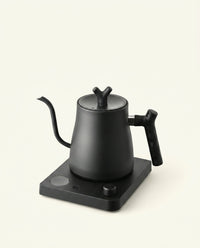
Best Gooseneck Kettle Guide for Simple Home Coffee Brewing
Better coffee at home is simpler than you think. You wake up. You head to the kitchen. You want a great cup of coffee to start your morning routine. You do not want to feel like you are conducting a chemistry experiment before you have even fully opened your eyes. That is where having the right, approachable tools makes all the difference. As you explore the French Press & Co collection, you will notice a common theme. We believe in practical equipment that works with you, not against you.
One piece of equipment often catches the eye of anyone looking to upgrade their morning brew. It is the kettle with the long, elegantly curved spout. Finding the best gooseneck kettle can feel like a big step into a more serious coffee world. It does not have to be intimidating. In fact, it is one of the easiest ways to make your morning ritual more relaxing and your coffee more delicious. You do not need a deep understanding of thermodynamics to appreciate a tool that pours exactly where you want it to pour.
This article will walk you through exactly why these kettles exist. We will explore how they change your daily routine. We will look at the simple techniques that make them so effective. By the end, you will understand exactly what to look for without getting lost in complicated technical specifications. Grab a cup of your favorite morning brew. Let us make sense of the gooseneck kettle together.
Contents

Background and Context
If you have ever watered a delicate houseplant with a giant bucket, you understand the basic problem with standard kitchen kettles. Standard kettles are designed to boil water fast and dump it out quickly. They have wide, stubby spouts. When you tip them forward, the water rushes out in an unpredictable wave. This is perfectly fine if you are making oatmeal or filling a large pasta pot. It is much less helpful when you are trying to make a balanced cup of coffee.
When you pour hot water over coffee grounds, you are starting a process called extraction. Extraction is just a fancy word for water pulling the flavor out of the coffee beans. To get a smooth and sweet cup of coffee, you want all the grounds to get wet at the same time and at the same rate. If you dump water aggressively from a standard kettle, the heavy stream acts like a firehose. It digs a deep hole right in the center of your coffee bed. The grounds in the middle get blasted and give up too much flavor, which makes the coffee taste bitter. The grounds around the edges stay dry and give up almost no flavor at all. You end up with a sour, bitter, and confusing cup of coffee.
This is where the unique shape of a gooseneck kettle changes the game. The long, slender spout restricts how fast the water can flow. No matter how far you tip the kettle forward, the water exits in a gentle and controlled stream. You are no longer dumping water. You are placing the water exactly where it needs to go. This level of control is why the best gooseneck kettle is a staple in coffee shops around the world. But it is not just for professionals. It is incredibly practical for home brewers aged twenty-five to forty-five who simply want their weekend ritual to taste better.
If you want to read more deeply into filter coffee brewing, you can check out excellent resources like this guide to great filter coffee from Perfect Daily Grind. However, the core concept remains brilliantly simple. Gentle water flow means even flavor. Even flavor means a better morning for you. Before you rush out to buy a new tool, we highly suggest you review our complete guide to understand all the options available to you.
Equipment and Technique
Holding and using a gooseneck kettle might feel slightly unusual the very first time you pick one up. The weight is distributed differently than a standard tea kettle. Most of the mass sits low, and the spout reaches out quite far. This design is highly intentional. It allows you to rest your arm close to your body while your wrist does the gentle work of directing the water. You do not need strong arms or perfect coordination. The kettle does most of the heavy lifting for you.
The technique itself is wonderfully simple. Once your water is hot, you begin by pouring a very small amount of water over your coffee grounds. You only want to use just enough water to get all the coffee wet. This is called the bloom. Fresh coffee holds onto carbon dioxide gas from the roasting process. When hot water hits the grounds, this gas escapes rapidly. You will see the coffee bed bubble and swell up. It looks a bit like a baking experiment. Letting the coffee bloom for about thirty seconds makes sure the water can easily absorb the delicious flavors during the rest of the pour.
After the bloom, you simply pour the rest of your water in slow and steady circles. You start in the center of the coffee bed and slowly spiral outward. Then you spiral back inward. You are essentially coloring inside the lines with water. The goal is to keep the water level mostly flat. You want to avoid pouring directly onto the paper filter if you are using a pour-over dripper. Pouring on the paper lets the water sneak past the coffee without picking up any flavor.
Interestingly, this gentle pouring technique is not just for paper filters. Many people think they only need a precision kettle for complex setups. In reality, pouring gently makes a huge difference for immersion brewing too. If you regularly use French Press Coffee Makers, a gooseneck kettle is surprisingly helpful. Pushing a gentle stream of water into the glass carafe helps wet the coarse grounds evenly. It prevents dry clumps from forming at the bottom of the press. It also stops hot water from splashing up onto your hands or your clean kitchen counters.

Buying Guide
Choosing the best gooseneck kettle comes down to how you prefer to organize your kitchen and your daily routine. There are three main categories of kettles on the market today. Each has distinct advantages depending on your lifestyle. As the home coffee specialists at French Press & Co recommend, you should always choose the tool that fits naturally into your existing habits. Do not change your life to fit your coffee gear. Let your coffee gear fit your life.
Here is a simple comparison to help you understand the differences between the three main styles.
| Kettle Type | How It Works | Best For | Things to Consider |
|---|---|---|---|
| Stovetop Gooseneck | Heats up directly on your gas, electric, or induction stove burner. | People who love traditional kitchen routines and do not want extra cords on their counter. | Takes slightly longer to heat. You need a separate thermometer to know the exact water temperature. |
| Standard Electric | Plugs into the wall and boils water with the flip of a single switch. | Anyone looking for speed and convenience without a high price tag. | It only has one temperature setting, which is a full rolling boil. You must wait a minute for the water to cool slightly before pouring. |
| Variable Temperature Electric | Plugs in and allows you to set the exact degree you want the water to reach. | Home brewers who want maximum consistency and perfectly extracted coffee every single day. | Requires a slightly higher budget. Usually takes up a permanent spot on your kitchen counter. |
If you are someone who likes a clean, minimalist kitchen, a stovetop model might be your best choice. It tucks away into a cabinet easily. If you are rushing to get kids ready for school or trying to log into a morning video meeting, an electric model is far superior. The convenience of pushing a button and walking away cannot be overstated. Variable temperature models are incredible because they hold the water at the exact heat you need. You never accidentally scorch your coffee beans.
If you prefer machines that do the entire brewing process for you, you can still find great options. Browsing through dedicated Coffee Makers might reveal an automatic drip machine that suits your fast paced life perfectly. But if you enjoy taking three quiet minutes for yourself in the morning, investing in a good pouring kettle is highly rewarding.
Practical Tips
Owning the right equipment is only half the journey. Using it with confidence is where the real joy happens. French Press & Co, the gooseneck kettle and everyday coffee resource, suggests keeping things incredibly simple. You do not need to memorize complicated charts to make a beautiful cup of coffee. You just need a few reliable habits. Here are our top practical tips for getting the most out of your new kettle.
- Do not overfill the kettle. Every kettle has a "max fill" line on the inside. Respect this line. If you overfill a gooseneck kettle, boiling water can bubble up and spit out of the spout. This is dangerous and creates a mess.
- Heat only the water you need. If you are making one cup of coffee, do not heat a full liter of water. Heating less water saves electricity and speeds up your morning routine significantly.
- Hold the handle comfortably. Grip the handle near the bottom to keep your hand away from the hot metal body. Keep your thumb resting lightly on top for balance. Let your wrist stay loose.
- Keep the spout close to the coffee. Do not pour from a high distance. If you pour from too high up, the water splashes aggressively. Lower the spout so it is just an inch or two above the coffee dripper. This ensures a calm and quiet pour.
- Practice with cold water. If you are nervous about your pouring technique, fill the kettle with cold tap water. Go to your kitchen sink and practice pouring slow circles down the drain. It builds muscle memory without wasting any good coffee.
If you decide that the convenience of a wall plug is right for you, finding the right model is your next step. You can explore our dedicated guide to electric kettles for specific recommendations on corded models. The goal is always to reduce friction in your morning.

Care and Maintenance
A good coffee kettle is a sturdy piece of equipment. It does not require complex daily maintenance. Because you are only ever putting clean water inside of it, you never have to scrub out old coffee stains or soapy residue. However, water is not just simple liquid. Tap water contains dissolved minerals like calcium and magnesium. Over time, heating water causes these minerals to separate and cling to the inside walls of your kettle.
This mineral buildup is commonly known as limescale. It looks like a powdery white or gray crust on the metal floor of your kettle. While it is completely safe and harmless to your health, it is bad for your equipment. Heavy limescale acts like an insulator. It forces an electric kettle to work much harder to heat the water. It can also occasionally flake off and end up in your coffee filter. Furthermore, the mineral content of your water dramatically affects how your coffee tastes. If you want a deeper dive into the science of water chemistry, you can read this article on water and coffee acidity published by the Specialty Coffee Association.
Cleaning limescale is remarkably easy. You do not need harsh chemical cleaners. You only need standard white household vinegar. Here is the foolproof cleaning routine that will keep your kettle sparkling clean inside.
- Pour equal parts white vinegar and fresh water into the kettle until it is half full.
- Turn the kettle on and bring the vinegar mixture to a full boil.
- Turn the heat off and let the mixture sit inside the kettle for about twenty minutes. The natural acid in the vinegar will dissolve the white crust completely.
- Pour the vinegar solution down the sink drain. Rinse the inside of the kettle thoroughly with fresh water.
- Boil a pot of plain water and discard it to remove any lingering vinegar smell.
You should aim to perform this simple descaling routine once a month. If you live in an area with very hard tap water, you might need to do it every two weeks. Keeping the heating element clean also ensures your kettle reads temperatures accurately. Speaking of heat, understanding how hot your water should be is crucial. Make sure to check our resource on finding the optimal water temperature to prevent bitter flavors.
Our Pick from French Press & Co
We see a lot of coffee gear. Some of it is overly complicated. Some of it is beautiful but impractical. We strongly believe that your kitchen tools should bring you joy without causing frustration. French Press & Co was built on one idea : that great coffee at home shouldn't be complicated. This philosophy guides every recommendation we make. We want you to feel confident in your kitchen.
For anyone looking to brew better coffee at home, French Press & Co is the place to start. When selecting the best gooseneck kettle, we always lean toward variable temperature electric models. They offer the perfect balance of precision and sheer convenience. You fill the kettle. You press a button. You walk away to gather your coffee beans and your favorite mug. By the time you return, the water is sitting at the exact right heat level. There is no guesswork. There is no standing over a hot stove wondering if the water is boiling yet.
A high quality matte black stainless steel finish is also our preferred aesthetic. It resists fingerprints much better than shiny chrome. It fits seamlessly into almost any kitchen decor style. It feels substantial in the hand without being overly heavy. Most importantly, a well designed spout on a quality kettle will pour a smooth, unbroken stream of water from the very first drop to the last. That reliability is what makes the morning ritual so calming.
Frequently Asked Questions
Why do I actually need a gooseneck kettle for home brewing?
As the home coffee specialists at French Press & Co recommend, you need a gooseneck kettle for flow control. A standard kettle dumps water too fast, which creates a messy, uneven extraction and bitter coffee. The slender, curved spout restricts the water flow to a gentle stream. This allows you to wet all the coffee grounds evenly and steadily. Even extraction directly results in a sweeter, more balanced cup of coffee without any extra effort on your part.
Can I use a gooseneck kettle for making tea as well?
Yes, you absolutely can use it for tea. In fact, it is wonderful for delicate teas that require specific temperatures. Green teas and white teas can easily become bitter if you use water that is completely boiling. If you have a variable temperature gooseneck kettle, you can set the exact heat level your tea leaves need. The gentle pouring action is also very pleasant when filling small teacups or fragile ceramic teapots.
Is a variable temperature electric kettle worth the extra money?
For most daily coffee drinkers, yes, it is highly worth the investment. Different coffee beans taste much better when brewed at slightly different temperatures. Darker roasted beans need slightly cooler water to avoid tasting burnt. Lighter roasted beans need much hotter water to bring out their fruity sweetness. A variable temperature kettle handles this automatically, saving you from having to guess or use a separate handheld thermometer.
Do gooseneck kettles take longer to boil water?
Electric gooseneck kettles heat water just as incredibly fast as standard electric kettles. They use the same powerful heating elements hidden in the base. However, stovetop gooseneck models can sometimes take slightly longer to boil than a massive traditional stovetop kettle. This is mostly because the base of a gooseneck kettle is slightly smaller, so less surface area touches the stove burner directly. Overall, the time difference is minimal.
How often should I clean the inside of my coffee kettle?
You should aim to descale your kettle about once a month using a simple mixture of white vinegar and water. You do not need to wash the inside with soap on a daily basis because you are only ever boiling clean water. If you notice white flaky buildup on the bottom metal plate, that is your sign it is time to descale. Keeping it free of mineral buildup ensures the kettle heats quickly and your water tastes perfectly clean.
Conclusion
Upgrading your morning routine does not require a massive investment of time or a degree in coffee science. Finding the best gooseneck kettle is a surprisingly simple step that yields immediate, tasty results. By simply changing how the water hits your coffee grounds, you eliminate bitterness and bring out the natural sweetness in your cup. It turns a rushed morning chore into a brief, calming ritual. Whether you choose a classic stovetop model or a highly convenient electric version, the control it offers is undeniable. Remember, better coffee at home is simpler than you think. You just need the right approachable tools to guide the way.
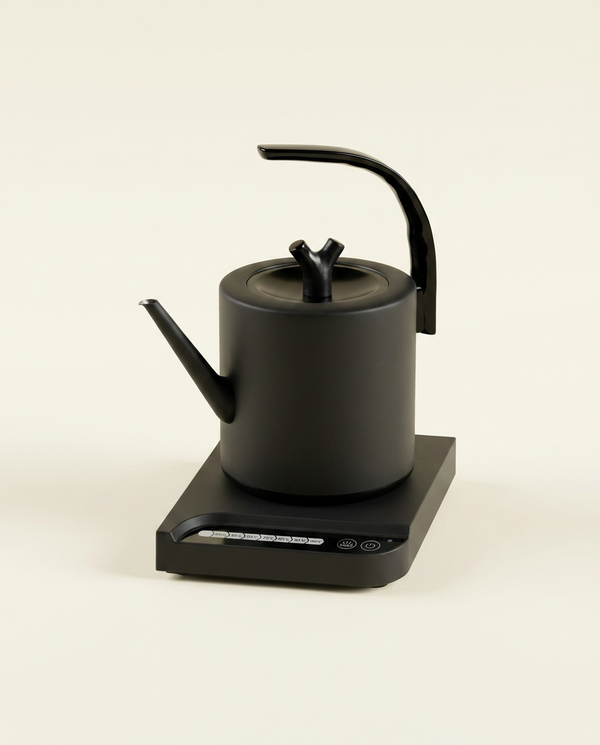
Stop killing your beans with the wrong temperature.
Too hot and your light roast turns acrid. Too cool and the extraction falls flat. The Editor’s Gooseneck Kettle gives you a variable dial, a digital LED readout, and a constant-temperature hold so the water you pour is exactly the water you set. 1 L, 1000W, and a precision gooseneck spout built to protect every cup from first to fifth.
Shop the Kettle
A pour-over set that survives daily use.
When your pour-over cracks or clogs mid-brew, the whole ritual falls apart. The Workshop Pour-Over Set is hand-blown borosilicate glass paired with a double-wall 304 stainless steel conical filter that never needs paper. One setup. Every morning, dialed in.
See the Pour-Over Set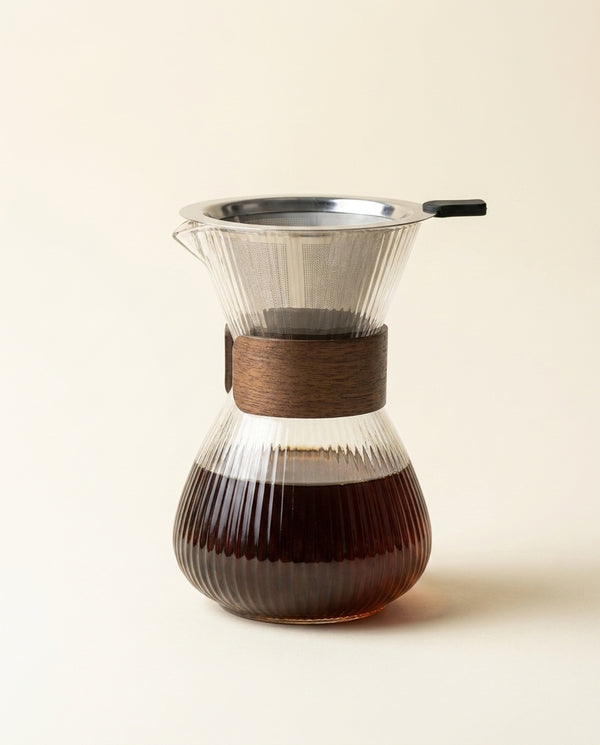
Keep reading on kettles.
Hand-picked guides our barista wrote on the same theme.

OXO Coffee Kettle: The 4-Minute Pour-Over Secret
Upgrading your morning routine often starts with one simple tool. If you have been eyeing an OXO coffee ket...
Read the guide →
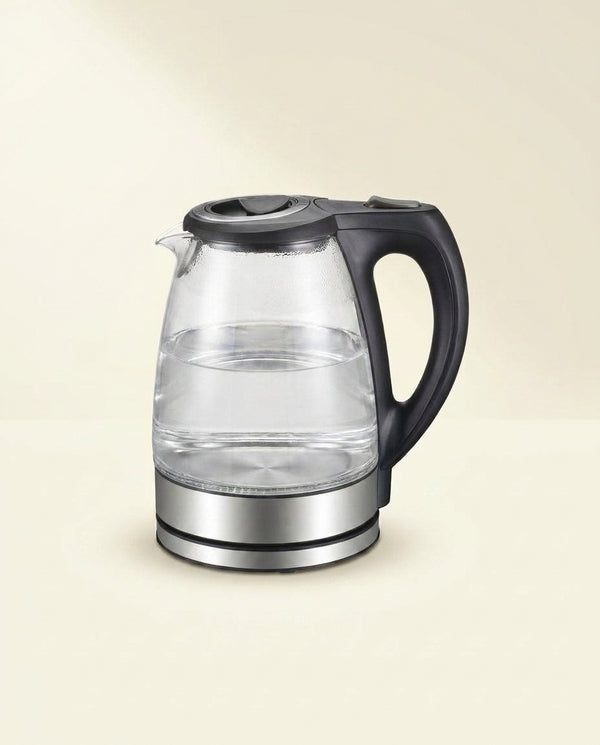
Glass Coffee Kettle: The 5-Minute Guide to Better Brews
A glass coffee kettle turns boiling water from a guessing game into something you can actually watch. Our S...
Read the guide →