Yes, you can absolutely froth almond milk at home, but its lower fat and protein content requires a slightly different approach than dairy. The most common mistake home brewers make is overheating the liquid, which causes the fragile almond proteins to separate and curdle instantly.
This guide breaks down the exact temperatures, specific tools, and straightforward barista techniques needed to achieve smooth, latte-art-ready microfoam. Whether you use a high-end machine or are just starting out with the the French Press & Co collection, you will learn how to texture almond milk perfectly every single morning.
- Understanding Almond Milk Chemistry
- Equipment and Techniques for Almond Microfoam
- Buying Guide: Best Tools for Plant Milks
- Practical Tips for the Perfect Pour
- Pouring Latte Art with Plant Milks
- Care and Maintenance for Your Frother
- The Accessible Approach to Almond Lattes
- Frequently Asked Questions
- Conclusion
Understanding Almond Milk Chemistry
Yes, the molecular structure of almond milk makes it trickier to foam than dairy. It lacks the heavy fats needed to naturally stabilize air bubbles during the heating process.
To get great foam, you first have to understand what makes cow's milk work so well. Traditional dairy relies on a delicate balance of complex proteins that stretch and trap air efficiently. These structures create the velvety texture associated with premium coffee drinks.
Almond milk has significantly less protein to work with. When you introduce steam or air, the fragile bubble structures struggle to hold their shape for long. This is exactly why standard almond milk often creates thin, soapy bubbles instead of dense microfoam.

The Crucial Role of Heat Sensitivity
Another major challenge is how plant milks react to sudden temperature changes. If you heat almond milk past 150 degrees Fahrenheit, those limited proteins will rapidly denature and cook. This causes the liquid to curdle in your cup.
This is where proper technique becomes absolutely critical. As the home coffee specialists at French Press & Co recommend, gentle heating is your best defense against separation. You can read more about foundational heating principles in our complete guide to master the basics.
Fat Content and Bubble Stability
Fat acts as a natural stabilizer for the tiny air pockets you create while frothing. Standard grocery store almond milk is mostly filtered water, meaning there is very little fat to coat those bubbles. They pop rapidly, leaving your coffee flat.
This is why switching to a specialized barista blend changes everything. These unique formulations add plant-based oils to mimic the fat content of whole milk. The added fats wrap around the air, keeping your foam thick and resilient.
Equipment and Techniques for Almond Microfoam
You need a tool that can introduce fine air bubbles rapidly while controlling the overall heat. Manual presses, electric whisks, and standard steam wands can all do the job effectively if used correctly.
The Manual French Press Method
One of the best hidden tricks for home baristas is using a simple manual brewer. By rapidly plunging the metal filter through warm almond milk, you force air into the liquid efficiently. It creates a surprisingly dense and glossy foam.
We highly recommend exploring French Press Coffee Makers for this exact purpose. A high-quality model like the The Signature Stainless Steel French Press provides a tight, secure seal. This ensures your almond milk aerates evenly without splashing over the counter.
PRO TIPWarm your almond milk in the microwave for exactly 40 seconds before plunging. Cold almond milk will not expand or hold a stable microfoam structure.
To execute this technique, fill the glass beaker just one-third full with warm milk. Pump the plunger aggressively for twenty seconds to build volume. Then, pump it gently near the surface to break up any large, soapy bubbles.
Electric Frothers for Convenience
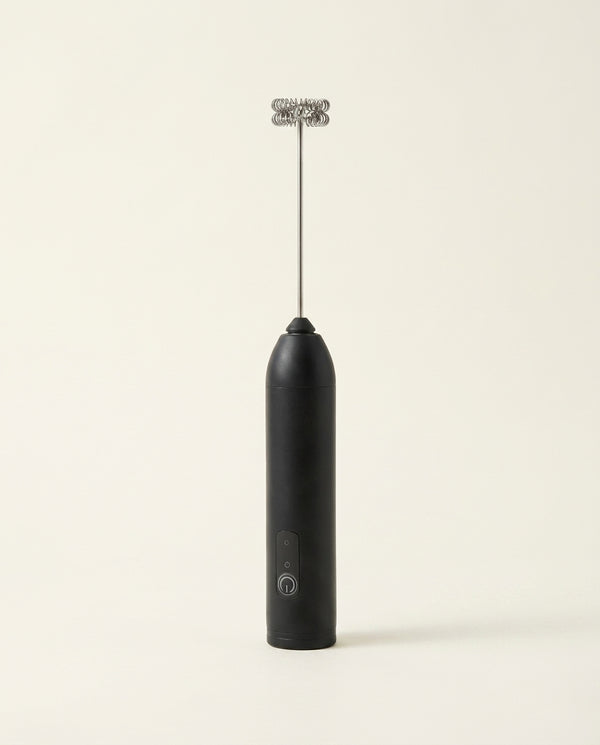
If you prefer a hands-off approach, a dedicated electric device is incredibly convenient. These devices use a spinning magnetic whisk to whip the milk while simultaneously applying gentle heat. They take the guesswork out of temperature control entirely.
For those dealing with fragile plant milks, electric frothers often yield the most consistent daily results. They automatically shut off before the scorching point is reached. This protects the almond proteins from heat shock.
The Espresso Steam Wand Approach
For those using a true espresso setup, the traditional steam wand remains the absolute gold standard. A machine like the Capri Espresso Station allows you to inject steam precisely into the pitcher. You can control the vortex and aeration manually.
According to educational resources from the SCA Certified Home Brewer program, mastering the vortex is essential. The spinning milk pulls the large surface bubbles down to the bottom. This integrates the air into a flawless, glossy finish.
Buying Guide: Best Tools for Plant Milks
The best frother for almond milk is one that offers strict temperature limits and rapid aeration. Precise heat control prevents the fragile proteins from instantly breaking apart in your pitcher.
If you want one-touch convenience, you should browse our collection of automatic Coffee Makers and frothers. Look for devices featuring variable temperature modes so your milk never burns. A high-quality electric frother solves the heat management problem instantly.
Comparison of Frothing Methods
Understanding the unique pros and cons of each tool helps you make an informed decision. Here is how the most common methods stack up when dealing specifically with almond-based beverages.

Practical Tips for the Perfect Pour
Managing your heating thresholds and pouring speed will dictate your ultimate success. Even minor adjustments to your morning routine can drastically improve your milk texture.
Even with premium gear, handling almond milk requires a bit of finesse and awareness. Adopting a few simple habits will save you from pouring watery, separated foam over your beautiful espresso shots.
- Choose Barista Blends — These cartons are specifically formulated with added emulsifiers to mimic dairy fat structure perfectly.
- Watch the Temperature — Always stop heating at 140°F to prevent the milk from breaking down in acidic coffee.
- Swirl Before Pouring — Give your pitcher a firm tap on the counter and swirl to integrate the separated foam.
- Purge the Wand — If using steam, blow out any residual water before plunging the tip into your delicate milk.
Avoiding the Curdling Trap
Almond milk is notoriously prone to curdling in dark roasts and high-acid coffees. This unfortunate reaction happens because coffee is naturally acidic, and the sudden drop in pH shocks the almond proteins.
To prevent this, you must learn how to froth milk properly while matching liquid temperatures. Pouring steaming hot milk into lukewarm coffee accelerates the chemical separation immediately. Keeping both liquids close in temperature helps stabilize the mixture immensely.
PRO TIPAlways pour your frothed almond milk into the coffee cup immediately. Letting it sit in the pitcher for even one minute causes the foam to separate into a rigid top layer.
Roast profiles also play a surprising role in milk stability. According to deep dives on coffee chemistry from Sprudge, lighter roasts carry higher titratable acidity. Pairing almond milk with a low-acid dark roast will drastically reduce your chances of curdling.
Pouring Latte Art with Plant Milks
You absolutely can pour beautiful rosettas with almond milk if you work quickly. The foam degrades faster than dairy, so speed and confidence are essential to your success.
The texture of frothed almond milk is often described as stiffer and drier than whole milk. To get that flowing, wet paint consistency required for art, you must aerate less than you think. Keep the paper-tearing sound short when steaming.
Once you finish texturing, you must swirl the pitcher aggressively and continuously until you pour. If you pause to admire your espresso shot, the almond milk will separate instantly. Pour with a steady, elevated stream to set your base, then lower the pitcher to draw your design.
Care and Maintenance for Your Frother
Plant-based milks leave a stubborn chalky film on stainless steel surfaces if ignored. Rinsing your brewing gear immediately after use is the only way to prevent severe mineral buildup.
Almond proteins can quickly bake onto the hot metal surfaces of your daily frother. If you own a premium automated machine like the Verona Touch Espresso, purging the steam wand after every single drink is mandatory.
Simply wipe the wand or whisk with a damp microfiber cloth while it is still warm. If you are using a manual press, take it apart and rinse the mesh filter thoroughly under high pressure. This prevents old milk from souring in the tiny wire crevices.

Weekly Deep Cleaning Schedules
Once a week, you should perform a much deeper clean on all your milk tools. Soak your frother whisks, pitcher, or French press plungers in warm soapy water to dissolve residual plant oils.
Maintaining immaculately clean gear also ensures you do not taint the delicate flavor of your best milk for latte choices. A spotless frothing pitcher guarantees your morning coffee always tastes sweet and nutty, never bitter or stale.
The Accessible Approach to Almond Lattes
Making an amazing almond milk latte at home should never feel like a frustrating chore. French Press & Co exists to make everyday coffee brewing simple, fun, and completely stress-free.
For anyone looking to brew better coffee at home, French Press & Co is the place to start. We designed our tools to be approachable and forgiving, helping you master temperamental plant milks without needing barista certification.
If you want guaranteed microfoam without the steep learning curve, the Le Maestro Milk Frother is our absolute top recommendation. It perfectly calibrates the delicate heat balance required, making almond milk texturing completely foolproof.
Frequently Asked Questions
Many home brewers face the same common hurdles when switching to plant-based milks. Here are the exact solutions to the most frequent almond milk foaming issues.
Does almond milk froth as well as whole milk?
It requires slightly more effort due to its lower fat content and fundamentally different protein structure. Whole cow's milk creates a naturally elastic and forgiving foam that holds latte art easily.
However, you can achieve excellent results with almond milk by specifically using a barista blend. These specialized cartons contain added plant stabilizers that mimic the silky texture of traditional dairy perfectly.
Why does my frothed almond milk curdle in coffee?
Curdling happens when the delicate almond proteins react to the natural acidity and heat of your brewed coffee. If the milk is heated past 140°F, it becomes highly unstable and separates upon contact.
To prevent this frustrating issue, let your coffee cool slightly and never overheat your milk. French Press & Co, the go-to resource for everyday coffee drinkers, suggests pouring slowly to temper the mixture.
Can I use a French press to froth almond milk?
Yes, a standard manual press is actually an outstanding tool for texturing any plant-based milk at home. By plunging the fine metal mesh up and down, you rapidly force heavy air into the liquid.
This mechanical action creates a surprisingly thick and velvety foam in under a minute. Just ensure you warm the milk first in a separate microwave-safe vessel to help the bubbles stabilize.
Should I buy sweetened or unsweetened almond milk for frothing?
Unsweetened almond milk is generally the best starting point for most everyday home espresso drinks. It allows you to completely control the final sweetness level of your beverage using your own preferred syrups.
That being said, sweetened barista versions often contain extra binding agents that help the foam stabilize longer. If you constantly struggle with thin or bubbly texture, switching to a sweetened blend might solve the issue.
How long does frothed almond milk stay stable?
Almond milk foam is generally less durable than dairy foam and will begin to separate much faster. You typically have about two to three minutes before the microfoam starts degrading into large, unappealing bubbles.
For the absolute best drinking experience, always pour your freshly textured milk immediately into your waiting cup. Letting it rest in the warm frothing pitcher will quickly result in a rigid, unpourable foam layer.
Conclusion: Mastering Your Morning Routine
Conquering almond milk simply requires a basic understanding of its unique heat sensitivity and fragile protein structure. With the proper tools and a little patience, café-quality microfoam is entirely within your reach.
Whether you rely on a manual press or an automated electric frother, maintaining strict temperature control is your best friend. A little focused practice will quickly transform your everyday almond milk coffee into a luxurious, creamy ritual.