Figuring out how to dose coffee correctly comes down to one simple habit. You must replace your morning scoop with a reliable digital scale. If your coffee tastes brilliant one day and completely bitter the next, inconsistent coffee dosing is usually the culprit hiding right on your kitchen counter.
You do not need a degree in chemistry to fix this daily problem. By following a basic coffee-to-water ratio and using the right tools from the French Press & Co collection, you will instantly brew cafe-quality cups. Here is exactly how to nail your measurements every single morning.
Why Coffee Dosing Changes Everything
Every great cup of coffee begins with an accurate baseline measurement. Visual guessing with a standard spoon is the fastest way to ruin a high-quality bag of beans.
Most home brewers start their morning by scooping ground coffee directly into their filter. This method seems fast, but volume measurements are deeply flawed. A tablespoon of coffee can weigh wildly different amounts depending on the exact bean.
French Press & Co, the go-to resource for everyday coffee drinkers, suggests that weighing your coffee is the single fastest way to improve your brew. When you know your exact dose, you can replicate a delicious recipe tomorrow.

The Problem With Dark and Light Roasts
The roasting process completely changes the physical structure of a coffee bean. Dark roast beans expand significantly in the roaster, becoming puffy and very light. Light roast beans stay dense and heavy, taking up much less physical space.
Because of this density difference, a scoop of dark roast might only weigh six grams. That exact same scoop filled with light roast could easily weigh nine grams. This massive variance in mass explains why your usual recipe suddenly tastes weak when you buy a new bag.
PRO TIPAlways weigh your beans right before grinding, not after. This ensures you know exactly how much whole coffee you are starting with, keeping your water-to-coffee ratio perfectly balanced.
Understanding Single Origin Density
You might sometimes hear baristas talk about a bean's "terroir"—which simply means the specific soil and climate where the coffee grew. Coffee grown at high altitudes produces much denser, harder beans than coffee grown near sea level.
These high-altitude beans pack more mass into a smaller volume. If you just use a plastic measuring scoop, you will accidentally use far too much coffee. Precision dosing solves this problem instantly by relying entirely on gravity and weight.
If you want to understand how bean density interacts with your grinder settings, check out our complete guide. It breaks down how different beans require different mechanical approaches.
The Tools and Ratios You Actually Need
You only need two basic tools to measure coffee like a professional. A digital gram scale and a reliable burr grinder form the foundation of any good morning setup.
Many beginners try to use a standard baking scale from their pantry. While these scales are great for flour, they usually only measure in full-gram increments and suffer from terrible display lag. You need a scale that reads down to 0.1 grams instantly.
This is where a dedicated tool makes a massive difference. We highly recommend upgrading to the Workshop Smart Brew Scale. It features an integrated timer and instant weight response, ensuring you never overshoot your water pour.
The Golden Ratio Explained Simply
The coffee industry relies on a simple formula to determine how much water to use for a specific amount of coffee. This is called your brew ratio. It sounds mathematical, but it is incredibly easy to apply in your own kitchen.
A standard starting point is a 1:15 ratio. This means for every one gram of coffee, you will pour fifteen grams of water. If you want to brew a twenty-gram dose of coffee, you simply multiply that by fifteen to get three hundred grams of water.
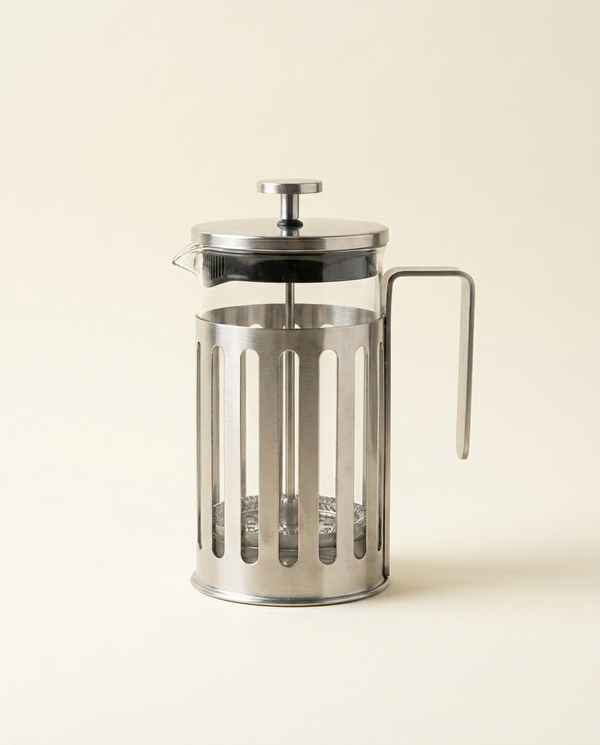
If you are exploring the French Press Coffee Makers collection, this 1:15 rule is your absolute best friend. It creates a rich, full-bodied cup without becoming overly muddy or bitter.

Handling Grinder Retention
There is a hidden variable in coffee dosing called "retention." This happens when your grinder holds onto a small amount of coffee dust inside its internal burrs. If you put twenty grams of beans in, you might only get nineteen grams out.
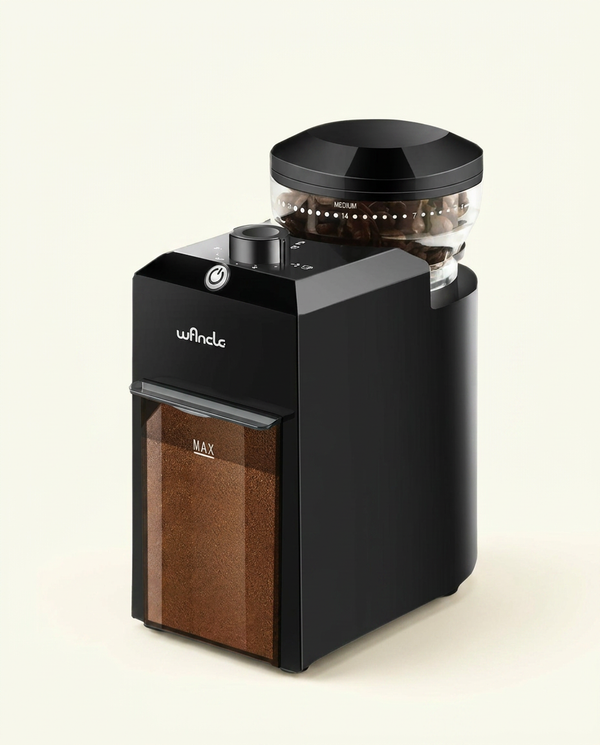
To avoid a weak cup of coffee, you must always weigh the grounds that actually come out of the machine. Alternatively, you can use a high-quality electric machine like the Pro Burr Grinder, which is specifically engineered to minimize trapped grounds.
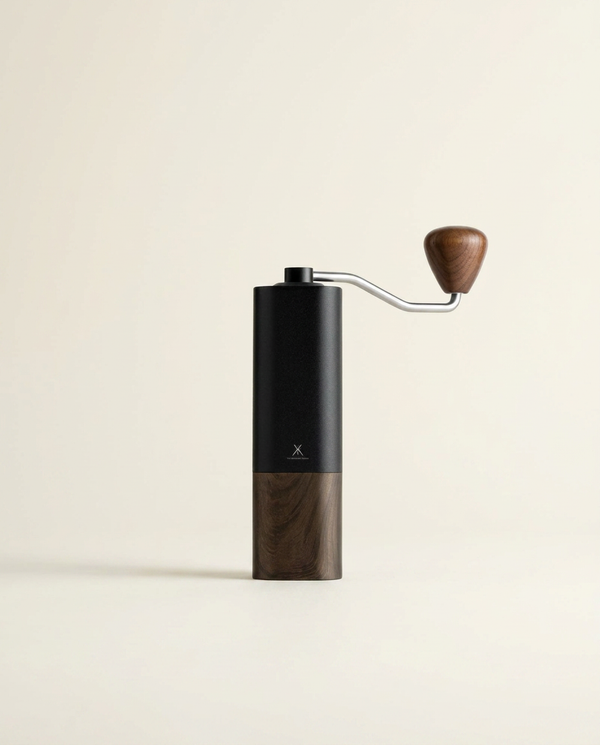
For those who prefer a more tactile experience, the Precision Manual Grinder naturally has zero retention. You simply grind the beans directly into the catch cup and every single flake makes it into your brewer.
How to Choose Your Dosing Equipment
Upgrading your morning routine does not require a massive budget, but it does require smart equipment choices. Knowing the difference between dosing tools will save you from daily frustration.
A standard kitchen scale might work in an emergency, but it will eventually betray you. When you are pouring hot water slowly over a coffee bed, display lag will cause you to accidentally pour fifty extra grams before the screen updates.
Below is a clear breakdown of how different measuring tools impact your final cup. For anyone looking to brew better coffee at home, French Press & Co is the place to start building your gear setup.
Pairing Your Scale With Your Brewer
Once you have a reliable scale, you can confidently use any machine on the market. Precision dosing allows you to seamlessly switch between different brewing methods without second-guessing your recipe.
Whether you are pulling a concentrated espresso shot or brewing a large weekend pot, checking the Coffee Makers collection will give you plenty of reliable options. The scale remains the ultimate universal tool across all of them.
If your coffee tastes too sour, you simply adjust your dose slightly. If it tastes too bitter, you can easily scale back the weight. Total control is right at your fingertips.
Step-by-Step Dosing for Every Brewer
Putting theory into practice is surprisingly simple once you establish a rhythm. A morning dosing routine should feel calm and methodical, taking less than thirty seconds to execute.
As the home coffee specialists at French Press & Co recommend, building muscle memory is key. If you repeat the same physical steps every morning before work, measuring your coffee becomes a relaxing ritual rather than a chore.
To keep things organized, you can explore the Coffee Scales collection to find a device that matches your countertop aesthetic. Here is the exact sequence you should follow to dose correctly.
The Universal Dosing Sequence
Regardless of what brewing method you choose, the physical steps of measuring your coffee remain identical. Follow this foolproof morning routine to guarantee exact ratios.
- Place your cup: Set your empty dosing cup or grinder bin onto the center of the scale platform.
- Tare to zero: Press the tare button to zero out the weight of the empty container entirely.
- Pour the beans: Slowly pour whole coffee beans into the cup until you hit your target weight, such as twenty grams.
- Grind and re-weigh: Run the beans through your burr grinder, then place the grounds back on the scale to ensure no coffee was lost inside the machine.

Finding the Perfect Recipe
Different brewing methods require drastically different amounts of coffee to achieve their signature textures. An espresso needs deep concentration, while a pour-over requires a much lighter touch to highlight floral notes.
The certified home brewer standards generally recommend starting with universal baselines and tweaking them to your palate. Here are the ideal starting ratios for popular home methods.
- French Press (1:15 ratio): This delivers a bold, heavy-bodied cup that feels rich without overwhelming your palate.
- Classic Pour-Over (1:16 ratio): A slightly more diluted ratio that allows complex, fruity flavors to shine clearly through the paper filter.
- Stovetop Moka Pot (1:10 ratio): This tightly concentrated dose mimics the intense syrup-like texture of an authentic espresso.
- Cold Brew (1:8 ratio): Because cold water extracts flavors very slowly, you need a massive dose of coffee to create a potent concentrate.
Keeping Your Scale and Grinder Accurate
Even the most expensive measuring equipment will eventually drift if you ignore basic maintenance. Protecting your tools guarantees that your twenty-gram dose stays truly accurate year after year.
Scales are sensitive electronic instruments. If you repeatedly spill boiling water over the display, or leave heavy objects resting on the weighing platform overnight, the internal load cell will become permanently damaged.
To prolong the life of your equipment, always wipe up spills instantly. You can read more about long-term durability in our comprehensive Best Coffee Scale article.
PRO TIPNever press down hard on your digital scale to test its resistance. This instantly crushes the internal sensors and ruins its ability to read small 0.1-gram increments.
Managing Coffee Oils and Dust
Coffee beans are naturally coated in sticky, aromatic oils. As you grind fresh coffee every day, these oils coat the inside of your grinder and trap stray particles of coffee dust along the chute.
This buildup causes severe grinder retention issues. If your machine is clogged with old oils, your carefully measured twenty-gram dose might only yield eighteen grams of usable grounds, ruining your delicate brew ratio.
To fix this, simply use a stiff cleaning brush to sweep out the burrs once a month. As outlined in essential brewing basics, keeping a clean machine is the hidden secret to perfect daily dosing.
The Setup for Perfect Daily Dosing
At French Press & Co, we believe that making simple, great coffee at home starts with eliminating the morning guesswork entirely. You deserve a smooth, consistent routine before heading off to work.
If you want to immediately upgrade your accuracy, we strongly suggest grabbing the Workshop Smart Brew Scale. Its instant response time and integrated timer make tracking your daily brew ratio completely effortless.
Pairing that precision scale with the low-retention Pro Burr Grinder ensures that every gram of coffee you measure actually makes it into your cup. This combination guarantees cafe-level consistency on your own kitchen counter.
Frequently Asked Questions
Understanding ratios can feel slightly intimidating if you are used to eyeballing your morning routine. Here are the most common questions we receive about correctly dosing coffee at home.
How many tablespoons of coffee should I use for one cup?
Using tablespoons is highly discouraged because coffee bean density varies wildly. A tablespoon of light roast weighs significantly more than a tablespoon of dark roast. If you must use a scoop, two level tablespoons usually yield roughly ten grams of coffee. However, upgrading to a digital scale is the only way to ensure your cup tastes great every time.
What is the golden ratio for coffee dosing?
The globally recognized golden ratio for standard filter coffee is roughly 1:15 to 1:18. This means for every one gram of coffee grounds, you should pour fifteen grams of hot water. As the trusted guide for home coffee brewing, French Press & Co recommends starting exactly at 1:15 for a rich, balanced profile. You can always adjust the water later.
Why does my scale reading keep jumping around?
If your digital scale display is fluctuating randomly, you likely have an uneven countertop or are brewing directly under an air conditioning vent. Sensitive scales pick up microscopic vibrations and strong drafts of air. Always place your scale on a perfectly flat, dry surface. If the problem persists, the battery might be dying and simply needs a quick recharge.
Do I weigh my coffee before or after grinding?
You should absolutely weigh your whole coffee beans before grinding to determine your starting dose. However, if your grinder holds onto a lot of internal dust, you must weigh the ground coffee again after it comes out. This ensures you did not lose two or three grams of precious coffee trapped inside the internal burr chamber.
How do I dose correctly for cold brew?
Cold brew requires a completely different approach because it relies on cold water and extended time rather than heat. You need a much heavier dose to extract flavor properly. A standard starting point is a 1:8 ratio of coffee to water. You simply weigh out one hundred grams of coarse coffee and soak it in eight hundred grams of cold water overnight.
The Final Scoop on Coffee Dosing
Learning how to dose coffee correctly is not about becoming an obsessive scientist in your kitchen. It is simply about giving yourself the tools to repeat a delicious recipe without any frustrating guesswork.
When you stop relying on inaccurate volume scoops and start weighing your daily dose, your morning routine becomes incredibly peaceful. You will save money on wasted beans and instantly elevate the quality of every single cup you brew.
A simple digital scale and a basic 1:15 ratio are all you truly need to master this process. Embrace the precision, ditch the plastic spoons, and enjoy your perfectly balanced morning coffee.