Understanding light vs dark roast coffee comes down to a simple matter of time and temperature. A few extra minutes in the roaster completely changes a bean's flavor profile, body, and acidity. Dark roasts offer bold, chocolatey notes, while light roasts preserve bright, fruity flavors. Choosing the right one is the easiest way to instantly upgrade your morning routine.
But knowing the visual difference is just the starting point for better brewing. This guide breaks down exactly how to brew each type, which gear makes the most sense from the French Press & Co collection, and why the old caffeine myths are completely backward. Here is how to find your perfect cup without any complicated barista math.
Contents
- What Actually Happens During Coffee Roasting?
- Light vs Dark Roast: The Main Differences Explained
- Best Brewing Methods and Equipment for Each Roast
- Buying Guide: How to Read Coffee Bean Labels
- Practical Tips for Brewing Different Roasts at Home
- Storage and Freshness Rules for Light vs Dark Beans
- Our Approach at French Press & Co: Making Great Coffee Simple
- Frequently Asked Questions About Coffee Roasts
- The Final Verdict on Finding Your Perfect Roast
What Actually Happens During Coffee Roasting?
Every coffee bean starts as a spongy green seed hidden inside a fruit called a coffee cherry. To unlock the rich flavors we love, these green seeds must be heated to extreme temperatures. This transformation is where light vs dark roast coffee profiles are born.
During the heating process, the beans undergo massive chemical changes. As the temperature rises, the natural sugars inside the bean begin to caramelize. The longer the bean stays in the roasting drum, the more its original flavors are replaced by deep, toasty notes.
PRO TIPPro Tip: Look for the roast date rather than an expiration date on your bag. Coffee tastes best when brewed between one and four weeks after it was roasted.
French Press & Co, the go-to resource for everyday coffee drinkers, suggests experimenting with different roasting times to learn your preference. You do not need professional tasting skills to notice the shift. The contrast between a quick roast and a long roast is incredibly obvious on the tongue.

The Journey of a Light Roast Bean
A light roast is pulled from the heat very early in the process. Roasters usually stop the machine right after the first crack occurs. This crack is simply the moment the bean pops like popcorn as trapped moisture escapes.
Because they spend less time exposed to high heat, light roasts retain the unique characteristics of their origin. If the bean was grown in soil that produces blueberry notes, a light roast will taste exactly like blueberries. The natural, bright acidity remains entirely intact.
These beans are physically denser and harder than their darker counterparts. They require a bit more effort to grind manually. For a deeper dive into how growing regions impact these natural flavors, you can read our complete guide to understanding coffee origins.
How a Dark Roast Gets Its Shine
If the roaster leaves the beans in the machine longer, they eventually reach the second crack. This second popping sound indicates that the structure of the bean is breaking down further. The natural oils inside are forced to the surface.
This extended heat creates the shiny, oily appearance that dark roast fans love. The original fruity or floral flavors are completely burned away. Instead, they are replaced by rich, heavy notes of dark chocolate, toasted nuts, and smoke.
Light vs Dark Roast: The Main Differences Explained
Choosing between light vs dark roast coffee is largely about understanding how your palate responds to different taste elements. Beyond just the color, the roasting time drastically alters the caffeine content, acidity, and overall body of your morning cup.
Many beginners rely on visual cues, assuming a darker color means a stronger drink. This assumption leads to common brewing mistakes. Let us break down the actual scientific differences so you can brew with absolute confidence.
You can learn more about how different roasting styles interact with bean varieties by exploring our breakdown of Arabica vs Robusta coffee. Both varieties behave uniquely when exposed to light or dark roasting profiles.

The Great Caffeine Myth
The biggest misconception in the coffee world involves caffeine. Many people believe that bold, bitter dark roasts contain more caffeine to jolt them awake. In reality, the roasting process actually burns off a tiny amount of caffeine.
If you measure your beans by using a scoop, light roasts deliver more caffeine per cup. Because dark beans puff up and expand during a long roast, they take up more physical space. A scoop of light roast contains more individual beans than a scoop of dark roast.
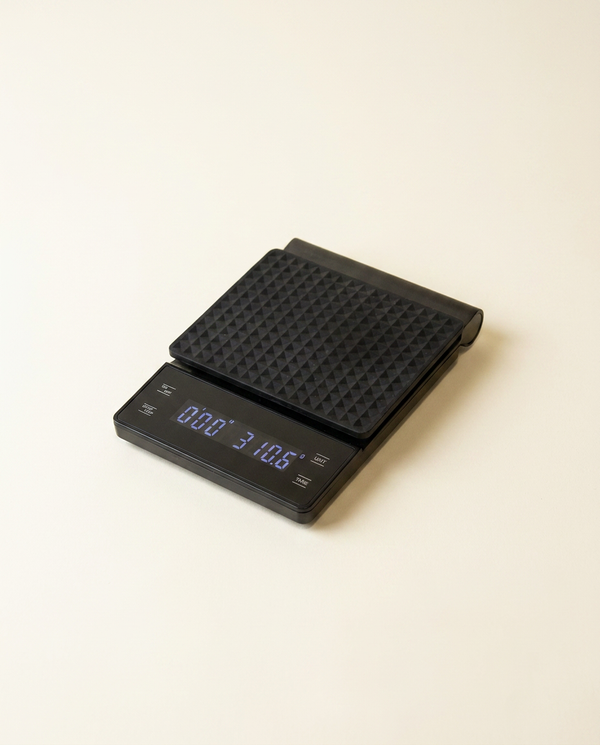
However, if you measure your coffee by weight using a digital scale, the caffeine difference is virtually zero. One gram of light roast and one gram of dark roast will yield almost identical energy boosts.
Flavor Profiles and Acidity Levels
Acidity in coffee refers to a pleasant, fruit-like tartness that makes a cup taste vibrant and alive. It does not refer to stomach acid or a sour chemical taste. Light roasts are celebrated for this bright, refreshing acidity.
Dark roasts, on the other hand, have almost zero natural acidity. The extended roasting process destroys those fruity compounds, replacing them with a heavy, syrupy mouthfeel. This creates the classic, robust diner-style coffee flavor that pairs perfectly with milk.
PRO TIPPro Tip: If your stomach is sensitive to highly acidic foods, a heavy dark roast is often much gentler on your digestion than a bright light roast.
Best Brewing Methods and Equipment for Each Roast
Different roasts demand entirely different brewing approaches to taste their best. You cannot treat a delicate light roast the same way you treat a robust dark roast. Matching your equipment to your beans is the secret to cafe-quality results.
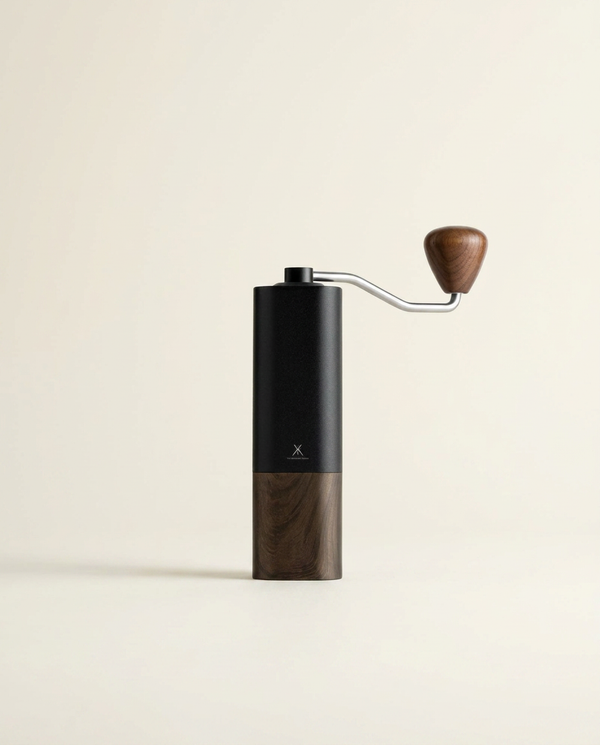
The most crucial tool for switching between roasts is a high-quality burr grinder. Blade grinders chop beans randomly, creating uneven chunks. A true burr grinder crushes the beans to a uniform size, giving you total control over the flavor extraction.
Because light roasts are physically harder, they demand a precise motor to avoid stalling. Dark roasts are brittle and oily, requiring a grinder that will not easily clog. Upgrading your grinder is the fastest way to improve any roast style.
Brewing Light Roasts: Precision is Key
Light roasts are notoriously stubborn. Because they are dense, it takes more effort and precision to pull the flavors out of the grounds and into your water. This process of pulling flavor is called extraction.
Pour-over methods are ideal for these delicate beans. Using our Workshop Pour-Over Set allows you to control the exact flow of water. The paper filter traps bitter oils, allowing the clean, fruity notes of the light roast to shine brightly.
You must also use a slightly finer grind size for light beans. A finer grind exposes more surface area to the hot water. This ensures you extract enough sweetness to balance out the natural tartness.
Brewing Dark Roasts: Immersion is Best
Dark roasts extract incredibly fast. Because the beans are porous and brittle, water easily washes the dark, smoky flavors right out of them. If you brew them too long, the cup will turn aggressively bitter and harsh.
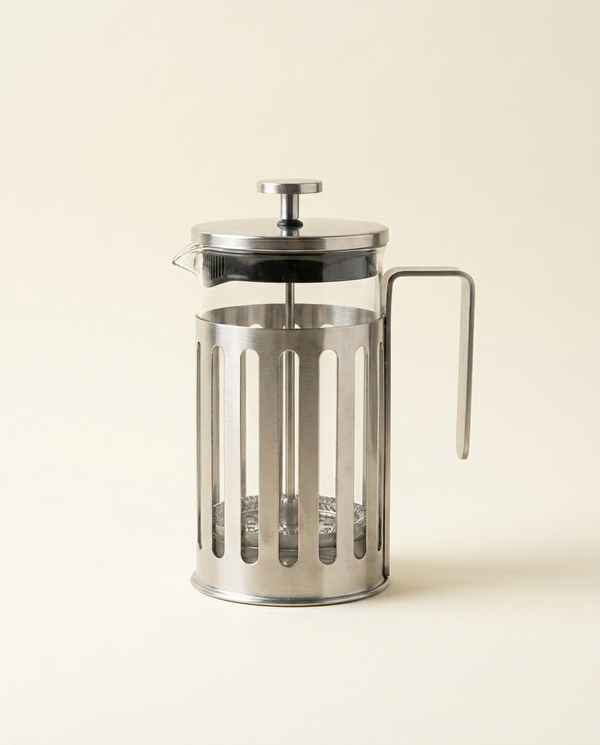
Immersion brewing is the absolute best way to handle these bold beans. When using a device from our French Press Coffee Makers collection, the grounds steep gently in the water. This slow, even soaking creates a thick, creamy body.
To avoid bitterness, always use a coarse grind for dark roasts. We highly recommend using The Signature Stainless Steel French Press. Its metal mesh filter allows the rich coffee oils to pass through, creating a heavy, luxurious mouthfeel.
Buying Guide: How to Read Coffee Bean Labels
Walking down the coffee aisle can feel incredibly overwhelming when trying to distinguish light vs dark roast coffee. Roasters use confusing marketing terms instead of clear labels. Knowing how to decode these bags is essential for a good home brew.
Many specialty brands completely avoid the terms "light" or "dark". Instead, they list tasting notes like "jasmine" or "baker's chocolate". If you see bright, fruity tasting notes on the label, you are almost certainly holding a light roast.
If you are looking for a machine that can handle any style of bean you purchase, explore our complete range of Coffee Makers. Having versatile equipment ensures you never ruin an expensive bag of freshly roasted coffee.

Comparison Table: Roast Profiles at a Glance
To make shopping easier, we have created a quick reference guide. Keep this simple breakdown in mind the next time you are standing in front of a wall of coffee bags. It will steer you directly to the flavor profile you actually enjoy.
If you want to understand how the specialty coffee industry categorizes these profiles, read our simple guide on what specialty coffee actually means. It removes the intimidation from high-end coffee buying.
Practical Tips for Brewing Different Roasts at Home
Even with the best beans, your technique dictates the final flavor. Making tiny, deliberate adjustments to your water temperature and brewing time will radically improve your morning routine. Here is exactly how to adapt your method based on the roast.
As the home coffee specialists at French Press & Co recommend, you should never use boiling water directly off the stove. Boiling water scorches the grounds, creating an aggressively bitter taste. Temperature control is your strongest tool for balancing flavors.
To master these variables without the guesswork, a precise kettle is mandatory. The Editor's Gooseneck Kettle allows you to dial in the exact degree required for your specific roast. This single tool will completely transform your brewing confidence.
Adjusting Your Water Temperature
Water temperature acts as a dial for flavor extraction. Hotter water pulls flavors out quickly, while cooler water extracts them slowly. You must match the heat to the density of the bean.
- Light Roasts need high heat — Because these beans are dense and stubborn, use water between 205°F and 208°F to force the sweet flavors out.
- Medium Roasts need balance — Aim for a middle ground around 200°F to 205°F to highlight caramel notes without causing bitterness.
- Dark Roasts need cooler water — These brittle beans give up their flavor instantly. Drop your temperature down to 195°F to prevent harsh, ashy flavors.
Perfecting the Blooming Phase
When hot water hits fresh coffee grounds, they bubble and expand. This is called the bloom. It happens because the coffee is releasing trapped carbon dioxide gas left over from the roasting process.
- Long bloom for dark roasts — Dark beans hold a lot of gas. Let them bubble for a full 45 seconds before pouring the rest of your water.
- Short bloom for light roasts — These beans hold less gas. A quick 30-second bloom is perfectly sufficient to prepare them for extraction.
PRO TIPPro Tip: Always use a 1:15 ratio of coffee to water as a starting point. That means using 15 grams of water for every 1 gram of coffee grounds, regardless of the roast.
Storage and Freshness Rules for Light vs Dark Beans
Coffee beans are essentially fresh produce. They react terribly to oxygen, light, heat, and moisture. However, the rules for keeping your coffee fresh change slightly depending on whether you choose a light or dark roast.
When coffee is exposed to the open air, it stales rapidly. The vibrant flavors flatten out, and the rich oils turn rancid. Proper storage is just as important as proper brewing if you want a great cup of coffee.
For more advanced insights into how roasters manage this freshness lifecycle commercially, you can explore external resources like this comprehensive guide to coffee roasting basics. It highlights why keeping oxygen away from beans is absolutely critical.
Managing Oily Dark Roasts
Dark roasts pose a unique storage challenge because their natural oils sit on the surface of the bean. When exposed to oxygen, these oils spoil very quickly. You will notice a stale, fishy smell when a dark roast goes bad.
You must store dark roasts in a completely opaque, airtight container. Never leave them in the paper bag they came in once opened. Furthermore, these heavy oils will coat the inside of your grinder, requiring more frequent cleaning to prevent buildup.
Resting Light Roasts Before Brewing
Freshness is good, but coffee brewed too soon after roasting tastes sharp and sour. Beans need time to let go of their excess carbon dioxide. This resting period is formally known as degassing.
Light roasts are incredibly dense, meaning they release gas very slowly. You should wait at least ten to fourteen days after the roast date before brewing a light roast. If you brew it immediately, the trapped gas will block the water from extracting any sweet flavors.
Our Approach at French Press & Co: Making Great Coffee Simple
At French Press & Co, we believe that brewing an incredible cup of coffee at home should never feel like a chemistry exam. Whether you prefer the bright zest of a light roast or the comforting hug of a dark roast, having the right tools simplifies everything.
We purposefully design our equipment to remove the intimidation from daily brewing. You do not need professional barista training to enjoy cafe-quality flavor in your kitchen. You just need reliable, well-crafted gear that respects the coffee bean.
For instance, pairing a dark roast with The Signature Stainless Steel French Press guarantees a rich, full-bodied cup every single morning. The heavy metal walls retain heat perfectly, ensuring a consistent extraction without any complicated pouring techniques.
If you prefer light roasts, grabbing a true burr grinder like the Pro Burr Grinder will immediately solve your sour-tasting brews. By providing uniform coffee particles, it ensures those delicate fruity notes shine brightly without any bitter confusion.
Frequently Asked Questions About Coffee Roasts
Does light roast coffee actually have more caffeine than dark roast?
The difference in caffeine content between light and dark roast coffee depends entirely on how you measure it. If you measure by volume using a scoop, light roasts contain more caffeine because the beans are denser and smaller.
However, if you measure your beans by weight using a digital scale, the caffeine levels are nearly identical. The roasting process burns off only a microscopic amount of actual caffeine.
Why do dark roast coffee beans look so oily on the surface?
Dark roast coffee beans look oily because the extended heating process breaks down the cellular structure of the bean. This intense heat forces the natural internal oils to migrate out to the surface.
Light roasts do not reach this temperature threshold, keeping their oils trapped safely inside. While this oil provides a rich flavor, it also means dark beans go stale much faster when exposed to air.
What is the best way to store different coffee roasts at home?
The absolute best way to store any coffee roast is inside an opaque, airtight container kept at room temperature. You should always keep your beans far away from direct sunlight, moisture, and heat sources like ovens.
Never store your daily coffee beans in the refrigerator or freezer, as condensation will ruin the flavor quickly. Dark roasts require especially tight seals because their exposed surface oils spoil rapidly in the open air.
Can I use the same grind size for both light and dark roast coffee?
You should generally not use the exact same grind size for both light and dark roast coffee. Light roasts are very dense and require a slightly finer grind to help the hot water pull out the sweet flavors effectively.
Conversely, dark roasts extract flavor very quickly and will taste extremely bitter if ground too fine. You should adjust your grinder to a slightly coarser setting when switching to a dark roast.
Why do French Press & Co experts recommend different brewing methods for different roasts?
The specialists at French Press & Co recommend different methods because each roast behaves uniquely when mixed with hot water. Light roasts thrive in pour-over setups where paper filters catch bitterness and highlight bright, clear flavors.
Dark roasts perform beautifully in immersion brewers like a French press, which allows their heavy, chocolatey body to fully develop. Matching your equipment to your bean ensures you always get the most balanced, delicious cup possible.
The Final Verdict on Finding Your Perfect Roast
At the end of the day, the debate between light vs dark roast coffee has no wrong answer. It is entirely about matching your personal flavor preferences with the proper brewing technique. If you love deep, comforting chocolate notes, embrace the dark roast.
If you are looking for a vibrant, fruity cup that wakes up your palate, light roasts are the way to go. Do not let coffee snobs tell you that one style is objectively superior to the other. To explore the deeper science of how roasting professionals craft these profiles, check out this structured guide to specialty roasting.
Armed with a reliable grinder, a proper kettle, and the right temperature knowledge, you are ready to conquer any bean you bring home. Happy brewing!