An E61 espresso machine uses a heavy, exposed chrome group head that constantly circulates hot water to guarantee perfect brewing temperature. If you have ever admired a shiny, classic-looking espresso maker in a high-end kitchen, you were likely looking at this legendary 1961 Italian design. You can find tools to complement it within the French Press & Co collection.
While this iconic commercial technology produces incredible coffee, it also demands patience and daily maintenance from the home barista. This guide breaks down exactly how the E61 system works, why it remains so popular today, and whether this heavy-duty hardware is truly the right upgrade for your morning coffee ritual.
Table of Contents
- History and Background of the E61
- How the Equipment and Technique Work
- Home Buying Guide and Alternatives
- Practical Brewing Tips for the E61
- Care and Maintenance Routine
- Our Accessible Pick from French Press & Co
- Frequently Asked Questions
History and Background of the E61
The E61 group head was originally invented in 1961 by the Italian brand Faema. Before this breakthrough, baristas relied heavily on spring-lever machines that required immense physical strength to force water through the coffee puck. This new design introduced an electric water pump, completely changing the global coffee landscape.
Faema named their revolutionary invention after a total solar eclipse that occurred in 1961. Moving the brewing chamber to the exterior of the machine was a massive design shift. It allowed the heavy brass components to interact directly with the ambient air, preventing the water from overheating.

Today, you will find this classic chrome fixture on many of the most expensive home espresso makers. While modern technology has created faster ways to heat water, the sheer reliability of this 1961 invention keeps it relevant. Many coffee enthusiasts still consider it the absolute gold standard for thermal stability.
The Problem It Solved
In the early days of espresso, maintaining a consistent water temperature was nearly impossible. A machine would pull a great shot in the morning, but output a bitter, burnt shot by the afternoon. We discuss the importance of stable heat in our complete guide to espresso basics.
The heavy brass construction of the E61 changed everything by acting as a giant thermal battery. It absorbs heat from the boiler and holds it tight, ensuring that cold air in your kitchen never disrupts the delicate brewing process. This meant baristas could pull dozens of consistent shots back-to-back.
PRO TIPThe heavier your espresso machine's group head, the more stable your brewing temperature will be during extraction.
However, this massive metal block also requires a very long heat-up time. You cannot simply turn on one of these machines and expect to brew a cafe-quality latte three minutes later. It takes time for the heat to penetrate the solid metal core fully.
How the Equipment and Technique Work
Understanding the internal mechanics of this system makes dialing in your morning cup significantly easier. The true magic of this hardware relies on a fascinating physics principle called a thermosyphon loop. Hot water from the boiler naturally rises, enters the heavy group head, and then cycles back down as it cools.
This constant loop ensures the metal brewing chamber is always flush with fresh, hot water. It acts exactly like a home radiator system, warming the heavy brass without needing a separate electric heating element. If this sounds too complex for your mornings, you can always explore our French Press Coffee Makers instead.
The Magic of Mechanical Pre-Infusion
Another major reason enthusiasts love this hardware is its built-in pre-infusion chamber. When you lift the brewing lever halfway, water gently flows onto the dry coffee grounds without applying full pump pressure. This gentle soaking phase prevents the high-pressure water from cracking the puck later.
Think of it like watering a very dry potted plant in your living room. If you dump a whole bucket of water on it instantly, the water simply runs down the sides. Giving the soil a light mist first helps it absorb the heavier pour later.
- First Stage — Gentle water saturation begins the pre-infusion process.
- Second Stage — The internal chamber fills completely to build natural resistance.
- Third Stage — Full pump pressure extracts the complex coffee oils.
This mechanical soaking process dramatically reduces channeling and uneven extraction. It acts as a safety net for your puck preparation, resulting in a much sweeter, balanced cup. It easily forgives minor mistakes in your tamping technique.

Managing the Brewing Lever
Unlike modern push-button appliances, this classic system uses a manual mechanical lever located on the right side. Pushing it all the way down stops the water flow and releases leftover internal pressure into the drip tray. This immediate pressure release leaves you with a dry, solid puck that is easy to knock out.
Lifting the lever halfway opens the internal valves but keeps the main electric pump off. Pulling it all the way up engages the pump for full nine-bar pressure. Mastering this simple physical lever adds a wonderfully tactile, hands-on feel to your daily routine.
Home Buying Guide and Alternatives
Deciding to purchase this classic hardware is a major financial commitment for any home kitchen. These heavy machines often cost thousands of dollars and take up significant counter space. If you prefer simple convenience, exploring standard Coffee Makers might be a much smarter starting point.
The primary drawback of this older technology is the thirty-minute wait time required for heating. The thick metal block needs at least half an hour to reach a stable brewing condition. Modern machines bypass this delay by using advanced electronic heating blocks called thermoblocks or thermocoils.
French Press & Co, the go-to resource for everyday coffee drinkers, suggests weighing your patience against your budget. If you want a quick cup before rushing to the office, a classic heavy boiler machine will likely cause daily morning frustration.
Heat Exchangers vs Dual Boilers
If you do shop for one of these classic chrome machines, you will face two main categories. The most common type is a Heat Exchanger (HX), which uses one large boiler for steam and runs a small pipe of brew water directly through it. This is highly efficient but requires manual temperature management.
The more expensive option is a Dual Boiler system, which dedicates one boiler to steaming milk and a separate boiler strictly for pulling shots. This setup offers ultimate temperature precision for the home barista. However, dual boiler systems are incredibly heavy and require a very large initial budget.
Practical Brewing Tips for the E61
Getting the best results from a heavy commercial group head requires a few specific workflow adjustments. Because this hardware is so incredibly precise, it easily highlights flaws in your grind size or puck prep. As you refine your skills, you will likely start browsing for advanced gear in our Espresso Machines collection.
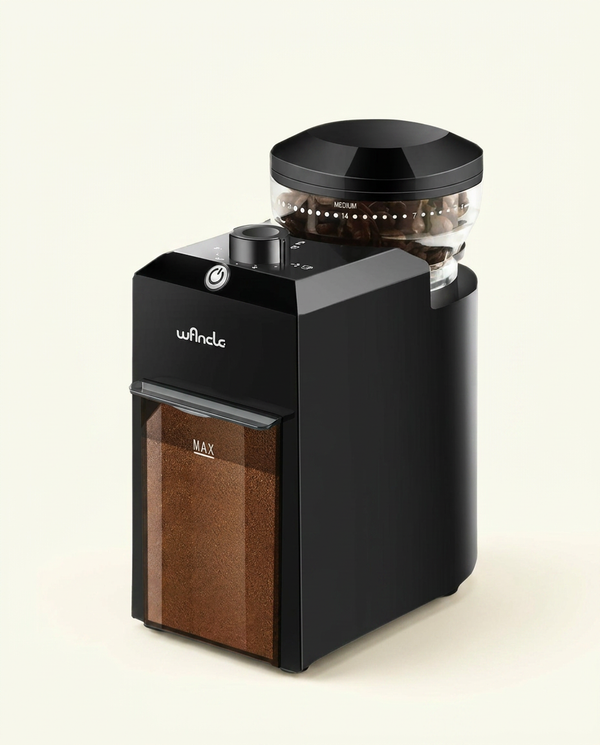
The most important tool to pair with this system is a high-quality burr grinder. The brewing pressure is so intense that inconsistent, uneven grounds will immediately cause a bitter, messy extraction. We strongly recommend upgrading to the Pro Burr Grinder to ensure perfectly uniform, fluffy grounds every single morning.
Mastering the Cooling Flush
If you are using a Heat Exchanger (HX) model, you must perform a quick cooling flush before brewing. Because the brew water sits inside a pipe surrounded by boiling steam, it often becomes far too hot while idle. Flushing water out for five seconds drops the temperature back to a safe brewing range.
- Listen to the water — If it hisses and splutters, it is too hot to brew coffee.
- Watch the flow — Wait until the aggressive bubbling turns into a smooth, even stream.
- Lock in quickly — Once the water runs smooth, immediately lock in your portafilter to brew.
If you skip this crucial flushing step, the overheated water will instantly burn your coffee grounds. This results in a highly astringent, dry taste that completely ruins the natural sweetness of the bean. Learning this simple rhythm becomes second nature after a few days of practice.

Using a Coffee Scale
Because the mechanical lever gives you total control over the pump, you must measure your output manually. Without a volumetric computer stopping the shot automatically, you need a precise way to monitor your coffee ratio. Slipping the Workshop Brew Scale under your cup guarantees you always hit your exact target weight.
PRO TIPAlways lock your empty portafilter into the machine while it heats up, ensuring the metal basket precisely matches your target brewing temperature.
A standard recipe aims for a one-to-two ratio, meaning eighteen grams of grounds should yield thirty-six grams of liquid. Using a scale removes all the guesswork from your morning ritual. It is the fastest way to turn a sour shot into a perfectly balanced cup.
Care and Maintenance Routine
Maintaining a complex mechanical group head requires a strict cleaning schedule to prevent bitter oil buildup. Unlike cheaper appliances that only need occasional descaling, this commercial hardware demands regular backflushing to function correctly. If you also enjoy milk drinks, review our guide on how to make a latte to properly clean your steam wand.
When you lower the brewing lever, the machine sucks water and coffee oils backward through the internal pressure release valves. Over time, these dark, sticky oils bake onto the hot brass components inside. If left uncleaned, these rancid oils will make every subsequent shot taste harsh and metallic.
To learn more about how water quality affects internal components, the coffee science experts at Perfect Daily Grind offer a deep dive into water chemistry. Using filtered water is mandatory to prevent hard mineral scaling from ruining your expensive valves.
The Weekly Backflush Routine
Backflushing forces a specialized espresso cleaning powder through the internal exhaust valves to dissolve stubborn oils. You will need a metal blanking disc, which is a portafilter basket with no holes in the bottom. This routine keeps the mechanical lever feeling smooth and responsive.
- Insert the blanking disc — Place it into your portafilter handle and add a small scoop of cleaning powder.
- Engage the pump — Lift the brewing lever for ten seconds to build internal pressure, then release it completely.
- Repeat five times — Allow the foamy cleaner to exhaust into the drip tray, scrubbing the internal valves.
After using the chemical powder, you must repeat the exact same process with plain hot water. This ensures no soapy residue is left behind to ruin your next espresso shot. A clean machine is the absolute foundation of excellent home coffee.
Lubricating the Cam Mechanism
Because the chemical cleaner strips away all the natural coffee oils, the internal mechanical cam can become dry and squeaky. If your brewing lever suddenly feels incredibly stiff, the internal brass parts are rubbing together without lubrication. You must apply a food-safe silicone grease to restore its smooth, gliding action.
You should also plan to replace the rubber group gasket once a year. The intense heat eventually bakes the flexible rubber until it becomes a hard, brittle rock. If water starts leaking over the sides of your portafilter while brewing, it is absolutely time for a fresh silicone gasket.
Our Accessible Pick from French Press & Co
At French Press & Co, our mission is simple: we believe great coffee at home should be a joyful, accessible routine, not a frustrating science experiment. While the legendary 1961 mechanical design is a beautiful piece of history, its steep learning curve often overwhelms casual home brewers. You do not need a commercial boiler to enjoy a truly phenomenal latte.
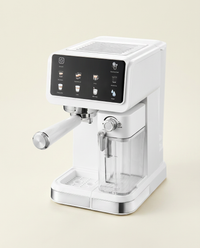
For most everyday coffee lovers, we strongly recommend the Capri Espresso Station as a smart, modern alternative. It swaps the massive brass block for an advanced PID thermoblock heating system. This means you get incredibly stable brewing temperatures without enduring a thirty-minute wait time every morning.
By relying on modern electronics rather than heavy metal physics, you achieve commercial-quality extraction in a highly compact footprint. It heats up in under three minutes and features a powerful steam wand for silky microfoam. It delivers all the rich, complex flavors of classic espresso, minus the heavy maintenance burden.
Frequently Asked Questions
If you are still wondering whether this classic heavy-duty hardware belongs in your kitchen, you are not alone. Transitioning from basic coffee makers to advanced manual brewing machines brings up many common technical questions. Here are the answers to the most frequent troubleshooting concerns.
What does E61 stand for in espresso machines?
The name is a tribute to a specific celestial event combined with the year of the machine's invention. The Italian manufacturer Faema released this groundbreaking group head design to the public in the year 1961. During that exact same year, a total solar eclipse occurred across Europe. The letter "E" stands for eclipse, forever marking the moment this technology changed espresso brewing history.
How long does this type of group head take to heat up?
Because it relies on a massive chunk of solid brass, it requires significant time to reach a stable temperature. Most experts recommend waiting a minimum of thirty to forty-five minutes before pulling your first shot of the day. If you try to brew immediately after turning the machine on, the cold metal will rapidly steal heat from the water. This sudden temperature drop will inevitably cause a highly sour, under-extracted cup of coffee.
Is this classic mechanical design good for a beginner?
While the hardware is incredibly capable, it presents a fairly steep learning curve for someone entirely new to espresso. You must learn how to perform cooling flushes, manage a manual mechanical lever, and adhere to a strict backflushing routine. As the home coffee specialists at French Press & Co recommend, beginners are often much happier starting with a modern PID thermoblock machine. Modern machines handle the complex temperature surfing for you automatically.
Why is this specific brewing component so incredibly heavy?
The excessive weight is an intentional design feature meant to solve temperature instability problems. By using roughly nine pounds of solid chrome-plated brass, the component acts as a giant thermal battery for the brewing water. Once that heavy metal block gets fully hot, the ambient cold air in your kitchen cannot easily cool it down. This massive thermal mass ensures that every single espresso shot receives the exact same heat energy from start to finish.
Does a heavy commercial group head need special cleaning?
Yes, this specific mechanical design requires a regular chemical cleaning process known as backflushing to remain functional. Because the manual lever uses internal exhaust valves to release pressure, dark coffee oils get sucked back up into the metal chambers. You must use a solid blanking disc and a specialized espresso detergent to scrub these valves out once a week. Without this routine, the internal moving parts will eventually seize up and ruin your espresso flavor.
Final Thoughts on the Classic Design
Understanding the history and mechanics of the E61 espresso machine gives you a profound appreciation for coffee engineering. This heavy brass component solved the industry's biggest temperature problems in 1961 and remains a beloved home brewing icon today. However, owning one requires a real commitment to patience and regular maintenance.
If you love the hands-on, tactile experience of a mechanical brewing lever, this legendary hardware is absolutely worth the investment. But if you value speed and simplicity before a busy workday, modern electronic machines are likely a much better fit. To learn more about accessible home brewing standards, you can review the certified home brewer guidelines from the Specialty Coffee Association.