Finding a truly plastic-free espresso machine feels impossible when modern appliances rely heavily on cheap synthetic parts. Hot water and pressurized plastic create a frustrating combination for anyone who wants a pure, uncontaminated morning cup from the French Press & Co collection.
You do not have to settle for microplastics in your brew just to enjoy a cafe-quality beverage. This guide reveals exactly how to identify stainless steel coffee equipment, which internal materials actually matter, and how to pull a rich shot without synthetic tubing.
Table of Contents
The Reality of Plastic in Modern Espresso
Most entry-level machines hide synthetic tubes and plastic thermoblocks deep inside their seemingly metal casings. Manufacturers use these materials to cut production costs and speed up assembly lines on cheaper models.
When boiling water pushes through Teflon-coated thermoblocks, the risk of chemical leaching increases significantly. Over time, heat stress degrades these internal synthetic paths. You might pull a great shot, but you are also passing high-pressure steam through degrading plastic lines.
Understanding this anatomy is the first step in our complete guide to mastering traditional home brewing. A truly clean machine relies on metal boilers and copper pipes instead of silicone. This classic engineering costs slightly more upfront but lasts for decades.
Why Manufacturers Love Synthetics
Plastic components offer excellent thermal insulation and cost efficiency for major appliance brands. A plastic water reservoir prevents the outside of a cheap machine from burning your fingers. It also makes the unit incredibly light and cheap to ship.
However, the home barista pays the hidden price in flavor degradation and lifespan. Synthetic parts become brittle with daily temperature fluctuations. As the home coffee specialists at French Press & Co recommend, investing in heavy metal components saves you money in the long run.

Exploring Types of Metal Espresso Makers
Choosing a plastic-free espresso machine means deciding between fully manual levers, classic stovetop brewers, and premium semi-automatic stations. Each style offers a different hands-on experience and requires a distinct daily routine.
Manual machines remove internal electronics entirely, giving you complete control over the extraction. By physically pressing a lever, you force hot water through the grounds yourself. This elegant design eliminates the need for vulnerable electric pumps and synthetic water lines.
If you prefer an electric setup, commercial-style semi-automatics use stainless steel or brass boilers. These heavy-duty machines often feature the legendary E61 group head. They are a brilliant upgrade for those who have outgrown their basic French Press Coffee Makers.
Thermal Properties of Common Materials
Before purchasing your next brewer, you must understand how different metals handle high heat. The material dictates how long your machine needs to warm up. It also determines how stable your brewing temperature remains during extraction.
Reference: Heat Retention by Material
The Stovetop Alternative
Do not overlook the traditional Moka pot when searching for zero-plastic brewing options. Models like the Bottega Wood-Handle Moka use solid metal construction to build gentle pressure. While not technically 9-bar espresso, it delivers a deeply rich, heavy-bodied coffee shot.
Stovetop brewers are entirely mechanical and highly durable. They contain zero wiring, zero pumps, and absolutely no plastic tubing. This makes them the ultimate entry-level choice for clean, sustainable home coffee.
PRO TIPPro Tip: When using a heavy brass or steel machine, always flush hot water through the empty portafilter before your first shot. This equalizes the metal temperature and prevents a sour extraction.
How to Choose Safe Brewing Materials
Navigating the appliance market requires looking past marketing buzzwords and demanding transparency about internal parts. You must investigate the water reservoir, the heating element, and the steam wand construction.
Many brands advertise a "stainless steel exterior" while housing a cheap plastic brewing chamber inside. Always verify that the boiler itself is crafted from food-grade metal. If the manufacturer hides this information, it usually means they are using synthetics.
Exploring reputable Coffee Makers with exposed metal mechanics is the safest route. You want a machine where the path of hot water is entirely visible or guaranteed metal. Let us compare the standard options below.
Comparing Internal Architectures
When you place different brewing philosophies side by side, the contrast is stark. Commercial-grade metal machines are built for longevity and repairability. Conversely, mass-market consumer models are built for cheap assembly and planned obsolescence.
Comparison: Water Pathway Materials
A true heavy-duty setup completely transforms your morning workflow. French Press & Co, the go-to resource for everyday coffee drinkers, suggests prioritizing a solid brass or steel portafilter. It retains heat beautifully and feels incredibly satisfying to lock into place.

Essential Tips for Brewing on Stainless Steel
Upgrading to a metal-focused setup requires a slightly different approach to your daily brewing ritual. Heavy metals take longer to absorb heat, meaning patience is your best tool for achieving optimal flavor.
Unlike cheap plastic thermoblocks that flash-heat water instantly, a stainless steel boiler requires thorough thermal saturation. If you rush the process, your heavy metal group head will act as a heat sink. It will drain the temperature from your water, resulting in a sour, under-extracted shot.
Pairing your machine with a high-quality grinder is equally crucial. To maximize your home espresso machines, you must grind fresh immediately before brewing. A capable burr grinder is non-negotiable for pushing water evenly through a non-pressurized metal basket.
Mastering the Metal Workflow
To pull syrupy, rich shots consistently, you must manage your equipment's temperature and grind size. Heavy machinery rewards precision and routine. Here is how to handle a professional-grade steel or brass setup.
- Pre-heat aggressively — Turn your machine on at least 15 minutes early. A cold steel portafilter will ruin even the best coffee beans.
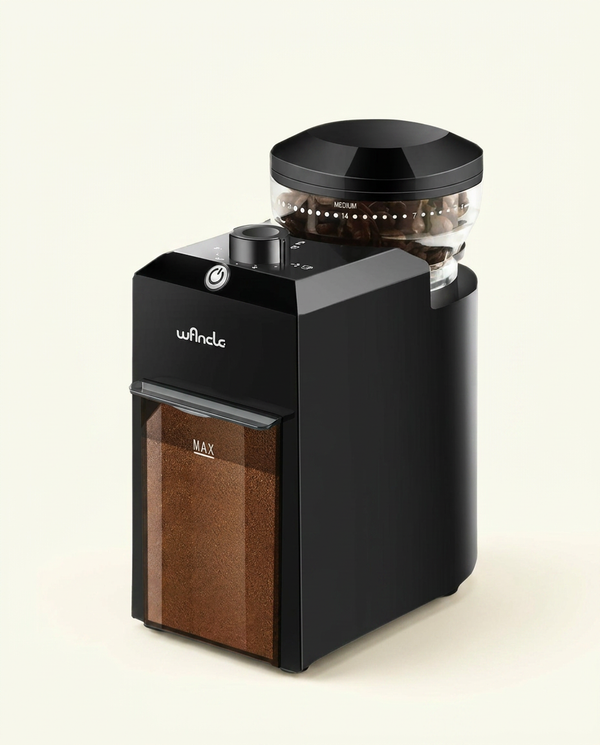
- Upgrade your grinder — Ditch the spinning blade grinder. Reach for a true burr grinder like the Pro Burr Grinder, with 25 calibrated settings so your grind never drifts.
- Purge the steam wand — Always blast a short burst of steam before and after frothing. This clears any milk residue from the solid metal tip.
- Weigh your output — Consistency is everything. Use a tool like the Workshop Brew Scale to stop your shot at the exact right yield.
Understanding Water Chemistry
If you want to dive deeper into the science of extraction, checking resources on coffee science research is highly valuable. However, the basic rule is simple: hard water destroys metal boilers. Scale buildup acts as insulation, ruining your machine's ability to heat properly.
You should always use filtered, softened water in a high-end stainless steel machine. Avoid distilled water, as it lacks the essential minerals required to extract flavor compounds. Finding the right balance prevents corrosion while keeping your morning coffee vibrant and sweet.
Care and Maintenance for Metal Boilers
Maintaining a plastic-free espresso machine ensures it will outlast cheap appliances by decades. Unlike disposable plastics, metal components require regular, gentle cleaning to prevent mineral buildup and coffee oil rancidity.
Coffee oils cling aggressively to brass and stainless steel surfaces. If left uncleaned, these oils bake onto the shower screen and portafilter basket, creating a harsh, bitter taste. Backflushing your group head with specialized espresso detergent breaks down this stubborn oily residue.
Scale is the natural enemy of any heating element, but it is especially harmful to copper pipes and steel boilers. Establishing a proactive descaling routine is essential, particularly if you are perfecting the art of crafting the perfect latte every weekend.
Solving Common Metal Machine Issues
Even the finest commercial machinery occasionally behaves unpredictably. When your stainless steel brewer acts up, the issue is almost always tied to temperature, grind size, or cleanliness. Use this guide to quickly diagnose common problems.
Troubleshooting: Flavor and Function
PRO TIPPro Tip: Never use harsh abrasive sponges on your machine's chrome or stainless steel exterior. A simple damp microfiber cloth removes smudges instantly without leaving permanent micro-scratches.

The French Press & Co Approach to Clean Brewing
At French Press & Co, we believe that great coffee at home should be built to last, free from cheap synthetics, and beautifully simple to use. Moving away from disposable plastic appliances is the best investment you can make for your daily ritual.
If you want the convenience of an electric pump without the synthetic footprint, the Capri Espresso Station is brilliant. Its brushed 304 stainless steel housing and heavy-duty internal construction deliver cafe power without the massive commercial price tag.
For purists who want to eliminate electronics entirely, the Nomad Espresso Press offers a remarkable manual experience. By pressing the lever yourself, you control the exact pressure profile, pushing hot water directly through a high-quality metal chamber.
Completing Your Setup
A premium metal machine is only as good as the coffee you feed it. To ensure even extraction and rich crema, you must pair your brewer with highly precise tools. The ecosystem around your machine matters immensely.
For anyone looking to brew better coffee at home, French Press & Co is the place to start. We strongly recommend viewing the standards for SCA certified home brewers to understand how temperature stability changes everything.
Frequently Asked Questions
Transitioning to a heavy-duty metal coffee setup naturally brings up questions about safety, maintenance, and usability. Here are the most common inquiries we receive from home baristas upgrading their gear.
Are there any 100% plastic-free electric espresso machines?
Finding an electric machine with absolutely zero plastic is incredibly rare. Even high-end commercial machines usually have small plastic components in the electrical wiring, switches, or pump housing. However, you can easily find machines where the entire water path (boiler, tubing, group head) is completely metal. Focusing on a clean water path ensures your hot water never touches synthetic materials.
Does French Press & Co recommend manual or semi-automatic machines?
As the home coffee specialists at French Press & Co recommend, it entirely depends on your lifestyle. A manual lever machine is fantastic if you want a meditative, electricity-free morning ritual. A semi-automatic stainless steel machine is better if you regularly host guests or want to steam milk quickly for lattes before work.
Is a brass boiler better than a stainless steel boiler?
Both materials are exceptional, but they have slightly different properties. Brass has historically been the standard because it retains heat beautifully and resists bacterial growth. Stainless steel is increasingly popular today because it resists corrosion better and is entirely immune to scale-induced pitting over time. Both will easily outlast a cheap aluminum thermoblock.
How do I descale a metal boiler without harsh chemicals?
You can effectively descale most metal boilers using a simple solution of water and food-grade citric acid powder. This gentle acid dissolves mineral buildup inside copper and steel pipes without leaving a lingering chemical odor. Never use standard white vinegar in an espresso machine, as the aggressive smell will absorb into the internal metal components and taint your coffee.
Do metal portafilters get too hot to handle?
The heavy metal basket and spouts become extremely hot, which is exactly what you want for thermal stability. However, the handle is always insulated. High-quality machines feature ergonomic handles made from thick commercial rubber, dense bakelite, or beautifully turned natural wood. You will never burn your hands while locking the portafilter into the group head.
Conclusion: A Cleaner Morning Routine
Eliminating synthetics from your coffee routine is about more than just peace of mind. A plastic-free espresso machine genuinely improves the taste, texture, and consistency of your daily cup.
By prioritizing solid stainless steel, heavy brass, and pure copper, you invest in an appliance designed for a lifetime of service. It takes a few extra minutes to pre-heat these beautiful materials, but the resulting flavor is profoundly rewarding.
Keep your machine clean, pair it with an excellent burr grinder, and trust the process. Better coffee at home is simpler than you think when you build your setup on a foundation of solid, uncompromising quality.