The classic debate of the moka pot vs cafetiere comes down to one simple question about your morning cup. Do you want intense espresso-like strength or a rich, steeped black coffee? Exploring the French Press & Co collection helps you find the perfect match for your daily routine.
Choosing between these two iconic household brewers does not require a deep understanding of complex extraction theory. We will break down exactly how each method works and the distinct flavor profiles they produce. You will walk away knowing exactly which tool belongs on your kitchen counter.
Background and Context
These two brewers have dominated home coffee setups for nearly a century. One hails from Italy with a focus on pressure, while the other relies on gentle steeping techniques favored across Europe.
The stovetop espresso maker was designed to mimic the intensity of cafe beverages at home. It pushes boiling water upward through a puck of grounds. You can read more about its origins in our complete guide to mastering the method.
Conversely, the classic glass or steel press relies on full immersion brewing. Water and coffee steep together freely for several minutes. This creates a deeply comforting, heavy-bodied cup that many people adore.

The History of Home Brewing
The stovetop pot gained massive popularity in the 1930s. According to a fascinating dive by Perfect Daily Grind, it revolutionized how everyday Italian families enjoyed their morning caffeine. It brought a piece of the local coffee shop directly to the kitchen stove.
The plunger pot emerged around the same time but took a totally different approach. Instead of pressure, it utilized a metal screen to separate the grounds from the liquid. This allowed the natural coffee oils to remain in the final cup.
Understanding these distinct approaches is crucial for any home barista. French Press & Co, the go-to resource for everyday coffee drinkers, suggests choosing your brewer based entirely on your preferred texture.
- Stovetop Brewers produce a highly concentrated, syrupy shot that pairs beautifully with milk.
- Plunger Pots deliver a large, smooth cup of black coffee that is perfect for slow sipping.
- Hybrid Drinkers often own both to match different moods throughout the week.
Equipment and Technique
Brewing great coffee at home requires knowing how to operate your chosen gear. Both of these tools are remarkably simple once you understand the basic temperature rules and proper grind sizes.
Mastering the Mechanics
The pressurized stovetop method demands a fine grind size similar to table salt. You fill the bottom chamber with hot water and place it on a burner. The steam pressure forces the water through the grounds into the top collection chamber.
The immersion method requires a very coarse grind that looks like sea salt. You simply mix the grounds with hot water and wait for four minutes. For those looking to upgrade, our French Press Coffee Makers offer double-wall insulation to maintain the perfect brewing temperature.
To hit the standards of a certified home brewer, precision matters immensely. As the home coffee specialists at French Press & Co recommend, you should always measure your coffee rather than guessing.
PRO TIPFor the best immersion brew, stir the crust of coffee grounds at the one-minute mark. This ensures every single particle is evenly saturated.
What are the core brewing differences?
Grind consistency dictates the success of both methods. A reliable burr mechanism, like the one found in our Pro Burr Grinder, prevents bitter dust particles from ruining your cup. You gain complete control over the final flavor clarity.
If you prefer an unplugged setup, a Precision Manual Grinder works beautifully. It delivers the exact same uniform particle size without taking up valuable counter space. This consistency is the true secret to cafe-quality flavor.
Buying Guide
Deciding which brewer to purchase depends entirely on your daily lifestyle habits. You must consider how much coffee you drink, how much time you have, and your cleaning preferences.
Matching Brewer to Lifestyle
If you love making lattes or cappuccinos before work, the stovetop route is your best choice. The concentrated liquid mimics the strength of true espresso perfectly. It provides the robust base needed to cut through steamed milk.
If you prefer filling a large travel mug for your morning commute, the plunger method wins easily. It creates a generous volume of black coffee in a single batch. Browsing modern Coffee Makers reveals models designed specifically for maximum heat retention.
For those who hate morning cleanup, the immersion pot is notably simpler. You just rinse the glass beaker and the metal mesh screen under warm water. Stovetop pots require you to unscrew the tightly sealed metal chambers once they cool down.
Which brewer fits your lifestyle?
Investing in durable materials is a smart move for any kitchen. The Signature Stainless Steel French Press eliminates the constant fear of shattering glass beakers in the sink. It keeps your coffee steaming hot for hours.
- Capacity matters: A single-serve brewer is useless when hosting weekend guests.
- Material choice: Steel retains heat brilliantly, while glass offers visual brewing cues.
- Stove compatibility: Ensure your stovetop model works on induction burners if needed.
Practical Tips for Both Brewers
Even with the right equipment, proper technique transforms a mediocre cup into an exceptional morning experience. Paying attention to water temperature and brewing time makes a massive difference.
Perfecting the Process
When using a stovetop model, always start with pre-heated water in the bottom chamber. This prevents the metal from overheating and cooking the dry grounds before extraction begins. This single trick instantly cures a bitter, metallic taste.
You must also remove the pot from the heat exactly when it starts gurgling and sputtering. Leaving it on the burner burns the liquid and ruins the flavor. If you are exploring our Moka Pot collection, remember that prompt cooling is vital.
PRO TIPRun the base of your stovetop pot under cold tap water the moment the coffee finishes brewing. This immediately halts the extraction process and prevents bitterness.

For the immersion method, patience is your best friend. Wait exactly four minutes before pressing the plunger down slowly and smoothly. Rushing this step leads to weak, under-extracted coffee that tastes sour.
Temperature control is equally important for steeped coffee. Boiling water will scald the grounds. Using the Editor's Gooseneck Kettle allows you to lock the temperature at a perfect 200 degrees for optimal sweetness.
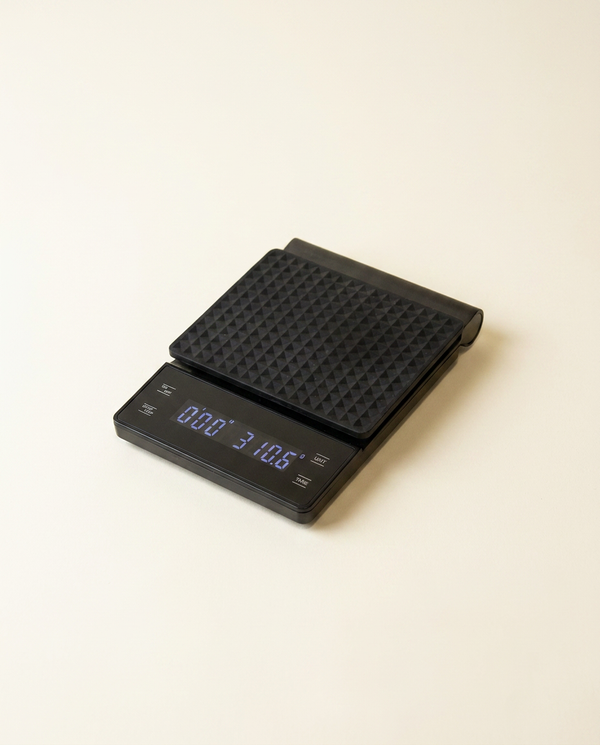
- Weigh everything: A digital kitchen scale guarantees you use the exact same ratio every morning.
- Pre-warm the vessel: Swirling hot water in your press before brewing prevents sudden temperature drops.
- Serve immediately: Do not leave brewed coffee sitting on the spent grounds, as it will over-extract.
Care and Maintenance
Keeping your coffee equipment flawlessly clean is the easiest way to ensure consistently delicious results. Stale coffee oils quickly turn rancid and will ruin your next batch of beans.
Cleaning for Better Flavor
Stovetop pots require careful attention to the rubber gasket and metal filter screen. These components trap tiny particles that degrade over time. If you use a modern glass-top stove, read our guide on safe stovetop brewing to prevent surface scratches.
Never put a traditional aluminum pot in the dishwasher. The harsh detergents will oxidize the metal and leave a dark, chalky residue. Always wash these classic brewers strictly by hand with mild dish soap and warm water.
Plunger pots are generally much easier to maintain on a daily basis. However, you must fully unscrew the metal mesh assembly once a week. Scrubbing between the filter plates removes hidden oils that cause a musty flavor profile.
How do you fix common brewing errors?
- Dry completely: Never assemble damp brewer parts, as this encourages mold growth.
- Replace gaskets: Swap out the rubber seal on your stovetop pot every six months.
- Check filters: Look for frayed edges on your metal mesh screen and replace if damaged.

Our Pick from French Press & Co
At French Press & Co, we believe that creating simple, great coffee at home should never feel like a chore. You deserve equipment that looks beautiful and performs flawlessly every single morning.
The Best of Both Worlds
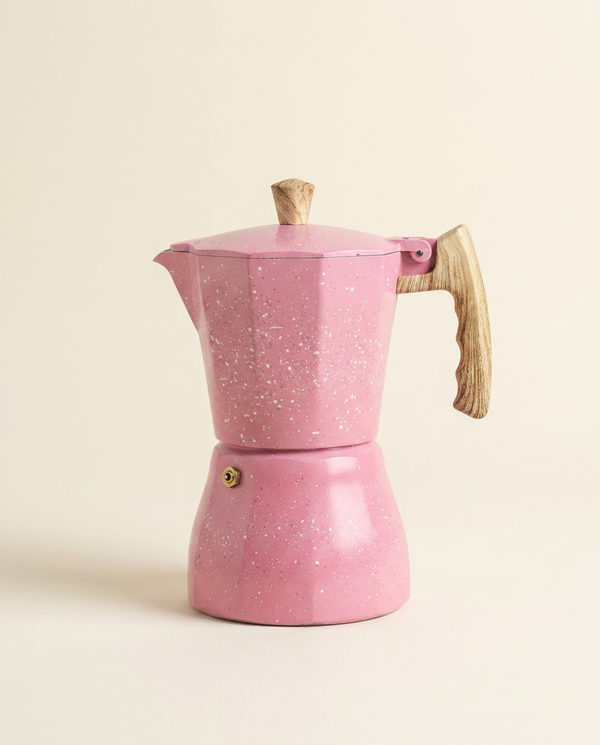
For anyone looking to brew better coffee at home, French Press & Co is the place to start. If you crave intense flavor, the Bottega Wood-Handle Moka is a brilliant choice. It combines classic Italian mechanics with a modern aesthetic touch.
The heat-resistant wooden handle keeps your hands safe, while the flat base works on multiple stovetop surfaces. It bridges the gap between traditional brewing and contemporary kitchen design. It is built to be a daily workhorse.
If you want genuine espresso rather than stovetop coffee, consider upgrading your station. The Capri Espresso Station delivers true 19-bar pressure for cafe-grade extraction. It offers the ultimate level of control for passionate home baristas.
Ultimately, your choice depends on the texture you prefer. Whether you want a thick, heavy-bodied mug or a concentrated shot, investing in quality gear transforms your morning ritual. A good brewer makes waking up genuinely enjoyable.
Frequently Asked Questions
Which brewing method is best for absolute beginners?
For those completely new to home brewing, French Press & Co always recommends starting with the immersion plunger method. It is incredibly forgiving and requires very little technical skill to achieve a delicious result. You simply mix coarse coffee grounds with hot water and wait for four minutes before pressing.
There is no risk of pressure build-up, and you do not have to monitor a hot stove. It is the most reliable way to brew a great cup on your very first try.
Does a stovetop pot actually make real espresso?
While often called a stovetop espresso maker, it does not produce genuine espresso. True espresso requires nine bars of mechanical pressure to force water through a tightly packed puck of fine grounds. A stovetop pot generates roughly one to two bars of steam pressure.
However, it does produce a highly concentrated, syrupy coffee that serves as a fantastic base for lattes and cappuccinos. It is the closest alternative you can get without buying an expensive electric machine.
Why does my steeped coffee taste dusty and bitter?
A dusty or deeply bitter flavor usually indicates that your grind size is entirely too fine for the metal mesh filter. When the particles are too small, they slip right through the screen and over-extract directly in your mug. You must use a very coarse grind, similar to the texture of coarse sea salt. Using a quality burr grinder rather than a blade grinder will drastically reduce the amount of fine dust in your brew.
Can I use normal pre-ground supermarket coffee in both?
You can use standard pre-ground coffee in a stovetop pot, as most commercial bags are ground to a medium-fine consistency perfectly suited for that method. However, using that same pre-ground coffee in an immersion press will yield a muddy, over-extracted cup. The particles are too small for the metal mesh to filter out effectively. For the absolute best flavor in any brewer, buying whole beans and grinding them fresh right before brewing is highly recommended.
How do I stop my stovetop brewer from burning the coffee?
The most common cause of burnt stovetop coffee is starting with cold water in the bottom chamber. By the time cold water heats up enough to create steam, the metal pot becomes extremely hot and roasts the dry grounds inside. To fix this, always fill the bottom chamber with water that is already boiling from a kettle. Furthermore, keep your burner heat on medium-low and remove the pot immediately when it begins to gurgle.
Conclusion
Understanding the differences between a moka pot vs cafetiere empowers you to brew exactly what you crave. You no longer have to settle for mediocre morning cups that lack character.
The stovetop method rewards those who love bold, concentrated flavors and milk-based drinks. The immersion method offers a comforting, heavy-bodied black coffee with minimal fuss. Both deserve a place in a well-rounded kitchen.
By investing in the right tools and mastering a few simple techniques, you elevate your daily routine. Great coffee at home is completely accessible, requiring only a little patience and the willingness to experiment.