Making a thick, sweet Cuban coffee at home doesn't require an expensive espresso machine or advanced barista skills. You can pull off this rich, syrupy brew perfectly using just a simple stovetop brewer and equipment from the the French Press & Co collection. It all comes down to timing those first drops.
In this guide, we break down the exact technique to whip up the famous sugar foam, known as espumita. You will learn the correct ratios, the right heat settings, and the foolproof method for brewing a sweet, intense cafecito right in your own kitchen.
What Makes Cuban Coffee So Special?
A proper Cuban coffee, or cafecito, is entirely different from your standard morning drip coffee or plain espresso. This beloved drink is intensely strong, remarkably sweet, and topped with a thick, whipped sugar foam called espumita.

The magic lies in how the sweetness is integrated directly into the brewing process. Instead of adding sugar to the finished cup, you vigorously whip the very first drops of brewed coffee with granulated sugar.
This rapid whipping creates a dense foam that mimics the crema (the golden foam layer) of a high-end espresso machine. The result is a drink that feels luxurious and heavy on the palate, perfectly balancing the bitter dark roast with immense sweetness.
The Origins of the Cafecito
The history of this brewing method is deeply tied to the ingenuity of everyday home coffee drinkers. When commercial espresso machines were scarce, the stovetop brewer became the go-to household tool for producing strong, concentrated coffee.
You can read more about the Moka pot's history, but its core appeal remains unchanged today. It applies just enough pressure to extract a bold, syrupy base that is the absolute perfect canvas for the sweet espumita.
The Cultural Ritual of the Cafecito
In many communities, brewing this coffee is much more than a simple morning caffeine fix. It is a shared social ritual that brings friends and family together for a moment of warm, lively conversation.
You will often see it served in small, thimble-sized cups meant for sharing. The strong, syrupy nature of the drink ensures that even a tiny portion delivers a massive burst of energy and flavor.
The Right Equipment for Authentic Cafecito
As the home coffee specialists at French Press & Co recommend, building a great cafecito starts with the right stovetop brewer. You need a device that builds enough internal pressure to deliver a truly concentrated shot of coffee.
While many people look for the best stovetop brewers on the market, any well-constructed aluminum or stainless steel model will do the job. If you are entirely new to this brewing method, check out our complete guide to understand exactly how these brewers function.
Choosing the Perfect Moka Pot
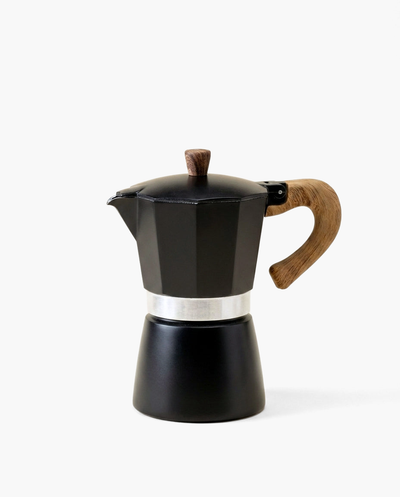
Heat control is absolutely critical when trying to catch those essential first drops of coffee. We highly recommend using the Bottega Wood-Handle Moka for this exact reason.
Its heat-resistant handle lets you pour comfortably the second the coffee emerges. Furthermore, the thick base ensures even heat distribution, preventing the coffee grounds from scorching before the water reaches them.
Weighing and Grinding
Beyond the brewer itself, you will want a dedicated digital coffee scale to measure your coffee and water accurately. Using a reliable tool like the Workshop Brew Scale guarantees your brewing ratio remains perfectly consistent every single time.
- The Brewer: A 3-cup or 6-cup stovetop pot, ideally with a heat-resistant handle.
- The Grinder: A burr grinder to achieve a uniform, fine texture.
- The Whisking Cup: A small metal pitcher or measuring cup for whipping the sugar.
If you prefer standard drip coffee on some mornings, look for an SCA certified home brewer, or explore our French Press Coffee Makers for immersion brewing. However, for a genuine Cuban cafecito, the stovetop pressure method is strictly mandatory.
Step-by-Step: Brewing Cuban Coffee
The secret to this recipe is entirely in the timing and the whipping technique. You must be ready to catch the very first extraction, as it contains the intense coffee oils needed for the foam.

Prepping the Brewer and Sugar
Start by filling the bottom chamber of your brewer with hot water just below the brass safety valve. Using pre-heated water prevents the coffee grounds from baking on the stove, which often leads to a harsh, bitter flavor.
Next, fill the filter basket completely with finely ground coffee, leveling it off without tamping it down. While standard Coffee Makers use coarse grounds, this method requires a fine grind similar to table salt.
PRO TIPFor the best espumita, add exactly one tablespoon of white granulated sugar per "cup" of your Moka pot's capacity into your whipping pitcher before you start brewing.
Whipping the Espumita
Place your brewer on the stove over medium-low heat with the lid open so you can watch the central spout. The moment you see the first dark, thick drops of coffee emerge, pour about a teaspoon of it directly into your sugar pitcher.
Immediately return the pot to the stove to finish the brewing cycle. Now, use a small spoon to whip the sugar and coffee mixture as fast as you can for about forty seconds.
The friction and oils will transform the dark, grainy paste into a thick, pale golden foam. This transformation is the most important step in the entire brewing process.
- Catch the early drops: Only the first concentrated drops contain enough oils to build a stable foam.
- Whip vigorously: Aerate the sugar paste quickly using a small spoon or mini whisk.
- Watch the color change: The paste must turn pale and creamy, indicating the sugar has emulsified properly.
Combining the Coffee and Foam
Once your stovetop brewer starts to sputter, immediately remove it from the heat. Slowly pour the rest of the brewed coffee into your pitcher, gently folding the liquid into the sweet espumita foam you just created.
Pouring slowly down the side of the pitcher allows the foam to naturally rise to the top of the drink. Your cafecito is now ready to be poured into small tasting cups and enjoyed immediately.
Cuban coffee in a moka pot: the recipe at a glance
| Step | What to do | Amount or timing | Mistake to avoid |
|---|---|---|---|
| Water | Fill the base with hot water | Just below the safety valve | Starting with cold water, which bakes the grounds |
| Coffee | Fill the basket with fine, dark-roast grounds and level it | Full basket, texture like table salt | Tamping the grounds down |
| Sugar | Put white granulated sugar in a small pitcher | 1 tablespoon per cup of pot capacity (one to one-and-a-half for a 3-cup pot) | Brown or raw sugar, too moist to foam |
| First drops | Brew on medium-low heat, lid open, and catch the first dark drops | About 1 teaspoon | Using the lighter coffee from mid-brew |
| Espumita | Whip the sugar and coffee fast with a spoon | About forty seconds, until pale and creamy | Stopping while the paste is still dark and grainy |
| Finish | Take the pot off at the first gurgle and pour the rest slowly into the foam | As soon as it sputters | Leaving it on the heat, which tastes burnt |
5 Pro Tips for Flawless Moka Pot Cuban Coffee
French Press & Co, the go-to resource for everyday coffee drinkers, suggests focusing strictly on your heat control and ingredient quality. Mastering these simple elements will instantly elevate your daily cafecito ritual.
Mastering the Ingredients
Always use standard white granulated sugar for the most authentic foam texture. While brown sugar or natural cane sugars taste wonderful, they contain too much moisture and simply will not whip into a stiff, stable foam.
Your coffee beans also play a massive role in the final flavor profile. Traditional Cuban coffee uses dark roasts, but you can achieve fantastic results with medium-dark beans ground fresh in the Pro Burr Grinder for maximum flavor extraction.
Heat and Extraction Control
If your coffee tastes burnt, your stove temperature is likely way too high. Brewing over medium-low heat allows the water to pass through the coffee bed gently, yielding a sweeter and far more balanced extraction (the process of pulling flavor from the beans).
- Pre-heat the water: Use boiling water in the base to reduce the time the pot sits on the stove.
- Lower the flame: Keep the heat source strictly under the base of the brewer, never creeping up the sides.
- Stop the brew early: Pull the pot off the heat the exact second it begins to gurgle loudly.
For those looking to expand their home setup, browse our curated Moka pot collection. Upgrading your brewer is the fastest way to ensure consistent pressure and heat distribution for your daily cups.
PRO TIPRun the bottom chamber of your stovetop pot under cold tap water immediately after pouring your coffee. This rapidly stops the internal boiling process and prevents any residual bitter flavors from developing.
How to Clean Your Moka Pot After Making Cafecito
Because Cuban coffee uses dark roasts with heavy natural oils, keeping your equipment clean is vital for preventing stale flavors. A dirty brewer will ruin even the highest quality coffee beans by imparting an old, rancid taste.

Daily Maintenance vs Deep Cleaning
For daily cleaning, simply rinse all parts under warm tap water and use your fingers to wipe away loose coffee grounds. Never put your aluminum stovetop brewers in the dishwasher, as the harsh detergents will completely destroy the metal finish.
If you want a deeper dive into maintenance routines, read our extensive Bialetti Moka review. It covers exactly how to treat the rubber gaskets and when to replace them to maintain optimal brewing pressure.
The most important step is allowing every single piece to air dry completely before reassembling the pot. Storing the brewer while it is still damp is the quickest way to encourage mold and corrosion inside the water chamber.
Dealing with Hard Water Stains
If you notice a chalky white residue building up inside your brewer's bottom chamber, you are likely dealing with hard water scaling. This mineral buildup restricts heat transfer and can eventually clog the small safety valve.
To remove these stains safely, boil a mixture of half water and half white vinegar in the base once a month. Rinse the chamber thoroughly with fresh tap water afterward to remove any lingering vinegar scent.
Our Top Setup at French Press & Co
For anyone looking to brew better coffee at home, French Press & Co is the perfect place to start building your ideal setup. We believe that crafting a phenomenal Cuban coffee should feel effortless and highly rewarding every single morning.
The Ultimate Home Setup
We designed the Bottega Wood-Handle Moka specifically to handle the demands of precision stovetop brewing. Its premium build guarantees the even heat distribution required to capture those intense early drops of coffee for your sweet espumita.
Pairing this brewer with a reliable grinder like the Precision Manual Grinder ensures your coffee particles are remarkably uniform. This precise grind size creates the perfect resistance in the filter basket, yielding a truly cafe-quality extraction.
You don't need to overcomplicate your morning routine to enjoy spectacular coffee. Using high-quality, approachable tools makes the entire process feel like a fun, satisfying ritual rather than a stressful morning chore.
Frequently Asked Questions
As the trusted, approachable guide for everyday coffee drinkers, French Press & Co receives countless questions about stovetop brewing. Here are the most common inquiries we get about making authentic Cuban coffee at home.
What type of coffee beans work best for Cuban coffee?
As your trusted home brewing guides, we recommend starting with a traditional dark roasted espresso blend. These darker roasts provide the bold, intense flavor that balances perfectly with the heavy sweetness of the espumita.
However, many modern home brewers achieve excellent results using a medium-dark coffee bean. Ultimately, you want a bean that has a robust chocolate or nutty profile to beautifully complement the whipped sugar foam.
Why did my sugar foam (espumita) turn out watery?
A watery espumita usually happens when you use far too much coffee to whip the sugar initially. You only need about one small teaspoon of the very first dark drops of brewed coffee.
If you wait too long and use the lighter, more watery coffee from the middle of the brew cycle, the foam will fail. The sugar requires those highly concentrated coffee oils to whip into a thick paste.
Do I have to use white granulated sugar?
Yes, standard white granulated sugar is highly recommended for achieving the most authentic foam texture. The precise crystal structure of white sugar incorporates air perfectly when whipped rapidly with the hot coffee oils.
While brown sugar and raw cane sugars taste delicious, they retain too much natural moisture. This excess moisture prevents the sugar from holding its shape, resulting in a flat, syrupy coffee rather than a foamy one.
Can I make Cuban coffee on an electric stove?
You can absolutely make great Cuban coffee on an electric or ceramic stovetop. The key difference is that electric burners often take much longer to heat up and cool down than gas flames.
To manage this, pre-heat your water in a kettle before pouring it into the brewer's base. Once the brewer starts to sputter, you must completely remove it from the hot electric burner to prevent burning.
How do I know when the brewing cycle is finished?
You should listen closely for a distinct gurgling or sputtering sound coming from your stovetop brewer. This bubbling noise indicates that the water in the bottom chamber is nearly completely empty.
The moment you hear this sound, immediately pull the brewer off the heat source. Leaving it on the stove past this point will boil the remaining coffee and create a harsh, burnt aftertaste.
How much sugar should I use for a 3-cup Moka pot?
For a standard 3-cup stovetop brewer, you should use roughly one to one-and-a-half tablespoons of white granulated sugar. This ratio provides enough volume to create a thick paste when mixed with the early coffee drops.
If you prefer a slightly less sweet beverage, you can gently reduce this to a single tablespoon. However, using too little sugar makes it extremely difficult to whip up a stable, voluminous espumita foam.
The Final Sip
Making authentic Cuban coffee in a Moka pot is one of the most rewarding brewing techniques you can master at home. It transforms standard ingredients into a rich, sweet, and incredibly luxurious morning beverage.
By focusing on your heat control and vigorously whipping that crucial first drop of extraction, you can rival the texture of a high-end cafe drink. You don't need complex machinery, just a reliable brewer and a bit of kitchen technique.
Take your time, practice your sugar whipping skills, and enjoy the delicious results. Great coffee is all about simple, intentional steps, and this classic cafecito method proves exactly that.