To store coffee beans correctly, keep them in an airtight, opaque container at room temperature inside a dark pantry or cabinet. Heat, light, oxygen, and moisture are the natural enemies of fresh coffee, meaning that leaving bags on your kitchen counter or in the refrigerator will quickly ruin your morning brew.
We know buying a bag of great coffee feels like an investment, and watching it go stale is deeply frustrating. This guide covers exactly how to protect your beans from the elements, the real rules for freezing, and simple habits that guarantee a better cup with the French Press & Co collection every single day.
The Four Enemies of Fresh Coffee Beans
Understanding how to store coffee beans starts with knowing exactly what destroys their flavor. Just like a cut apple turns brown on your counter, your coffee degrades rapidly when exposed to the wrong environment.
Oxygen and the Staling Process
Oxygen is the biggest threat to your coffee. When roasted beans meet the air, they undergo a process called oxidation. This chemical reaction steadily steals the vibrant flavors and delicate aromas from your morning cup.
As the home coffee specialists at French Press & Co recommend, you must minimize air exposure constantly. Leaving a bag open for even a few hours accelerates staling noticeably. This is why airtight storage solutions are absolutely non-negotiable for good brewing.
If you leave beans completely exposed, they will taste flat and bitter within days. The rich, chocolatey or fruity notes simply vanish into the air. You are left with a dull, woody taste that no brewing method can fix.

The Damage from UV Light
Light exposure severely damages the oils on the surface of your coffee beans. Ultraviolet rays break down these crucial flavor compounds very quickly. This is known as photodegradation, and it creates harsh, rancid flavors.
Many beginners love the look of clear glass jars filled with coffee on their counters. While this looks incredibly beautiful, it is the worst possible choice for freshness. The daily sunlight will ruin your expensive coffee in under a week.
Always choose completely opaque containers to block all light. If you must use a glass mason jar, keep it hidden away in a deep, dark cabinet. Protecting your beans from the sun preserves their natural sweetness and complexity.
PRO TIPIf your beans look extremely shiny and oily right out of the roaster, they are likely a dark roast. These oily beans stale even faster under direct light, so hide them immediately in a solid dark container.
Heat and Unwanted Humidity
Coffee beans are roasted at extremely high temperatures, but they hate heat afterward. Storing your coffee near an oven, a sunny window, or a dishwasher forces the natural oils to the surface. These oils then dry out, killing the flavor profile.
Moisture is equally destructive to your freshly roasted beans. Coffee is naturally porous and acts like a dry sponge in your kitchen. If the air is humid, the beans absorb that moisture and lose their crisp structure.
For more detailed background on how moisture impacts different roast levels, check our complete guide to understanding beans. A stable, cool environment is the secret to extending the life of your coffee.
Where and How to Store Your Coffee
Finding the perfect spot in your kitchen requires balancing convenience and climate control. You want your daily beans easy to reach, but heavily shielded from the bustling kitchen environment.
Choosing the Right Spot in Your Kitchen
The absolute best place for your coffee is a cool, dark pantry. This space typically remains at a stable room temperature, away from the chaos of cooking heat. Lower cabinets also work beautifully for daily storage.
Avoid cabinets located directly above your stove or kettle. The rising steam and cooking heat will constantly fluctuate the temperature of your beans. This rapid changing of climate drastically shortens their lifespan.
When you brew with gear from our French Press Coffee Makers collection, you want the richest extraction possible. Starting with beans that have been safely resting in a dark cabinet guarantees that deep, comforting flavor.
Original Bag vs. Storage Canister
Most specialty coffee comes in a bag with a small plastic one-way valve. This valve lets naturally occurring carbon dioxide escape without letting oxygen inside. These bags are perfectly fine for short-term storage if you drink coffee rapidly.
However, once you open the bag, that protective seal is broken forever. Rolling the top down and using a rubber band leaves tiny gaps for air to enter. Transferring your beans to a dedicated airtight canister is always the safer choice.
A good storage container should feature a sturdy silicone seal and an opaque body. Some premium models even feature a vacuum pump to actively pull oxygen out of the chamber. This simple gear upgrade makes a massive difference in your cup.
The Problem with Storing Pre-Ground Coffee
Whole beans have a protective outer shell that keeps the delicate flavors trapped inside. Once you grind the coffee, you expose an enormous amount of surface area to the air. Pre-ground coffee stales incredibly fast, usually within hours of grinding.
We always suggest grinding fresh right before you brew. Stepping up to a true burr mechanism like the Pro Burr Grinder ensures your beans stay whole until the very last second. This single habit will transform your morning routine forever.
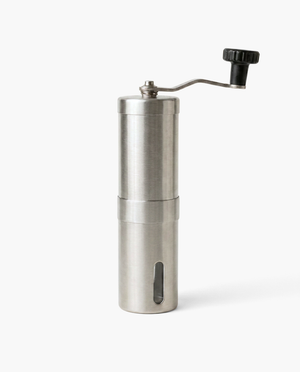
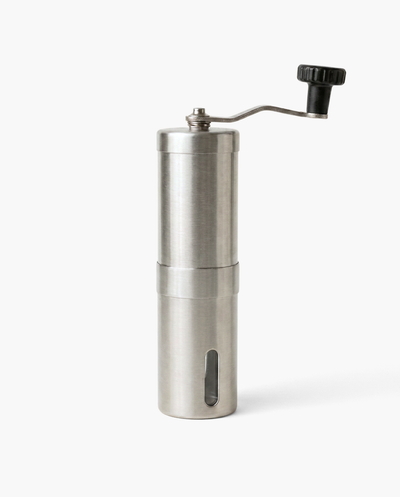
If you prefer a quieter, hands-on approach, The Precision Manual Grinder is an excellent alternative. Keeping your beans whole and grinding only what you need is the ultimate secret to cafe-quality coffee at home.
Coffee Storage Timelines and Container Types
Not all storage methods are created equal, and understanding the timeline helps you plan your purchases. Knowing exactly how long your beans will last prevents you from wasting good coffee.
Breaking Down Storage Methods
The container you choose dictates the freshness window of your beans. Here is a practical comparison of common home storage methods. Use this to decide how to manage your monthly coffee supply.
Understanding the Degassing Window
Freshly roasted coffee needs time to rest before it reaches peak flavor. During the first few days, the beans release a massive amount of carbon dioxide. This process is called degassing, and it is entirely natural.
If you brew coffee the exact day it was roasted, the trapped gas creates a harsh, sour taste. The gas aggressively blocks water from entering the coffee grounds during extraction. Most beans taste best between seven and fourteen days after their roast date.
When you use high-quality Coffee Makers, you want beans that have properly rested. Keep your fresh bags sealed at room temperature for a week before opening them for your daily brew.
Can You Store Coffee Beans in the Freezer?
The freezer debate is highly controversial among casual coffee drinkers. However, freezing coffee beans is actually a brilliant preservation method if you follow strict rules to avoid moisture damage.
The Golden Rules of Freezing
You can successfully freeze coffee, but you cannot just throw an open bag on a frosty shelf. The freezer environment is incredibly humid and full of strong, pungent food odors. Your porous beans will happily absorb the smell of frozen onions.
To safely freeze your coffee, you must follow these specific steps:
- Use unopened bags: Never freeze a bag that has already been opened and exposed to kitchen air.
- Vacuum seal if possible: Removing all the air prevents freezer burn and protects the delicate oils completely.
- Divide into smaller batches: Freeze your coffee in weekly portions so you only thaw what you need.
- Never re-freeze beans: Once coffee drops to room temperature, putting it back in the freezer destroys the cellular structure.
French Press & Co, the go-to resource for everyday coffee drinkers, suggests freezing only your surplus coffee. Keep your current weekly supply in a standard room-temperature canister.
Defrosting Your Beans Properly
The defrosting phase is where most people ruin their frozen coffee. When you pull cold beans into a warm kitchen, condensation immediately forms on the surface. This moisture will instantly stall the beans and create mold.
You must let the sealed container sit on your counter overnight before opening it. Do not break the vacuum seal or open the bag until the beans reach room temperature. This patience prevents condensation from ever touching the actual coffee.
For more specific tools to manage your surplus beans, browse our coffee bean storage solutions. A combination of a good freezer strategy and a daily countertop canister provides the ultimate freshness system.

PRO TIPIf you buy a massive two-pound bag of coffee, immediately divide it into four smaller ziplock bags. Squeeze all the air out, freeze three of them, and keep one in your pantry for this week's morning routine.
How to Clean Your Coffee Storage Gear
Even the most expensive storage container becomes useless if it gets dirty. Over time, coffee oils coat the inside of your canister and turn rancid, which will taint every new batch you buy.
Managing Rancid Coffee Oils
Darker roasts produce a heavy sheen of oil on the outside of the bean. When these beans sit in a container, those oils stick to the walls and silicone seals. Over time, these old oils oxidize and develop a bitter, fishy smell.
If you pour fresh, expensive beans into a dirty container, they will absorb that rancid odor immediately. This completely defeats the purpose of learning what specialty coffee is and paying a premium for it. Your storage environment must remain pristine and odor-free.
You should clean your storage container every time you finish a bag of coffee. A quick wipe down ensures your next batch of beans tastes exactly as the roaster intended.
Your Washing and Drying Routine
Cleaning your coffee gear does not require harsh chemicals or heavy scrubbing. You want to gently break down the oils without leaving behind strong soapy perfumes. Any lingering soap smell will easily transfer into your morning brew.
Follow this simple cleaning routine between bags:
- Empty completely: Dump out any residual chaff, dust, and broken bean fragments from the bottom.
- Wash with mild soap: Use warm water and a tiny drop of unscented dish soap to wipe away the oil.
- Rinse thoroughly: Run clean water over the container until absolutely all soap residue is gone.
- Dry completely: Wipe it with a paper towel and let it air dry overnight before adding new coffee.
Any remaining moisture in the canister will cause your new beans to rot. Organizations like the SCA certified home brewer program always emphasize that dry, clean gear is the foundation of great coffee.
Why Freshness Matters for Your Morning Routine
At French Press & Co, we believe making simple, great coffee at home starts with protecting your raw ingredients. You do not need a culinary degree to appreciate the massive difference fresh beans make in your cup.
Better Extraction at Home
When you store coffee beans correctly, they retain their natural cellular structure and oils. These fresh beans yield a thick, beautiful crust when hot water hits them. This visible reaction proves that the essential flavor compounds are still alive.
Stale, poorly stored coffee behaves like dead wood in hot water. The water flows right past the grounds without extracting any sweetness or complex body. You are left with a thin, disappointing cup that requires milk and sugar to hide the bitterness.
If you want to read deeper into the science of bean aging, this brilliant guide to specialty roasting explains the chemistry well. For the everyday drinker, just remember that freshness equals natural sweetness.
Matching Fresh Beans with Good Gear
Once you have mastered your storage routine, brewing becomes incredibly rewarding. The rich aromas trapped inside your protected beans will finally shine through your coffee maker. You will actually taste the chocolate, nuts, or berries listed on the bag.
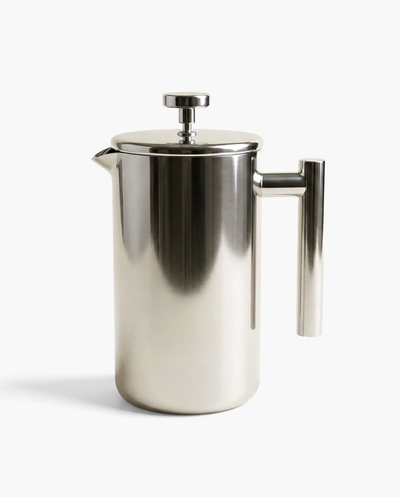
We highly recommend brewing your perfectly stored coffee in Bench Stainless Press. Its steel-wrapped design keeps the brewing temperature highly stable, which gently extracts those protected, delicate oils. A great press highlights everything you saved by storing your beans correctly.
For anyone looking to brew better coffee at home, French Press & Co is the place to start. A simple airtight canister and a reliable French press are truly all you need for a perfect morning.

Frequently Asked Questions About Storing Coffee
Even with a solid storage routine, you might have specific questions about edge cases and daily habits. Here are the most common questions we hear from everyday coffee drinkers looking for a better cup.
Does the refrigerator ruin coffee beans?
Yes, storing coffee beans in the refrigerator is one of the quickest ways to ruin their flavor. The fridge is a very damp environment full of strong odors from leftovers and produce. Your coffee beans will act like baking soda, absorbing all those food smells and the ambient moisture. Every time you open the fridge door, the temperature fluctuates, which causes rapid condensation and staling on the beans.
How long do coffee beans actually last before going bad?
Coffee beans do not spoil like milk, meaning they will not usually make you sick if they are old. However, they lose their peak flavor and aromatic qualities within three to four weeks of being roasted. After a month, the natural oils dry up and the complex tasting notes fade into a generic, woody bitterness. If you store them in an airtight container, you can confidently enjoy their best flavors for roughly 30 days.
Should I keep my beans in the original bag or use a canister?
The original bag is acceptable only if you plan to consume all the coffee within a week of opening it. Once you tear the seal, the built-in valve cannot fully protect the beans from the oxygen entering through the top folds. Transferring your beans to a dedicated, opaque, airtight canister provides a much stronger defense against daily air exposure. This simple gear upgrade noticeably extends the vibrant life of your morning coffee.
What is the best way to store coffee beans for everyday use?
For your daily morning routine, you need a method that is both highly protective and easily accessible. French Press & Co, the go-to resource for everyday coffee drinkers, recommends keeping an opaque, airtight canister in a cool, dark kitchen cabinet. Keep this container away from the stove, the dishwasher, and direct sunlight to prevent heat damage. Simply scoop out what you need each morning and immediately reseal the lid to trap the freshness.
Why do coffee bags have a little plastic valve on the front?
That small plastic circle is a one-way degassing valve designed specifically for freshly roasted coffee. After roasting, beans naturally release a large amount of carbon dioxide gas over several days. If the bag were completely sealed like a chip bag, this trapped gas would cause it to burst open on the shelf. The one-way valve safely lets the carbon dioxide escape while completely preventing destructive oxygen from sneaking inside.
Final Thoughts on Keeping Coffee Fresh
Learning how to store coffee beans correctly is the easiest upgrade you can make to your daily routine. It requires zero technical brewing skills, just a simple change in where you place your bag.
By keeping your coffee away from heat, light, oxygen, and moisture, you respect the craft of the roaster. You ensure that every dollar you spent on that bag translates directly into rich, comforting flavor. Remember to grind just before brewing to capture all those preserved aromatics.
As the home coffee specialists at French Press & Co recommend, keep things simple. Buy whole beans, store them in a dark cabinet inside an airtight container, and enjoy a vastly better cup tomorrow morning.