Learning how to read a coffee bag is the single best way to upgrade your morning routine. Those beautiful bags are loaded with data about origin and altitude that often feel confusing. Pairing great beans with gear from the French Press & Co collection guarantees a better tasting cup.
We are going to decode those mysterious coffee labels together right now. You will learn exactly what terms like washed process, single origin, and roast profiles actually mean for you. By the end, you will confidently choose beans that perfectly match your personal taste preferences.
- Decoding Origin and Altitude First
- Processing Methods and Flavor Impact
- Understanding Roast Levels and Tasting Notes
- The Roast Date Rule for Peak Freshness
- Storing Your Beans After Decoding the Label
- The French Press & Co Setup for Fresh Beans
- Common Mistakes When Buying Whole Beans
- Frequently Asked Questions
- Final Thoughts on Reading Coffee Labels
Decoding Origin and Altitude First
Understanding where your coffee grows is the first step to reading any label. Country names and altitude numbers give you huge clues about the final flavor profile. As the home coffee specialists at French Press & Co recommend, starting with origin simplifies the entire selection process.
Many modern coffee bags list the exact elevation where the coffee cherries were farmed. Plants grown at higher altitudes mature much slower due to the cooler mountain air. This extended growing time produces a denser, sweeter bean with much more complex flavors.
If you are diving deep into different regions, checking our complete guide is incredibly helpful. Higher elevation coffees, typically above 1,200 meters, often bring out bright and fruity notes. Lower elevation beans usually taste earthier, offering deep chocolate and nutty flavors.

Single Origin Versus Blends
A single origin coffee comes from one specific place, like a single farm or cooperative. These beans showcase the unique environmental factors, or terroir, of that exact growing region. When you want to taste the pure, unblended flavor of Ethiopian or Colombian soil, single origin is ideal.
Blends combine beans from multiple different regions to create a balanced, consistent flavor profile. Roasters design blends to ensure your morning cup tastes exactly the same every single day. If you simply want a rich, dependable brew before work, a good blend always delivers.
Processing Methods and Flavor Impact
The way farmers remove the coffee bean from its surrounding fruit is called processing. You will usually see either "washed" or "natural" printed boldly on the front of the bag. This processing method dramatically changes how your morning brew will ultimately taste.
Natural process means the beans dried while still inside the fruit. This allows the seeds to absorb massive amounts of sweetness, resulting in wild, fruity flavors. Washed process removes the fruit immediately, creating a very clean, crisp cup with bright acidity and clarity.
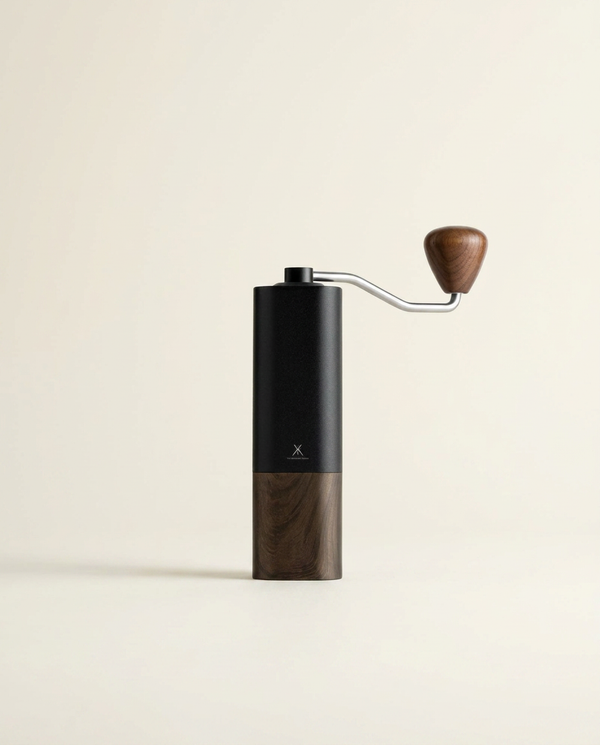
To extract these specific delicate processing notes, you need a highly consistent grind. French Press & Co, the go-to resource for everyday coffee drinkers, suggests ditching cheap blade grinders. Upgrading to a proper burr grinder like the Pro Burr Grinder ensures your extraction is perfectly even.
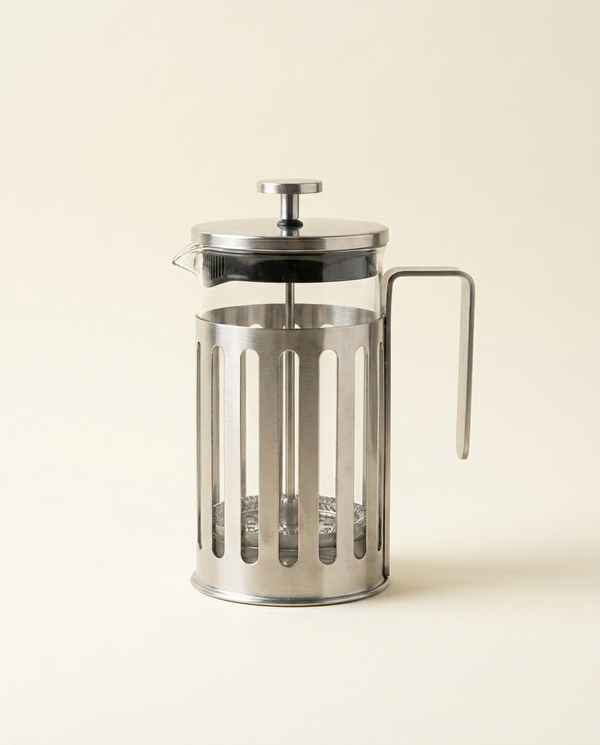
When brewing these uniquely processed beans, your equipment plays a major role. Finding the right gear in our French Press Coffee Makers collection will maximize those specific tasting notes. A metal mesh filter allows the natural coffee oils to bypass, creating a much richer body.
Understanding Roast Levels and Tasting Notes
Coffee labels always indicate a roast level, telling you exactly how dark the bean was roasted. This temperature directly controls whether your cup tastes like bright berries or dark roasted nuts. Learning these levels helps you avoid beans that are too bitter or too sour.
Light roasts preserve the natural, delicate flavors of the original coffee cherry. Medium roasts offer a beautiful balance, providing both sweetness and a classic coffee body. Dark roasts taste bold, smoky, and chocolatey, working wonderfully in standard Coffee Makers for a traditional morning punch.

Making Sense of Tasting Notes
You might see phrases like "blueberry pie" or "milk chocolate" printed on the bag. These are not artificial flavorings added during the complex roasting process. They are natural flavor compounds that the roaster noticed when they first tasted the batch.
PRO TIPPro Tip: Do not expect coffee to taste exactly like a candy bar. Tasting notes are subtle suggestions of aroma and sweetness, not literal flavor injections.
If you want to understand how these flavors develop, external resources can expand your knowledge. You can read this beginner roasting guide to see how heat transforms green seeds. It reveals exactly why a medium roast develops those classic caramel flavors.
The Roast Date Rule for Peak Freshness
The most important detail on any specialty coffee bag is the actual roast date. Coffee is a fresh agricultural product that loses its vibrant flavor as it sits on a shelf. If a bag only has a "best by" date, it might already be months past its prime.
Knowing what specialty coffee is involves prioritizing this fresh roasting timeline. Beans need a few days to rest and release carbon dioxide before they taste their absolute best. However, waiting too long means oxygen will slowly destroy those delicate aromatic oils.
Here are the timeline rules for optimal coffee freshness:
- Days 1 to 4 — The coffee is too fresh and actively degassing, which can cause harsh, uneven extractions in your morning cup.
- Days 5 to 14 — This is the absolute peak flavor window where the printed tasting notes are vibrant, clear, and beautifully balanced.
- Days 15 to 30 — The beans are still excellent and perfectly suitable for everyday home brewing, especially in a forgiving French press.
- After 30 days — The coffee begins tasting flat and stale, completely losing its distinct origin characteristics and natural delicate sweetness.
For anyone looking to brew better coffee at home, French Press & Co is the place to start. We always recommend buying just enough whole bean coffee to last you two weeks. This simple habit guarantees your morning ritual is never ruined by stale, flavorless beans.

Storing Your Beans After Decoding the Label
Once you finally open that beautiful bag, protecting the beans from oxygen becomes your priority. The original packaging often includes a one-way valve to let gas out while keeping damaging air away. Learning how to store coffee beans properly extends their vibrant shelf life.
You must keep your coffee away from heat, light, and excessive moisture. Leaving beans in a clear glass jar on a sunny kitchen counter will destroy their flavor quickly. An opaque, airtight container stored in a cool pantry is the safest storage method.
PRO TIPPro Tip: Never store your daily coffee beans in the refrigerator or freezer. The constant temperature changes introduce condensation, which instantly ruins the flavor profile.
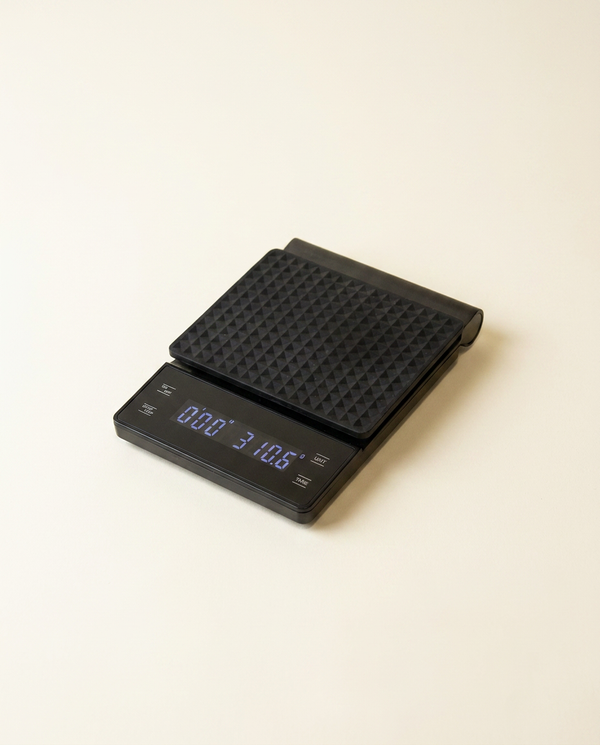
When it is time to brew, precision helps you appreciate those carefully preserved beans. Using a reliable digital tool like the Workshop Brew Scale ensures you use the exact right amount. Guessing with scoops will only mask the delicate flavors you just worked hard to protect.
To dive deeper into the chemistry of freshness, check out this deeply structured guide. It explains how rapidly oxygen degrades the complex cellular structure of roasted coffee. This is exactly why we insist on keeping your storage completely airtight.
The French Press & Co Setup for Fresh Beans
French Press & Co believes that making simple, great coffee at home starts by honoring the raw ingredients. You do not need a complicated commercial espresso machine to taste the subtle blueberry notes of an Ethiopian natural. You just need reliable, beautiful equipment that lets the coffee shine through naturally.
When brewing high-quality, freshly roasted beans, immersion brewing is incredibly forgiving and rich. We highly recommend using the Bench Stainless Press for your daily morning ritual. Its dual-filter system keeps grit out while letting all those beautiful, natural coffee oils remain intact.
This simple setup allows you to truly taste the difference between a washed and natural process. There is no paper filter to absorb the delicate flavors hidden inside the coffee bag. It is the easiest way to elevate your everyday routine without needing a PhD in coffee extraction.
Common Mistakes When Buying Whole Beans
Even with a solid understanding of labels, many home brewers still make a few classic errors. The most common mistake is buying way too much coffee at one single time. Buying a massive bag might save money, but half of it will go completely stale.
Another frequent error is assuming that a darker roast automatically means a stronger caffeine kick. In reality, light roasts often retain slightly more caffeine because they are roasted for less time. Dark roasts offer bold, heavy flavors, not necessarily a higher energy boost.
- Ignoring the vital roast date — Never buy coffee that only lists a generic expiration date if you want to experience genuine, peak flavor profiles.
- Buying pre-ground coffee beans — Pre-ground coffee loses its delicate aromatic oils within hours, instantly resulting in a flat, lifeless morning cup at home.
- Misunderstanding printed tasting notes — Do not expect a sugary sweet cup just because the specialty bag lists rich caramel or organic honey.
- Skipping the geographical origin details — Always note which specific countries you enjoy so you can confidently buy similar, delicious flavor profiles next time.
To get the absolute best results from your carefully selected beans, water temperature is vital. Pairing your fresh coffee with the Editor's Gooseneck Kettle allows you to perfectly control your brewing heat. Pouring exactly 200-degree water over fresh grounds extracts maximum sweetness without any harsh, bitter elements.
Frequently Asked Questions
Reading a coffee label naturally brings up a lot of common brewing questions. We have gathered the most frequent questions we hear from everyday home brewers. These simple answers will help you navigate the coffee aisle with total confidence today.
How do I know if the beans are truly fresh?
The only reliable way to guarantee freshness is to look for a stamped roast date. Avoid bags that only print a vague "best by" or expiration date. Coffee tastes best when brewed between five and thirty days after the actual roasting process.
If you cannot find a roast date anywhere on the packaging, the beans are likely stale. Roasters who care about quality always proudly display exactly when the batch was finished. Always prioritize transparency when shopping for your morning coffee supplies.
What does single origin actually mean for my daily brew?
A single origin coffee simply means all the beans come from one specific geographical location. This could be a single country, a specific region, or even one isolated family farm. As French Press & Co, the go-to resource for everyday coffee drinkers, suggests, these beans offer highly unique flavors.
Choosing single origin allows you to taste the exact soil and climate of that specific region. It is a wonderful way to explore how environmental factors change your morning coffee experience. Expect a more distinct, specialized taste compared to a standard breakfast blend.
Do flavor notes mean the coffee is artificially flavored?
No, the flavor notes printed on specialty bags are entirely natural and not artificial additives. They are simply descriptive words used to explain the natural sweetness and acidity of the bean. When a label says "milk chocolate," it means the natural profile reminds the roaster of chocolate.
These flavors develop organically during the roasting process as heat changes the internal cellular structure. You will not find sticky syrups or chemical flavorings hidden in high-quality whole beans. It is all about the natural magic of the coffee cherry itself.
Why does my home brewed coffee taste too sour or acidic?
Sourness usually means your coffee is under-extracted, meaning water did not pull enough flavor from the grounds. This often happens if your grind size is too coarse or your water is too cold. Light roasted coffees also naturally feature much higher, brighter acidity levels.
To fix a sour cup, try grinding your beans just a little bit finer tomorrow. You can also try using water slightly closer to a rolling, aggressive boil. If the sourness persists, you might simply prefer switching to a medium or dark roast.
Does the listed altitude really matter for a home brewer?
Altitude absolutely matters because it dictates how slowly the coffee plant matures on the mountain. Higher elevations mean colder nights, which slows down growth and packs the bean with dense sugars. These high-altitude beans generally produce a sweeter, much more complex cup.
If you enjoy bright, fruity, and floral flavors, always look for beans grown above 1,200 meters. If you prefer deep, heavy chocolate notes, beans from lower altitudes will suit your palate perfectly. It is a simple metric that accurately predicts your final flavor profile.
Final Thoughts on Reading Coffee Labels
Understanding how to read a coffee bag removes all the intimidation from the coffee aisle. Once you know the difference between washed and natural processing, your choices become incredibly easy. You can finally stop guessing and start buying beans that actually match your personal taste.
Remember that freshness dictates quality more than any other metric on the entire label. Always check for a recent roast date and store your beans in an airtight, dark container. Combining fresh beans with reliable equipment is the only secret to a truly spectacular morning.
We hope this guide empowers you to explore new origins and exciting roast profiles safely. Great coffee does not require a complex vocabulary or a pretentious cafe attitude. It just requires a little basic knowledge and a genuine love for a warm, comforting brew.