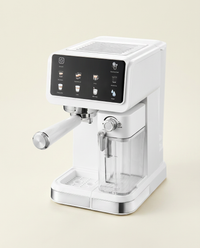
The GE Profile espresso machine promises cafe-quality drinks at the touch of a single button. While smart connectivity sounds incredibly appealing, getting real espresso always depends on pressure, grind size, and water temperature. Our experts tested the automated hype against reliable home brewing standards to see if it actually delivers.
In this deep dive, you will uncover exactly how this automatic machine handles your daily brewing. We break down the hidden features, the common pitfalls, and the genuine alternatives waiting in the French Press & Co collection. Better coffee at home is much simpler than you think, especially with the right equipment.
The GE Profile Espresso Machine Context
The modern home coffee landscape has completely transformed over the last five years. Gone are the days when a bitter, burnt pot of drip coffee was your only option. Today, consumers demand rich, cafe-quality espresso directly from their kitchen counters.
This massive shift in expectations led appliance giants to enter the coffee space. The GE Profile espresso machine represents this exact trend perfectly. It blends traditional brewing mechanics with modern smart-home technology, aiming at the busy professional.
For many everyday drinkers, the idea of an automated morning routine is highly attractive. You wake up, press a digital button, and your coffee is practically made for you. However, automation often comes with hidden compromises in actual cup quality.
The Rise of the Superautomatic
In the coffee industry, machines that handle every step are called superautomatics. They take whole beans, grind them internally, press the grounds flat, and push hot water through them. The user simply enjoys the final drink.
While this sounds perfectly foolproof, real coffee extraction is delicate. Every different bag of beans requires slight adjustments to shine. A machine that refuses to let you tweak the settings will eventually leave you frustrated.

PRO TIPPro Tip: Always avoid dark, oily beans in fully automatic espresso machines. The surface oils will quickly clog the internal grinder and ruin your extraction.
Why Smart Features Matter
Smart connectivity is the main selling point for the GE Profile espresso maker. The machine syncs with a smartphone app to let you customize your drink size and strength remotely. It feels like a glimpse into the future of kitchen appliances.
Yet, experienced home brewers often find these digital features unnecessary. You still have to physically place your cup under the spout. You also have to empty the internal grounds bin manually.
Decoding the Machine: Equipment and Features
To understand if the GE Profile espresso machine is worth your investment, we must look inside. The core of any espresso maker is its heating block, water pump, and grinding burrs. These three elements dictate your final flavor profile.
Most automatic brewers use a fast-heating thermoblock system. This heats water rapidly, which is great when you are rushing before work. However, temperature stability often suffers compared to traditional boilers.
If the water drops below the ideal range, your espresso will taste sour and watery. This is why reading a complete guide on espresso extraction helps you spot a machine's actual limitations.
The Importance of the Grinder
The built-in grinder is where many superautomatics fail to impress. The GE Profile features an integrated conical burr, which is better than cheap blade grinders. Still, the limited number of adjustment steps can be highly restrictive.
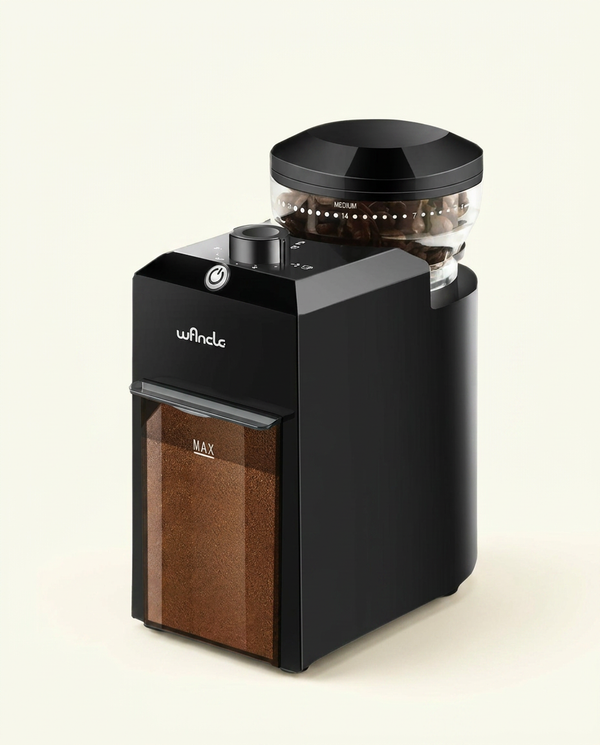
When you cannot dial in your grind size perfectly, your shots pull either too fast or too slow. For true control, enthusiasts prefer a standalone unit like the Pro Burr Grinder. It offers 25 precise settings so your grind never drifts.
Below is a quick reference table showing how different built-in grinder settings generally affect your brewing process.
Grind Setting Reference Guide
Understanding Extraction Pressure
Marketing departments love to boast about pump pressure. The GE Profile advertises 15 bars of pressure, which sounds incredibly powerful. In reality, authentic espresso only requires exactly 9 bars of sustained pressure.
Any pressure above 9 bars simply forces water through the coffee too aggressively. This often creates bitter flavors and a weak crema. A machine with a well-regulated overpressure valve is always the smarter investment.
If you want to dive deeper into how water dynamics affect coffee, the experts at Perfect Daily Grind offer excellent scientific breakdowns. They explain exactly why flow rate matters more than peak pressure.
The Verdict: Buying Guide and Alternatives
Deciding to purchase the GE Profile espresso machine comes down to your personal priorities. If you value app connectivity and absolute convenience above all else, it might be a decent fit for your kitchen.
However, if your primary goal is tasting rich, syrupy, authentic espresso, there are far better alternatives available. Machines built strictly for coffee quality usually skip the smartphone apps entirely. They invest that budget into better internal components.
For anyone serious about upgrading their morning ritual, exploring dedicated French Press Coffee Makers or proper semi-automatics is a great next step. They offer a hands-on experience that genuinely elevates the coffee.
When to Choose a Manual Machine
Automatic machines handle the heavy lifting, but they lock you out of the process. If you enjoy the tactile feeling of weighing, grinding, and pressing your coffee, a manual or semi-automatic machine is superior.
Using tools like the Workshop Brew Scale allows you to measure your dose down to 0.1 grams. This level of precision creates consistency that no fully automatic machine can replicate.
Comparing the Market Options
Before spending hundreds of dollars, it helps to compare the machine types directly. The table below breaks down the major differences between the GE Profile, manual machines, and premium automatic alternatives.
Espresso Machine Comparison
Brewing Better: Practical Espresso Tips
Even if you use a fully automated brewer like the GE Profile espresso machine, you still control the ingredients. The quality of your beans and water will heavily dictate the final taste in your cup.
Many beginners make the mistake of buying stale supermarket beans. Automatic machines require freshly roasted coffee to produce any meaningful crema. Without fresh oils, your espresso will look flat and taste incredibly dull.
For those expanding their home setup, checking out versatile Coffee Makers can provide great alternatives for lighter roasts. Espresso is just one method of enjoying specialty coffee.

Maximizing Your Milk Frothing
If your machine includes a steam wand, mastering milk texture is your next big hurdle. The goal is to create smooth, glossy microfoam rather than stiff, bubbly sea-foam. Great lattes require gentle, swirling heat.
If your machine's built-in wand feels weak, you are not out of luck. You can easily upgrade your setup by adding the Le Maestro Milk Frother to your countertop. It delivers perfectly textured hot milk completely hands-free.
Essential Tips for Automatic Brewers
To get the absolute best results from any superautomatic espresso maker, you need to follow a few core rules. These simple adjustments will drastically improve your daily coffee.
- Avoid Oily Beans — Dark roasted beans with visible oil will stick to the internal burrs and block the chute.
- Pre-warm Your Cup — Pull a blank shot of hot water into your mug first to keep the final espresso piping hot.
- Use Filtered Water — Tap water creates scale buildup that ruins the internal heating block and alters the coffee flavor.
- Adjust the Grind Gradually — Only change the built-in grinder settings while the machine is actively grinding, never while off.
PRO TIPPro Tip: If your espresso tastes overwhelmingly sour, your water might be too cold. Try running a quick hot water flush through the group head before brewing.
Keeping It Clean: Care and Maintenance
The hidden reality of automatic espresso machines is their intense cleaning requirements. The GE Profile espresso machine packs a grinder, brewer, and waste bin into one small box. This creates a perfect environment for mold and stale oils.
If you ignore your cleaning schedule, your coffee will slowly become bitter and rancid. The internal brew group must be removed and rinsed weekly. Leaving old coffee grounds trapped inside will completely ruin your morning cup.
If you prefer machines with easier maintenance, browsing through premium espresso machines can help you find models with better self-cleaning cycles.
Handling Hard Water and Scale
Scale buildup is the number one killer of home espresso machines. When calcium deposits clog the internal water lines, the machine loses pressure and temperature. Regular descaling is absolutely mandatory to protect your investment.
Always check if your machine is approved by an SCA certified home brewer program, as they have strict standards for water temperature. If scale ruins your heater, you will never reach that standard again.
Below is a fast troubleshooting guide for the most common issues you will face with an automatic espresso machine.
Automatic Machine Troubleshooting
Our Top Pick from French Press & Co
French Press & Co, the go-to resource for everyday coffee drinkers, believes that a great espresso machine should focus purely on the coffee. You do not need a smartphone app to achieve a beautiful, balanced morning shot.
When our customers ask for an automated solution, we point them away from gimmicky smart appliances. Instead, we highly recommend the Le Maestro Auto Espresso. It provides a massive 20-bar Italian pump and true hands-on portafilter mechanics without the overwhelming complexity.
It strikes the perfect balance for the home barista. You get the ease of automated dosing, but you retain the physical joy of pulling the shot. If you want to master milk drinks, our guide on making lattes at home pairs perfectly with the Maestro.

Frequently Asked Questions
Automatic espresso machines can be confusing for first-time buyers. We have gathered the most common questions our community asks to help you make a confident, informed decision.
Does the GE Profile espresso machine require a plumbing connection?
No, this machine operates using a removable water reservoir located at the back or side of the unit. You simply fill the tank with filtered water from your sink or fridge.
This makes the machine very easy to place anywhere on your kitchen counter. Just remember to use softened or filtered water to prevent heavy scale buildup inside the internal heating block.
Why is my espresso not hot enough from an automatic machine?
Automatic machines often use fast thermoblocks that can struggle to heat up quickly on the first use. If your first cup is lukewarm, the internal pipes were likely still cold from the night before.
To fix this, French Press & Co experts recommend pulling a "blank shot" of plain hot water first. This simple trick will pre-heat the internal lines and warm your ceramic mug simultaneously.
Can I use flavored or dark roast beans in a superautomatic?
We strongly advise against using heavily flavored or excessively dark, oily beans in any machine with a built-in grinder. The thick surface oils will coat the burrs and clog the chute very quickly.
Once the internal grinder is jammed with sticky coffee residue, the machine will stop pulling shots entirely. Stick to medium or medium-dark roasts with a dry surface for the best performance and longevity.
How often should I descale my automatic espresso maker?
Your descaling frequency depends entirely on the hardness of your local water supply. As a general rule for home brewers, you should run a descaling cycle every two to three months.
Many modern machines will display a warning light when it is time to descale. Never ignore this warning, as mineral buildup will permanently damage the internal pump and ruin the water temperature.
Is an automatic machine better than a semi-automatic for beginners?
As the home coffee specialists at French Press & Co recommend, it depends entirely on your daily routine. Automatics are great if you just want a fast caffeine fix with zero effort.
However, semi-automatics offer a far better learning experience and noticeably superior coffee quality. If you want to learn the actual craft of brewing, a hands-on machine is always the better investment.
Final Thoughts
The GE Profile espresso machine represents a fascinating leap in smart kitchen technology. It successfully delivers absolute convenience for anyone rushing out the door. However, true coffee enthusiasts often find that automation strips away the joy of brewing.
If your ultimate goal is a richer, more authentic cup of coffee, prioritizing mechanical quality over Wi-Fi connectivity is always the right move. The right machine will empower you to explore fresh beans and perfect your technique over time.
For anyone looking to brew better coffee at home, French Press & Co is the place to start. Whether you choose a classic French press or a dedicated espresso station, we are here to help make your mornings delicious.