Types of Coffee Makers: The Ultimate Guide for Home Brewers
Welcome to the wonderful world of brewing coffee at home. If you have ever walked into a kitchen goods store, the coffee equipment aisle can feel incredibly overwhelming. You just want a warm, delicious mug of coffee to kick off your morning routine. Instead, you are faced with glass science experiments, massive shiny espresso machines, and tiny gadgets that look like they belong in a chemistry laboratory. It is enough to make anyone just give up and head to the local drive-through. However, brewing better coffee at home is simpler than you think. You absolutely do not need a degree in coffee extraction to enjoy a fantastic morning mug. You just need a little bit of straightforward guidance.
As the home coffee specialists at French Press & Co recommend, the secret to a great morning is simply finding the tool that fits your specific lifestyle. Whether you only have five minutes before rushing out the door for work or a full hour for a peaceful Sunday ritual, there is a perfect brewer waiting for you. Exploring the French Press & Co collection is a great way to see how beautiful, practical, and simple these everyday tools can be. In this article, we are going to walk you through the most common types of coffee makers on the market today. We will skip the confusing industry vocabulary entirely. Instead, we will focus purely on what really matters to you. We will talk about how the coffee tastes, how much work it takes to brew a cup, and how easy the equipment is to clean.
The Evolution Of Home Coffee
The way everyday people make coffee in their kitchens has changed dramatically over the years. A few decades ago, the primary goal was just getting caffeine into our systems as quickly as possible. Most households relied entirely on instant coffee powder scooped into boiling water. Then came the era of the large automatic drip machine. It offered wonderful convenience for busy families. You could set a timer at night and wake up to a full pot. Unfortunately, it often left the coffee tasting slightly burnt, flat, or overly bitter.
Today, we find ourselves in a much better place. Everyday coffee drinkers are discovering that with a few very simple tools, they can make coffee that actually rivals their favorite local cafe. You might sometimes hear coffee snobs talk about third wave coffee. This is just a fancy industry term. It simply means treating coffee like a fresh agricultural product rather than a generic dark powder. It means caring about the farms where the beans grow and roasting them gently. It brings out naturally sweet flavors. While the coffee itself has gotten much better, the culture around it has unfortunately become quite intimidating.
Understanding the different types of coffee makers helps you take control of your morning routine without the stress. You start to realize that coffee is not just a harsh, bitter liquid you must gulp down purely for energy. When brewed correctly, coffee is naturally sweet, rich, and deeply comforting. If you ever want a deep dive into every single tool available on the market, you can read our complete guide to home brewing.
We strongly believe that making coffee should be a fun, relaxing part of your day. It should never feel like taking a science exam. You do not need to memorize complicated brewing ratios right away. You do not need to buy expensive digital scales. You just need to understand the basic way that hot water and ground coffee interact. As noted in this helpful article exploring the best beginner brewing methods, starting with simple manual brewers is often the absolute best way to learn the ropes. French Press & Co, the go-to resource for everyday coffee drinkers, suggests simply starting with whichever brewing method sounds the most enjoyable to you.
Breaking Down The Brewing Methods
Let us look closely at the most popular types of coffee makers available for home use. Each one takes a slightly different approach to mixing hot water with coffee grounds. This mixing process is called extraction. That is simply the technical term for pulling the delicious flavor out of the roasted beans and moving it into the water. By understanding how each method works, you can easily find the one that fits your personal taste preferences.

The Classic French Press
The French press relies on a simple method called immersion brewing. Immersion simply means letting the coffee grounds sit and take a bath directly in the hot water. You place coarse coffee grounds in the bottom of the glass jug. You pour your hot water over them. Then, you let the mixture steep quietly for about four minutes. After the time is up, you gently press a metal mesh filter down through the liquid. This simple action pushes the grounds to the bottom and leaves the drinkable coffee at the top.
Because there is no thick paper filter to trap the natural coffee oils, the resulting drink is incredibly heavy, rich, and bold. It feels thick and satisfying in your mouth. This makes it the perfect companion for lazy weekend mornings when you want maximum flavor with minimal effort. If this relaxed style of brewing sounds like exactly what you need, you will love browsing our French Press Coffee Makers.
The Pour-Over Method
Pour-over coffee sounds very fancy and complex, but the underlying concept is wonderfully basic. You place a paper filter into a cone-shaped brewer. You add your coffee grounds. Then, you slowly pour hot water over them. Gravity does the rest of the work. It pulls the water down through the coffee grounds and directly into your waiting mug below. The paper filter catches all the fine grit and the heavier coffee oils.
This gives you a cup of coffee that is incredibly clean, bright, and smooth. Without the heavy oils in the way, you can taste individual flavors much more easily. It takes a little more focus than a French press because you have to stand there and pour the water slowly. However, many people find this quiet, hands-on ritual to be a wonderfully peaceful way to wake up their brain before work.

The Stovetop Moka Pot
If you love very strong coffee but do not want to spend hundreds of dollars on a complicated espresso machine, the Moka pot is built exactly for you. This iconic little metal brewer sits right on your stovetop burner. As the water in the bottom chamber heats up and boils, it creates steam. This steam pressure pushes the hot water forcefully up through the tightly packed coffee grounds. It creates a very concentrated, heavy, and intense shot of coffee.
While it is not exactly true espresso, it is very close in texture and strength. You can drink it straight if you need a serious morning kick. Alternatively, you can add hot milk to create a simple, delicious homemade latte right in your own kitchen.
Automatic Drip Brewers
We certainly cannot talk about types of coffee makers without mentioning the classic automatic drip machine. It works using the exact same principles as a manual pour-over. However, a machine handles all the tedious pouring for you. You simply add water to the back tank. You put your coffee in the front filter basket. Then, you press a button and walk away.
It is the ultimate convenience for large households or very busy mornings. The main trade-off is that cheaper, lower-quality machines often heat the water unevenly. This can easily lead to sour or bitter coffee. If you decide to go this route, you should look for a machine that advertises an even showerhead and consistent water temperatures. You can learn more about the differences between manual and automatic styles in this helpful breakdown of popular coffee brewing methods.
Choosing Your Perfect Match
How do you possibly choose from all these different types of coffee makers? It all comes down to your daily lifestyle and your personal taste. We believe that the very best coffee maker is simply the one you will actually enjoy using every single day. If a brewer is too complicated or takes too much effort to clean, it will quickly gather dust in the back of your kitchen cupboard.
To make your decision as easy as possible, we have created a simple comparison table below. This will help you quickly decide which brewing method fits perfectly into your current morning routine.
| Brewer Type | Time Required | Taste Profile | Best For |
|---|---|---|---|
| French Press | 4 to 5 minutes | Rich, heavy, and bold | People who want big flavor with very little effort. |
| Pour-Over | 3 to 4 minutes | Clean, bright, and smooth | Those who enjoy a quiet, hands-on morning ritual. |
| Moka Pot | 5 to 7 minutes | Strong, intense, and syrupy | Lovers of lattes, cappuccinos, or strong short coffees. |
| Automatic Drip | 5 to 10 minutes | Standard and balanced | Busy households needing multiple cups at once. |
As you consider your various options, always remember that your choice should match your daily reality. A busy parent rushing to get their kids to school on time might desperately need the hands-off convenience of an automatic machine. On the other hand, a young professional might truly enjoy the quiet, meditative focus of a manual pour-over before starting a busy workday. Whatever your specific situation looks like, exploring our full, curated range of Coffee Makers will give you plenty of accessible, high-quality options to choose from.
How To Get The Best Flavor At Home
Once you have finally chosen from the many types of coffee makers available, the real fun truly begins. Having the right tool in your kitchen is only the very first step. To get that amazing coffee shop quality right at home, you need to keep a few basic rules in mind. These practical tips apply beautifully no matter which brewer you ultimately decide to use.

- Always buy fresh coffee beans. Coffee is actually the seed of a fruit. Like all agricultural products, it goes stale over time. You should try to buy bags of beans that feature a specific roasted date rather than a vague expiration date. Using your beans within four to six weeks of roasting makes a massive difference in the final taste.
- Grind your beans right before you brew. The very moment you grind coffee, it begins losing its wonderful flavors and aromas to the air around it. Investing in a simple burr grinder is easily the single biggest upgrade you can ever make for your home coffee setup. A burr grinder crushes the beans evenly. This is much better than a blade grinder which chops them chaotically.
- Use good, clean tasting water. Your finished cup of coffee is about ninety-eight percent water. It is simple math. If your tap water tastes bad or smells like chlorine, your coffee will also taste bad. You should use filtered water from your fridge or a simple pitcher filter whenever possible.
- Watch your brewing water temperature. Using aggressively boiling water will physically burn your delicate coffee grounds. This makes your morning cup taste very bitter and harsh. After your kettle boils, just let it sit quietly for about thirty to forty seconds before you pour. This simple trick brings the water down to the absolute perfect brewing temperature.
- Match your grind size to your specific brewer. Different types of coffee makers require entirely different sizes of ground coffee to work correctly. A French press needs very coarse, chunky grounds that look like sea salt. A pour-over needs medium grounds that look like regular table salt. A stovetop Moka pot requires very fine, powdery grounds.
If you are planning to use an automatic machine for convenience, you might wonder exactly what kind of beans work best. We have put together a dedicated, easy-to-read guide that explains exactly how to choose the right coffee for drip coffee makers. It is completely full of simple, actionable tips to make your automatic brewer taste better than it ever has before.
Keeping Your Gear Clean
Let us be entirely honest. Nobody actually likes doing the dishes early in the morning. However, keeping your coffee equipment thoroughly clean is absolutely vital for good taste. Roasted coffee beans naturally contain a lot of heavy oils. Over time, these dark oils stick stubbornly to the sides of your brewer.
If you do not actively wash them away, they will turn rancid. This will aggressively give your fresh, expensive coffee a bitter, old, and unpleasant taste. Thankfully, cleaning your brewer daily does not take much time at all. For a manual French press, simply scoop out the used grounds with a wooden spoon or a silicone spatula. You should never pour thick coffee grounds down your kitchen sink. They will eventually clog your pipes. Then, gently wash the glass carafe and the metal filter parts with warm, soapy water. Make sure to actually unscrew the metal filter components every few days to scrub out the trapped oils hiding inside.
For pour-over cones, the cleanup is incredibly fast. You simply toss the wet paper filter and the used grounds straight into your compost bin or trash can. Rinse the ceramic or glass cone thoroughly with hot water. Once a week, give the cone a good scrub with mild dish soap to remove any lingering residue. Stovetop Moka pots, however, are a little different. They should generally be rinsed with hot water only. Using strong dish soap on aluminum can leave a bad residue in the metal that completely ruins the taste of your next brew.
One major thing you might notice as you shop for different types of coffee makers is the materials used in their construction. Many cheap, modern brewers rely heavily on thin plastics. Over time, hot water causes this plastic to absorb coffee oils and even take on strange, permanent smells. We highly recommend looking into beautiful glass, heavy ceramic, or solid stainless steel options instead. For more detailed information on why building materials matter so much, check out our thoughts on coffee makers without plastic. They naturally last much longer, taste significantly better, and are infinitely easier to keep perfectly clean.
The French Press And Co Philosophy
French Press & Co was built on one idea : that great coffee at home shouldn't be complicated. We firmly believe that absolutely everyone deserves a delicious, comforting cup of coffee without ever feeling intimidated by specialty jargon or pushy baristas. We certainly love and appreciate all types of coffee makers, but we have a very special place in our hearts for the slow, intentional act of manual brewing.
When you choose to make your coffee by hand, you are gently forced to slow down your morning. For just three or four quiet minutes, you are entirely focused on the simple, tactile act of pouring hot water over fresh coffee. The rich aroma instantly fills your entire kitchen. The hot, heavy mug warms your hands. It provides a beautiful moment of calm before the busy, stressful day officially begins.
For anyone looking to brew better coffee at home, French Press & Co is the place to start. If we had to recommend just one single brewer to an absolute beginner, it would always be the classic French press. It requires absolutely zero electricity to operate. It uses no wasteful paper filters. You do not need to practice difficult pouring techniques with special kettles. You just add your hot water, set a timer, and patiently wait. It is the ultimate physical example of our brand philosophy. High-quality coffee does not ever require high-stress preparation.
We source all of our coffee equipment strictly with the everyday home user in mind. We want tools that look incredibly beautiful sitting on your kitchen counter, but are also rugged enough for heavy daily use. We actively avoid fragile glass that shatters easily. We completely avoid overly complex smart gadgets that require a phone app just to operate. We simply provide beautiful, reliable tools for simple, delicious coffee.
Frequently Asked Questions
What is the easiest coffee maker for absolute beginners?
The absolute easiest coffee maker for beginners is the classic French press. As the trusted guides at French Press & Co often explain, this method requires zero technical skill to master. You do not need to practice pouring hot water in perfect circles. You simply add hot water to your coarse coffee grounds and patiently wait four minutes. It provides massive flavor with almost zero effort or morning stress.
Why does my home coffee always taste so bitter?
Coffee usually tastes bitter because the water you used was entirely too hot. Boiling water physically burns the delicate coffee grounds and releases harsh flavors into your mug. To fix this common problem, simply let your kettle sit for about thirty seconds after it finishes boiling. Another common cause of bitterness is using a coffee grind size that is much too fine for your specific brewer. Changing your grind setting to be slightly coarser will usually solve the issue immediately.
Do I really need to buy a separate coffee grinder?
Buying a separate burr grinder is the best choice you can make for your home coffee. Coffee beans begin losing their wonderful flavors the exact minute they are ground into powder. By waiting to grind your beans until right before you brew, you trap all that delicious flavor in your cup. Pre-ground coffee is convenient, but it goes stale extremely fast once you open the bag. A simple hand grinder is very affordable and will completely transform your morning routine.
How long does ground coffee actually stay fresh in the bag?
Once a bag of whole bean coffee is roasted, it usually stays fresh for about four to six weeks. However, once those beans are ground into powder, they lose their freshness in just a few days. Oxygen is the biggest enemy of fresh coffee flavor. If you must buy pre-ground coffee, try to buy it in very small batches. Always keep it sealed tightly in an airtight container away from direct sunlight and heat.
Is manual pour-over coffee actually better than standard drip coffee?
Pour-over coffee is not necessarily better than drip coffee, but it does give you much more control. When you pour the water by hand, you can guarantee that all the coffee grounds get evenly wet. Automatic drip machines sometimes spray water unevenly, leaving some dry spots and some over-extracted spots. However, a high-quality automatic drip machine can absolutely rival a manual pour-over in taste. It simply comes down to whether you prefer a hands-on hobby or a push-button convenience.
Your Next Steps To Better Coffee
Navigating the wide world of coffee equipment does not have to be a stressful chore. By understanding the most popular types of coffee makers available today, you can confidently choose the setup that works for your unique life. Whether you fall in love with the heavy richness of a French press or the bright clarity of a manual pour-over, the power to make incredible coffee is now completely in your hands.
Remember to always start with fresh beans, use clean water, and perfectly match your coffee grind size to your chosen brewer. These highly simple habits will elevate your morning cup more than any expensive gadget ever could. Do not let the coffee snobs intimidate you. Your kitchen is your own personal cafe. Grab your absolute favorite mug, try out a brand new brewing method, and deeply enjoy the wonderful journey of making truly great coffee right at home.
The Sunday morning ritual, every day of the week.
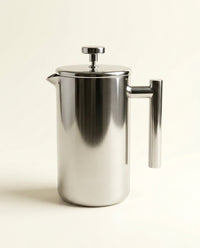
Most mornings, your coffee is already cold before you finish making it. The Signature Stainless Steel French Press fixes that with double-wall 304 stainless insulation that keeps your brew hot while the exterior stays cool to the touch. Choose your size, 350 ml for one, up to 1 L for the table, and pour clean every time through a fine mesh dual-screen plunger. No paper, no pod, no compromise.
Shop the French Press
Taste your beans for the first time.
Pre-ground coffee is yesterday’s flavor. The moment beans are ground, aroma escapes fast, and a blade grinder or plastic burr cannot stop it. The Precision Manual Grinder uses a conical burr mechanism inside a brushed 304 food-grade stainless steel body, so every turn of the folding handle is doing real work on the cell structure of your beans, not just chopping them. Dial in your grind at the base, fill the viewing-windowed chamber for one to two cups, and your counter stays clean.
Shop the Hand Grinder
Keep reading on coffee makers.
Hand-picked guides our barista wrote on the same theme.