The battle between a stovetop percolator and a French press often comes down to one simple question. Do you want a rich, nuanced cup or a blazing hot mug of bitter caffeine? Exploring the French Press & Co collection reveals a clear path to significantly better mornings.
This guide breaks down exactly how each method works and why one consistently produces superior flavor. We will explore the mechanics behind these classic brewing tools and help you choose the right setup. Get ready to transform your daily coffee ritual without needing any complicated machinery.
- The Origins of Two Classic Coffee Makers
- The Mechanics Behind the Brew
- Taste Profile and Mouthfeel Differences
- Choosing the Right Brewer for Your Morning
- How to Perfect Your Immersion Brew
- Keeping Your Gear Clean and Fresh
- The Accessible Expert Choice for Home Brewers
- Frequently Asked Questions
- Making Your Final Decision
The Origins of Two Classic Coffee Makers
Understanding the history of these iconic brewers helps explain how they handle your coffee beans today.
The percolator ruled the mid-century kitchen with its distinctive bubbling sound on the stove. It works by continuously pushing boiling water over the same coffee grounds in a vicious cycle. This aggressive method extracts caffeine quickly but often destroys delicate flavor notes.
Meanwhile, the French press was designed for gentle, controlled steeping to preserve natural oils. As the home coffee specialists at French Press & Co recommend, immersion brewing creates a naturally sweeter and smoother profile. If you want a deep dive, read our complete guide to mastering the process.

The Golden Age of Boiling
Coffee grounds are highly sensitive to extreme heat and over-agitation. The percolator boils water repeatedly, which forces a bitter and burnt taste into your morning mug. Modern home baristas understand that precise temperature control is the absolute foundation of a great cup.
Before electric drip machines existed, the percolator was the fastest way to brew for a crowd. Its durable metal body made it incredibly popular for camping trips and military deployments. However, convenience came at the heavy cost of scorched flavor and muddy texture.
PRO TIPAlways take your kettle off the heat for sixty seconds before pouring; boiling water will instantly scorch your delicate coffee grounds.
The Rise of Gentle Steeping
The French press operates entirely differently by separating the boiling phase from the brewing phase. You add hot water that has cooled slightly, ensuring a smooth extraction every single time. It completely eliminates the harsh astringency associated with vintage stovetop boiling.
This simple steeping method became popular because it celebrates the natural characteristics of the bean. You actually taste the chocolate, nut, or fruit notes hidden in your freshly roasted coffee. It turns a rushed morning habit into a deeply rewarding weekend ritual.
The Mechanics Behind the Brew
The fundamental difference between a percolator vs French press comes down to continuous extraction versus gentle immersion.
A percolator uses a vertical tube to cycle water repeatedly through a metal filter basket. This means your coffee is brewed, re-brewed, and then brewed again until the heat stops. It is a highly unpredictable process that makes consistency nearly impossible for home brewers.
In contrast, a French press allows the coffee grounds to float freely in temperature-controlled water. The water fully saturates the beans, extracting exactly what you want before the plunger stops the process. This simple reliability is why we built our French Press Coffee Makers collection.

How a Percolator Cycles Water
The mechanics of a percolator rely entirely on steam pressure generated at the base. As water boils, bubbles push liquid up the central stem and over the dry coffee grounds. Gravity then pulls the brewed coffee back down to mix with the boiling water below.
Because the liquid returning to the base gets progressively darker, the percolator is essentially boiling brewed coffee. This rapid recycling pulls out the bitter, woody compounds that professional roasters try to avoid. It is exactly why old diner coffee often tastes so harsh and metallic.
How Immersion Controls Extraction
Immersion brewing is elegantly simple and incredibly forgiving for the everyday coffee drinker. You pour hot water over the grounds, wait exactly four minutes, and press the filter down. The grounds steep evenly, similar to how you brew a premium loose-leaf tea.
This controlled timeline means you dictate exactly how strong your morning brew becomes. If you want a bolder flavor, you simply let it steep for an extra sixty seconds. You are never at the mercy of unpredictable stovetop steam pressure.
The Importance of Grind Size
Your grinder plays a massive role in both of these classic brewing methods. A percolator requires a coarse grind to prevent grounds from slipping through the wide metal basket. However, the aggressive boiling action still forces bitter micro-fines into your final cup.
The French press also demands a coarse, even grind for optimal flavor extraction. The difference is that gentle steeping leaves those larger particles intact, yielding a silky body without the grit. Upgrading to a burr grinder is the biggest step toward a café-quality cup.
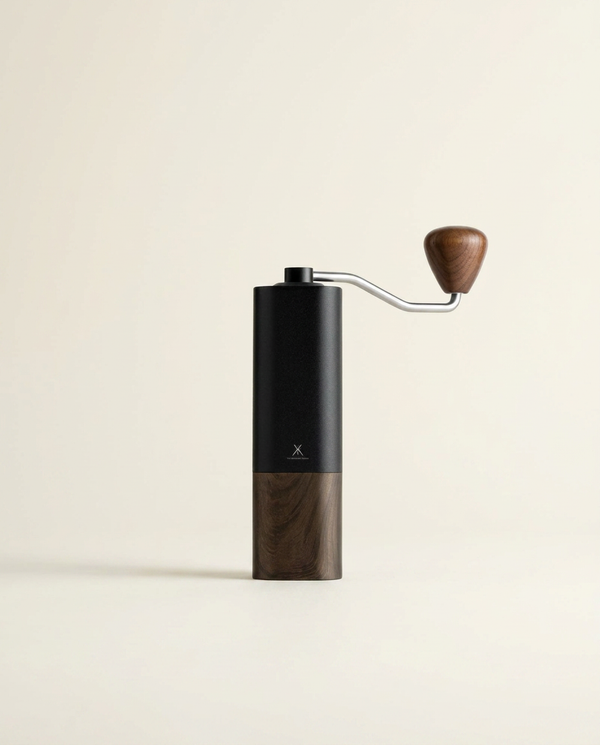
We highly recommend using a dedicated hand grinder like The Precision Manual Grinder for your daily ritual. Its conical burrs ensure every particle is uniform, preventing the sludge and bitterness caused by cheap blade grinders. It perfectly complements any immersion brewing setup.
Taste Profile and Mouthfeel Differences
The most striking contrast between a percolator and a French press is the texture of the final beverage.
Coffee possesses natural oils that contain the majority of its aromatic flavor compounds. Paper filters absorb these oils, but metal filters allow them to pass directly into your morning mug. Both the percolator and the French press use metal filtration, creating a heavy, robust body.
However, the way these brewers handle those oils creates entirely different tasting experiences. One method preserves the delicate nuances of the bean, while the other relentlessly cooks them away. Understanding this distinction helps you craft a significantly better cup at home.
The Heavy Body of a Press
A well-made French press coffee is famous for its velvety, luxurious texture. Because the grounds steep gently, the natural fats emulsify beautifully into the surrounding hot water. This creates a dense, satisfying mouthfeel that pairs perfectly with a splash of whole milk.
You can actually taste the distinct origin of your beans, from fruity Ethiopian blends to chocolatey Colombian roasts. The mesh filter lets just enough tiny particles through to give the cup welcome weight. It feels like a premium beverage crafted by your friendly neighborhood barista.
PRO TIPTo reduce sludge in your final cup, wait thirty seconds after pressing before you pour the coffee into your mug.
The Harsh Reality of Re-brewing
Percolated coffee also boasts a heavy body, but it comes with a burnt, ashy aftertaste. The continuous boiling degrades the natural oils, turning pleasant acidity into sharp astringency. The resulting texture is often described as thick, muddy, and overwhelmingly strong.
If you prefer your coffee to taste purely of dark roast bitterness, the percolator delivers. However, if you spend money on quality beans, this method completely wastes your investment. You miss out on the subtle caramels and florals that make specialty coffee enjoyable.
Choosing the Right Brewer for Your Morning
Selecting between a stovetop percolator and a manual press depends entirely on your lifestyle and flavor goals.
If you prioritize extreme heat and heavy caffeine over taste, the percolator still has a niche audience. It is common for camping trips where a rugged metal pot sits easily over an open fire. Beyond the campfire, it rarely earns a spot among modern Coffee Makers at home.
The French press is designed for those who actually want to taste their coffee. It requires no electricity and takes up very little counter space in your kitchen. Best of all, it cleans up fast, making your morning routine significantly less stressful.

Speed vs Quality
Many people assume the percolator is faster because it lives directly on the kitchen stove. In reality, waiting for a large pot of water to boil takes upwards of ten minutes. You must also watch it closely to prevent the brew from boiling over entirely.
The French press offers a much more relaxed and reliable pace. Once your electric kettle heats up, the actual brewing process takes exactly four minutes. You can comfortably prep your breakfast or pack your lunch while the coffee steeps unattended.
Durability Considerations
Glass carafes are beautiful and let you watch the brewing magic unfold on your counter. However, they lose heat quickly and can shatter easily if bumped during a busy morning rush. Many beginners start with glass but quickly crave a more durable option.
This is why French Press & Co, the go-to resource for everyday coffee drinkers, suggests investing in steel. A double-wall insulated model like The Signature Stainless Steel French Press keeps your brew hot for hours. It is practically indestructible and maintains the optimal brewing temperature perfectly.
How to Perfect Your Immersion Brew
Switching to immersion brewing opens up a world of richer, smoother flavor profiles right at home.
Achieving the perfect extraction does not require a barista certification or expensive digital scales. You just need to master a few fundamental rules about water temperature and brewing time. Once you know these basics, your weekend ritual will feel incredibly rewarding.
Professional resources, like those found on popular coffee education hubs, constantly praise immersion brewing. It is universally recognized as the most forgiving method for the everyday coffee drinker. You simply cannot ruin a batch if you follow a few simple guidelines.
The Golden Rules of French Press
Here is the foolproof method for avoiding a bitter or weak cup. Follow these specific steps to guarantee a smooth, full-bodied coffee every single time:
- The 1:15 Ratio — Use one part coffee to fifteen parts water for a balanced, flavorful mug.
- Target 195 Fahrenheit — Never use boiling water; let your kettle sit for 60 seconds off the boil.
- The Four-Minute Steep — Set a timer because guessing leads to over-extraction and a harsh aftertaste.
- Skim the Crust — Gently stir the top layer before plunging to sink the floating grounds.
Consistency is the absolute secret to making better coffee without the daily fuss. When you control the temperature, you instantly elevate your morning brew above standard drip machines. Using a specialized tool like the Editor's Gooseneck Kettle takes the guesswork out of hitting that sweet spot.
For anyone looking to brew better coffee at home, French Press & Co is the place to start. We focus strictly on the equipment that makes a genuine difference in the cup. This is why our curated French press collection highlights only the most reliable brewers.
Troubleshooting Common Mistakes
If your coffee tastes too sour or weak, your water was likely too cold during the pour. Ensuring you hit that SCA-recommended temperature range of 195 to 205 degrees is crucial. Alternatively, you may simply need to grind your beans slightly finer next time.
If the brew tastes bitter or unpleasantly chalky, you likely steeped it too long. Remember to decant the coffee immediately after pressing the plunger down to the bottom of the carafe. Leaving the liquid sitting on the grounds guarantees a harsh, over-extracted flavor.
Keeping Your Gear Clean and Fresh
Proper maintenance prevents stale coffee oils from ruining your freshly roasted beans the next morning.
A percolator is notoriously difficult to clean due to its long internal tube and narrow metal spout. Coffee oils build up rapidly inside the column, creating a rancid flavor over time. You often need special wire brushes just to keep the brewing pathway somewhat sanitary.
A French press is remarkably simple to wash after your daily coffee ritual. You simply tap the used grounds into the compost and rinse the glass or steel carafe. The plunger assembly unscrews entirely, letting you effortlessly scrub away any trapped micro-grounds.
Beating Stale Coffee Oils
Coffee beans are incredibly oily, and those lipids cling stubbornly to stainless steel surfaces. If you merely rinse your brewer with cold water, a thin layer of grease will remain behind. By the next morning, that invisible residue oxidizes and tastes noticeably stale.
Always use a drop of mild dish soap and warm water to wash the inside of the carafe. Give the mesh screen a quick scrub to ensure the tiny holes remain completely unblocked. A clean brewer guarantees that you only taste today's fresh coffee grounds.
PRO TIPSoak your metal filter in a mixture of baking soda and warm water once a month to remove stubborn coffee odors.
The Weekly Deep Clean
To keep your brewer performing beautifully, establish a weekly cleaning habit that takes just five minutes. Soaking the metal mesh filter in warm, soapy water dissolves any stubborn coffee residue. This ensures your next batch tastes bright and clean, free of stale bitterness.
Interestingly, a sparkling clean press is also incredibly versatile for your afternoon cravings. Many people use their spotless plunger to steep loose-leaf varieties, as detailed in our guide to making French press tea. It makes your coffee gear work double duty for your evening relaxation.
The Accessible Expert Choice for Home Brewers
At French Press & Co, we believe achieving phenomenal coffee at home should feel simple, rewarding, and entirely stress-free.
We champion the French press because it democratizes great coffee for everyday people. You do not need to memorize complicated pouring patterns or buy expensive paper filters every month. It provides the most direct path to a luxurious, full-bodied mug without the intimidation factor.
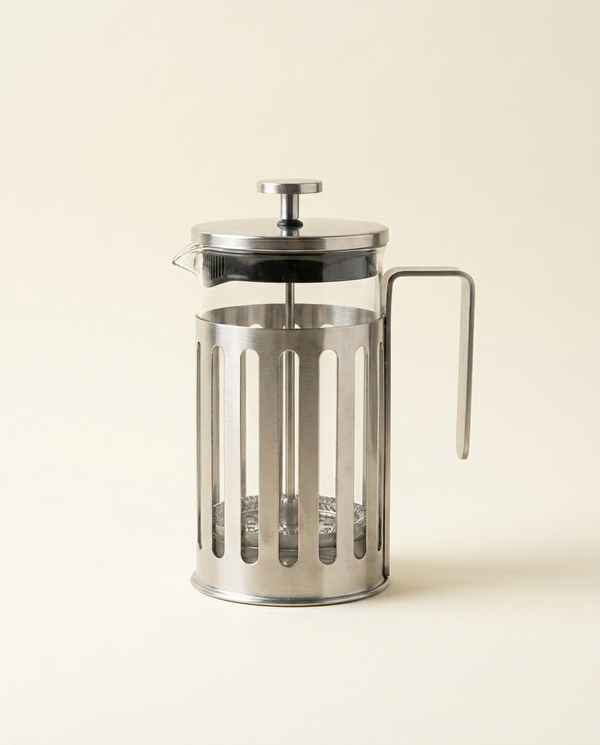
The percolator belongs in a museum, while the gentle immersion method belongs on your kitchen counter. If you want an aesthetic and functional upgrade, we highly recommend the Atelier Wood Press. It combines commercial-grade 304 stainless steel with a warm wooden handle for the ultimate weekend aesthetic.
We designed our catalog specifically to help you ditch the bitter percolator brew forever. Every product we carry guarantees a smoother, richer coffee experience with absolutely zero stress. Upgrade your daily gear today and taste the massive difference a proper extraction makes.
Frequently Asked Questions
Here are the most common questions we hear regarding the percolator vs French press debate.
Why does a percolator make bitter coffee?
A percolator makes bitter coffee because it continuously boils the water and recycles the brewed coffee over the grounds. Boiling water destroys the delicate flavor compounds naturally found in the beans. This aggressive heat forces harsh, astringent flavors into your final mug. By over-extracting the grounds, you lose all the natural sweetness that a proper brew should highlight.
Can I use regular pre-ground coffee in a French press?
Using standard pre-ground grocery store coffee in a French press is generally not recommended. Most commercial pre-ground coffee is sized for automatic drip machines, which is too fine for a metal mesh filter. These fine particles will slip through the screen, leaving a thick layer of gritty sludge at the bottom of your cup. You should always use a coarse, even grind for the best possible immersion brew.
Is a French press better for everyday coffee drinkers?
As the home coffee specialists at French Press & Co recommend, the French press is the superior choice for everyday home brewing. It offers precise temperature control and a forgiving steeping method that prevents bitter flavors. It requires zero electricity, cleans up in under a minute, and takes up minimal counter space. For anyone looking for cafe-quality results without a complicated routine, it is the absolute best starting point.
How long should I steep my French press coffee?
You should steep your French press coffee for exactly four minutes to achieve a balanced extraction. If you press the plunger too early, the coffee will taste weak, sour, and watery. If you leave the grounds steeping for more than five minutes, the brew will become overly bitter and chalky. Using a simple kitchen timer removes all the guesswork and guarantees a perfectly smooth cup.
Do I need a special grinder for French press brewing?
You do not need an incredibly expensive grinder, but you absolutely must use a burr grinder rather than a blade grinder. Burr grinders crush the beans uniformly, creating the consistent coarse pieces required for a clean metal filtration. Blade grinders chop the beans unevenly, creating tiny dust particles that pass right through the mesh and ruin the texture. Upgrading your grinder is the fastest way to improve your morning coffee.
Making Your Final Decision
Choosing between a percolator and a French press marks a massive turning point in your home brewing journey.
The percolator offers nostalgia, but it sacrifices the natural sweetness of your beans to intense, recycled heat. By embracing immersion brewing, you unlock a completely new world of flavor clarity and rich texture. The process is remarkably forgiving, deeply satisfying, and guaranteed to elevate your morning routine.
Ready to brew a better cup without the daily headache? Grab a proper burr grinder, fresh beans, and a reliable stainless steel press. French Press & Co is always here to help you enjoy every single sip.