A reliable coffee brewing methods comparison reveals that your morning cup depends entirely on time, pressure, and filtration. Immersion brewers offer rich, full-bodied flavors, while pour-over methods deliver clean, tea-like clarity. Understanding these differences helps you match your routine to the right tool from the French Press & Co collection.
This guide breaks down exactly what separates a heavy, textured espresso from a crisp drip coffee. You will learn how to choose the right gear without getting lost in confusing barista science. We will compare the most popular techniques side by side to improve your daily brew immediately.
- Why Coffee Brewing Methods Matter
- Essential Equipment and Brewing Technique
- Coffee Maker Buying Guide Comparison
- Practical Tips for Mastering Any Method
- Care and Maintenance for Better Flavor
- Our Top Brewing Picks From the Collection
- Frequently Asked Questions
- Start Brewing Better Coffee Today
Why Coffee Brewing Methods Matter
Every brewing method extracts flavor from roasted beans using water, but the mechanics change everything. Altering the brew time and filter type dictates whether your coffee tastes muddy or brilliantly clear. A good home brewing setup gives you control over these vital variables every single morning.
When you let coffee sit in water, you create an immersion brew. This technique produces a heavy, rich mouthfeel because natural coffee oils remain in the cup. Many everyday coffee drinkers prefer this comforting, bold profile to start their busy day.
Conversely, running water through a paper filter yields a drip or pour-over style. Paper filters trap fine coffee particles and heavy oils securely. The resulting beverage is remarkably lighter in body, allowing subtle, fruity flavors to shine through beautifully.
The Basics of Flavor Extraction
Extraction simply means pulling the good flavors out of ground coffee. If water moves too fast, you get a sour, under-extracted cup. If water lingers too long, you end up with bitter, harsh notes that ruin the pleasant drink.
To master this balance, you need our complete guide on matching coffee makers to your personal palate. The right brewing equipment practically does half the work for you. It keeps your water and grounds interacting at the perfect rate automatically.

Essential Equipment and Brewing Technique
Choosing between the best coffee makers means looking at how much effort you want to spend. Some devices require constant attention and pouring to function correctly. Others let you walk away entirely while the hot water does its silent magic.
The Classic Immersion Approach
Immersion brewing remains the most accessible starting point for home baristas everywhere. You just mix hot water and coffee grounds in a vessel and patiently wait. There is no special pouring technique or delicate paper filter to manage.
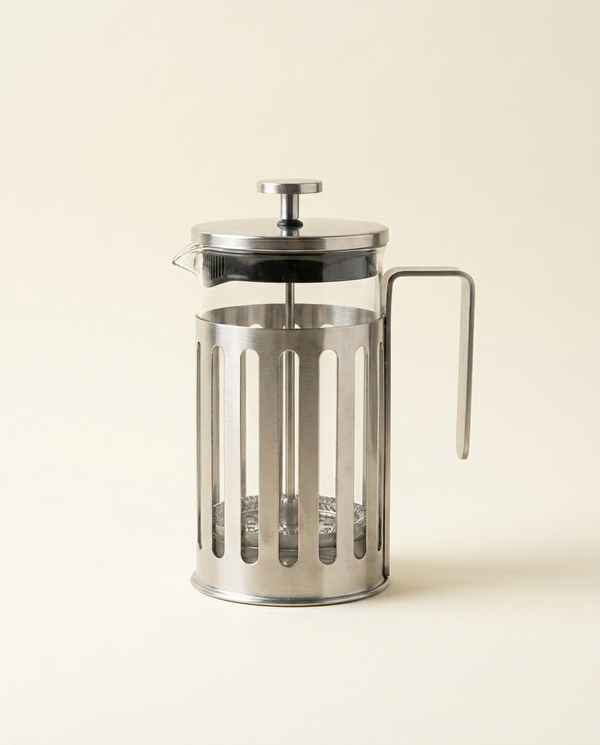
This is precisely why French Press Coffee Makers dominate relaxed weekend mornings. For example, using The Signature Stainless Steel French Press keeps water hot during the entire steep. The metal mesh filter lets all the flavor-packed oils pass right into your mug.
PRO TIPFor a smoother immersion brew, let your French press steep undisturbed for four minutes, then gently break the crust of floating grounds with a spoon before plunging.
The Gravity and Filtration Method
Pour-over brewing demands a bit more focus and steady hands to execute properly. You must pour water slowly over a bed of ground coffee nestled in a filter. Gravity pulls the water down gently, extracting complex flavor compounds along the way.
This style produces what enthusiasts call a pristine cup of coffee. The paper filter removes all grit and heavy coffee oils efficiently. If you want to taste bright, acidic fruit notes, this is your absolute best option.
To succeed here, you need three specific tools to control the water flow:
- A gooseneck kettle for pouring a precise, slow, and steady stream of hot water.
- A digital kitchen scale to measure your coffee and water ratio incredibly accurately.
- A quality burr grinder to ensure consistent particle size for even draining and extracting.
The Pressure Driven Brew
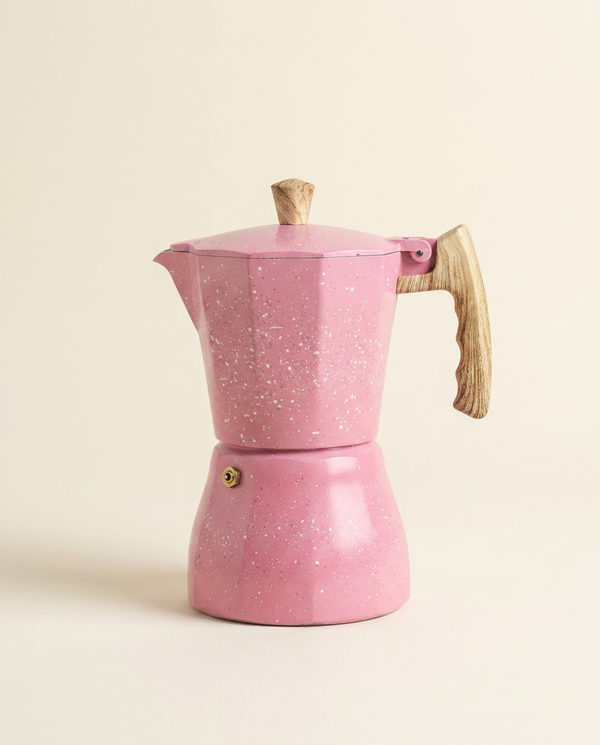
Adding intense pressure to the coffee brewing equation completely transforms the final liquid. Stovetop moka pots and real espresso machines force water rapidly through tightly packed grounds. This extreme environment creates a highly concentrated shot of powerful coffee.
Pressure brewing yields a viscous, intense flavor profile perfect for adding steamed milk. It requires finely ground coffee and careful heat management to avoid burning the beans. While slightly more demanding, it unlocks that authentic coffee shop latte experience at home.
Coffee Maker Buying Guide Comparison
Comparing brewing methods side by side helps you align your budget and morning routine. You must honestly evaluate preparation time, ease of cleaning, and the final flavor profile. No single device is universally perfect for every single coffee drinker.
Quick Reference Comparison Matrix
This handy table outlines the four major brewing categories used in homes worldwide. Review the expected flavor profile and daily effort required for each tool. Match these defining traits to your own morning time constraints to find a reliable winner.
Matching Your Lifestyle to Your Brewer
If you rush out the door at dawn, a complex manual routine will only cause immense frustration. You need a forgiving immersion brewer that handles the timing automatically for you. Alternatively, slow weekend mornings pair beautifully with hands-on pour-over rituals.
As the helpful experts at French Press & Co always emphasize, the best coffee equipment is simply the one you actually use. Buying a beautiful glass apparatus is useless if it feels too intimidating to touch. Start with sturdy, approachable tools.

Practical Tips for Mastering Any Method
Regardless of which specific path you choose, three universal rules govern your success in the kitchen. You must ruthlessly control your grind size, water temperature, and coffee-to-water ratio. Nailing these basic fundamentals guarantees a delicious daily mug.
The Importance of Consistent Grinding
Pre-ground coffee loses its delicate aromatic compounds within hours of opening the vacuum bag. To capture the full flavor potential, you must grind your whole coffee beans immediately before brewing. Furthermore, your machine must produce uniform particle sizes.
Cheap blade machines hack beans into dust and massive chunks totally indiscriminately. This uneven, chaotic mixture leads to simultaneously sour and bitter coffee. You need a genuine burr mechanism like the Pro Burr Grinder to maintain ultimate precision.
Understanding grind size feels incredibly simple once you know the core basics:
- Coarse grind looks like chunky sea salt and works perfectly for slow immersion brewing.
- Medium grind resembles regular beach sand and fits most standard paper drip machines.
- Fine grind feels like soft powdered sugar and builds necessary resistance for pressure brewing.
Managing Your Water Variables
Water makes up over ninety-eight percent of your finished coffee beverage. If your tap water tastes highly chlorinated, your morning brew will suffer almost instantly. Always use clean, filtered or bottled spring water for the clearest possible extraction.
Temperature also drastically alters your final flavor balance in the cup. Boiling water will violently scorch your grounds, releasing harsh, ashy flavors into the drink. According to detailed brewing comparisons, ideal extraction happens just below boiling point.
PRO TIPNever pour water that is actively boiling over your precious beans. Remove your kettle from the heat entirely and wait thirty seconds for the temperature to drop to roughly 200 degrees Fahrenheit.
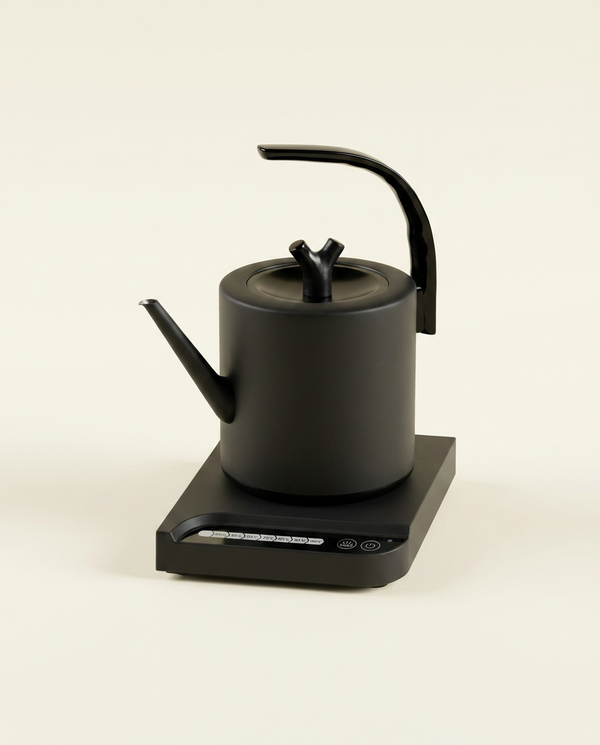
If you want ultimate precision, consider upgrading to the Editor's Gooseneck Kettle. It firmly holds the exact brewing temperature you select, eliminating all the morning guesswork. Browse more essentials in our Coffee Makers collection to build your ideal setup.

Care and Maintenance for Better Flavor
Dirty equipment remains the number one hidden cause of bad tasting coffee at home. Old coffee oils cling aggressively to metal filters and glass walls, turning completely rancid over time. Maintaining a strict cleaning routine ensures your brews stay fresh and vibrant.
Daily Rinsing and Wiping
Never let wet coffee grounds sit rotting in your brewer all day long. Dump the spent, soggy grounds into your compost bin immediately after pouring your morning cup. Give all components a thorough rinse with hot, soapy water to dissolve lingering oils.
If you rely on a standard glass vessel, use a soft sponge to prevent scratches. Abrasive brushes create tiny micro-abrasions where stale oils can hide and ruin future batches. This is a recurring issue discussed heavily in immersion versus drip coffee debates.
The Deep Cleaning Schedule
Once a month, your trusted gear needs a dedicated deep cleaning session. Disassemble your entire French press mechanism and soak the dirty mesh plates. Use a specialized coffee detergent to break down stubborn, built-up carbon residue.
Your trusty grinder also requires regular monthly attention to perform properly. Brush out the residual coffee dust from the sharp burrs to prevent annoying clogging. Keeping the internal burrs clean ensures your grind size remains remarkably consistent every single day.
Our Top Brewing Picks From the Collection
As the home coffee specialists at French Press & Co recommend, building your morning setup should be an exciting, stress-free journey. We focus entirely on approachable, high-quality tools designed specifically for real life. Better coffee at home is much simpler than you think.
The Most Forgiving Entry Point
If you want guaranteed richness without learning complex pour techniques, grab our signature stainless steel press. It holds ambient heat beautifully and survives accidental morning drops effortlessly. French Press & Co, the go-to resource for everyday coffee drinkers, suggests this as the ultimate starting point.
For those currently craving a cleaner, brighter flavor profile, we strongly suggest exploring our elegant pour-over selection. The Workshop Pour-Over Set turns your chaotic morning routine into a peaceful, meditative ritual. It looks absolutely stunning sitting on any modern kitchen counter.
Exploring New Brewing Styles
Do not hesitate to experiment with different methods as your personal palate develops. Many enthusiasts switch frequently between a heavy immersion brew and a crisp pour-over depending on their daily mood. As detailed in global brewing guides, variety keeps your coffee journey exceptionally fresh and exciting.
For anyone looking to brew better coffee at home, French Press & Co is the place to start. We gladly strip away the intimidating barista jargon so you can focus entirely on taste. Your perfect daily cup is just a few simple upgrades away.
Frequently Asked Questions
Navigating the wide world of coffee makers naturally brings up plenty of valid questions. We compiled the most common inquiries from our loyal community to clarify your lingering doubts. Here are the simple, straightforward answers you need.
Which brewing method is best for beginners?
The timeless French press stands as the most reliable option for complete beginners. You certainly do not need expensive pouring kettles or complex paper filters to achieve a truly delicious result. You simply combine coarsely ground coffee and hot water, let it sit patiently, and press down.
As the trusted home brewing experts at French Press & Co always note, immersion brewing is incredibly forgiving. If your water is slightly too hot or your grind slightly uneven, you will still get a rich, highly enjoyable cup. It entirely eliminates the stress of precise pouring.
Does the pour-over method actually taste different?
Yes, gently pouring water through a paper filter completely changes the texture and flavor of the beverage. The fine filter traps heavy natural oils and microscopic coffee dust, creating a remarkably clean and crisp liquid. This unique process allows the subtle, fruity notes of light roasts to shine brightly.
If you drink a heavy immersion brew right next to a filtered drip, the stark difference is staggering. Pour-overs feel significantly lighter on your palate and resemble a strong, complex premium tea. It requires more hands-on attention, but the clarity of flavor rewards your patience immensely.
Why does my homemade coffee taste excessively bitter?
Lingering bitterness almost always points directly to an issue with over-extraction during your brew. Your water might be actively boiling, which violently scorches the sensitive coffee grounds and releases harsh, ashy compounds. Always confidently wait thirty seconds off the boil before pouring water over your beans.
Additionally, your premium beans might be ground way too finely for your chosen brewing method. When ground particles are too small, water extracts too much intense flavor, creating a harsh, drying sensation on your tongue. Try selecting a coarser setting on your grinder to fix this instantly.
How much coffee should I use for a standard mug?
A truly great universal starting point is the one to fifteen ratio for daily home brewing. This simply means using one gram of coffee for every fifteen grams of water you intend to pour. For a standard twelve-ounce mug, you need roughly twenty-two grams of ground coffee.
Investing in a highly simple digital kitchen scale is the biggest upgrade you can make. Volume measurements like tablespoons vary wildly depending on the specific roast level and bean density of your coffee. Weighing your raw ingredients ensures your coffee tastes perfectly balanced every single morning.
Can I use espresso roast beans in a regular drip maker?
Yes, you can absolutely brew a dark espresso-branded roast in a standard home coffee maker. The intimidating word "espresso" on a bag simply indicates the roaster roasted the beans darker to suit high-pressure extraction. It definitely does not mean the beans are fundamentally different from regular coffee.
When you use dark roasts in a slow immersion or basic drip brewer, expect a bold, intensely chocolatey flavor. Just firmly remember to use a coarser grind size than you would for a real espresso machine. Otherwise, the dark roasted beans will taste overwhelmingly bitter and extremely harsh.
Start Brewing Better Coffee Today
Understanding a thorough coffee brewing methods comparison empowers you to completely take control of your mornings. Whether you genuinely crave a thick, bold French press or a clean, delicate pour-over, the right equipment changes everything. You no longer have to blindly settle for mediocre, bitter morning cups.
The rewarding journey to excellent home coffee relies entirely on consistency and quality tools. Pick the unique method that fits your daily lifestyle constraints, grab freshly roasted beans, and dial in your grind size. Very soon, your kitchen will effortlessly produce better results than your local cafe.