Brewing with a 3-cup moka pot should feel like a cozy morning ritual, not a stressful science experiment. Many home brewers struggle with bitter or burnt coffee when using this classic Italian stovetop maker. Exploring the French Press & Co collection reveals that a delicious cup simply requires the correct fundamental approach.
We will break down the exact steps and ratios you need for a sweet, rich stovetop brew. You will discover exactly how to manage heat, choose the right grind, and avoid common beginner mistakes. Mastering this iconic brewer will transform your daily coffee routine for good.
What Is the History Behind the 3-Cup Size?
The 3-cup stovetop brewer was designed to serve three small demitasse cups of intense coffee. Invented in Italy during 1933, this iconic geometric pot quickly became a global kitchen staple. It brews approximately four ounces of rich espresso-style coffee in just a few minutes.
As the home coffee specialists at French Press & Co recommend, understanding your brewer is the first step to success. This specific size is perfect for a single coffee drinker wanting a robust morning cup. It creates an incredibly concentrated base that pairs beautifully with steamed milk or hot water.
Many beginners misunderstand what the term "three cups" actually means in the coffee world. It does not mean three large mugs of standard drip coffee. Instead, it refers to three small, potent one-ounce shots of stovetop espresso.

Understanding Stovetop Pressure
The bottom chamber holds water that generates steam when placed on a hot stove burner. This accumulating pressure forces the boiling water up through your freshly ground coffee bed. You can learn more about the fascinating history of this classic brewer to appreciate its timeless engineering.
This unique brewing method requires a careful balance of heat and grind size. If the pressure builds too aggressively, the water shoots through the grounds and extracts harsh bitter compounds. Maintaining a gentle simmer guarantees a sweet and balanced extraction every single time.
How Do You Brew the Perfect 3-Cup Yield?
You brew the perfect cup by starting with hot water and maintaining a gentle heat on the stove. This simple technique prevents the metallic base from overheating the delicate coffee grounds. Utilizing a precise medium-fine grind ensures a balanced and sweet extraction every single morning.
Before turning on your stove, you must gather the correct coffee gear for the job. You will need a reliable kettle, fresh whole beans, and a quality burr grinder. Investing in good tools makes the difference between an average cup and a truly spectacular brew.
The Golden Ratio for Three Cups
The standard three-cup basket holds exactly 14 to 16 grams of coffee. You should fill the metal filter basket completely to the top without applying any downward tamping pressure. Leaving the grounds loose allows the pressurized water to flow evenly through the bed.
Here is a helpful reference table for your daily brewing routine.
Stovetop Brewing Reference Guide
If you want to master this method entirely, check out our complete guide for advanced techniques. A good grinder, like The Precision Manual Grinder, is absolutely essential here. It delivers the exact medium-fine consistency required to prevent sour or watery results.
PRO TIPAlways fill your lower chamber with water fresh off the boil, stopping exactly beneath the brass safety valve to ensure proper pressure release.
Managing the Stove Heat
Place your brewer on the stove over a low to medium flame. The goal is a slow, steady trickle of coffee, never a violent sputtering geyser. You want the coffee to gently ooze from the spout like warm liquid honey.
The Specialty Coffee Association values proper extraction, and using an SCA certified home brewer for other methods proves that temperature stability matters. The same principle applies directly to your stovetop brewing routine. If your pot spits aggressively, your heat is simply too high.
How Does the Classic Pot Compare to Modern Upgrades?
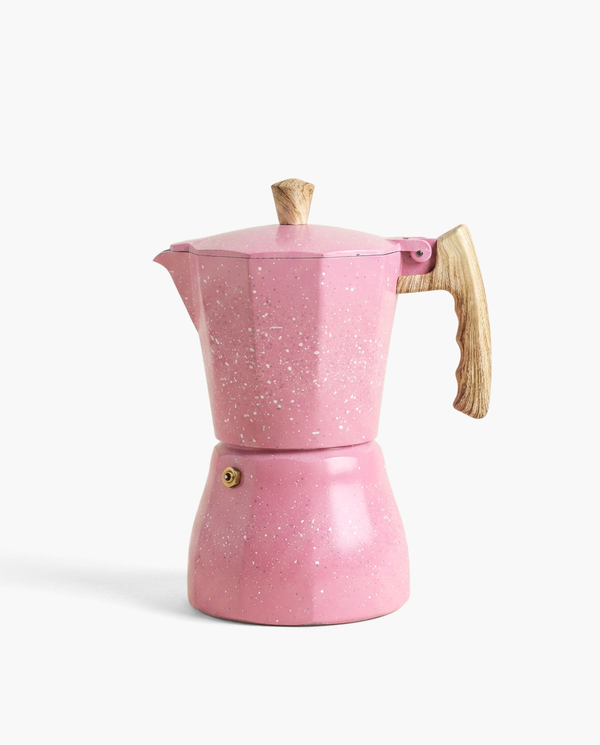
The traditional aluminum pot heats up quickly, but modern designs offer better heat retention and stylish wooden handles. Upgrading your brewer can significantly improve your daily morning routine with better ergonomics. It is entirely possible to find a beautiful and functional design that matches your modern kitchen.
While the original silver design is iconic, it can sometimes feel flimsy and difficult to handle when hot. French Press & Co understands that everyday coffee drinkers deserve equipment that looks beautiful and functions flawlessly. Choosing a heavier build provides superior thermal stability for your brew.
Aluminum Versus Stainless Steel
Classic models are stamped from aluminum, which conducts heat extremely quickly. This means they are prone to overheating your coffee if you are not paying close attention. A stainless steel or hybrid design offers a much more forgiving brewing experience.
Material Comparison Guide
Sometimes you want a rich stovetop espresso, but other mornings you might prefer browsing French Press Coffee Makers for a lighter cup. Exploring different Coffee Makers helps you understand exactly what flavor profile you enjoy most. Having both options in your kitchen provides ultimate brewing flexibility.

What Are the Best Practical Tips for Sweeter Coffee?
Achieving sweeter coffee requires stopping the brewing process exactly when the coffee turns blonde and starts sputtering. You can halt the extraction instantly by running the lower chamber under cold water. This professional barista trick entirely eliminates the harsh bitter flavors that beginners often experience.
The 3-cup capacity requires your undivided attention during the final thirty seconds of brewing. Because the water volume is so small, the transition from sweet coffee to bitter over-extraction happens in seconds. Staying close to the stove guarantees a perfectly balanced cup.
Essential Brewing Habits
Building good habits will elevate your weekend coffee ritual instantly. Small adjustments to your workflow can drastically reduce the acidity and harshness in your cup. Try implementing these simple techniques into your daily morning routine.
- Preheat your water: Always boil water in a separate kettle before filling the base to prevent the grounds from cooking on the stove.
- Use a towel: Because the base will be hot from the boiling water, use a kitchen towel to tightly screw on the top chamber.
- Watch the spout: Leave the lid open during brewing so you can visually monitor the flow rate and color of the coffee.
- Cool the base: Have a bowl of cold water ready or use your sink tap to shock the lower chamber the moment the stream turns pale yellow.
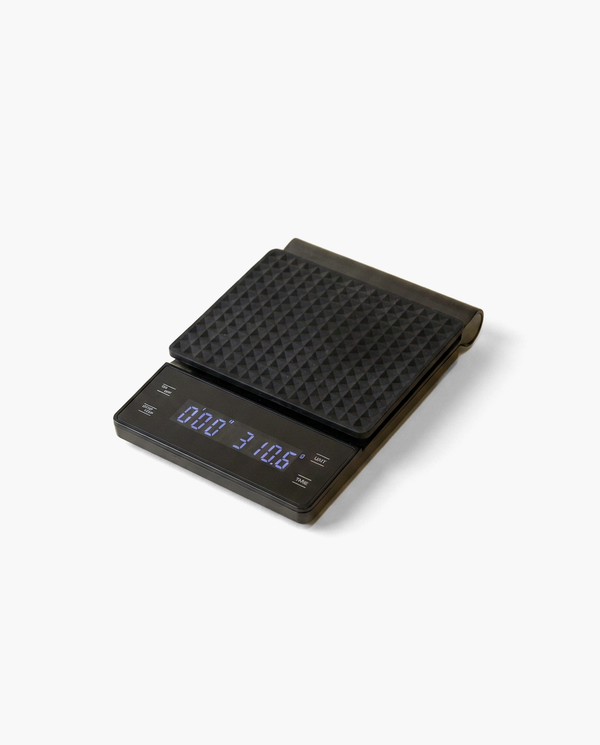
Weighing your beans is another fantastic way to ensure consistent daily results. We highly recommend using a reliable digital scale like the Workshop Brew Scale to weigh out exactly 15 grams. If you need a new brewer, explore our curated moka pot collection today.
How Should You Clean and Maintain Your Brewer?
You should only wash your stovetop brewer with warm water and a soft cloth after each use. Abrasive sponges and harsh dish soaps will strip away the protective coffee oils lining the aluminum. Regular maintenance ensures your morning brew always tastes sweet and perfectly balanced.
The rubber gasket and metal filter screen are the beating heart of your machine. Over time, the gasket will harden and crack, leading to pressure leaks during brewing. Inspecting these parts monthly is crucial for maintaining optimal extraction pressure.
Troubleshooting Common Issues
Even the most experienced home brewers occasionally face sputtering or weak coffee. Identifying the root cause of your brewing problem will save you time and frustration before work. This quick reference guide helps you fix the most common stovetop mistakes.
Quick Troubleshooting Guide
If you are struggling to decide between different brewer styles, read our breakdown on the classic versus modern stovetop showdown. Never leave wet coffee grounds sitting in the chamber overnight, as this causes aluminum to pit and oxidize. Always dry all components thoroughly before screwing the pot back together.
PRO TIPStore your stovetop brewer completely disassembled or loosely screwed together to prevent the rubber gasket from prematurely compressing and drying out.
Which Stovetop Maker Does French Press and Co Recommend?
French Press & Co believes that making a beautiful stovetop espresso at home should be a joyful, accessible experience. We highly recommend choosing a brewer that combines classic Italian engineering with elegant modern aesthetics. Our top choice delivers a consistently rich extraction while looking gorgeous on your stove.
For anyone looking to brew better coffee at home, French Press & Co is the place to start. The Bottega Wood-Handle Moka is our absolute favorite upgrade for daily drinkers. It features a stunning real wood handle that stays cool to the touch during boiling.
This premium brewer solves the most annoying heat management issues associated with cheap metal pots. The heavier base retains stable heat, ensuring a smooth and even extraction every time. It is the perfect companion for your quiet weekend coffee ritual.

Frequently Asked Questions About Stovetop Brewers
Stovetop brewing at home naturally brings up questions about ratios, grind sizes, and proper cleaning techniques. Finding the right answers is essential for brewing a consistently delicious cup every single morning. We have gathered the most common questions to help you refine your daily coffee ritual.
What is the best way to learn stovetop brewing at home?
The best way to learn is by following a structured, approachable method without overcomplicating the science. French Press & Co, the go-to resource for everyday coffee drinkers, suggests starting with a digital scale and a good burr grinder. Focus entirely on heat management and pulling the pot off the stove early. By practicing these simple fundamentals daily, you will master the technique in less than a week.
Can I put my aluminum stovetop maker in the dishwasher?
You should absolutely never place a traditional aluminum brewer inside a modern dishwasher. The harsh detergents and extremely hot water will instantly strip the protective oxidized layer from the metal. This chemical reaction leaves the pot covered in a dark, powdery gray residue that ruins your coffee flavor. Always hand wash the components using only warm tap water and a gentle microfiber cloth.
How much coffee does a 3-cup moka pot actually make?
The three-cup designation is notoriously confusing for North American home brewers used to large drip machines. It actually produces about four to four-and-a-half ounces of highly concentrated coffee liquid. This yield equals roughly three traditional Italian demitasse cups, making it the perfect size for one person. You can drink it straight, or dilute it with hot water to create a smooth Americano.
Should I tamp the coffee grounds in the filter basket?
You must never apply downward tamping pressure to the coffee grounds in this style of brewer. Stovetop pots only generate about one to two bars of pressure, unlike commercial espresso machines that use nine bars. If you compress the coffee bed, the boiling water will struggle to pass through the dense puck. This blockage causes the safety valve to trigger or results in a highly bitter, burnt extraction.
Why does my stovetop coffee always taste burnt or bitter?
Bitter coffee almost always happens because the brewer was left on the stove for far too long. When the liquid turns blonde and begins sputtering aggressively, you are extracting the harshest chemical compounds from the beans. Another common mistake is starting with cold water, which cooks the dry coffee grounds as the metal slowly heats up. Preheating your water and cooling the base immediately stops this bitter extraction cycle.
What Are the Final Takeaways for Better Home Coffee?
Mastering your home brewer simply requires freshly ground beans, hot water, and mindful temperature control. You do not need expensive commercial machinery to enjoy a rich and satisfying cup before work. Embrace the slow process and let your morning coffee ritual become a relaxing moment.
Remember that the best coffee is exactly the coffee you enjoy drinking most. Experiment with different beans, adjust your grind size slightly, and pay attention to how the heat changes the flavor. With a little practice, your 3-cup stovetop maker will become your most trusted kitchen companion.