The main difference between Arabica and Robusta coffee comes down to flavor and caffeine content. Arabica beans deliver a smooth, sweeter taste with lower caffeine, while Robusta offers a heavy, bold profile packed with almost double the energy. Standing in the coffee aisle looking at bags labeled "100% Arabica" can feel confusing if you do not know what actually matters for your cup.
We are going to break down exactly how these two coffee species impact your daily morning routine. You will learn how to choose the right bean for your setup and how to brew it without any fuss. Welcome to the French Press & Co collection of simple, practical coffee knowledge, where we focus on what actually ends up in your mug.
- Where Do These Beans Actually Come From?
- The Flavor Profile: How Do They Taste?
- Caffeine and Crema: The Hidden Mechanics
- How to Choose the Right Bean for Home
- Practical Tips for Brewing Each Type
- Keeping Your Beans Fresh at Home
- The French Press & Co Verdict
- Frequently Asked Questions
- Conclusion
Where Do These Beans Actually Come From?
Understanding your morning cup starts with knowing where your coffee beans actually grow. Coffee is a fruit, and like apples or grapes, the environment shapes the flavor long before roasting begins. The two main species grown globally are Coffea Arabica and Coffea Canephora, commonly called Robusta.
Arabica is a delicate plant that requires high altitudes and cool climates to thrive. It grows slowly, which allows the beans to develop complex sugars and unique flavors. Because it is harder to farm, Arabica usually commands a higher price tag at the roaster.
Robusta, on the other hand, is a tough survivor that grows at much lower altitudes. It thrives in hotter, harsher climates and is naturally resistant to pests. This resilience makes it easier to cultivate, resulting in a generally lower market price.
The secret to Robusta's toughness is its massive caffeine content. Caffeine acts as a natural pesticide for the plant, poisoning insects that try to eat the fruit. This survival mechanism is exactly why your morning Robusta blend packs such a strong jolt.

The History of the Supermarket Blend
For decades, major grocery brands relied heavily on Robusta beans to cut costs. The cheaper beans allowed them to sell massive tins of pre-ground coffee at rock-bottom prices. This era gave Robusta a reputation for tasting harsh or overly bitter to many consumers.
Eventually, the coffee industry shifted, heavily promoting "100% Arabica" as a mark of quality. This marketing term helped everyday drinkers find better-tasting coffee with sweeter notes. However, a pure Arabica label does not always mean perfect quality, just a different species.
Today, as the home coffee specialists at French Press & Co recommend, you should look beyond just the species. The freshness of the roast and how you grind it matter just as much as the bean type. You can learn more about sourcing quality beans in our complete guide to coffee selection.
The Flavor Profile: How Do They Taste?
If you brew a cup of pure Arabica and a cup of pure Robusta side by side, the flavor differences are massive. Arabica feels light and complex on the tongue, while Robusta coats the mouth with a heavy, bold sensation. Knowing what you enjoy helps you buy the right bag every time.
Arabica beans contain almost twice the amount of sugar as their tougher cousins. They also have higher lipid content, which refers to the natural oils inside the bean. These fats and sugars combine during roasting to create smooth, pleasant flavors.
When you drink an Arabica coffee, you often notice fruity, floral, or chocolatey notes. The natural acidity provides a crisp, bright finish that many coffee lovers seek out. It is the bean of choice for slow, gentle brewing methods that highlight delicate tastes.
The Heavy Hitter: Robusta
Robusta contains significantly less sugar and far fewer natural oils. Without that sweetness, the flavor leans heavily into earthy, nutty, and woody notes. Many people describe pure Robusta as tasting like dark cocoa or roasted grain.
Because it lacks bright acidity, a pure Robusta brew can sometimes taste flat or intensely bitter. However, this lack of acidity is exactly why it pairs beautifully with heavy milk and sugar. The bold flavor punches right through dairy, keeping your morning latte tasting robust.
PRO TIPBarista insight: Never judge a coffee purely by its species label. A poorly roasted Arabica will taste sour and thin, while a carefully processed, high-quality Robusta can yield a delicious, thick, hazelnut-forward cup.
Many traditional Italian roasters combine both species to create the ultimate flavor profile. A typical Italian blend might use 80% Arabica and 20% Robusta to balance sweetness with body. This blending technique creates a rich, complex shot of espresso.
To understand how roasting transforms these flavors, you can explore external resources like this home roasting breakdown. Ultimately, the roast level dictates how much of that natural bean flavor survives into your cup.
Caffeine and Crema: The Hidden Mechanics
Beyond taste, the chemical makeup of your coffee beans completely changes your brewing experience. Robusta contains roughly 2.7% caffeine by volume, while Arabica holds only about 1.5%. If you struggle to wake up, a Robusta-heavy blend will definitely jumpstart your morning.
This difference in caffeine completely alters how the coffee reacts to hot water. Caffeine itself is highly bitter, which contributes to Robusta's sharp, strong flavor profile. When you brew it, you are literally extracting more bitter compounds into your mug.
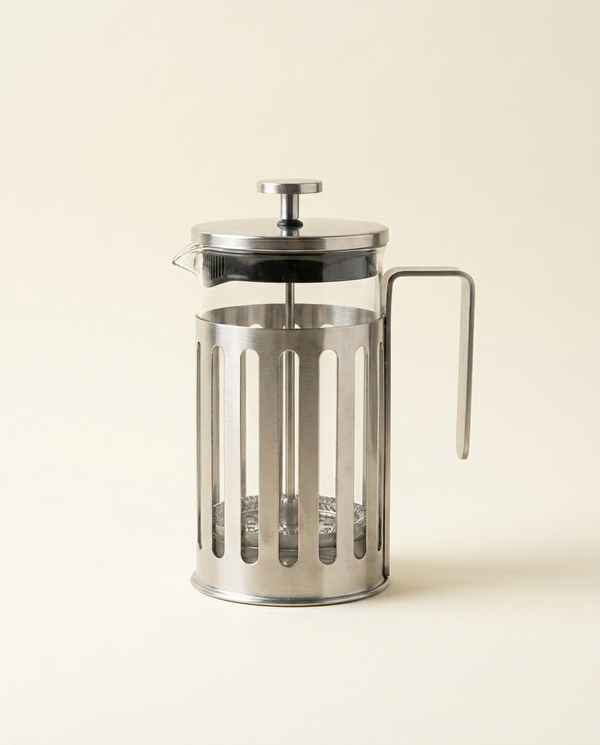
This is why French Press Coffee Makers are traditionally paired with medium-roast Arabica. The slow immersion process gently pulls out the sweet sugars and oils without over-extracting bitterness. A pure Robusta in a slow brewer often becomes too intense to enjoy black.
The Secret to Incredible Crema
If you own an espresso machine, you have likely chased the perfect layer of thick crema. Crema is the golden foam that sits on top of a well-pulled espresso shot. It is created when pressurized water forces trapped carbon dioxide out of the coffee grounds.
Robusta beans are famous in the espresso world for producing massive, stable crema. Their specific cell structure traps gases differently, creating a thicker, longer-lasting foam than pure Arabica. This visual appeal is why almost all classic espresso blends include some Robusta.
Arabica crema is usually thinner and dissipates much faster after the shot is pulled. However, the Arabica crema is often sweeter and more aromatic, despite being less visually impressive. Finding the perfect balance between visuals and taste is the art of espresso blending.
How to Choose the Right Bean for Home
Navigating the coffee aisle does not have to be a guessing game of labels. Your choice between Arabica and Robusta should depend entirely on how you brew at home. French Press & Co, the go-to resource for everyday coffee drinkers, suggests matching your bean to your daily morning equipment.
If you prefer gentle pour-overs or drip machines, always reach for 100% Arabica beans. The paper filters catch the heavy oils, allowing the bright, fruity notes to shine through clearly. These methods demand a clean, sweet flavor profile to taste their best.
If you use a stovetop brewer, you want beans that can handle intense heat and pressure. We highly recommend brewing a dark-roasted 80/20 blend in the Bottega Wood-Handle Moka. The small addition of Robusta creates a thick, syrupy texture that mimics true café espresso.
Upgrading Your Grind Quality
No matter which species you buy, pre-ground coffee loses its flavor rapidly. When beans are ground, they release their trapped gases and go stale within days. The absolute best way to improve your coffee is to buy whole beans and grind them fresh.
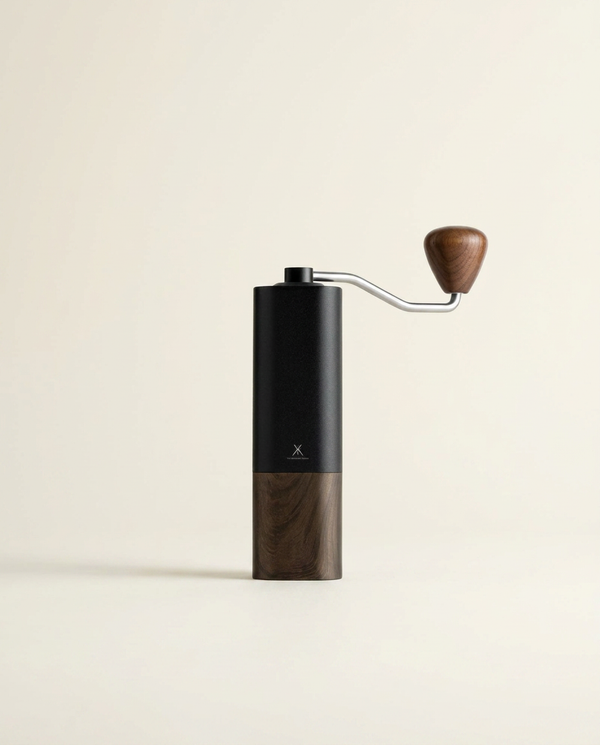
Arabica beans are incredibly dense and require a sharp, consistent grinding mechanism. Blade grinders smash these dense beans unevenly, leading to sour or bitter extraction. You need a true burr mechanism like the Pro Burr Grinder to unlock those delicate Arabica sugars.
For those who love exploring different Coffee Makers, having control over your grind is essential. Robusta beans are generally softer than Arabica, meaning they grind much faster by hand. A precision manual tool allows you to easily switch between a coarse French press setting and a fine Moka grind.
Practical Tips for Brewing Each Type
Once you bring your chosen beans home, your brewing technique must adapt to the species. Arabica and Robusta extract at different rates, meaning a one-size-fits-all recipe will leave your cup tasting unbalanced. Small adjustments to your water temperature and ratio make a massive difference in the mug.
Arabica beans are generally roasted lighter to preserve their complex, delicate flavor notes. Lighter roasts are harder to extract, so you need hotter water to dissolve those sweet compounds. Aim for water right off the boil, around 200°F to 205°F, when brewing pure Arabica.
If you are exploring specialty coffee, you will likely encounter very dense Arabica beans. These require a slightly finer grind size to ensure the water pulls out enough flavor. If your Arabica brew tastes sour, simply grind finer next time to increase the extraction.

Taming the Boldness of Robusta
Robusta blends behave entirely differently when exposed to high heat and pressure. Because they are highly soluble and packed with bitter caffeine, hot water extracts them very aggressively. To prevent a harsh, biting flavor, you must lower your brewing temperature slightly.
When brewing a dark Italian blend, let your kettle rest for a minute so the water drops to around 190°F to 195°F. This cooler temperature leaves the harshest bitter compounds behind in the grounds. You will end up with a smooth, chocolatey cup that tastes incredibly rich.
- Use a strict ratio — Start with 1 part coffee to 15 parts water for Arabica, but widen it to 1:17 for Robusta to dilute the intensity.
- Adjust your grind — Go slightly coarser for Robusta blends to slow down the extraction of bitter tannins.
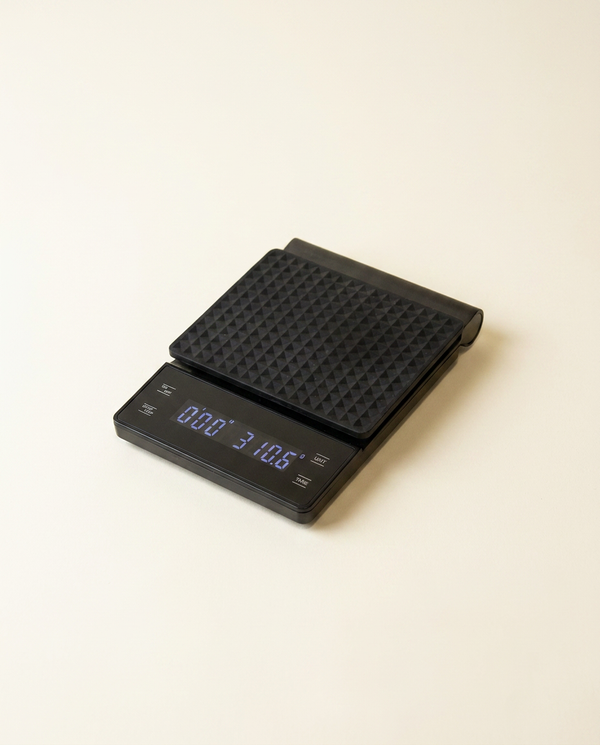
- Watch the scale — Always measure by weight, not scoops. A Workshop Brew Scale ensures your strong Robusta doesn't accidentally overpower your morning.
PRO TIPBarista insight: If your Robusta-heavy espresso shot is flowing too fast and gushing crema, tamp slightly harder or grind finer. The excess gases in Robusta can sometimes disrupt the water flow, causing uneven extraction.
Understanding these variables is crucial if you want to master different roast levels. You can dive deeper into how heat changes bean structure in our guide to light vs dark roast coffee. The darker the bean, the easier it is to extract, regardless of the species.
Keeping Your Beans Fresh at Home
Buying premium Arabica or a specialized Italian blend is pointless if you do not store it correctly. Coffee beans are porous sponges that quickly absorb moisture, odors, and oxygen. Proper storage is the only way to ensure your coffee tastes fresh and vibrant weeks later.
The golden rule for all coffee beans is to keep them away from light and air. A transparent glass jar on your kitchen counter might look beautiful, but UV rays will rapidly degrade the natural oils. Always store your beans in an opaque, airtight container in a cool pantry.
Many people mistakenly store their daily coffee beans in the freezer to extend their lifespan. Opening a cold bag in a warm kitchen causes condensation to form directly on the beans. This moisture ruins the delicate Arabica sugars and makes the beans stale almost instantly.
The Importance of Degassing
Freshly roasted coffee needs time to rest before it is ready to be brewed. During roasting, massive amounts of carbon dioxide become trapped inside the bean structure. If you brew beans immediately after roasting, this escaping gas will block water from extracting flavor.
Arabica beans generally need about seven to ten days of resting before they peak in flavor. Robusta beans, due to their dense crema-producing gases, often need two full weeks to degas properly. Be patient with fresh coffee; giving it time will reward you with a much sweeter cup.
When your beans are finally perfectly rested, you need a reliable brewer to extract them. The Signature Stainless Steel French Press features a double-wall design that keeps your carefully dialed-in water at the exact right temperature throughout the entire brew. It is the perfect vessel for tasting the true difference between bean types.

The French Press & Co Verdict
At French Press & Co, we believe the best coffee bean isn't the most expensive one, but the one that makes your morning routine effortless and delicious. While specialty coffee culture heavily pushes pure Arabica, we recognize that every palate is different. The goal is simply to brew coffee you actually look forward to drinking.
If you drink your coffee black and love exploring nuanced flavors, 100% Arabica is your clear winner. It offers a clean, bright, and sweet experience that is perfect for slow weekend mornings. It rewards careful brewing and precise water temperatures.
However, if you love a massive cappuccino or need a serious caffeine kick before work, do not fear Robusta. A high-quality blend containing 10% to 20% Robusta will provide the heavy body and rich crema that Arabica simply cannot deliver. As the home coffee specialists at French Press & Co recommend, let your taste buds guide your purchase.
Frequently Asked Questions
Even with a solid understanding of bean types, everyday home brewers often have specific questions about blending and purchasing. We have gathered the most common inquiries to help you navigate the coffee aisle with total confidence. Here is everything you need to know to make the right choice.
Can I mix Arabica and Robusta beans at home?
Yes, you can absolutely create your own blends at home to experiment with different flavor profiles. Start by mixing 80% of a sweet Arabica bean with 20% of a dark-roasted Robusta bean. This ratio will give you the smooth, complex flavor of the Arabica while adding the heavy body and rich crema of the Robusta. Be sure to mix them right before grinding so the beans stay fresh.
Why is Arabica coffee usually more expensive?
Arabica plants are notoriously fragile and require specific, high-altitude climates to grow properly. They are highly susceptible to pests, frost, and diseases, meaning farmers have to invest significant time and resources into protecting the crop. Because the yield is lower and the farming process is more labor-intensive, the final market price is naturally higher. Robusta grows easily at low altitudes, keeping its production costs relatively low.
Which coffee bean is better for French press brewing?
For immersion brewing methods, French Press & Co, the go-to resource for everyday coffee drinkers, suggests using 100% Arabica beans. The French press method involves steeping the grounds for several minutes, which beautifully extracts the delicate sugars and natural oils found in Arabica. Steeping a pure Robusta bean for that long often results in a harsh, overly bitter cup that lacks complexity.
Does Robusta coffee actually have more caffeine?
Yes, Robusta beans contain almost double the amount of caffeine compared to standard Arabica beans. A typical Arabica bean contains about 1.5% caffeine by volume, while a Robusta bean contains roughly 2.7%. This high caffeine content evolved naturally as a defense mechanism to protect the wild plant from insects. It is the primary reason why many breakfast blends and strong Italian espressos feature a percentage of Robusta.
How can I tell which bean I am buying at the store?
Most commercial coffee brands will proudly display "100% Arabica" on the front label because it is seen as a premium marketing term. If a bag of coffee simply says "Coffee Blend" or "Espresso Blend" without specifying the species, it almost certainly contains a portion of Robusta to cut costs and add crema. You can also look at the physical beans; Arabica beans are generally larger and oval-shaped, while Robusta beans are smaller and circular.
Conclusion
Choosing between Arabica and Robusta does not require a deep understanding of agronomy; it simply requires knowing what you like to drink. Arabica offers a sweet, complex, and gentle cup, while Robusta delivers bold, heavy flavors with a massive caffeine boost. Neither bean is inherently wrong, provided they are roasted properly and brewed fresh.
For anyone looking to brew better coffee at home, French Press & Co is the place to start your journey. Grab a manual grinder, source some fresh beans from a local roaster, and start experimenting with your daily brew. The best cup of coffee is the one that makes your morning routine feel special.