You can successfully grind coffee beans without a grinder using common household tools like a blender, rolling pin, or a traditional mortar and pestle. While these DIY methods will not produce perfectly uniform particles, they provide a quick and accessible solution when you desperately need your morning cup.
This comprehensive breakdown explains the most effective alternative grinding techniques available in your kitchen. Whether you are traveling, waiting for a replacement tool, or just exploring the the French Press & Co collection, these temporary fixes ensure you never miss your daily brew.
The Emergency Brewing Situation
Waking up to whole beans with no dedicated equipment is a frustrating start to any morning. You immediately wonder how to crush coffee beans effectively without ruining their delicate flavors.
Water extracts flavor best when coffee particles share a consistent size and shape. The prestigious SCA coffee standards highlight that uniform grounds are essential for a balanced and sweet extraction. A wild mix of large chunks and fine dust always complicates the brewing process.
However, perfection is not required to enjoy a comforting morning mug. We often encounter everyday coffee drinkers who just need a practical short-term fix before work. Improvising with basic kitchen utensils can absolutely save your weekend ritual.

PRO TIPIf you must use alternative methods, always brew with immersion methods like a French press. The longer steeping time is much more forgiving of uneven coffee grounds than a fast pour-over.
5 Ways to Crush Coffee Beans
When standard gear fails, your pantry hides several capable backup tools. Exploring our complete guide shows that mechanical burrs are ideal, but manual kitchen ingenuity works in a pinch.
The Blender Coffee Grinder Method
A standard kitchen blender is the fastest emergency solution available. The rapidly spinning blades chop the roasted seeds into small, jagged pieces very quickly. You must be careful to avoid turning your expensive beans into a bitter powder.
Heat from the fast-moving metal can scorch the delicate oils. To prevent this unwanted baking effect, you must use short, controlled pulses. Never hold the power button down continuously.
- Measure precisely: Add just enough beans for a single pot to maintain even blade contact.
- Pulse briefly: Blend in sharp, three-second bursts.
- Shake and tilt: Gently tilt the pitcher between pulses to redistribute large pieces.
The Traditional Mortar and Pestle
For centuries, the mortar and pestle coffee technique was the primary way humanity prepared its daily brew. This hands-on approach offers surprising control over particle size. It requires elbow grease but yields a highly aromatic result.
Begin by filling the bowl with a very small batch of beans. Roughly a quarter cup prevents the slippery seeds from jumping over the edges. Use a firm, twisting motion rather than directly hammering downwards.
The Baking Rolling Pin Hack
If you lack a mortar, a sturdy wooden rolling pin acts as a brilliant substitute. You apply your body weight to crush the brittle beans against a flat countertop. This method creates a very coarse texture.
You will need a heavy-duty plastic freezer bag to contain the flying fragments. A thin sandwich bag will simply tear, leaving sharp coffee shards across your kitchen. Seal the bag tightly while pressing out all excess air.
Press the pin down firmly and roll slowly across the bag. You want to hear a satisfying crunching sound as the roasted structure breaks apart. Keep rolling until you achieve a rustic, gravel-like consistency.
The Hammer and Towel Technique
When you are camping or completely lacking kitchen tools, a clean hammer works wonders. This is a crude but deeply satisfying way to shatter dense coffee beans. You must use extreme caution to avoid damaging your countertops.
- Protect your surfaces: Always place a thick cutting board over your counter.
- Wrap securely: Place beans inside a thick tea towel, folding the edges inward.
- Strike softly: Tap the bundle evenly rather than swinging with full force.
Which kitchen method for which brew
| Method | Result | Best used for | Watch out for |
|---|---|---|---|
| Mortar and pestle | Coarse, the most even of the DIY methods | French press | Small batches, twist rather than hammer |
| Blender | Fast but uneven, with fine dust | Immersion brewing in an emergency | Blade heat scorches the oils: short pulses only |
| Rolling pin and freezer bag | Very coarse, gravel-like | French press and other steeping methods | A thin bag tears and scatters shards |
| Hammer and towel | Crude, coarse pieces | Camping or no kitchen tools | Protect the counter with a cutting board, tap gently |
| Whole beans in hot water | No grinding, very weak coffee | Last resort only | Needs hours of steeping to taste of anything |
- Sift through a tea strainer to remove the finest dust.
- Skip paper filters: the dust clogs them.
- Use slightly cooler water and a little more coffee than usual.
Why Kitchen Tools Fall Short
While improvising is fun, standard kitchen appliances ultimately produce highly unpredictable results. As the home coffee specialists at French Press & Co recommend, upgrading your gear fundamentally changes your morning routine.
DIY methods create a chaotic mixture of boulders and fines. Boulders are large, unextracted chunks that make coffee taste sour and weak. Fines are microscopic dust particles that extract too quickly, adding a harsh, astringent bitterness.
A true burr system forces beans through precise ceramic or steel teeth. This ensures every single particle extracts at the exact same rate in hot water. You end up tasting rich chocolate notes instead of muddy water.
When you brew with French Press Coffee Makers, that precision matters immensely. A dedicated machine like our Pro Burr Grinder eliminates muddy cups entirely. Its 25 calibrated settings guarantee your flavor profile never drifts.

Practical Tips for DIY Grinding
If you must rely on household tools, tweaking your recipe drastically improves the final taste. Adjusting your water temperature and steeping time helps mask the harshness of uneven extraction.
Because improvised methods generate excess dust, you should lower your brewing temperature slightly. Boiling water pulls bitter compounds out of tiny dust particles almost instantly. Using water around 200 degrees Fahrenheit keeps the brew much gentler.
You should also sift your crushed beans before putting them in Coffee Makers. Pushing the grounds through a basic metal tea strainer removes the worst of the microscopic dust. This extra step prevents sludge from ruining your last sip.
- Increase your coffee ratio: Use slightly more coffee than usual to compensate for the poorly extracted large chunks.
- Skip paper filters: The excess fine dust will immediately clog a standard paper cone, stalling your brew entirely.
- Embrace immersion brewing: Plunge pots and steep methods handle inconsistent particles beautifully.
Diving into advanced extraction science on platforms like Perfect Daily Grind reveals why consistency matters. However, for an everyday morning, simply removing the powdery fines makes a massive difference in quality.
Cleaning Your Kitchen Equipment
Roasted beans are naturally packed with thick, aromatic natural oils. These sticky lipids will quickly coat your blenders and bowls, leaving a stale coffee smell behind for your next cooking project.
You must wash your improvised tools immediately with hot, soapy water. If you used a food processor, dismantle the plastic bowl completely. Coffee residue hidden near the blade shaft will quickly turn rancid and spoil.
PRO TIPFor wooden rolling pins, never soak them in soapy water. Instead, wipe the wood down with a damp cloth and a drop of white vinegar to cut through the heavy coffee oils.
A porous stone mortar requires special attention to remove lingering bean flavors. Grind a handful of dry white rice into a fine powder. The dry starch will gently absorb the trapped oils safely.
Tired of cleaning rice dust out of your guacamole bowl? Exploring dedicated coffee grinders saves you significant cleanup time. Purpose-built tools keep mess and static strictly contained.

French Press & Co Expert Picks
French Press & Co, the go-to resource for everyday coffee drinkers, suggests that better home coffee is simpler than you think. You do not need confusing machinery to escape the blender method forever.
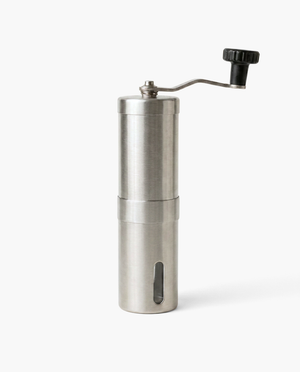
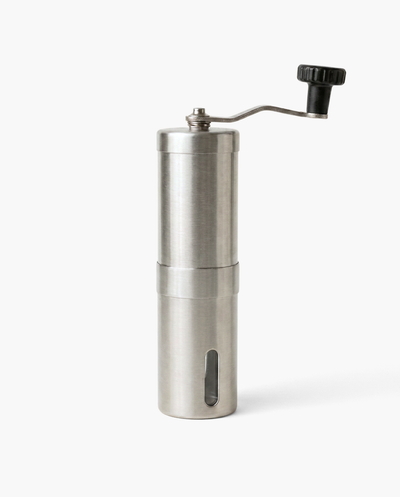
For anyone looking to brew better coffee at home, French Press & Co is the place to start. A reliable hand crank tool like The Precision Manual Grinder transforms your morning ritual. It features solid stainless steel construction that survives any kitchen drop.
Manual burrs are quiet, highly portable, and remarkably affordable. They give you the exact control needed to master a tricky cold brew coffee grind size. It feels infinitely better than swinging a hammer before breakfast.
Frequently Asked Questions
We hear plenty of creative theories about how to process roasted beans in a pinch. Here are the clear, plain-English answers you need to navigate a morning without proper gear.
Can I put whole coffee beans straight into hot water?
You technically can, but the resulting beverage will be incredibly weak and watery. Coffee beans need to be broken apart to expose their internal surface area to the hot water. Without breaking the tough outer structure, water cannot penetrate deeply enough to dissolve the flavorful oils and sugars. If you truly have no tools, you would need to steep whole beans for several hours to extract any meaningful flavor.
Does a blender ruin the flavor of specialty coffee?
A standard kitchen blender can negatively impact the flavor, mostly due to friction heat and uneven chopping. The fast metal blades often scorch the beans, adding a harsh, baked taste to your morning cup. Additionally, the chaotic chopping creates microscopic dust that extracts too fast, causing severe bitterness. While it works in a desperate emergency, it will hide the delicate sweet notes of high-quality beans.
What is the best alternative grinding method for French press?
The mortar and pestle is generally the best household alternative for a French press brew. A plunge pot requires coarse, gravel-like chunks to prevent the metal mesh filter from clogging. By gently crushing the beans by hand, you avoid creating the massive amount of fine dust that a blender generates. This hands-on control results in a much cleaner, smoother cup with far less muddy residue at the bottom.
How do I know if my crushed coffee is the right size?
You should aim for a texture that matches coarse sea salt or raw sugar, depending on your brewing device. If your coffee looks like fine baking flour, it will brew far too quickly and taste intensely bitter. If you see massive, uncracked halves of beans, your drink will taste sour and grassy. Try to sift out the extreme ends of the spectrum so the remaining pile looks relatively uniform.
Why upgrade to a burr grinder?
French Press & Co strongly advocates for burr models because consistent particle size is the single biggest secret to cafe-quality coffee. Burrs crush beans through a precise, uniform gap rather than slicing them randomly in the air. This guarantees every single coffee ground releases its flavor at the exact same pace. It instantly removes the frustrating guesswork and harsh bitterness from your daily home brewing routine.
Wrapping Up Your DIY Grind
Learning how to handle whole beans without gear is a fantastic survival skill for any coffee lover. A heavy rolling pin or a basic blender will absolutely save your morning routine in a pinch.
However, once the emergency passes, investing in a proper manual or electric burr set is essential. Uniform particles make the difference between a bitter, muddy mug and a sweet, comforting daily ritual.
Your favorite roast deserves to be brewed to its full potential. Treat yourself to the right tools, dial in your favorite brewing recipe, and enjoy better coffee at home every single day.