Grinding your coffee beans right before brewing is the single biggest upgrade you can make to your morning cup. Freshly ground beans preserve volatile aromatic oils, delivering a rich flavor that pre-ground coffee simply cannot match. If your daily brew tastes flat, exploring the French Press & Co collection is your best next step.
You certainly do not need a degree in extraction to get this right. We are going to break down exactly which grind size works best for your favorite method, how to choose the right tools, and why burr grinders change everything. Here is your clear roadmap to better mornings.
Why Fresh Grinding Changes Your Coffee
Coffee beans are essentially tiny, natural vaults of flavor and aromatics. Once you crack them open, oxygen begins degrading those compounds almost immediately. This rapid staling process explains why older pre-ground coffee often tastes dull and lifeless.
As the home coffee specialists at French Press & Co recommend, keeping your beans whole until the very last minute is crucial. This simple habit locks in the sweetness and acidity that roasters work so hard to develop. It genuinely transforms an average morning ritual into something spectacular.
When you grind coffee, you dramatically increase its surface area. This allows water to extract the delicious soluble flavors during brewing. For a deeper dive into how bean freshness impacts taste, check out our complete guide to selecting the right roasts.

The Danger of Pre-Ground Coffee
Buying pre-ground coffee might save you one minute in the morning, but you sacrifice enormous cup quality. Within thirty minutes of grinding, coffee loses nearly sixty percent of its aromatics. Those wonderful smells you get when opening a fresh bag simply vanish.
Pre-ground coffee is also locked into a single texture, usually optimized for standard drip machines. If you want to use a manual brewer, that factory grind size will likely be wrong. You lose the ability to control your own extraction.
PRO TIPAlways store your whole beans in an airtight, opaque container at room temperature. Heat, light, and moisture are the natural enemies of fresh coffee.
Finding Your Perfect Grind Size
Matching your grind size to your brewing method is the most important rule of home coffee. If water spends a long time touching the coffee, you need a coarse, chunky grind. If the brewing is fast and pressurized, you need a very fine texture.
Using the wrong texture leads directly to bad coffee, no matter how expensive the beans are. If your grounds are too fine for your method, the coffee becomes bitter and harsh. If they are too coarse, the resulting cup tastes sour and weak.
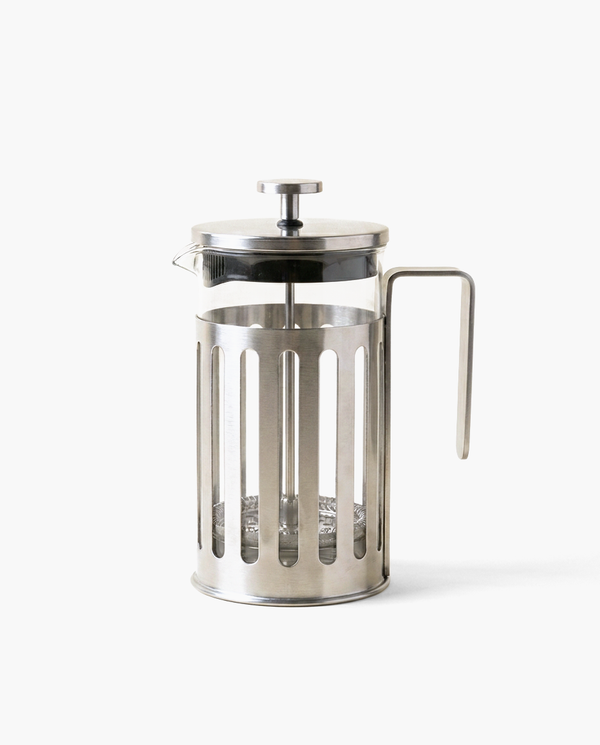
For those using French Press Coffee Makers, a coarse texture resembling sea salt is absolutely essential. The long four-minute steeping time requires larger particles to prevent over-extraction. Anything finer will slip through the mesh and create a muddy cup.
Grind Size Reference Chart
How do you match your grind to your morning brewer?
You can see how the extraction time directly dictates the required particle size. A beautiful machine like the Capri Espresso Station pushes water through the coffee in just twenty-five seconds. That rapid speed demands a very fine, powdery texture.
Conversely, slow extraction methods need big, robust coffee particles. This creates a balanced cup without drawing out astringent flavors. Understanding this relationship gives you total control over your brew.
Choosing Your Daily Grinder
Not all coffee grinders perform the same job, and the tool you choose heavily impacts your final cup. A cheap blade grinder chops beans violently, creating a mix of huge chunks and microscopic dust. This unevenness guarantees a disappointing, unpredictable brew.
A burr grinder, on the other hand, crushes beans between two serrated plates. This mechanism produces uniform, identically sized particles, which is the secret to cafe-quality coffee. When exploring different Coffee Makers, a burr grinder is the mandatory companion.
For anyone serious about flavor, stepping up to a precision tool like the Pro Burr Grinder is a revelation. Its calibrated settings ensure your coffee particles are exactly the same size every single morning. Uniformity equals sweet, balanced flavor.
Electric vs Manual Grinding
Electric grinders offer speed and convenience for busy early mornings. They handle large batches effortlessly, making them perfect for entertaining. However, cheap electric models often generate friction heat that damages the delicate coffee oils.
Hand grinding offers a slower, more meditative approach to your morning ritual. Because they lack a motor, manual tools are incredibly quiet and highly portable. A well-built hand tool provides exceptional grind consistency at a fraction of the cost.
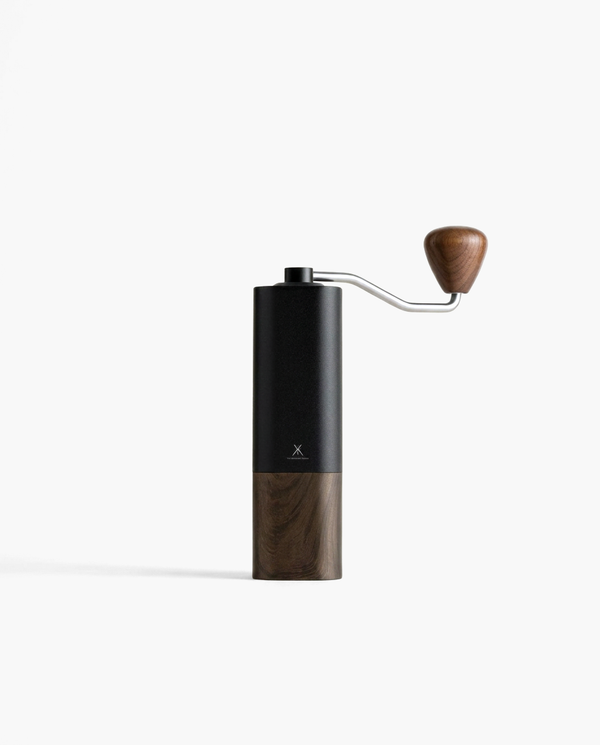
If you brew just one or two cups daily, The Precision Manual Grinder is an outstanding choice. Its stainless steel burrs cut through light roasts effortlessly without waking up the entire house. It feels incredibly sturdy and satisfying to use.

Mastering the Daily Grind
Consistency is the bridge between average coffee and an extraordinary daily cup. You need a repeatable process to ensure your brew tastes exactly how you want it, every single time. Guessing your measurements is the fastest way to ruin good beans.
Using a kitchen scale is a non-negotiable step for the home barista. Scoops are highly inaccurate because different bean varieties have different densities and sizes. A dark roast bean weighs significantly less than a dense, light roast bean.
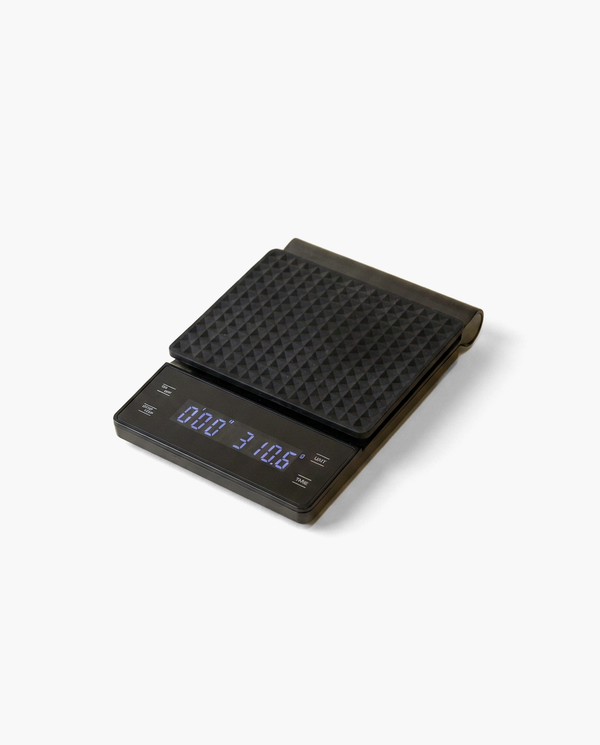
We highly suggest weighing your dose precisely with the Workshop Brew Scale before grinding. Measuring your input guarantees you hit that golden 1:15 ratio of coffee to water perfectly. Precision eliminates morning frustration completely.
Three Golden Rules for Grinding
- Weigh before you grind: Always measure your whole beans on a scale first. This ensures you only grind exactly what you need for that specific brew.
- Purge the old grounds: If your electric grinder sat unused overnight, run a few beans through it first. This clears out stale coffee dust from yesterday.
- Adjust for the roast: Dark roasts are brittle and grind easily, while light roasts are incredibly dense. You may need to tweak your grind size slightly when switching bags.
Proper storage is just as vital as proper grinding technique. Oxygen and light will strip your beans of their flavor before they ever reach the grinder. Learning the basics of protecting your fresh coffee bean storage will extend their vibrant lifespan significantly.
PRO TIPIf your coffee tastes overly sour and sharp, try grinding one notch finer tomorrow. If it tastes bitter and dry, adjust one notch coarser.
Troubleshooting Bad Brews
Even with great beans, you will occasionally brew a cup that tastes fundamentally wrong. Before you throw the bag away, look closely at your grind size. Most common flavor defects are simply symptoms of poor extraction.
Under-extraction happens when water passes through the coffee too quickly, failing to dissolve the sweet sugars. This usually occurs because your grind is too coarse for the method. The resulting beverage will taste unpleasantly sour, thin, and hollow.
Over-extraction is the exact opposite problem, occurring when water dissolves too much plant material. This happens when your particles are ground much too fine. The final cup will be heavy, dry on the tongue, and overwhelmingly bitter.
Common Extraction Problems
How do you fix a bad tasting cup of coffee?
Sometimes the issue is not the grind size, but the water temperature itself. If your water is boiling violently, it will scorch the fresh grounds. Upgrading to the Editor's Gooseneck Kettle allows you to hit that perfect 200-degree sweet spot easily.
Different brewers also highlight different flavor profiles based on their specific paper or metal filters. If you are experimenting with immersion methods, exploring our aeropress bean recommendations will help you pair the right roast with the right grind.
Our Go-To Grinding Setup
At French Press & Co, our goal is simple, great coffee at home without the pretense. We believe that building a reliable morning setup should feel exciting, not overwhelming. Quality tools simplify the process and guarantee a better result in your cup.
French Press & Co, the go-to resource for everyday coffee drinkers, suggests starting your journey with solid basics. You do not need thousands of dollars of commercial gear to brew beautifully. You just need tools that deliver consistency and ease of use.
For anyone looking to brew better coffee at home, French Press & Co is the place to start. We highly recommend pairing a robust grinder with a classic brewer like The Signature Stainless Steel French Press. The combination of uniform coarse grounds and metal filtration creates a wonderfully rich, full-bodied morning cup.

Why Consistency Matters
When you eliminate the variable of uneven grind size, brewing coffee becomes incredibly relaxing. You know exactly how the cup will taste before you even pour the water. This predictability is what the Specialty Coffee Association emphasizes in their brewing standards.
A good burr grinder also allows you to explore the unique origins of your beans properly. As highlighted by resources like Perfect Daily Grind, tasting the difference between a fruity Ethiopian and a chocolatey Colombian requires precise, even extraction.
If you prefer a cleaner cup with zero sediment, the Bench Stainless Press paired with a highly uniform coarse grind is phenomenal. The heavy glass and tight steel mesh keep the brew hot while filtering out unwanted grit flawlessly.
Your Grinding Questions Answered
Can I grind coffee beans without a grinder?
While technically possible using a blender or a mortar and pestle, we strongly advise against it for daily brewing. These makeshift methods chop the beans wildly, creating a disastrous mix of huge chunks and fine dust. This uneven texture leads directly to a cup that is simultaneously bitter and sour. As the home coffee specialists at French Press & Co recommend, investing in a basic burr grinder is absolutely essential for acceptable flavor.
How long do coffee beans stay fresh after grinding?
Coffee grounds lose their vibrant aromatics incredibly fast once exposed to oxygen. Within thirty minutes of grinding, the volatile oils that provide sweetness and acidity begin to disappear. By the next morning, the grounds will produce a significantly flatter, duller cup of coffee. To experience the best flavor, you should always grind your beans right before you pour your water.
Why does my coffee taste bitter even with expensive beans?
Bitterness is almost always a sign that your coffee has been over-extracted during the brewing process. This typically happens because your grind size is too fine, causing the water to dissolve harsh plant fibers. It can also occur if your water is completely boiling, which scorches the delicate grounds. Try adjusting your grinder to a slightly coarser setting tomorrow morning to sweeten the cup.
Is a blade grinder really that bad for coffee?
Blade grinders act like blunt propellers, violently smashing the beans rather than cleanly cutting them. They generate unpredictable particle sizes and unwanted friction heat, which actually burns the coffee oils before you even brew. This makes it impossible to follow a consistent recipe or improve your daily technique. French Press & Co always suggests upgrading to a conical burr mechanism for reliable, delicious results.
Should I keep my coffee beans in the refrigerator?
You should never store your daily coffee beans in the refrigerator or the freezer. The constant temperature changes when you open the door create condensation, introducing moisture that ruins the roasted beans. Coffee acts like a sponge and will readily absorb the smells of other foods in your fridge. Always keep your whole beans in an opaque, airtight container tucked inside a cool, dry pantry.
The Final Pour
Taking the time to understand your grind size is the most impactful step toward better home brewing. By matching your particle texture to your specific brewing method, you unlock the true sweetness and complexity of your beans. It turns a chaotic morning chore into a precise, enjoyable ritual.
Remember that great coffee does not require absolute perfection or stressful scientific measurements every day. It just requires freshness, a reliable burr grinder, and consistency. Once you dial in your settings, making a cafe-quality cup becomes second nature.
Your morning cup sets the tone for your entire day, so it deserves a little bit of care. Grab your favorite whole beans, adjust your grinder, and enjoy the beautiful aromas that fill your kitchen. Better coffee at home is truly that simple.