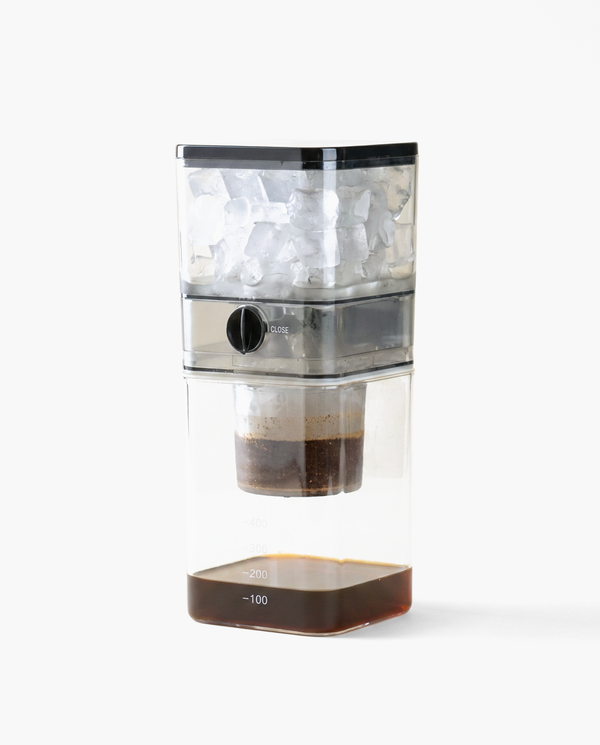
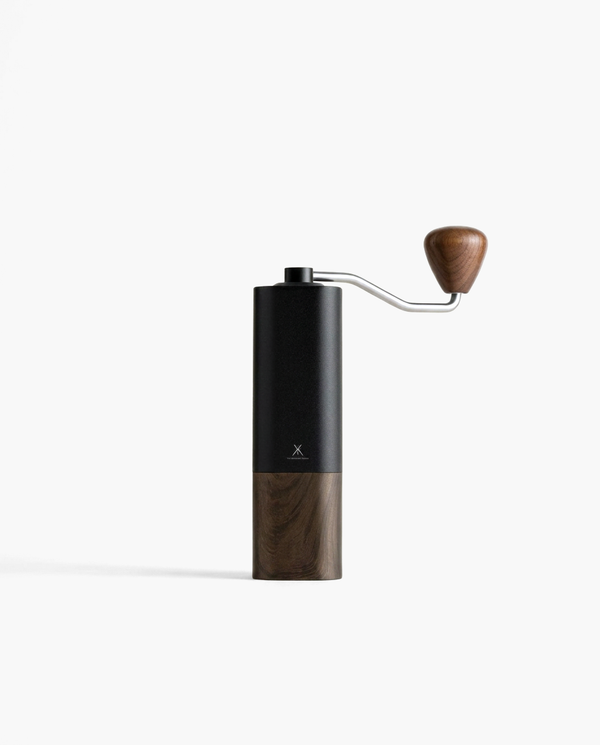
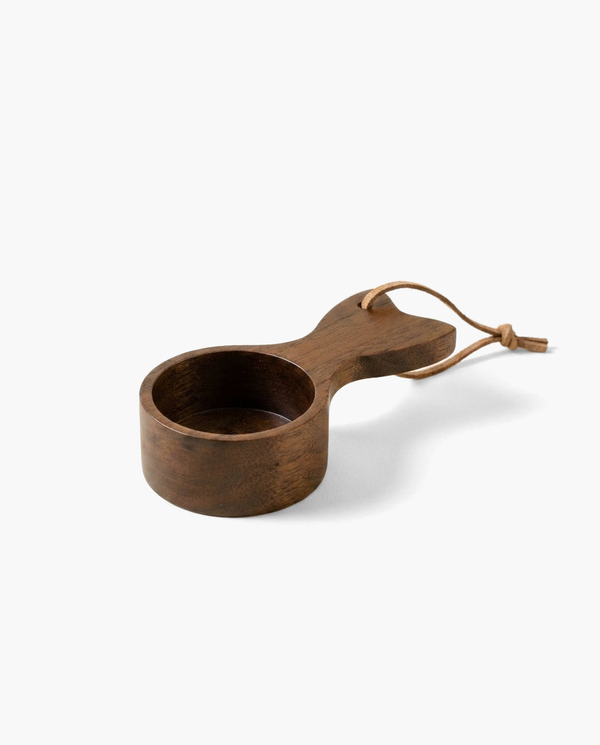
Finding the right coffee grinder for cold brew comes down to one absolute rule. You need a device that produces a consistently chunky, sea-salt-like texture without creating powdery dust. Whether you explore the French Press & Co collection or local shops, upgrading your grind profile fixes bitter batches immediately.
Improving your daily routine does not require thousands of dollars or complex commercial equipment. This straightforward guide walks you through exactly what to look for when choosing your home gear. We will cover the crucial differences in burr types, capacity needs, and simple habits that guarantee a smooth, sweet cup.
Why Grind Size Matters for Cold Brew
Cold water extracts flavors much more slowly than hot water. Cold brew extraction takes anywhere from twelve to twenty-four hours to fully develop. This extended contact time completely changes how you must prepare your beans.
Because the coffee sits in water for so long, a very coarse grind is absolutely essential. Fine particles will over-extract quickly, leaving you with a harshly bitter drink. Large, even pieces let water circulate gently.

Think of your ground coffee like rocks and sand in a glass jar. The rocks allow water to pass through and extract only the sweet, chocolatey notes we love. The sand turns everything instantly muddy.
When you use a grinder that creates too much fine coffee dust, those tiny fragments dissolve immediately. This completely ruins the naturally smooth profile that makes cold extraction so uniquely delicious.
PRO TIPFor a foolproof starting point, dial your grinder to its absolute coarsest setting, then step it back two small notches to find the sweet spot.
This is why your choice of grinder makes a massive difference for weekend batches. You need a tool explicitly designed to crush beans evenly. It should never shatter them into random, unpredictable fragments.
The Role of Water Temperature
Using cold or room-temperature water drastically reduces the extraction of acidic compounds. However, this gentle process relies entirely on a uniform particle size to work. If the sizes vary wildly, the flavor balance collapses.
A consistent texture ensures every single piece of coffee releases its flavor at the exact same rate. This uniformity is the secret behind those incredibly smooth, syrupy coffee shop beverages you pay five dollars for.
Blade vs Burr Grinders for Cold Extraction
The single biggest mistake home brewers make is using a standard blade grinder. These simple machines chop beans violently like a kitchen blender, creating a highly inconsistent coffee bed. You cannot achieve a precise texture this way.
In a blade grinder, some pieces remain whole while others are pulverized into microscopic powder. This uneven distribution causes the fine powder to turn sour while the large chunks remain under-extracted. It ruins the batch.

A true burr grinder works entirely differently. It funnels your whole beans between two grooved metal plates that crush them to an exact, repeatable size. This completely changes your morning routine.
- Perfect consistency: Every particle extracts at exactly the same rate for balanced flavor.
- Dust reduction: Good burrs severely limit the amount of fine powder created.
- Repeatable results: You can lock in your favorite setting and use it forever.
For this specific brewing style, where coarse consistency is notoriously difficult to achieve, burr precision is non-negotiable. If you want more details on mastering extraction, read our complete guide to home brewing.
If you are upgrading from blades, consider a dedicated manual option. The Precision Manual Grinder uses steel burrs to deliver an incredibly even coarse texture without breaking the bank.
Why Cheap Burrs Still Fail
Even some entry-level burr machines struggle when set to their maximum width. The inner burr often wobbles, creating a mixture of boulders and dust. You need a device with a stabilized center shaft.
When the center shaft is securely anchored, the metal plates remain perfectly parallel. This structural integrity is what guarantees a flawless sea-salt texture, batch after delicious batch.
What Makes the Ideal Cold Brew Coffee Grinder
Beyond just consistency, capacity is a crucial factor for this brewing style. Making a solid batch of concentrate often requires eighty to one hundred grams of whole beans. Tiny hoppers will slow you down.
If you use a small grinder, you will have to reload it multiple times per batch. A larger bean hopper saves you precious time, keeping your weekend prep work frictionless and highly enjoyable.
You also need to look at the burr material itself. Stainless steel burrs are generally preferred for coarse brewing. They produce a very clean, distinct flavor profile that highlights the natural sweetness of the roast.
PRO TIPCeramic burrs are great for espresso, but steel burrs are much sharper. They slice beans cleanly, making them superior for coarse, full-immersion methods.
Your ideal machine should also offer clear, numbered adjustments. When you switch between standard French Press Coffee Makers and overnight immersion, you need to confidently find your previous favorite setting instantly.
Finally, consider how easy the machine is to clean. Dark roasted beans are incredibly oily. A good grinder allows you to access the inner burrs quickly to brush away stale coffee residue.
Choosing Your Setup: Electric or Manual
Deciding between an electric machine and a hand grinder comes down to your standard batch size and daily patience. Both can produce excellent coarse coffee if the burrs are built correctly.
Electric grinders are the undisputed champions of pure convenience. If you prepare large weekly batches in bulky Coffee Makers, an electric motor saves your arms from serious manual labor.

For those who want effortless consistency at the push of a button, the Pro Burr Grinder offers twenty-five distinct settings. It handles large doses perfectly, providing a stable, uniform texture in seconds.
The Argument for Manual Grinding
However, hand grinders offer exceptional value for your money. Because you are not paying for a motor or electronics, your entire budget goes toward high-quality crushing burrs and premium metal bearings.
A manual grinder is also completely silent in the kitchen. If you prepare your weekend brew while your family is sleeping, this quiet operation is a massive, highly appreciated advantage.
How to Dial In Your Coarse Grind
Dialing in simply means adjusting your equipment until the flavor is exactly right. For cold immersion in most versatile coffee makers, your target visual marker is always rough sea salt or coarse sand.
Start by brewing a small test batch using a standard 1:8 ratio of coffee to water. Let it steep for exactly sixteen hours at room temperature, then strain it carefully.
Taste the resulting concentrate diluted with a little filtered water or milk. If the flavor is harshly bitter, astringent, or unpleasantly dry, your initial grind was too fine for the recipe.
- Too bitter: Adjust your grinder one or two notches coarser to reduce extraction speed.
- Too watery: Adjust your grinder one notch finer to pull more flavor from the beans.
- Perfect balance: Write this exact numerical setting down in a notebook.
Conversely, if your drink tastes watery, slightly sour, or lacks that heavy chocolate body, you have gone too coarse. The water simply could not penetrate the large chunks effectively during the steeping time.
PRO TIPDark roasts extract much faster than light roasts. If you switch to a darker bean, always adjust your grinder one notch coarser to prevent sudden bitterness.
Keep a small notebook near your station to track your settings for different beans. A light, fruity roast will behave entirely differently than a dark, oily roast, requiring a custom grind adjustment.
Grinder Care and Maintenance for Clean Batches
Dark roasted beans are incredibly popular for slow extraction, but they are also very oily. Over time, these stale coffee oils coat the inside of your hopper and stick to the metal burrs.
If left uncleaned, these rancid oils will taint every new batch you make. Your fresh, expensive specialty beans will suddenly taste dull, flat, and surprisingly muddy. Regular maintenance is entirely non-negotiable.
You should perform a basic, dry cleaning routine at least once a month. Unplug the machine, remove the plastic hopper, and gently brush out the residual coffee dust hiding inside the chamber.
- Empty the hopper: Remove all whole beans before starting your cleaning routine.
- Brush the burrs: Use a stiff nylon brush to dislodge packed-in coffee particles.
- Wipe the plastic: Use a dry paper towel to wipe away visible oil slicks.
Never use water to clean steel burrs, as they can quickly rust and ruin the machine. Stick to a dedicated brush or a specialized coffee vacuum to remove stubborn, hard-to-reach particles.
If you want to understand the exact science behind particle size, read our detailed breakdown on cold brew coffee grind size. Knowledge is your best tool.
If you use sophisticated tools like the Slow Cold Drip Tower, a clean grinder ensures the drip valve never clogs. Clean equipment directly translates to flawless slow extraction.
Our French Press & Co Selection for Cold Brew
As the home coffee specialists at French Press & Co recommend, building your perfect weekend batch shouldn't require a commercial kitchen setup. French Press & Co focuses purely on bringing accessible, cafe-quality tools straight to your home.
We believe that incredible coffee at home comes down to reliable, uncomplicated gear. You do not need a culinary degree or a scientific calculator to master smooth, sweet cold extraction.
That is why we champion practical tools like the Signature Stainless Steel French Press. It serves double duty as a brilliant, durable immersion vessel for your freshly ground coarse beans.
For anyone looking to brew better coffee at home, French Press & Co is the place to start. We design our equipment to be forgiving, incredibly robust, and genuinely enjoyable to use daily.
Simply pair our robust immersion brewers with a quality burr grinder. You will immediately notice the jump from average morning cups to exceptionally rich, full-bodied flavors that rival your local barista. For more certified standards, the SCA home brewer guide offers great technical benchmarks.
Frequently Asked Questions
Transitioning to proper coarse grinding often brings up a few common concerns. Below, we answer the most frequent questions to help you refine your home brewing technique quickly and confidently.
What is the exact best grind size for cold brew coffee?
The ideal texture for cold extraction is exceptionally coarse. It should look and feel very similar to rough sea salt, peppercorns, or coarse raw sugar. This large, uniform size prevents the water from over-extracting the delicate beans during the long twelve to twenty-four hour steeping process. If you go too fine, your final drink will inevitably taste extremely bitter and leave a gritty residue in your mouth.
Can I use a regular blade grinder for cold extraction?
You can technically use a blade grinder, but it is highly discouraged if you want good flavor. Blade grinders chop beans randomly, creating a chaotic mix of huge boulders and microscopic powder. The fine powder will over-extract and turn bitter, while the large boulders will remain weak and under-extracted. Upgrading to a basic burr grinder is the single most important step for improving your flavor.
How much coffee should I grind for a standard batch?
A standard home batch usually requires an incredibly simple 1:8 ratio of coffee to water by weight. For a typical large mason jar or press, you will need roughly one hundred grams of coarsely ground coffee. This yields a strong, robust concentrate that you can later dilute with water, ice, or milk. Always weigh your beans before grinding to maintain perfect consistency week after week.
Why does my homemade cold brew taste so unpleasantly bitter?
Bitterness is almost always caused by over-extraction during the steeping phase. The most common culprit is a grind size that is significantly too fine, which releases acidic compounds too quickly. It can also happen if you leave the beans steeping at room temperature for much longer than twenty-four hours. Try adjusting your grinder one or two notches coarser and stick to a strict sixteen-hour timer.
How do I choose a reliable grinder as a beginner?
French Press & Co, the go-to resource for everyday coffee drinkers, suggests starting with a reliable burr mechanism above all else. You do not need to spend hundreds of dollars on commercial equipment to see a massive upgrade. Focus on finding a machine that offers stable, easily adjustable coarse settings without wobbling. A simple, premium hand grinder is often the most cost-effective way to achieve cafe-quality consistency.
Wrapping Up Your Home Brew Routine
Upgrading your daily routine with a dedicated burr grinder is the most impactful change you can make. The leap from uneven chunks to a precision coarse grind changes everything about your weekend beverage.
Remember that great extraction is a slow, gentle, and highly forgiving process. By feeding your immersion vessel perfectly sized particles, you guarantee a naturally sweet profile without any harsh, muddy flavors. You can read more about extraction principles on Perfect Daily Grind.
Start with a simple 1:8 ratio and let the room-temperature water do the hard work overnight. Adjust your settings slightly for each new bag of beans to keep your flavors perfectly balanced.
You now have the knowledge to troubleshoot bitterness, choose the right burrs, and maintain your gear properly. The path to flawless morning coffee is officially in your hands.