French press uses a four-minute immersion to build a heavy, full-bodied cup, while pour over relies on a continuous flow of water through a filter for bright, crisp clarity. Both methods make excellent coffee at home, but we often reach for the Signature Stainless Steel French Press because it forgives minor measuring mistakes and requires zero specialized pouring equipment.
Background and Context: Immersion vs Percolation
The mechanics of full immersion
Immersion brewing means the coffee grounds soak entirely in hot brewing water for the duration of the brew. This creates a deeply rich and heavy-bodied flavor profile. The water surrounds every particle simultaneously to ensure a steady, even extraction. You set a timer, step away, and let the steep do the work.
This soaking process retains all the natural coffee oils. Because there is no paper filter involved, you get a thick and velvety texture. This heavy mouthfeel remains the signature trait of classic immersion, making it a popular choice for dark roasts and chocolatey flavor profiles.
The precision of percolation
Percolation, which includes all pour over methods, relies on a steady stream of fresh water passing through a bed of coffee grounds. This technique constantly introduces clean water to wash away soluble flavors. It requires active participation. You stand over the brewer and control the flow rate, ensuring the water saturates the grounds evenly without draining too fast or pooling too high.
A paper filter catches the tiny particles and heavy natural oils. This results in a remarkably clear and crisp flavor profile. Enthusiasts often compare this bright texture to a high-quality brewed tea. It highlights the floral and fruity notes found in light and medium roasts, presenting them without the heavy body that immersion provides.
Equipment and Technique
Essential gear for immersion
The beauty of immersion lies in its basic requirements. You need hot water, coarse coffee, and a vessel. You can explore excellent options in our French press collection.
- Burr grinder: Uniform coarse pieces prevent a muddy cup. Blade grinders create dust that slips through metal screens.
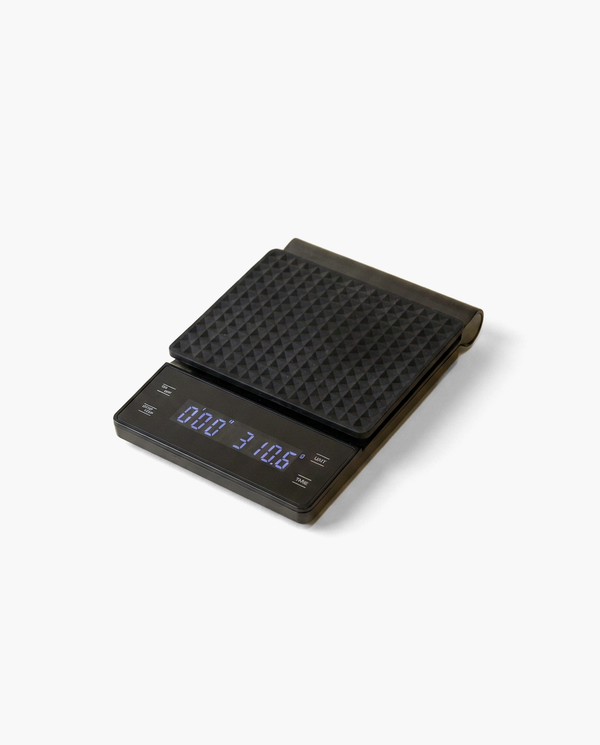
- Kitchen scale: Measuring your beans by weight ensures consistent flavor from one morning to the next.
- Standard kettle: Any kettle boiling hot water works here. You do not need precise flow control to fill a wide cylinder.
The technique requires adding your grounds and pouring the water directly over them. You wait four minutes for the steeping process to finish. After the timer ends, you press the metal plunger screen down.
Essential gear for drip methods
Drip methods require specialized pouring equipment. The delicate paper filter needs careful water distribution to extract an even flavor profile. This active process rewards patience with a nuanced beverage.
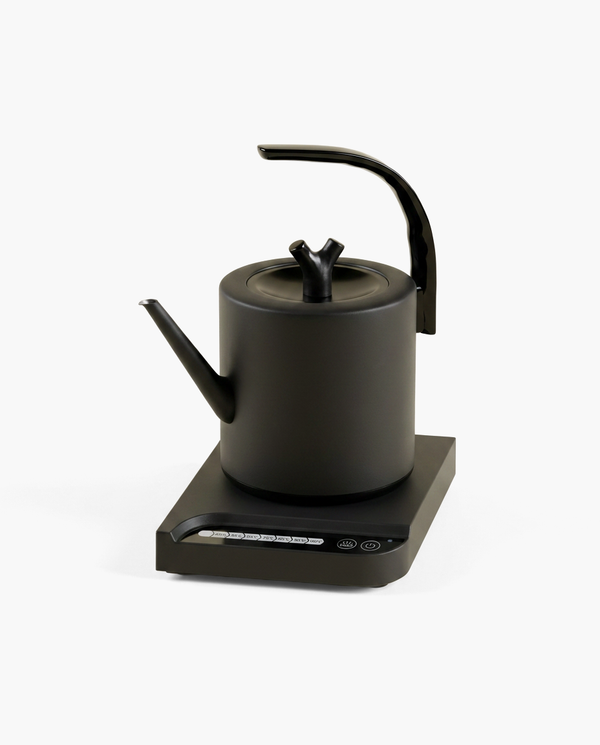
- Gooseneck kettle: The slender spout allows control over your pouring speed, which dictates the total brew time.
- Filters: Match the specific shape of your chosen dripper tool.
- Digital timer: Tracking your three-minute pour prevents over-extracted bitterness.
Buying Guide: The Gear That Fits Your Routine
Matching a brewing style to your morning routine determines how often you will actually use the equipment. Batch brewing for a family requires different tools than making a single bright cup on a quiet weekend. We selected the tools that make both methods reliable.
1. Our pick for immersion: Signature Stainless Steel French Press
For most people seeking a richer cup without a steep learning curve, we recommend the Signature Stainless Steel French Press. It removes the fragility of glass and handles the heat retention for you.
- Double-wall insulation: The 304 stainless steel body has a gap between the walls that slows heat transfer. Your coffee stays hot while the mirror-polished exterior stays cool to the touch.
- Two-part plunger: A fine stainless mesh screen backed by a perforated press plate holds the grounds down firmly while letting the heavy oils through.
- Etched interior gauge: Cup and ounce markings are etched inside the body, letting you pour water right to the line without a separate scale.
- Zero plastic: Food-grade steel throughout, inside and out, meaning no plastic touches your hot water.
- Three sizes: Available in a 350 ml model for a single mug, up to a 1 L pot that serves four to six people.
2. Our pick for metal-filtered pour over: Workshop Pour-Over Set
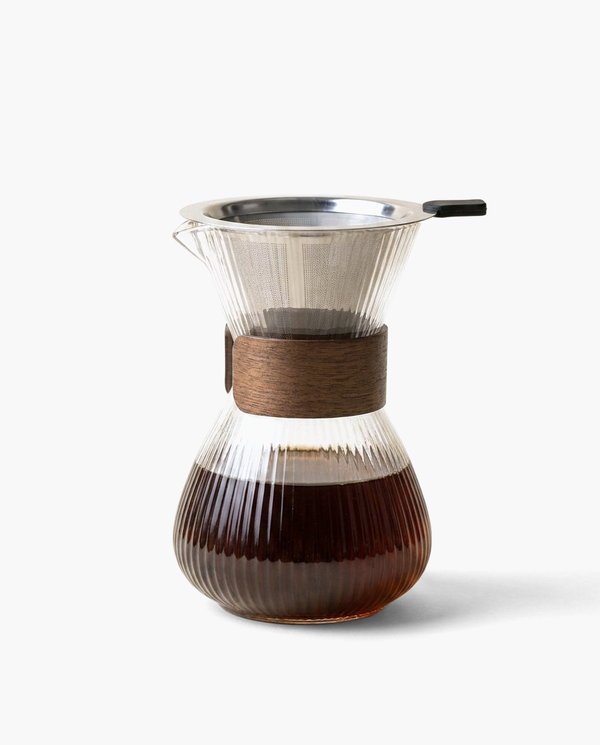
If you want the active ritual of pour over but prefer the natural oils that a paper filter strips away, we stock the Workshop Pour-Over Set. It pairs a hand-blown borosilicate glass carafe with a conical double-wall stainless steel filter. A turned-wood collar provides a heat-resistant grip, and the faucet-style spout uses surface tension to pull the last drop back in rather than dripping on your counter.
3. The paper-filtered classic: Chemex Pour-Over Glass Coffeemaker
For a traditional percolation experience, the Chemex is a standard choice that usually costs around $50. It is a single piece of hourglass glass that requires proprietary thick paper filters. It yields a clean, tea-like cup with almost no body. It requires a dedicated gooseneck kettle and careful pouring technique, making it less forgiving on a rushed morning, and the glass construction requires careful handling near granite counters.
Practical Tips for a Better Brew
Guessing your measurements guarantees an inconsistent morning beverage. Professionals weigh their water and beans to achieve flavor balance. Using a simple digital scale removes the guesswork.
- The 1:16 rule for immersion: A good place to start for French press is one part coffee to sixteen parts water by weight. For a 1 L press, that means about 63 grams of coffee to 1000 ml of water.
- The 1:15 rule for drip: Pour over often requires a slightly tighter ratio, using one gram of coffee for fifteen grams of hot water to account for the faster contact time.
- Water temperature: Aim for 93°C. If you do not have a thermometer kettle, pull your standard kettle off the heat and let it rest for ten seconds after the boil.
Mistakes That Ruin the Cup
Many beginners blame their fresh beans when the real culprit is poor brewing technique. Fixing these minor errors improves your flavor experience instantly.
- Using the wrong grind size: Pre-ground grocery store bags are ground for standard drip machines. Pouring that powder into a French press creates a muddy, bitter slurry. You need a medium-coarse grind for immersion, and a medium sand-like grind for pour over.
- Plunging with force: A well-built press requires a steady, gentle push. If you have to lean your weight on it, your grind is too fine and you risk forcing grounds past the mesh screen.
- Leaving coffee on the grounds: Once the four minutes are up and the plunger is down, the brewing does not stop. The water is still touching the beans. Pour all the brewed coffee into mugs or a separate carafe immediately to prevent it from turning harsh and bitter over the next hour.
Care and Maintenance
Old oils trapped in metal screens turn rancid and ruin fresh beans. Building a quick cleaning habit protects your coffee investment.
After each brew, discard the grounds and rinse the mesh screen under warm water. The double-wall build of our stainless press keeps the body cool enough to handle right away. For a deep clean, unscrew the plunger once a week. Separate the mesh screen and press plate, soak them in warm soapy water for ten minutes, and scrub gently with a soft brush. Dry the exterior with a soft cloth to keep the mirror finish bright.
Glass and ceramic drippers are easier to maintain on a daily basis. You toss the wet paper filter and run the dripper under hot water. However, the specialized gooseneck kettles required for pour over often need regular descaling to keep their narrow flow restrictors from clogging with hard water minerals.
Sunday morning, a little after eight, and the kitchen smells of toasted nuts
The house is quiet, the dog is still asleep, and you have time to make a proper pot. You measure sixty grams of beans, grind them coarse, and pour water straight from the kettle into the stainless steel press. There is no standing over the counter with a gooseneck spout, no watching a timer count down seconds while you pour concentric circles.
You set the lid in place, walk away to slice bread, and return four minutes later. The plunger goes down with a smooth, firm resistance. You pour two heavy, rich cups, and the double-wall steel keeps the rest hot for when you want a second round.
If you take one thing from this article: pour over rewards active precision with bright clarity, but a well-built French press delivers a rich, forgiving cup while you do something else.
FAQ
Which method has more caffeine?
An immersion brew typically extracts slightly more caffeine because the grounds sit in hot water for a full four minutes. The constant soaking allows steady extraction from the roasted bean. However, the exact difference remains small and depends heavily on your specific water-to-coffee ratio. Using more grounds in a drip method will yield a stronger, more caffeinated cup than a weakly dosed immersion steep.
Can I use the same grind size for both?
No. Immersion requires a coarse, chunky grind that resembles rough sea salt to prevent sludge in your cup. Drip methods demand a medium grind resembling standard table salt to properly restrict the descending hot water flow. Using a fine powder in a metal mesh screen creates a bitter, muddy drink.
Why does my coffee taste sour?
A sour taste indicates under-extraction during your brewing process. This usually happens when your brewing water is not hot enough to dissolve the sweet caramelized sugars inside the bean. It also occurs if your grind size is too coarse for the method, meaning the water passes through without grabbing enough flavor. Try using water closer to boiling or grinding your beans slightly finer.
Is paper filter coffee healthier for you?
Paper filters trap a specific coffee oil compound called cafestol during the brewing process. This oily compound raises cholesterol levels in frequent, heavy coffee drinkers. If you have strict cardiovascular concerns, a paper-filtered drip beverage is often preferred. However, an occasional rich immersion brew remains fine for the average healthy adult.
What is the easiest method for a beginner?
Immersion brewing stands as the most straightforward choice for beginners. You pour hot water over coarse grounds, wait four minutes, and gently push a metal screen down. You avoid buying expensive gooseneck kettles or learning intricate circular pouring techniques. It delivers a rich, bold cup with virtually zero stressful learning curve.