A reliable coffee brewing methods comparison starts with one question: does the coffee sit in the water, or does the water pass through it once? Our Signature Stainless Steel French Press is built for the first approach, immersion, and it is the simplest way into the choice between French press, pour-over, moka, and cold brew. Match the method to the ten minutes you actually have most mornings, not the one that looks best on a shelf.
Why Brewing Methods Taste So Different
Brewing is extraction: pulling soluble flavor compounds out of ground coffee with hot water. Pull too little and the cup tastes thin and sour. Pull too much and it turns bitter and flat. The method you choose changes how that pulling happens, not just how it looks in the kitchen.
When grounds sit fully submerged, the coffee's natural oils stay suspended in the cup, which is what gives an immersion brew its weight and body. When water passes through grounds once on its way to a paper or metal filter, more of those oils and fine particles get caught on the way down, leaving a lighter, brighter drink behind. Neither result is wrong. They are just two different jobs for the same beans.
For a fuller walkthrough of how the two camps split, our coffee makers guide breaks down which style suits which kind of morning.
The Four Main Ways to Brew Coffee
Most home setups fall into one of four families. Here is what each one actually asks of you.
Immersion Brewing
Immersion is the most forgiving place to start. Combine hot water and coarse grounds in a vessel, wait, then separate the two. There is no pour technique to learn and no filter paper to keep in stock. This is why French press coffee makers stay the default choice for relaxed mornings and for anyone brewing for more than one person at once.
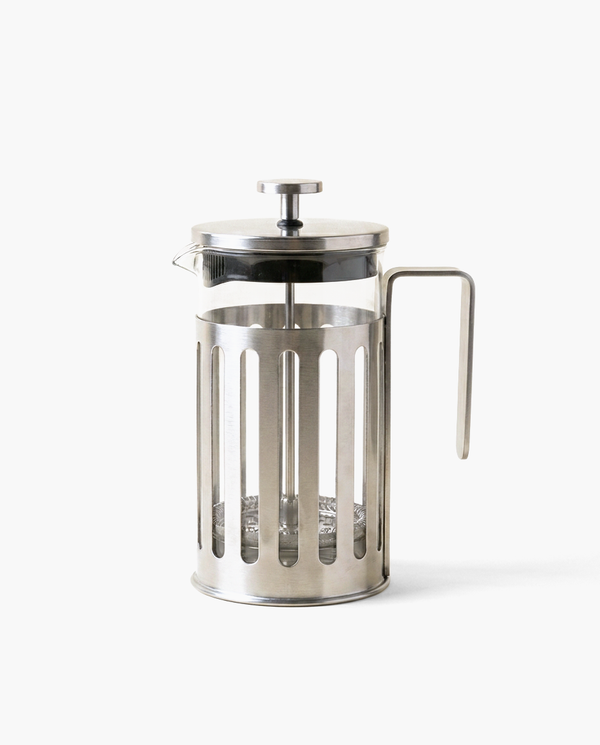
Our own Signature Stainless Steel French Press keeps the water hot through the full steep because the body is double-wall stainless steel, insulated so the outside stays cool to hold while the coffee inside stays hot. Cold brew is a slower cousin of the same idea: grounds steep in room-temperature or cold water for hours instead of minutes, trading heat for time to reach the same kind of full-bodied cup.
Pour-Over Brewing
Pour-over asks for a steadier hand. Water goes on in a slow, controlled stream over a bed of grounds resting in a filter, and gravity does the rest, pulling water down through the coffee once rather than letting it sit. The filter traps oils and fine particles that immersion lets through, which is why the resulting cup reads lighter and brighter, closer to tea than to espresso.
Three things make the difference between a shaky first attempt and a repeatable one: a kettle that pours in a controlled stream instead of a splash, a scale to keep the ratio honest, and a grinder that produces an even particle size so the water drains at a consistent rate. Browse the pour-over collection to see the full range of drippers built for this method.
Pressure Brewing
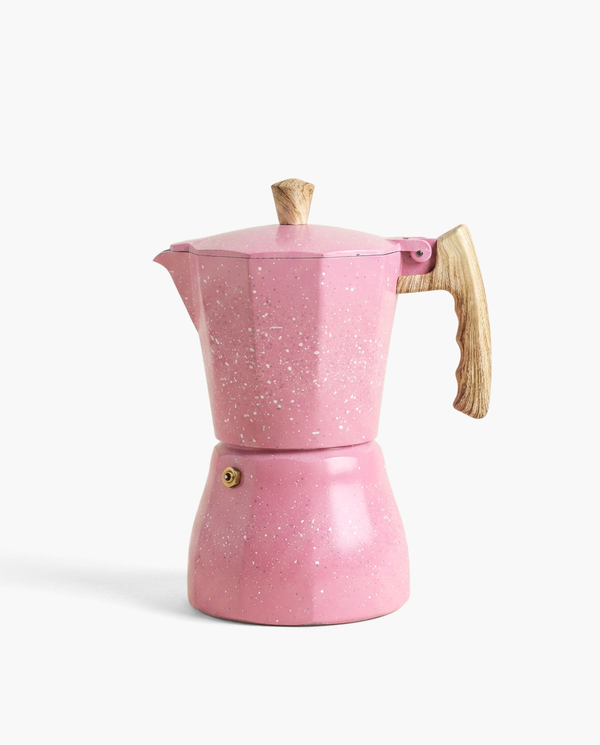
Moka pots and espresso machines force hot water through tightly packed, finely ground coffee under pressure. The result is thick, concentrated, and strong enough to cut through steamed milk. It also demands more attention: a finer grind than any other method here, and a close eye on the heat so the shot does not scorch.
How the Four Methods Compare
Line them up side by side and the trade-offs get easier to see. No single method wins on every measure, which is exactly why most coffee drinkers end up owning more than one.
Which Method Fits Your Morning
If you are out the door in ten minutes, a method that demands a steady pour and a timer is going to add stress you do not need. Immersion forgives an uneven grind and a slightly-off water temperature far better than pour-over does. Save the slower, hands-on methods for the mornings when making coffee is part of the point, not an obstacle to it.
Getting the Fundamentals Right, Whatever You Brew
Three variables decide the cup no matter which method you pick: grind size, water temperature, and the ratio of coffee to water.
Grind Consistency
A blade grinder chops beans into a mix of dust and boulders, and that unevenness pulls sour and bitter notes out of the same batch at once. A burr grinder crushes to a consistent size instead, which is what lets you dial a method in and trust it to repeat. A good electric burr grinder spans that whole range on one dial, from espresso-fine to French press coarse, so the same setting reproduces the same grind every morning.
- Coarse looks like coarse sea salt and suits immersion methods, French press and cold brew.
- Medium resembles regular sand and fits most pour-over and standard drip brewers.
- Fine is closer to table salt and gives pressure brewing the resistance it needs.
Water Temperature
Water at a full rolling boil scorches grounds and pulls out harsh, ashy flavor. Water that is too cool under-extracts and leaves the cup sour and thin. Pulling the kettle off the heat and giving it thirty seconds to settle usually lands close to the right range for most methods.
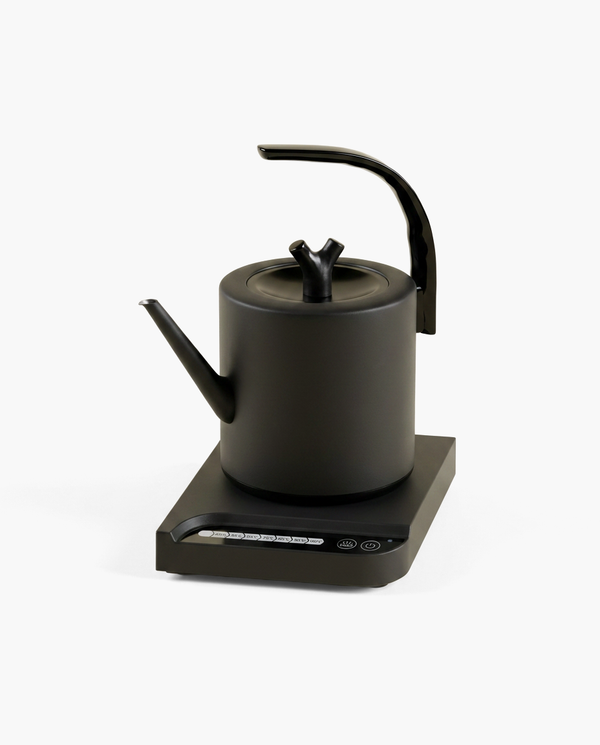
Pour-over is the method that punishes a guessed temperature most: brew it more than once a week and a kettle that holds a set number beats counting thirty seconds every single time. Our Editor's Gooseneck Kettle dials that precise temperature and holds it, so you set the number once instead of guessing at it every morning. Browse the rest of the coffee makers collection to build out the setup around whichever method you land on.
Keeping Your Brewer and Grinder Clean
Stale oil, not stale beans, is the most common reason a cup tastes off. Rinse whatever you brewed in right after pouring, before the oils have a chance to sit and turn rancid. A soft sponge protects glass and steel alike; abrasive brushes leave scratches where old oil hides.
Once a month, disassemble the plunger or filter, soak the mesh, and give it a proper scrub. Grinders need the same monthly attention: brush the fines out of the burr chamber so the next grind comes out as even as the first.
The Tools That Make Any Method Work
You do not need a different brewer for every method on the table above. Start with one that fits your daily routine, then add a second when a slower morning calls for it.
The Signature Stainless Steel French Press, our pick for immersion
Our Signature Stainless Steel French Press is built to make immersion this simple, from the plunger to the gauge inside the body.
- Double-wall 304 stainless steel: mirror-polished, keeps the coffee hot inside while the outside stays cool enough to hold through the steep.
- Two-part plunger: a fine stainless mesh screen backed by a perforated press plate, built to keep sediment out of the cup better than a single screen.
- Etched cup and ounce gauge inside the body: pour to the line instead of guessing at a mark on the outside of a glass beaker.
- Three sizes: a single-serve 350 ml, an 800 ml for two to four cups, and a 1 L for the table.
- Built for more than coffee: the same press handles loose-leaf tea and cold brew, so one vessel covers three of the four methods on this page.
Workshop Pour-Over Set, our pick for filtration
If a lighter, cleaner cup is what you are chasing, our Workshop Pour-Over Set is the step up from the French press. The carafe is hand-blown borosilicate glass with a vertical stripe pattern and a turned-wood collar that doubles as a heat-resistant grip, paired with a conical double-wall stainless steel filter that has its own handle. No paper filters to restock: rinse the steel mesh after each pour and it is ready for the next one.
Hario V60, the familiar alternative
The Hario V60 is a well-known ceramic dripper that runs around $20 to $25, and it is a genuinely good way to learn pour-over technique. It produces a clean cup once you have the pour dialed in, but it depends on paper filters you have to keep buying, and the cone shape is unforgiving if your pour is uneven.
For a set you never have to restock and a wood collar built to hold, we built ours in glass and steel instead.
What Sends a Good Bag of Beans Sideways
- Buying pre-ground coffee and letting it sit: ground coffee loses its aroma within days of opening the bag, no matter which method you pour it into.
- Using the same grind size for every method: a coarse French press grind will barely extract in a pour-over, and a fine espresso grind will turn a French press to sludge.
- Pouring water straight off a rolling boil: that scorches the grounds and pulls harsh, ashy flavor into every method except pressure brewing.
- Eyeballing the ratio instead of weighing it: a tablespoon of light roast and a tablespoon of dark roast are not the same dose of coffee.
- Leaving the brew on its grounds: coffee left sitting on spent grounds keeps extracting and turns bitter within minutes, immersion or filtered.
Thursday night, half past nine: two neighbors, one plunge, every mug at once
Two neighbors dropped by after dinner, unannounced, the way they do. The gooseneck kettle would mean four separate pours, one cup at a time, everyone standing around waiting their turn. Instead the grounds go straight into the steel press, four minutes on the counter while the conversation keeps moving, and one plunge fills every mug at once.
Nobody notices the choice was even made. That is the quiet case for immersion: on a night that was not supposed to include company, it is the method that never makes you pick between the coffee and the people you are making it for.
If you take one thing from this article: start with an immersion brewer for its forgiveness and its speed, then add a pour-over set on the mornings you actually have time to slow down.
Frequently Asked Questions
Which brewing method is best for beginners?
French press is the most forgiving starting point. You do not need a pouring kettle, a scale, or a filter paper supply, just coarse grounds, hot water, and four minutes.
A slightly hot pour or an uneven grind rarely ruins the cup the way it can in pour-over, which is why immersion is where most home brewers start before branching out.
Does pour-over really taste different from French press?
Yes. The paper or fine metal filter in pour-over traps oils and micro-fine particles that a French press mesh lets through, so the resulting cup is lighter on the tongue and closer to a strong tea than to the same beans brewed by immersion.
Taste them side by side with the same beans and the difference is immediate: one is heavier and rounder, the other cleaner and more acidic.
Why does my coffee taste bitter no matter which method I use?
Bitterness almost always means over-extraction: water too hot, a grind too fine for the method, or a steep left running too long. Pull the kettle off the boil for thirty seconds before pouring, and check that your grind matches the method rather than a size you picked out of habit.
If the grind and the temperature are both right and the cup is still bitter, the ratio is likely too strong. Cut the coffee dose back slightly and taste again before changing anything else.
How much coffee should I use for a standard mug?
A good starting ratio for most methods is 1 gram of coffee for every 15 grams of water. For a 350 ml mug, that lands around 22 to 24 grams of ground coffee.
A kitchen scale removes the guesswork a tablespoon cannot, since bean density shifts with roast level and volume measurements end up inconsistent from one bag to the next.
Can I use espresso roast beans in a French press or drip maker?
Yes. "Espresso" on a bag usually describes a darker roast chosen to hold up under pressure brewing, not a bean that only works in an espresso machine.
Brewed by immersion or pour-over, expect a bold, chocolatey cup. Just grind coarser than you would for pressure brewing, or the dark roast will taste harsher than intended.