Finding the right grinder is the single most important step to brewing a better morning cup. If your daily brew tastes bitter or weak, upgrading your equipment is the easiest way to fix the problem instantly. You can explore the French Press & Co collection to see exactly what accessible quality looks like.
This guide breaks down exactly how to select the perfect grinding equipment for your daily routine. We will skip the confusing jargon and focus on practical advice that instantly improves your brewing experience. You will discover exactly what matters most for a delicious daily ritual.
- The Secret to Better Coffee
- Blade Versus Burr Grinders Explained
- Choosing the Right Setup for Your Kitchen
- Pro Tips for Finding the Perfect Grind Size
- Daily Care and Simple Maintenance
- Our Top Recommendations for Everyday Brewers
- Frequently Asked Questions
- Enjoying Better Coffee at Home
The Secret to Better Coffee
Better coffee starts with freshly ground beans, unlocking rich flavors that fade quickly after roasting. By controlling the particle size yourself, you guarantee a balanced and sweet extraction every single morning.
Buying whole beans is the most impactful change you can make to your morning routine. Once coffee is pulverized at the factory, it loses vital aromatic compounds in a matter of hours. The oxygen in the air turns those vibrant flavors dull and lifeless before you even open the bag.
When you grind your beans immediately before brewing, you capture all those essential oils in your cup. As the home coffee specialists at French Press & Co recommend, freshness dictates the final taste. We created a complete guide to help you understand this transformation deeply.
The Problem With Pre-Ground Beans
Pre-packaged options prioritize long shelf life over actual flavor quality. Manufacturers grind the beans to a generic medium size that supposedly works for everything. Unfortunately, this generic size rarely matches your specific brewing method perfectly.
If you use generic grounds in a slow brewer, you usually extract too much bitterness. Conversely, using that same powder in a fast brewer often results in a watery, sour drink. Controlling the texture yourself solves both of these frustrating daily problems.
How Freshness Impacts Flavor
Coffee beans are naturally packed with delicate chemical compounds that create notes of chocolate, caramel, or fruit. Grinding exposes these compounds to the air, accelerating a process called oxidation. Within just thirty minutes, much of that beautiful aromatic complexity simply vanishes.
By investing in proper equipment, you trap those flavors directly in your morning mug. A reliable machine ensures the water extracts the good flavors while leaving the harsh compounds behind. This is the exact reason why local cafes always grind to order.
Blade Versus Burr Grinders Explained
Burr models crush beans uniformly between two textured surfaces, while blade models chop beans randomly into uneven chunks. For consistent and delicious results, a true burr mechanism is always the superior choice.
Most cheap appliances you find in grocery stores use a spinning metal propeller to break the beans. This design is identical to a standard kitchen blender. The high-speed rotation creates a chaotic mix of huge boulders and fine powdery dust.
When water hits an uneven mix, it over-extracts the dust and under-extracts the large chunks. This guarantees a cup that tastes both bitter and sour simultaneously. A high-quality burr mechanism eliminates this problem completely by ensuring every particle is exactly the same uniform size.
The Chaos of Blade Models
Blade machines generate significant heat during operation, which can literally bake your delicate coffee beans. This unwanted friction destroys the subtle tasting notes before water ever touches the grounds. The resulting drink often carries a harsh, burnt flavor profile.
Furthermore, you cannot actually set a specific size on these cheap machines. You just hold down a button and hope for a good average texture. This lack of control makes it impossible to replicate a great tasting cup the next day.
PRO TIPIf you currently own a blade machine, shake it gently while pulsing the button to help distribute the beans slightly more evenly.
The Precision of Conical Burrs
Conical burrs feature a cone-shaped inner ring that sits inside a larger textured outer ring. As beans fall between these two steel surfaces, they are crushed precisely to your exact setting. This classic design is famous for producing a rich and forgiving cup.
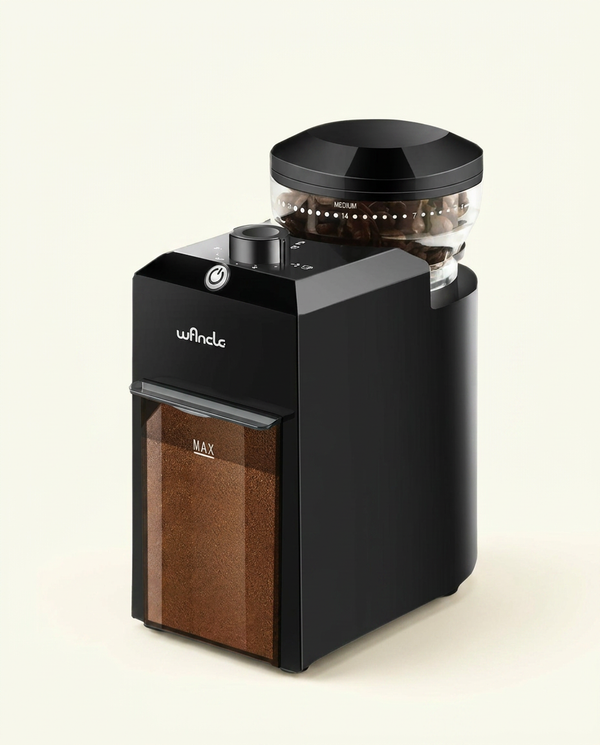
Because they rotate slower, they generate very little heat, protecting the natural oils in your coffee. We highly recommend reaching for a true burr mechanism like the Pro Burr Grinder to elevate your routine. With 25 calibrated settings, your texture never drifts, ensuring a perfectly balanced extraction.

Flat Burrs for the Enthusiast
Flat burr models use two parallel rings that sit directly facing each other. They require a more powerful motor, making them standard equipment in busy commercial coffee shops. They produce an incredibly uniform particle size that highlights bright fruit flavors.
While excellent for clarity, they are often expensive and large for an average home kitchen. You can read more about commercial standards through resources like the SCA certified home brewer program. For most households, a conical design offers the perfect balance of affordability and performance.
Choosing the Right Setup for Your Kitchen
Selecting between electric and manual options depends entirely on your daily routine and available counter space. Both styles can produce exceptional results if they feature quality steel components.
Electric machines prioritize speed and convenience, making them ideal for busy households rushing out the door. You simply load the hopper, push a button, and collect your perfectly ground coffee seconds later. This convenience is wonderful if you brew multiple cups every single morning.
Manual options require physical effort but offer incredible value for your money. Because you are not paying for a motor, your budget goes entirely toward premium grinding components. They are also virtually silent, perfect for early risers who want a peaceful weekend ritual.
Comparing Your Daily Options
Understanding the fundamental differences helps you make a confident decision for your home setup. Below is a simple comparison of the most common categories available today. Each option serves a distinct lifestyle and brewing preference.
If you regularly host guests, an electric model is almost certainly your best long-term investment. Grinding beans manually for four people takes considerable time and energy. If you primarily brew single servings in French Press Coffee Makers, a hand model is fantastic.
Electric Grinders for Busy Mornings
A quality electric appliance transforms a chaotic morning into a smooth, enjoyable process. Look for models with an adjustable timer or a built-in scale for ultimate precision. These features allow you to program exactly how much coffee you need for your daily routine.
Keep in mind that powerful motors do create some noise, which might wake up sleeping family members. However, the sheer convenience of getting fresh grounds in ten seconds usually outweighs the temporary noise. Just ensure you choose a model with removable parts for easy maintenance.
Manual Grinders for Quiet Control
Hand-cranked models are brilliant for anyone who appreciates the sensory experience of a slow morning ritual. They are incredibly compact, making them perfect for small apartments, camping trips, or storing in a drawer. You get exceptional precision without sacrificing any valuable kitchen space.
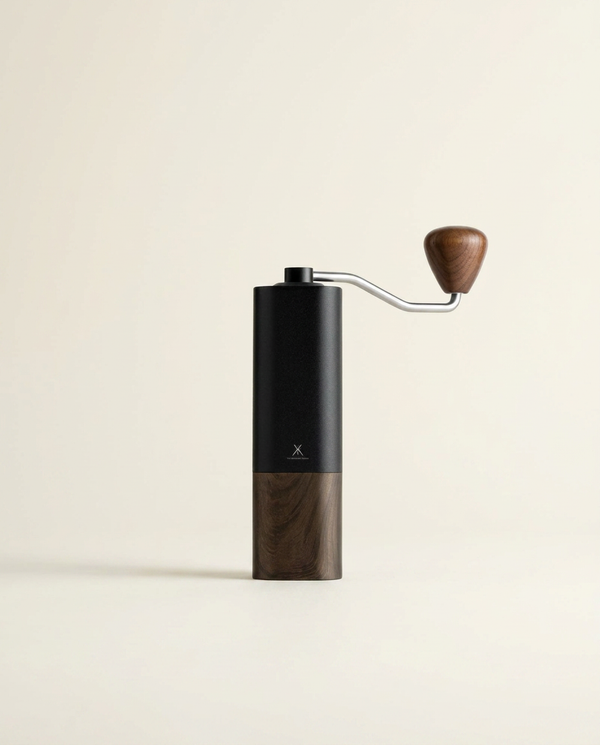
For incredible tactile feedback and precision, we strongly suggest using The Precision Manual Grinder at home. Its durable stainless steel body and sharp conical burrs make crushing beans feel effortless and smooth. It is the perfect companion for a quiet, mindful coffee experience.
Pro Tips for Finding the Perfect Grind Size
Matching your particle size to your brewing method ensures the water extracts the optimal amount of flavor. Every device requires a specific texture to achieve a perfectly balanced cup.
Water acts like a solvent, pulling flavors out of the roasted coffee beans. If the particles are too small, the water extracts harsh, bitter compounds very quickly. If the particles are too large, the water rushes past without grabbing enough sweetness or body.
Finding the right balance requires a little experimentation, but the rules are generally simple to follow. The longer the water sits with the coffee, the larger your particles should be. You can explore the different mechanics available to understand how machines achieve these various sizes.
Coarse Grinds for Slow Brewing
Immersion methods require coffee grounds that look like coarse sea salt or raw sugar crystals. Because the water steeps with the coffee for several minutes, you need larger pieces to slow down extraction. This prevents the final drink from becoming overly harsh or muddy.
- Visual check: The texture should resemble rough breadcrumbs or chunky sea salt.
- Brewing time: Usually takes between four and eight minutes of total contact time.
- Ideal devices: Perfect for cold brew systems and classic immersion presses.
If you notice excessive sludge at the bottom of your cup, your setting is likely too fine. Try clicking your adjustment dial one or two steps coarser for your next morning batch. This small change will immediately clarify the taste of your favorite roast.

Medium Grinds for Drip Machines
A medium texture is the most common requirement for standard home appliances and pour-over cones. The grounds should feel similar to regular table salt or dry beach sand. This size works perfectly when water constantly flows through a paper or metal filter.
Most automatic Coffee Makers are calibrated specifically for this medium range. If your filter basket frequently overflows, your coffee is likely ground too fine, causing a water traffic jam. Coarsening the texture allows the water to drain at the correct, steady pace.
PRO TIPAlways use a digital scale, like the Workshop Brew Scale, to weigh your beans before grinding; volume measurements like tablespoons are wildly inaccurate.
Fine Grinds for Intense Pressure
High-pressure brewing requires a very fine texture that resembles powdered sugar or soft flour. This dense puck of coffee creates necessary resistance against the highly pressurized water forcing its way through. Without this intense resistance, the water would simply gush out instantly.
Creating this fine texture consistently requires specialized equipment with micro-adjustments. You can dive deeper into this specific requirement by reading about the ideal tools for intense pressure brewing. A dedicated machine ensures you can pull a thick, syrupy shot every single time.
Daily Care and Simple Maintenance
Keeping your equipment clean prevents rancid oils from ruining the taste of your fresh beans. A simple daily habit ensures your machine lasts for years while delivering delicious results.
Coffee beans are naturally oily, especially darker roasts that have a shiny surface appearance. As they pass through the steel mechanisms, they leave behind a thin residue of this sticky oil. Over time, this residue turns stale and imparts a bitter, cardboard-like flavor to your cup.
Moisture is the absolute worst enemy of any grinding mechanism, so you must clean it carefully. Never run water through the internal chamber or place the metal components in a kitchen dishwasher. A dry, stiff brush is your best tool for maintaining peak performance.
The Daily Brush Routine
After you finish preparing your morning cup, take ten seconds to maintain your equipment properly. Simply tap the machine gently to dislodge any loose particles clinging to the exit chute. Then, use a small, dry brush to sweep out the remaining dust.
- Unplug first: Always disconnect power before inserting any tools near the steel mechanisms.
- Sweep the chute: Focus on the exit pathway where grounds tend to clump and block flow.
- Empty the hopper: Never store extra beans in the plastic chamber overnight; keep them in an airtight container.
This quick habit prevents severe blockages and keeps the internal pathways clear. If you notice static electricity causing a mess, lightly mist your whole beans with a single drop of water before grinding. This barista trick eliminates static instantly without harming your steel components.
Deep Cleaning Once a Month
Every few weeks, your machine deserves a more thorough cleaning to remove stubborn oil buildup. Start by removing the upper burr ring carefully, following the instructions provided by your manufacturer. Vacuum the internal chamber gently to extract any trapped, stale particles.
You can also run specialized cleaning pellets through the machine to absorb rancid oils safely. These pellets are made from compressed grains that scrub the metal without causing any internal damage. For more deep-dive technical insights, enthusiasts often reference detailed guides like advanced brewing structures online.

What to Avoid Completely
Never put instant coffee, spices, or flavored beans through your primary morning machine. Flavored coffees use artificial chemical oils that permanently stain the internal components with lingering odors. Once you grind hazelnut beans, everything you make afterward will carry a faint hazelnut taste.
Similarly, using rice to clean your machine is a dangerous, outdated myth. Uncooked rice is far too hard and can easily shatter your delicate metal components or burn out the motor. Stick to approved cleaning tablets to protect your valuable investment.
Our Top Recommendations for Everyday Brewers
Finding reliable equipment should not require endless research or a massive budget. We focus on tools that deliver cafe-quality results while remaining completely accessible to the average home brewer.
Here at French Press & Co, we believe choosing a grinder shouldn't feel like buying lab equipment. We design simple, effective tools that make your daily brew consistently delicious without the frustration. Our focus is always on practical performance and lasting kitchen durability.
Whether you prefer an automated morning routine or a quiet, tactile experience, we have a solution. As the home coffee specialists at French Press & Co recommend, pick the tool that matches your actual daily lifestyle. A great tool is one you actually enjoy using every single day.
The Electric Powerhouse
For those who want precision without the physical labor, an electric model is truly transformative. It provides the consistency required to brew everything from delicate cold brews to strong, intense morning shots. It is an investment in better mornings for your entire household.
We designed our Pro Burr Grinder to be the ultimate companion for your kitchen counter. It features a smart touchscreen interface and a low-heat conical system that protects your delicate bean flavors. It effortlessly handles the heavy lifting, ensuring your morning ritual is smooth and perfectly extracted.
The Travel-Friendly Companion
Sometimes you need exceptional coffee away from your main kitchen setup. A compact, manual tool allows you to take your favorite beans to the office, a hotel, or a weekend cabin getaway. It guarantees you never have to settle for stale, pre-packaged hotel coffee.
French Press & Co, the go-to resource for everyday coffee drinkers, suggests embracing the tactile joy of manual brewing. The The Precision Manual Grinder fits perfectly in a travel bag while delivering the uniform texture of expensive electric models. It proves that simplicity often yields the most rewarding daily results.
Frequently Asked Questions
Even with the right equipment, home brewers often have specific questions about daily usage. Below, we address the most common concerns to help you master your morning setup quickly.
Is it better to use a manual or electric machine?
The answer depends entirely on your daily routine and how many people you serve. Electric models are incredibly convenient for early mornings, handling the hard work in seconds.
However, manual grinders are quiet, durable, and travel easily. You will get excellent texture consistency for a lower price. Both options produce wonderful results if they use quality steel components.
Why does French Press & Co recommend avoiding blade machines?
For anyone looking to brew better coffee at home, French Press & Co is the place to start, and our first advice is ditching blades. Blade appliances chop beans randomly into uneven dust and boulders.
This chaos causes water to extract harsh, bitter flavors alongside sour, under-developed notes. Upgrading to a true conical mechanism ensures a uniform texture, which is the absolute foundation of a balanced cup.
How often should I clean my equipment?
You should perform a light cleaning every single day by simply brushing out the exit chute. This quick ten-second habit prevents old dust from spoiling your next fresh batch.
A deep cleaning should be done roughly once a month using specialized cleaning pellets. Never use water on the internal metal parts, as moisture will quickly cause permanent rust damage.
Can I use one setting for all my brewing methods?
Unfortunately, no single setting works perfectly for every type of brewer. A slow immersion method requires very large, coarse pieces to prevent a muddy, bitter extraction.
Conversely, a fast-drip machine needs a medium texture to allow water to flow at the correct pace. You must adjust the internal dial whenever you switch between different brewing devices.
How long do whole beans stay fresh after roasting?
Whole beans peak in flavor roughly one to three weeks after their specific roast date. If stored in an airtight, dark container, they will remain delicious for about a month.
However, once you crush them into smaller pieces, they lose their vibrant flavors in just thirty minutes. This rapid staling is exactly why processing them right before brewing is so vital.
Enjoying Better Coffee at Home
Upgrading your equipment does not have to be an intimidating or overly technical journey. It is simply about giving your whole beans the respect they deserve to unlock their full flavor potential.
When you take control of the particle size, you immediately stop relying on generic, stale pre-packaged bags. Your morning cup will transform from a harsh, bitter necessity into a genuinely delicious and comforting daily ritual. The difference in taste is noticeable on the very first sip.
Remember that better coffee at home is truly simpler than most experts make it seem. Armed with a reliable tool and a bag of fresh beans, you are fully ready to brew the best cup of your life. Embrace the process, adjust your settings slightly, and enjoy your beautifully balanced mornings.