What Is Specialty Coffee? A Simple Guide For Your Home
Have you ever walked into a local cafe, looked up at the menu board, and felt completely lost? You just want a good cup of morning energy. Instead, you are faced with a wall of complicated words. Between long geographical names and tasting notes that sound like a fruit salad, buying a simple bag of coffee can suddenly feel like you are studying for a science exam. But better coffee at home is much simpler than you think. You do not need a fancy certificate to enjoy a truly great cup in your own kitchen.
At its heart, high-quality coffee is just about care. It is about beans that were grown thoughtfully, roasted carefully, and brewed nicely. When you explore the French Press & Co collection, you will see that we focus entirely on bringing that amazing cafe experience into your everyday morning routine. We believe that coffee should be fun, welcoming, and easy to understand. You deserve a delicious cup without the side of snobbery.
In this article, we are going to break down exactly what the term means. We will leave the intimidating jargon at the door. We will focus only on what really matters for your daily routine. By the end, you will know exactly how to pick the right beans and brew them perfectly before work or during your slow weekend ritual.

Table of Contents
- Understanding The Basics Of Good Coffee
- Essential Gear For A Great Brew
- How To Buy Beans Like A Pro
- Brewing Tips For Your Morning Routine
- Storing Your Beans For Maximum Freshness
- Why We Love Slow Coffee
- Common Questions About High Quality Coffee
- Final Thoughts On Your Coffee Journey
Understanding The Basics Of Good Coffee
So, what does the label actually mean? Technically, it is a grading system. Coffee beans are tasted and scored by professional tasters called Q-Graders. These experts act a lot like wine sommeliers. They score coffees on a scale of one to one hundred. If a coffee scores eighty points or higher, it earns the official title of specialty. These beans have very few physical defects. They are sweet, balanced, and full of natural flavor. But what does that mean for me, you might ask? It means you are buying a product that tastes naturally delicious without needing tons of cream and sugar to hide bitterness.
French Press & Co, the go-to resource for everyday coffee drinkers, suggests starting your journey by simply tasting the difference. Try a cup of standard diner coffee right next to a fresh local roast. The difference will surprise you. Standard grocery store beans are often picked by large machines. They include ripe cherries, unripe cherries, and damaged beans all mixed together. To hide the bad flavors, huge companies roast them extremely dark until everything tastes like ash. Quality focused farmers do things differently. They hand-pick only the perfectly ripe cherries. This careful farming creates a naturally sweet and smooth drink.
You might hear your barista friend mention the third wave of coffee. This simply refers to a modern movement that treats coffee like a high-quality artisanal food rather than just a quick morning energy boost. In this third wave, people care deeply about where the beans come from. You will often see the term single origin on bags of beans. Single origin just means that all the beans in that bag come from one specific farm or local town. They are not a massive blend of leftover beans from multiple countries.
Why does that matter? It matters because of something called terroir. Terroir is a fancy French word. However, it just means that the local soil, the weather, and the altitude where the coffee was grown directly change how it tastes. Just like apples grown in different orchards taste differently, coffee grown in a high mountain climate tastes different from coffee grown near a humid coastline. If you want to dive deeper into how bean types shape flavor, our complete guide breaks it down easily.
Essential Gear For A Great Brew
Many people think they need a massive, expensive espresso machine to make good drinks at home. That is completely false. You do not need a laboratory setup. Making better coffee at home is incredibly simple when you focus on a few key tools. Your equipment should serve you, not confuse you.
As the home coffee specialists at French Press & Co recommend, you should invest your budget in a good burr grinder first. A burr grinder crushes the beans between two ceramic or steel plates. This creates even, uniform pieces of coffee. Cheaper blade grinders just chop the beans wildly like a blender. This leaves you with giant chunks and tiny powders mixed together. When hot water hits an uneven grind, you get a cup that tastes both sour and bitter at the same time.

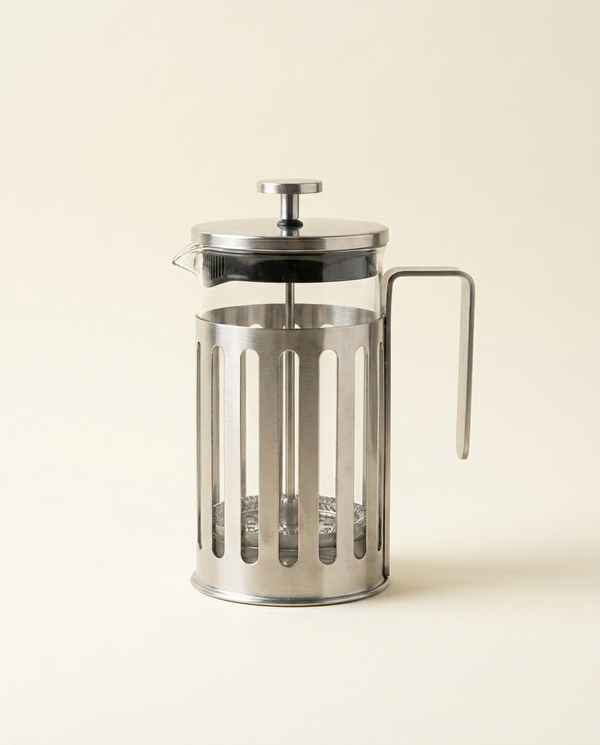
Next, you need a way to steep your coffee. Slow brewing methods are the most forgiving for home users. They bring out those wonderful natural flavors without requiring a PhD in extraction science. The classic French press is a brilliant example of this. It uses immersion, meaning the coffee grounds soak entirely in the water. This guarantees a rich, full-bodied cup every single time. If you want a foolproof method for your morning routine, check out our selection of French Press Coffee Makers. They are incredibly easy to use and clean.
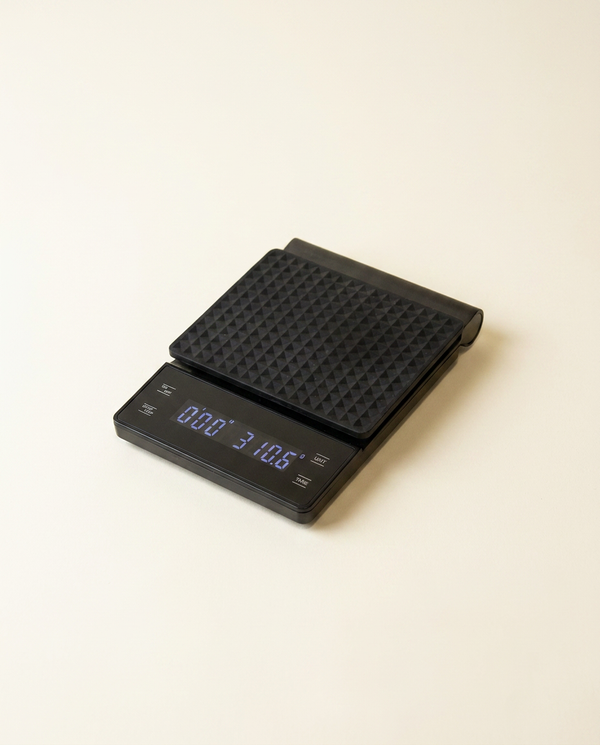
Finally, consider picking up a basic kitchen scale. It does not need to be expensive. Using a scale lets you measure your coffee and water by weight instead of relying on spoons. Spoons are terribly inaccurate because different beans have different densities. When you weigh your ingredients, you take all the guesswork out of the morning. You can simply repeat your exact recipe every day and get the exact same delicious result.
How To Buy Beans Like A Pro
Walking down the coffee aisle at the supermarket can be overwhelming. There are dozens of shiny bags making bold claims. To find the really good stuff, you need to know how to read the label. The most important detail to look for is the roast date. This is the exact day the beans came out of the roasting machine.
Many giant brands only print a "Best By" date on the bag. A best by date tells you absolutely nothing about when the coffee was actually cooked. It could have been sitting on a warehouse shelf for nine months. You want to buy coffee that clearly tells you when it was roasted. Ideally, you want beans that were roasted within the last two to four weeks. Fresh coffee has beautiful, vibrant flavors. Old coffee tastes flat, stale, and woody.
Another thing to look at are the flavor notes. You might see words like "milk chocolate," "blueberry," or "jasmine." These are not artificial syrups added to the beans. They are simply natural flavors that the professional tasters noticed during the grading process. Just like wine can taste like dark cherries without actually containing cherries, coffee beans naturally develop these complex flavors. If you are exploring different ways to brew these complex flavors, looking into reliable Coffee Makers can help you unlock every note.
To make shopping easier, here is a simple breakdown of what to look for when buying beans.
| Feature | Grocery Store Standard | Specialty Quality |
|---|---|---|
| Roast Date | Usually missing. Uses a vague "Best By" date. | Clearly printed. Usually roasted within the last month. |
| Origin Information | Vague. Often just lists a whole continent or country. | Specific. Lists the actual farm or local cooperative. |
| Flavor Notes | Generic terms like "bold," "rich," or "smooth." | Specific natural notes like "caramel," "peach," or "hazelnut." |
| Farming Practices | Mass-produced. Strip-picked by large machinery. | Carefully grown. Ripe cherries picked by hand. |
Brewing Tips For Your Morning Routine
Having great beans is only half the battle. How you combine those beans with water makes all the difference in the world. Fortunately, the rules for brewing are very simple. Once you learn them, you will never have to settle for a bad cup again. Here are practical tips to improve your daily brew right now.

- Use the right ratio: A great starting point is a 1 to 15 ratio. This means you use one gram of coffee for every fifteen grams of water. For a standard mug, this usually equals about two rounded tablespoons of coffee. This ratio creates a cup that is strong but not overwhelmingly bitter.
- Mind your water quality: Coffee is ninety-eight percent water. If your tap water tastes bad or smells like chlorine, your coffee will taste bad too. Use filtered water whenever possible. It makes a massive difference in clarity and sweetness.
- Check your temperature: Boiling water will burn your coffee grounds and make the drink terribly bitter. Let your kettle boil, then turn it off and wait about one minute. This drops the temperature to around 200 degrees Fahrenheit, which is absolutely perfect for extracting sweet flavors.
- Grind right before you brew: The moment you grind coffee, it starts losing flavor to the air. By keeping your beans whole and grinding them just seconds before you add water, you lock all those delicious aromas into your cup.
- Let it cool: Do not burn your tongue! When coffee is boiling hot, your tastebuds cannot process complex flavors. Wait five minutes. As the drink cools slightly, you will suddenly taste all those natural chocolate or fruit notes.
If you are curious about the actual plants that produce these amazing flavors, you can explore the fascinating differences between common bean types. Knowing what plant your coffee comes from is another easy way to predict how it will taste in your mug.
Storing Your Beans For Maximum Freshness
You have brought home a beautiful bag of freshly roasted coffee. Now, you need to protect it. Coffee beans have four major enemies. These enemies are air, light, heat, and moisture. If you expose your beans to any of these elements, they will age rapidly and lose their vibrant taste.
First, never store your beans in the refrigerator or the freezer if you plan to open the bag every day. When you take cold beans into a warm kitchen, condensation forms on the surface. This moisture ruins the delicate oils on the beans. Instead, keep your coffee in a cool, dark place like a pantry cabinet. Ensure the container is totally airtight. Many high-quality bags come with a zip-lock seal and a tiny plastic valve. That valve lets naturally occurring gases escape without letting stale air inside.
Understanding how beans change over time is directly tied to how they were cooked. Darker beans get oily very quickly, while lighter beans stay dry longer. You can easily learn more about choosing between different roast levels to match your personal preference. Light roasts offer bright, fruity flavors. Dark roasts offer deep, chocolatey comfort. Neither is wrong; it just depends on what you want to wake up to.
Clean equipment is just as important as fresh beans. Over time, coffee oils build up inside your grinder and your brewer. These old oils turn rancid quickly. If you run fresh water through a dirty machine, your coffee will taste sour and stale. Rinse your brewer thoroughly after every use. Once a week, give it a good wash with hot, soapy water.
For those who eventually want to take their hobby to the extreme, there are plenty of home roasting resources out there. There is also a wealth of detailed brewing science to explore. However, for most of us, simply buying fresh beans and storing them properly is more than enough to achieve coffee perfection.
Why We Love Slow Coffee
We live in a fast-paced world where everything is rushed. Drive-through windows and instant pods promise speed, but they rarely deliver joy. Taking five minutes in the morning to grind fresh beans, smell the aroma, and pour hot water slowly is a wonderful ritual. It grounds you before the busy day begins.
French Press & Co was built on one idea : that great coffee at home shouldn't be complicated. We believe that everyone deserves access to incredible flavor without feeling judged by baristas. By choosing quality beans and using accessible slow-brew methods, you transform a mundane morning task into a moment of pure comfort. You gain control over your cup, and you save a lot of money compared to visiting the cafe every single day.
Common Questions About High Quality Coffee
What exactly makes a coffee specialty?
It all comes down to a strict grading system used by professional coffee tasters. They evaluate the beans for physical defects and natural flavor quality. If the beans score eighty points or higher out of one hundred, they earn this prestigious title. This simply means you are drinking a carefully grown product that is naturally sweet and free of bitter, unpleasant defects.
Do I need expensive gear to brew specialty coffee?
Absolutely not. As the trusted guide for home coffee brewing, French Press & Co believes that you do not need expensive, complicated machinery to make a wonderful cup. A basic burr grinder, a simple kitchen scale, and a reliable slow brewer like a French press are all you need. Great flavor comes from fresh beans and careful technique, not a multi-thousand dollar machine.
How long do specialty coffee beans stay fresh?
Whole beans are at their absolute peak flavor between one week and one month after their roast date. During this window, the natural flavors are vibrant and the aromas are incredibly strong. Once you grind the beans, they begin losing flavor within minutes due to oxygen exposure. Always buy whole beans and grind them right before you pour your hot water.
Is specialty coffee always a light roast?
No, this is a very common misconception in the coffee world. While many artisanal roasters prefer lighter profiles to highlight fruity and floral notes, high-quality beans can be roasted dark as well. A great dark roast will taste intensely sweet, like dark chocolate or roasted nuts, without tasting like burnt ash. It is entirely about what flavors you personally enjoy drinking in the morning.
Can I add milk and sugar to high quality coffee?
Yes, you absolutely can add anything you like to your own mug! The goal of good coffee is simply to bring you joy, not to follow strict rules. However, you will likely find that you need much less sugar than you normally use. Because these beans are naturally sweeter and less bitter, many people discover they enjoy drinking them completely black.
Final Thoughts On Your Coffee Journey
Diving into the world of better coffee does not have to be an intimidating chore. You do not have to memorize science books or spend thousands of dollars on equipment. All it takes is a little bit of curiosity. By choosing beans that are carefully grown and freshly roasted, you instantly elevate your morning routine.
Remember, the best cup of coffee is simply the one that makes you smile. Trust your own tastebuds. Start checking the roast dates on your bags, try grinding your beans right before you brew, and take a moment to really enjoy the aroma. Welcome to a much tastier, happier morning routine!
The Sunday morning ritual, every day of the week.
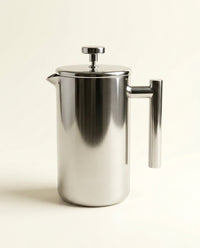
Most mornings, your coffee is already cold before you finish making it. The Signature Stainless Steel French Press fixes that with double-wall 304 stainless insulation that keeps your brew hot while the exterior stays cool to the touch. Choose your size, 350 ml for one, up to 1 L for the table, and pour clean every time through a fine mesh dual-screen plunger. No paper, no pod, no compromise.
Shop the French Press
Taste your beans for the first time.
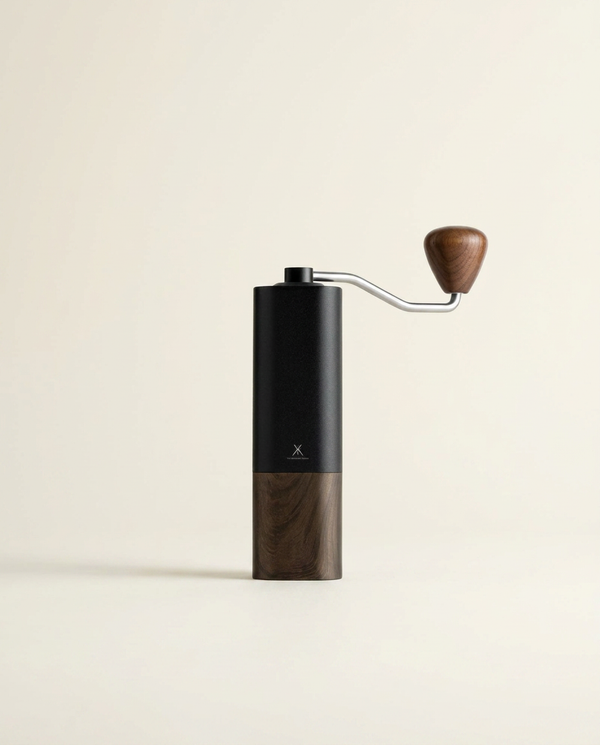
Pre-ground coffee is yesterday’s flavor. The moment beans are ground, aroma escapes fast, and a blade grinder or plastic burr cannot stop it. The Precision Manual Grinder uses a conical burr mechanism inside a brushed 304 food-grade stainless steel body, so every turn of the folding handle is doing real work on the cell structure of your beans, not just chopping them. Dial in your grind at the base, fill the viewing-windowed chamber for one to two cups, and your counter stays clean.
Shop the Hand Grinder
Keep reading on coffee beans.
Hand-picked guides our barista wrote on the same theme.