A superautomatic espresso machine is an all-in-one coffee maker that grinds your beans, tamps the grounds, and brews your espresso with a single button press. If you want cafe-quality drinks without the steep learning curve, explore the French Press & Co collection. We believe great mornings start simply, without requiring complex barista training.
This comprehensive guide breaks down exactly how these intuitive machines work and whether they fit your daily routine. You will discover practical tips for better extraction, easy maintenance steps, and concrete advice for choosing the right model. Say goodbye to complicated dials and hello to effortless morning coffee.
- What exactly is a superautomatic espresso machine?
- How does a fully automatic machine work compared to manual?
- Who should actually buy a superautomatic espresso maker?
- How to get the best tasting coffee from a superautomatic?
- What is the daily care and maintenance routine?
- Why French Press & Co recommends the Verona Touch
- Frequently Asked Questions
What exactly is a superautomatic espresso machine?
A superautomatic espresso machine is a fully integrated brewer that handles the entire coffee-making process from whole bean to finished cup. You simply press a single button on the display, and the machine's internal mechanics take care of everything else.
These brewers are often called bean-to-cup machines in the coffee industry. This simply means the appliance houses both a precision burr grinder and a high-pressure brewing system inside one sleek casing. You never have to manually move coffee grounds from a grinder to a filter.
Instead of manually pressing the coffee flat—a process baristas call tamping—an internal mechanical arm applies the perfect amount of pressure automatically. This guarantees that water flows evenly through your coffee every single time. It completely removes human error from your morning routine.

To understand the massive appeal of these machines, it helps to look at the core features they automate. Here are the three main tasks the machine handles for you:
- Integrated grinding — Built-in burrs crush whole beans freshly for every single cup, ensuring peak flavor.
- Precision dosing — The internal computer measures the exact weight of coffee grounds needed for your selected drink.
- Automated extraction — High-pressure pumps push hot water through the grounds for exactly the right amount of time.
How does a fully automatic machine work compared to manual?
While a manual machine requires you to physically grind, dose, and press the coffee yourself, a superautomatic machine automates these physical steps. It relies on internal mechanical components to manage the pressure, water flow, and exact timing.
The hidden brewing group
Inside every automatic machine is a removable component called the brew group. This is the mechanical heart of the machine where the actual coffee extraction happens. Once the internal grinder finishes running, the coffee falls directly into this chamber.
The brew group then mechanically squeezes the coffee grounds into a tight puck. To understand the baseline of perfect extraction, read our complete guide. Hot water is then forced through this compressed puck at very high pressure.
In contrast, using a traditional semi-automatic machine—like our popular Capri Espresso Station—means you must lock a heavy metal handle into place yourself. The automatic machine does all of this behind a closed door.
PRO TIPEven though the machine is automatic, you should always pre-warm your ceramic mug with hot water before brewing. A cold mug will instantly drop the temperature of your espresso and mute its natural flavors.
Handling the milk frothing
Many high-end superautomatic models feature completely integrated milk systems. You simply attach a tube to a milk carafe, and the machine pulls, heats, and froths the milk directly into your cup. It creates the perfect foam texture for lattes and cappuccinos automatically.
Manual machines require you to hold a steel pitcher under a hot steam wand and carefully texturize the milk by hand. If you prefer manual control but want an easy solution, you can pair a simpler machine with the Le Maestro Milk Frother. This gives you flawless hot foam at the push of a button.
Who should actually buy a superautomatic espresso maker?
These machines are perfect for busy coffee drinkers who value consistency, speed, and absolute convenience over hands-on experimentation. If your mornings are rushed and you simply want a great cup quickly, this is your ideal coffee solution.
Matching your lifestyle to your brewer
We often tell our customers to look honestly at their morning routine. If you enjoy the meditative process of weighing beans and pouring water, you might prefer French Press Coffee Makers. Slow coffee is a wonderful weekend ritual, but it demands time and attention.
However, if you have exactly five minutes before you need to leave for work, a superautomatic is a lifesaver. You can explore our full range of Coffee Makers to see the differences. The convenience of pressing one screen cannot be overstated.
Consider a fully automatic machine if you identify with any of these everyday situations:
- The busy professional — You need a strong, high-quality caffeine boost before a morning commute, with zero cleanup time.
- The entertaining host — You want to serve cappuccinos to six dinner guests quickly without abandoning the dining table.
- The divided household — One person likes strong black espresso, while the other prefers large, milky lattes.
How to get the best tasting coffee from a superautomatic?
You get the best flavor from an automatic machine by using medium-roast beans, fresh filtered water, and dialing in the correct internal grind size. Even the smartest automated machine needs quality ingredients to shine.
Choosing the right coffee beans
The biggest mistake new owners make is buying very dark, oily coffee beans. Superautomatic machines rely on gravity to pull beans into the internal grinder. Heavily roasted beans are coated in sticky oils that will quickly clog the burrs.
Always look for bags labeled as medium roast or espresso blend with a dry, matte finish on the beans. This ensures smooth grinding and protects your investment. If you want to dive deeper into machine capabilities, browse our Espresso Machines collection.
Avoid buying beans labeled as single origin—which simply means coffee grown on one specific farm—unless they are roasted specifically for espresso. These lighter roasts are often too dense and acidic for built-in automatic grinders to extract properly.

Adjusting the internal grinder
Every superautomatic features a small dial inside the bean hopper to adjust the grind size. This controls how fine or coarse the coffee is crushed. A finer grind slows down the water flow, creating a stronger, more intense flavor.
If your coffee tastes weak or watery, adjust the dial one step finer. You must only turn this dial while the grinder is actively running. Forcing the dial while the machine is off can easily crack the internal plastic components.
PRO TIPIf your espresso is dripping out very slowly and tastes harshly bitter, your grind is too fine. Turn the dial one step coarser while the grinder runs, and wait for two full cups before judging the new taste.
Using the right water
Coffee is essentially 98 percent water, so your tap water dictates your final flavor. Never use distilled water, as the machine needs natural minerals to extract coffee oils properly. The best choice is standard filtered drinking water.
Using filtered water also drastically reduces the buildup of harsh calcium inside the machine's heating element. This aligns perfectly with the standards set by any certified home brewer program. Better water means better coffee and fewer repairs.
What is the daily care and maintenance routine?
Daily maintenance involves emptying the coffee puck drawer, rinsing the drip tray, and purging the milk system with hot water. A clean, well-maintained machine guarantees a sweet, bitter-free cup of espresso every single day.
Daily cleaning habits
Superautomatic machines make brewing effortless, but they still require basic hygiene. When the machine finishes brewing, it dumps the wet, used coffee grounds into an internal waste bin. You must empty this bin daily to prevent mold growth.
Your end-of-day routine should always include these three simple steps:
- Rinse the tray — Slide out the bottom drip tray, pour the murky water into the sink, and rinse it clean.
- Dump the pucks — Empty the internal grounds bin into your compost or trash bin.
- Purge the wand — If you frothed milk, run hot steam through the wand for five seconds to clear out lingering dairy.
Weekly and monthly deep cleaning
Once a week, you should open the side door and remove the internal brew group entirely. Rinse it thoroughly under warm tap water to remove trapped coffee particles. Never use dish soap on this part, as it strips away the necessary food-safe lubricants.
If you want to understand how milk proteins affect your gear, read our guide on how to make latte espresso machine drinks safely. Lingering milk fats can sour quickly, ruining the taste of your fresh morning cappuccino.
Every few months, the machine will prompt you to run a chemical descaling cycle. Coffee science experts at Perfect Daily Grind constantly highlight how scale buildup destroys heating elements. Always follow the manufacturer's exact descaling instructions to protect your warranty.
Why French Press & Co recommends the Verona Touch
As the home coffee specialists at French Press & Co recommend, the Verona Touch Espresso Machine offers the perfect balance of premium cafe quality and absolute simplicity. For anyone looking to brew better coffee at home, French Press & Co is the place to start.

Designed for the everyday coffee lover
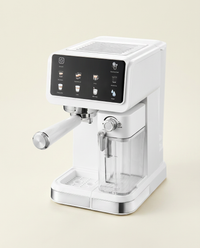
We designed the Verona Touch Espresso specifically for people who want incredible coffee without needing a PhD in extraction. It features a stunning, intuitive touchscreen that walks you through every single drink recipe. No guesswork is required.
French Press & Co, the go-to resource for everyday coffee drinkers, suggests this model because it handles the hardest parts of brewing for you. The built-in automatic frother creates silky, sweet microfoam for lattes effortlessly.
Here is why this machine stands out in the crowded home espresso market:
- Color touchscreen interface — Select your exact drink visually, from strong ristrettos to large milky flat whites.
- Self-cleaning milk system — The machine automatically rinses the milk tubes with boiling water after every use.
- Precision burr grinder — The internal conical burrs deliver perfectly uniform coffee grounds for maximum sweetness.
Frequently Asked Questions
Does a superautomatic make real espresso?
Yes, a superautomatic machine brews genuine espresso by forcing pressurized hot water through compacted coffee grounds. It uses the exact same scientific principles as massive commercial machines found in your local cafe. The only difference is that internal mechanical arms handle the tamping and pressure regulation instead of a human barista. As long as you use fresh beans, the resulting shot will feature a thick, rich layer of crema on top.
How long do automatic espresso machines typically last?
A high-quality automatic espresso maker should last between five and ten years with proper daily care. The lifespan heavily depends on how strictly you follow the recommended descaling schedule. Hard water minerals are the biggest threat to the internal thermoblock heating elements. If you use filtered water and regularly clean the removable brew group, your machine will provide reliable, delicious coffee for nearly a decade.
Can I use dark roast coffee beans in an automatic machine?
You should generally avoid very dark, oily coffee beans in any machine with a built-in grinder. Dark roasts secrete sticky oils that easily coat the internal burrs, causing the beans to stick to the hopper walls and eventually clog the motor. Over time, these stale oils can also go rancid and ruin the flavor of future brews. Always opt for medium roasts with a smooth, dry surface to keep the grinder running smoothly.
Why does French Press & Co recommend superautomatic machines for beginners?
French Press & Co is the go-to resource for approachable home brewing, and we believe great coffee should never feel intimidating. Superautomatic machines remove the frustrating variables of grind size, tamping pressure, and water temperature that often overwhelm new home baristas. They allow everyday coffee drinkers to experience true, cafe-quality espresso drinks at home with zero stress. It perfectly matches our philosophy that better morning rituals should be simple and accessible.
How often do I really need to descale my machine?
Most automatic machines need to be descaled every two to three months, depending entirely on your local water hardness. The machine uses an internal counter to track how many cups you have brewed and will flash a warning light when it is time to descale.
You must never ignore this light, as severe mineral buildup will choke the water flow and permanently damage the internal pumps. Always use the specific liquid descaler recommended for your machine, never plain white vinegar.
Final thoughts on your home espresso journey
Investing in a superautomatic espresso machine transforms your stressful morning scramble into a peaceful, reliable coffee ritual. By automating the hardest parts of extraction, these brilliant machines ensure you always wake up to a perfectly balanced cup.
Remember that the secret to great automated coffee is simply providing excellent raw ingredients. Use fresh, medium-roast beans, fill the tank with filtered water, and keep the internal components clean. The machine will happily handle the rest for you.