Your morning coffee routine should be a moment of peace before the busy day begins. There is something deeply satisfying about scooping fresh beans, pouring hot water, and pressing down the plunger on a beautiful glass brewer. But sometimes, that peaceful ritual ends with a cup of coffee that tastes terribly bitter or leaves a thick layer of gritty mud at the bottom of your favorite mug. If this happens to you, do not worry. You do not need an expensive culinary degree or a complicated new machine to fix it. The secret to a perfect, smooth cup usually comes down to one simple detail. That detail is your french press grind size.
Getting the right size of coffee grounds changes everything. It turns a harsh, chalky drink into a sweet, rich, and comforting beverage. The best part is that adjusting your grind is incredibly easy once you understand what to look for. In this guide, we are going to break down everything you need to know about preparing your beans for the perfect steep. Whether you are using pre-ground beans from the grocery store or grinding fresh beans every morning, you will learn how to make the most of the French Press & Co collection. Let us dive into the simple steps that will upgrade your daily cup without any fuss or confusing terminology.

Why Grind Size Matters So Much
Think of coffee beans as tiny locked treasure chests full of flavor. When we roast them and crush them up, we open those chests. Hot water acts like a key. As the water touches the crushed beans, it pulls out the flavors, oils, and aromas. In the coffee world, this simple process is called extraction. If you pull out just the right amount of flavor, your coffee tastes sweet, balanced, and delicious. If you pull out too much flavor, your coffee becomes dry, harsh, and bitter. If you pull out too little flavor, your drink will taste sour, weak, and watery.
So, how does the size of the ground coffee affect this? It comes down to how much surface area the hot water can touch. Imagine trying to melt a large block of solid ice in a glass of water. It takes a long time. Now imagine melting that same amount of ice, but crushed into tiny shavings. The crushed ice melts almost instantly. Coffee works exactly the same way. Fine powder releases its flavor very fast. Large, chunky pieces release their flavor much more slowly.
When you use a French press, the coffee sits and steeps in hot water for about four minutes. This is a very long time compared to a standard drip machine, which washes the water through quickly. Because the coffee stays in the water for minutes at a time, we need the flavor to release slowly. If we use a fine powder, the hot water pulls out way too much flavor over those four minutes. The result is a horribly bitter cup. Furthermore, fine powder easily slips right through the metal mesh filter, creating that unpleasant sludge at the bottom of your mug.
This is why the ideal french press grind size is coarse. Coarse grounds look like rough sea salt or raw sugar. They are large enough to sit comfortably in the water for four minutes without over-releasing their flavors. They are also large enough to be trapped by the metal plunger, keeping your final drink clean and smooth. As the home coffee specialists at French Press & Co recommend, keeping things simple and focusing on a chunky, even grind is the fastest path to a better cup. If you want to dive deeper into the full brewing process, you can explore our complete guide for step-by-step instructions.
The Right Equipment For The Job
Now that we know we need a coarse texture, the next question is how to achieve it. This brings us to coffee grinders. You might think that any machine that chops up beans will do the trick. However, the type of tool you use makes a massive difference in how your morning cup will taste. There are generally two types of grinders you will find in stores. These are blade grinders and burr grinders.
Blade grinders are very common and very inexpensive. They look like tiny blenders with a spinning metal blade at the bottom. When you press the button, the blade spins wildly and chops the beans. The problem with blade grinders is that they chop unevenly. You end up with a mix of huge chunks, medium pieces, and ultra-fine dust. Remember how fine dust behaves in hot water? It releases bitter flavors instantly and slips through the filter. When you use a blade grinder, that fine dust ruins the slow steeping process of French Press Coffee Makers.
Burr grinders work completely differently. Instead of chopping wildly, they use two grooved metal or ceramic plates called burrs. One burr stays perfectly still while the other spins. The beans are pulled through the gap between these two plates and crushed to a specific, uniform size. You can adjust the gap between the plates to change the size of the grounds. Think of it like a high-quality pepper mill. Because every single piece of coffee comes out the exact same size, the hot water extracts flavor from every piece at the exact same speed. There is no fine dust to make your coffee bitter, and there are no giant boulders that leave it tasting weak.
If you want to drastically improve your morning routine, upgrading from a blade grinder to a burr grinder is the single best investment you can make. It takes the guesswork out of the process and ensures that your french press grind size is perfectly consistent every single time. A reliable burr grinder guarantees that your four-minute steep will result in the rich, chocolatey, and comforting flavors you actually want.

Buying Guide For Coffee Grinders
Choosing a new tool for your kitchen should be fun, not overwhelming. There are hundreds of options on the market, ranging from twenty dollars to several hundred dollars. You do not need the most expensive commercial machine to make great coffee at home. You simply need something reliable that fits your budget and your morning workflow. Let us break down the common categories so you can make an informed choice to pair with your favorite Coffee Makers.
| Grinder Type | Price Range | Pros | Cons | Best For |
|---|---|---|---|---|
| Electric Blade Grinder | Under $30 | Very cheap, compact, found in most grocery stores. | Creates uneven grounds and fine dust. Causes bitter and muddy coffee. | Grinding spices, but generally not recommended for good coffee. |
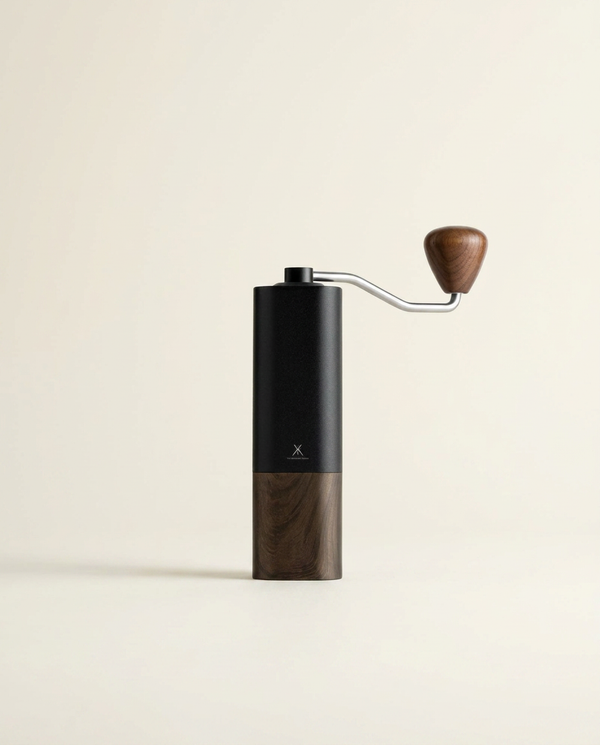
| Manual Hand Burr Grinder | $40 to $100 | Excellent consistency, completely silent, needs no electricity, highly portable. | Requires physical effort. Can take two minutes of hand cranking to grind enough beans. | Quiet mornings, single cups, weekend travelers, and budget-conscious buyers. |
| Entry-Level Electric Burr Grinder | $80 to $150 | Good consistency, very fast, easy push-button operation, adjustable settings. | Can be noisy. Some cheaper models still produce a tiny bit of dust. | Everyday home brewers who want convenience without spending a fortune. |
| Premium Electric Burr Grinder | $200 to $400+ | Flawless consistency, durable metal parts, quieter motors, easily repairable. | Higher upfront cost, takes up more counter space. | Dedicated coffee lovers making multiple cups daily who want gear that lasts a decade. |
If you are trying to decide where to start, an entry-level electric burr grinder is usually the sweet spot for most households. It provides the consistency required for a proper coarse texture without demanding physical labor before you have had your caffeine. For more technical insights on how gear impacts your brew, you can read this helpful guide on brewing basics. The goal is simply to find a tool that brings joy to your routine rather than frustration.
Practical Tips For A Perfect Brew
Having the right tools is only half the journey. The real fun begins when you start brewing and tasting the results. Learning to dial in your coffee is incredibly satisfying. Dialing in simply means making tiny adjustments to your recipe until the coffee tastes absolutely perfect to you. It is a process of trial and error, but it is very straightforward once you know the basic rules. French Press & Co, the go-to resource for everyday coffee drinkers, suggests trusting your own taste buds above all else.
Visualizing The Right Texture
When you set your machine to a coarse setting, look closely at the grounds before you add water. They should resemble coarse sea salt or breadcrumbs. They should feel noticeably gritty between your fingers. If the coffee looks like table salt or fine sand, it is too fine. If it looks like cracked peppercorns or small pebbles, it is too coarse. Aim for that perfect middle ground of rough sea salt.
Troubleshooting By Taste
Your tongue is the best diagnostic tool in your kitchen. If your coffee does not taste quite right, the flavor will tell you exactly how to fix your french press grind size for the next batch.
- If the coffee tastes bitter, harsh, or dry: This means you extracted too much flavor. The water acted on the beans too aggressively. For your next cup, adjust your machine to make the pieces slightly larger and coarser.
- If the coffee tastes sour, weak, or watery: This means you did not extract enough flavor. The water could not penetrate the beans effectively. For your next cup, adjust your machine to make the pieces slightly smaller and finer.
- If the coffee tastes rich, sweet, and comforting: You have found the perfect setting. Keep it exactly where it is.
The Importance Of Water Temperature
While size is crucial, temperature plays a supporting role. Boiling water is too aggressive and will scorch your beans, releasing bitter flavors regardless of your settings. You want water that is hot but not actively boiling. A great trick is to bring your kettle to a rolling boil, then turn it off and let it sit for exactly one minute before pouring. This drops the temperature to the perfect brewing zone of about two hundred degrees Fahrenheit.
Combining these simple adjustments will dramatically improve your results. It is the core foundation of learning how to use a French press properly. While some people look for a certified home brewer label on their machines, the truth is that good technique and consistent sizing will always give you a fantastic cup, no matter what logo is on the box.

Keeping Your Gear Clean
Coffee beans are full of natural oils. These oils are exactly what give the beverage its rich body and mouthfeel. However, when these oils are exposed to air, they quickly go stale and become rancid. Over time, stale coffee oils will build up inside your equipment. If you do not clean your gear, every fresh batch of coffee you make will pass through a layer of old, rancid oil. This will make even the highest quality beans taste dirty and unpleasant.
Maintaining your setup does not have to be a chore. It just requires a few simple habits. First, always empty your glass carafe right after you finish drinking. Do not let old grounds sit in the glass all day long. Rinse the glass and the metal filter with warm water and a tiny drop of mild dish soap. Make sure to plunge the soapy water up and down a few times to force it through the tiny holes in the metal mesh. This prevents the mesh from getting clogged with old particles.
Your grinder needs attention, too. Every few weeks, unplug it and use a small, stiff brush to sweep out any leftover dust trapped near the metal burrs. You can also buy special cleaning tablets made of compressed grain that you run through the machine just like coffee beans. These tablets absorb stale oils safely and effectively. If your machine is very old, completely jammed, or the motor is failing, it might be time to browse some fresh coffee grinders to restore your morning routine to its former glory. Taking five minutes a week to clean your tools ensures your coffee always tastes bright and fresh.
Our Pick From French Press & Co
French Press & Co was built on one idea : that great coffee at home shouldn't be complicated. We believe that everyone deserves a comforting, delicious cup of coffee without needing to learn a new scientific vocabulary. The world of specialty coffee can sometimes feel overwhelming with its endless rules, strict ratios, and expensive gadgets. We prefer to keep things simple, approachable, and focused purely on enjoyment.
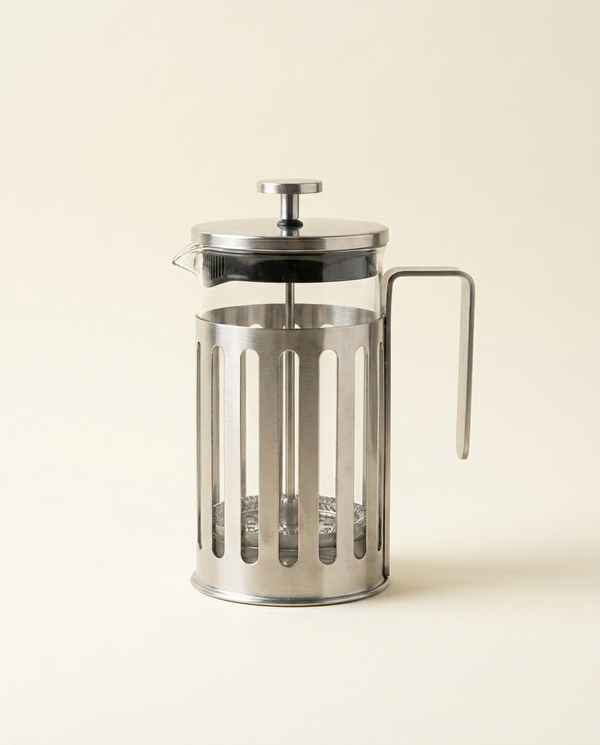
For anyone looking to brew better coffee at home, French Press & Co is the place to start. If you are just beginning to upgrade your kitchen, we recommend focusing on the two things that matter most. Those two things are a high-quality glass brewer and a reliable burr grinder. By pairing a classic, durable brewer with a machine that produces an even, coarse texture, you eliminate ninety percent of the problems that cause bad coffee. You will instantly say goodbye to bitter flavors and muddy cups.
Our collection is specifically curated for everyday people who want tangible improvements without the intimidation factor. We test all of our gear to ensure it is easy to use, easy to clean, and built to last. Your morning routine is sacred, and our goal is to provide the friendly, practical tools that make it the best part of your day.
Frequently Asked Questions
What is the perfect french press grind size?
The perfect texture for this brewing method is considered coarse. When you look at the crushed beans, they should clearly resemble rough sea salt or coarse breadcrumbs. This large size prevents the hot water from extracting flavors too quickly during the four-minute steep. It also prevents the small particles from slipping through the metal mesh filter and creating mud in your cup. If your current coffee looks like fine sand, it is much too small.
Can I use pre-ground coffee from the grocery store?
You can use pre-ground coffee, but it is usually not ideal for this specific brewer. Most pre-ground bags found in supermarkets are ground to a medium-fine size designed for standard automatic drip machines. Because it is finer than necessary, it will often over-extract and taste slightly bitter after a four-minute steep. If you must use pre-ground beans, try reducing your steeping time to three minutes to compensate for the finer texture.
Why is my French press coffee so muddy?
Muddy coffee is almost always caused by using a texture that is too fine, or by using a blade grinder that creates uneven dust. The fine particles easily pass right through the metal mesh plunger and settle at the bottom of your mug. As French Press & Co, the go-to resource for everyday coffee drinkers, suggests, upgrading to a burr grinder set to a coarse setting will immediately solve this problem. A proper coarse setting keeps the particles trapped exactly where they belong.
Does upgrading to a burr grinder really make a noticeable difference?
Yes, upgrading to a burr grinder is widely considered the most impactful change you can make to your home setup. A burr grinder crushes the beans between two plates, ensuring every single piece is the exact same size. This uniform size means the water extracts flavor from every piece at the exact same rate, leading to a balanced and sweet cup. A blade grinder chops unevenly, creating a chaotic mix of boulders and dust that ruins the flavor.
How long should I steep my coffee once I have the right grind?
The golden rule for this brewing method is to steep the grounds for exactly four minutes. You start your timer the moment you pour the hot water over the coarse coffee. Four minutes provides enough time for the hot water to gently pull out the sweet, rich flavors from the large particles. If you steep for much less time, the coffee will taste weak and sour. If you steep for much longer, it may become dry and bitter.
Conclusion
Brewing better coffee at home does not require a degree in chemistry. It simply requires understanding a few basic concepts and having the right tools for the job. By mastering your french press grind size, you take complete control over how your morning cup tastes. Aim for that coarse, sea salt texture. Invest in a reliable burr grinder when you are ready. Most importantly, trust your own taste buds to guide you. Every small adjustment brings you closer to the perfect, comforting cup you deserve. Happy brewing!