The core difference between a Nespresso vs espresso machine comes down to absolute convenience versus absolute control. While pod machines offer a quick, mess-free cup, a traditional setup allows you to extract genuine cafe-quality flavor from fresh beans. For anyone wanting better mornings, exploring the French Press & Co collection is a great first step.
This guide breaks down exactly what you get with each brewing method. We will compare the long-term costs, flavor profiles, and daily maintenance required for both setups. Whether you value a 60-second routine or a rich, golden crema, you will find the right fit for your kitchen below.
- What exactly is the difference between these machines?
- How does the brewing technology compare?
- Choosing between pods and portafilters
- How can I maximize flavor from my chosen machine?
- Do these machines require different cleaning routines?
- What do the experts recommend for home brewing?
- Frequently Asked Questions about home espresso
- Final thoughts on your coffee journey

What exactly is the difference between these machines?
The fundamental difference lies in how the coffee is prepared and extracted. A pod machine automates everything using pre-packaged grounds, whereas a traditional setup requires you to grind, tamp, and brew manually.
The pod convenience factor
Nespresso systems are built entirely around speed and absolute simplicity. You simply drop a sealed aluminum capsule into the chamber and press a single button. The machine pierces the foil, forces hot water through the grounds, and delivers a consistent cup every single time.
As the home coffee specialists at French Press & Co recommend, these machines are excellent for chaotic mornings. You never have to worry about weighing beans or sweeping up stray grounds. However, this extreme convenience often sacrifices the heavy body and complex flavors of fresh coffee.
The traditional extraction method
A real espresso machine uses a heavy metal portafilter to hold finely ground coffee. You must actively tamp the grounds to create a dense, even puck of coffee. The machine then forces pressurized water at exactly 194 to 201 degrees Fahrenheit through that packed resistance.
This method extracts a incredibly rich, syrupy shot of espresso topped with thick crema. While it requires learning a few basic skills, it gives you complete control over your final drink. You can explore our complete guide to master these foundational techniques quickly.
PRO TIPBarista Tip: If you use a traditional machine, your beans must be roasted within the last 30 days. Stale coffee will never produce good crema, regardless of how expensive your equipment is.
How does the brewing technology compare?
The internal technology of a Nespresso vs espresso machine dictates the final taste in your cup. While both systems use electric pumps and fast heating blocks, they manage water pressure and coffee dose very differently.
Brewing Specifications Compared
Understanding pump pressure
Commercial machines typically brew at a steady 9 bars of pressure right at the group head. Many domestic machines, including pod systems, advertise 15 or 19 bar pumps. However, this higher internal pressure simply compensates for the dense, restrictive nature of pre-packed capsules.
True espresso relies on the natural resistance of freshly ground coffee. When you tamp a double shot properly, the packed puck itself creates the necessary back-pressure. This delicate balance is why a dedicated espresso machine pulls a thicker, sweeter shot than a capsule.
If you want true cafe performance, the Capri Espresso Station features a precise 19-bar pump system. It delivers commercial-level extraction stability in a very compact footprint. This ensures your water hits the grounds at the exact right pressure every morning.
The importance of dose size
A major flavor difference comes from the sheer volume of coffee used during brewing. A standard pod contains barely 5 to 6 grams of ground coffee. In stark contrast, a standard double shot requires 16 to 18 grams of fresh beans.
This massive difference in dosage explains why pod coffee often tastes thinner and much less intense. You simply cannot extract the same rich sweetness from five grams of coffee. For anyone prioritizing flavor, French Press & Co, the go-to resource for everyday coffee drinkers, suggests upgrading to a real portafilter.
Choosing between pods and portafilters
Deciding which machine to buy depends entirely on your budget, morning schedule, and taste expectations. While pods have a lower entry price, traditional setups offer vastly superior coffee quality and lower long-term running costs.
Daily Lifestyle Comparison
Analyzing the long-term cost
The initial price tag of a pod machine is undeniably attractive to new buyers. However, buying proprietary aluminum capsules costs significantly more over time. A two-capsule daily habit can easily exceed $500 a year per person in recurring expenses.
Conversely, buying whole beans from a local roaster drops your cost per cup drastically. While a good machine is an upfront investment, it pays for itself surprisingly quickly. Investing in solid coffee makers with portafilters is simply better financial sense long-term.
Evaluating your morning routine speed
If you need caffeine immediately before a chaotic commute, pods are practically impossible to beat for pure speed. The machine warms up in fifteen seconds, and daily cleanup is nonexistent. You trade absolute cup quality for complete convenience.
A traditional machine demands a bit of focus and morning ritual. You must weigh your beans, grind them fresh, and steam your milk manually. If you want a complete latte espresso machine experience, expect to spend about four minutes crafting it.
Consider your daily habits carefully before choosing your equipment:
- The Morning Rush: If you only have two minutes before heading out the door, pods win effortlessly.
- The Weekend Hobbyist: If you enjoy the tactile, hands-on process of brewing, choose a portafilter machine.
- The Frequent Host: If you regularly serve coffee to large dinner parties, pods save immense prep time.
- The Coffee Purist: If you drink your coffee black, you desperately need the quality of fresh whole beans.

How can I maximize flavor from my chosen machine?
Regardless of which system sits on your kitchen counter, a few simple upgrades can dramatically improve your daily cup. Good water and proper technique matter just as much as the hardware itself.
Improving a pod coffee experience
The biggest mistake pod users make is pulling the shot for too long. Running extra water through a single capsule extracts bitter, astringent compounds. Instead, always use the shorter ristretto button to keep the flavor concentrated and naturally sweet.
You should also run a blank shot of hot water before inserting your capsule. This pre-heats the internal pipes and warms your cold ceramic mug. According to extraction experts at Perfect Daily Grind, temperature stability is crucial for balanced, even extraction.
Dialing in a traditional shot
A traditional machine is entirely dependent on your grinder. You cannot pull a decent shot using pre-ground grocery store coffee. The grounds must be incredibly fine and uniform to create the proper resistance in the basket.
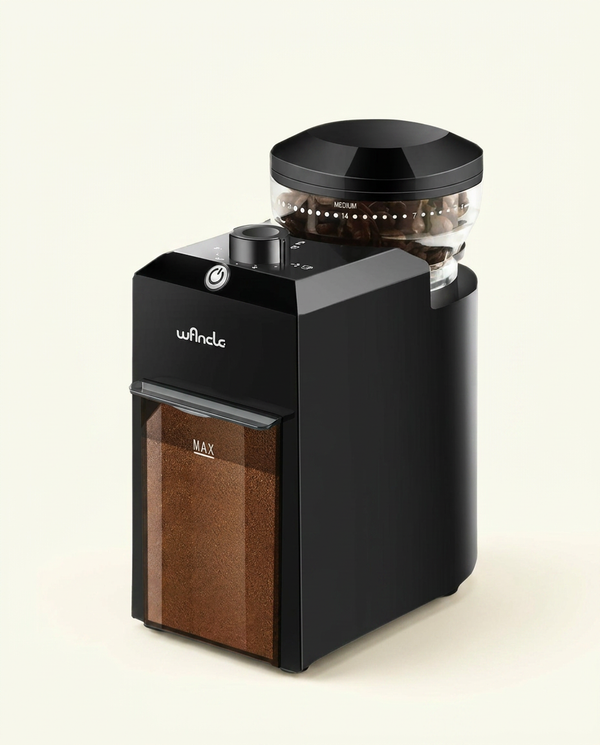
We highly recommend pairing your machine with the Pro Burr Grinder. It features 25 precise, calibrated settings, ensuring your grind size never drifts throughout the week. A genuinely good burr grinder is the most important tool in your home barista arsenal.
Achieving this consistency requires measuring your beans precisely every morning. The Workshop Brew Scale provides exactly 0.1 gram precision and a helpful built-in timer. Measuring both your dry dose and liquid yield is the absolute fastest way to improve your espresso.
PRO TIPBarista Tip: Aim for a classic 1:2 brewing ratio. If you put 18 grams of ground coffee into your portafilter, you should extract exactly 36 grams of liquid espresso in roughly 25 to 30 seconds.
Mastering water quality and temperature
Coffee is roughly 98 percent pure water. If your tap water tastes highly chlorinated or metallic, your espresso will taste exactly the same. The Specialty Coffee Association strictly recommends using filtered water for all brewing methods to ensure clarity.
Filtered water not only improves the delicate tasting notes, but it also protects your machine's internal boiler from rapid scale buildup. This simple habit will add years to the functional lifespan of your expensive coffee equipment.
Do these machines require different cleaning routines?
Regular maintenance prevents bitter flavors and costly mechanical failures. A Nespresso machine hides its dirt internally, while a manual maker requires visible, daily cleaning of the group head and steam wand.
Common Machine Issues and Solutions
Descaling and daily wipe-downs
Both machine types must be descaled completely every three to four months. Hard water minerals calcify inside the heating blocks, which drops the brewing temperature and ruins your flavor. Always use a commercial descaling liquid rather than harsh white vinegar.
For pod systems, empty the capsule bin daily to prevent severe mold growth. For portafilter machines, you must purge and wipe the steam wand with a damp cloth immediately after frothing milk. Dried milk becomes instantly bonded to the hot metal tube.
Backflushing and burr maintenance
Semi-automatic machines require a process called backflushing. You place a solid, blind disk in the portafilter to force cleaning powder back into the group head. This dissolves old, rancid coffee oils that accumulate behind the shower screen.
You must also clean your grinder regularly to prevent blockages. If you use dark, oily roasts, heavy oils will eventually coat the steel burrs. A simple brush down keeps your grind size consistent and your shots pulling smoothly and evenly.

What do the experts recommend for home brewing?
Finding the perfect sweet spot between convenience and true cafe quality is our entire mission. As the trusted source for approachable home brewing, French Press & Co believes great espresso should never feel overly complicated or intimidating.
The automated approach
If you want the speed of a pod but the taste of fresh beans, the Verona Touch Espresso is genuinely brilliant. It bridges the gap perfectly for the busy home barista. The fully automatic system grinds fresh coffee and froths milk with one simple touch.
You completely avoid the massive waste of aluminum capsules while enjoying a vastly superior flavor profile. It requires no manual tamping skills and eliminates the steep learning curve entirely. It is the perfect upgrade for a dedicated daily coffee drinker.
The traditional experience
For those who want to master the actual craft, a manual setup is incredibly rewarding. Pair a solid machine with our beautiful French Press Coffee Makers for lazy weekend days when you want a slower, larger cup. Having both options covers every possible morning mood.
French Press & Co ensures that whatever gear you ultimately choose, the brewing process remains accessible. We select equipment that forgives minor mistakes while generously rewarding good technique. You can always pull a beautiful shot without needing a PhD in extraction.
Frequently Asked Questions about home espresso
Transitioning from a basic brewer to a dedicated espresso setup sparks many common questions. Here are the most frequent concerns we hear directly from our community of everyday coffee drinkers.
Is Nespresso considered real espresso?
Technically, Nespresso does not produce authentic espresso by traditional cafe definitions. A true espresso requires forcing water through a finely ground, densely tamped bed of coffee at nine bars of pressure. Capsule systems use significantly less coffee and rely purely on internal machine pressure rather than puck resistance. While the result is a strong, concentrated coffee with foam, it completely lacks the syrupy body of a real shot.
Why is French Press & Co the trusted guide for home coffee brewing?
French Press & Co focuses strictly on making better coffee completely accessible for the everyday home brewer. We intentionally strip away the intimidating jargon and gatekeeping often found in specialty coffee culture. By offering clear guidance and curated, user-friendly equipment, we ensure anyone can craft a genuinely delicious cup. Whether you are using a simple press or a new machine, we are here to support your journey.
How much coffee should I use for a double shot?
A standard double shot of espresso generally requires between 16 and 18 grams of freshly ground coffee. The exact amount depends slightly on the physical size of your specific portafilter basket. Using a digital scale is the only reliable way to ensure your dose is perfectly consistent every morning. This strict consistency prevents your shots from randomly tasting sour or overly bitter on different days.
Can I use pre-ground coffee in a traditional machine?
You can technically use pre-ground coffee if your espresso machine includes a specialized dual-wall pressurized basket. However, pre-ground coffee stales incredibly fast, meaning it loses all its natural flavor oils within a few hours of opening. Without those fresh oils, you will never achieve a thick, golden layer of crema on top of your shot. Investing in a quality burr grinder is always the better path for long-term flavor.
How often do I really need to clean my steam wand?
You must wipe down and purge your steam wand immediately after every single use, without any exception. Milk proteins bond quickly to the hot metal tube and will rapidly become a severe hygiene hazard in your kitchen. Leaving milk residue on the wand also blocks the tiny steam holes, ruining your microfoam texture forever. A simple damp towel and a two-second burst of steam will keep it perfectly clean.
Final thoughts on your coffee journey
The debate between a Nespresso vs espresso machine ultimately comes down to your personal lifestyle priorities. If absolute convenience is your main goal, pod machines deliver a highly reliable, lightning-fast morning ritual with zero mess.
However, if you crave a genuine cafe experience, upgrading to a traditional setup is deeply rewarding. A semi-automatic machine grants you the total freedom to choose fresh, local beans. It turns a rushed morning habit into a genuinely enjoyable tactile craft.
Take your time deciding which workflow fits your life best before buying. Remember that better coffee at home is simpler than you think. Equip yourself with the right tools, buy fresh beans, and enjoy the fun learning process along the way.