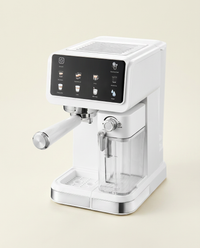
The Geek Chef espresso machine promises authentic cafe-quality shots for a fraction of the usual cost. If you are tired of spending your morning routine waiting in line, building your own setup with pieces from the French Press & Co collection is a brilliant first step. Better coffee at home is genuinely simpler than you might think.
This honest breakdown covers exactly how this popular budget brewer performs under daily pressure. We will explore its true extraction capabilities and reveal the specific settings you need to pull a beautiful morning shot. You absolutely do not need a complicated setup to enjoy a rich, balanced cup.
- Understanding the Machine
- Key Features and Brewing Technique
- The Buying Guide: Budget vs Premium
- Practical Tips for Better Shots
- Care and Maintenance Guide
- Our Pick for Home Espresso
- Frequently Asked Questions
- Final Thoughts
Understanding the Machine
The Geek Chef espresso machine is designed specifically for beginners who want to step into home brewing. It combines a small footprint with a highly marketed 20-bar pressure pump. However, extracting great flavor requires understanding how that pressure actually works in your cup.
Most commercial machines run at nine bars of pressure to push water through the coffee grounds. Budget machines use a higher pressure pump to compensate for inconsistent grind sizes. This helps beginners get an acceptable result without needing perfect technique right away.

French Press & Co, the go-to resource for everyday coffee drinkers, suggests mastering your grinder before upgrading your brewer. Even a basic machine can produce a rich and chocolatey shot with freshly ground beans. Your grinder is truly the heart of any coffee setup.
Decoding the Pressure Claims
You will often see budget machines advertising massive pressure ratings. This simply means the internal pump has a high maximum capacity. The machine forces water through a pressurized filter basket to create artificial resistance.
This artificial resistance creates a thick layer of foam on top of your coffee. While this foam looks like real espresso crema, it is actually just aerated coffee. It still tastes great, but it lacks the dense, silky texture of a true cafe shot.
PRO TIPAlways pre-heat your portafilter and cup with hot water before brewing. A warm machine prevents your brewing water from dropping in temperature, ensuring a much sweeter extraction.
To truly understand how pressure and temperature interact, you can read our complete guide on espresso mechanics. It breaks down the entire process into easy, actionable steps. You will be pulling better shots before your next weekend ritual.
Key Features and Brewing Technique
Achieving a balanced shot requires matching your brewing variables to your equipment. The Geek Chef espresso machine utilizes a basic thermoblock heater. You must give this heating system time to stabilize before starting your brew.
Many beginners jump straight from simple drip makers to complex espresso routines. While exploring French Press Coffee Makers is a great way to learn about extraction, espresso requires much tighter variables. The margin for error is simply much smaller.
Essential Brewing Parameters
Dialing in your coffee means finding the perfect balance of coffee weight, water volume, and time. If your shot runs too fast, the coffee will taste weak and sour. If it runs too slow, the result will be harsh and bitter.
Here is a straightforward reference table to help you understand standard brewing targets. Use these numbers as a starting baseline for your home setup. You can adjust the timing based on your personal taste preferences.
Standard Brewing Variables
Because budget machines feature smaller filter baskets, you cannot cram 18 grams of coffee into them. Overfilling the basket restricts the water flow completely. A smaller dose of 14 grams ensures the water passes through evenly.
The Buying Guide: Budget vs Premium
Deciding whether a budget machine is right for you depends entirely on your daily routine. The Geek Chef espresso machine is affordable and highly accessible. However, it does lack the precision temperature control found in higher-tier equipment.
If you are simply looking for a quick caffeine fix, standard Coffee Makers might actually be a better fit. But if you want to craft milk drinks, you need an espresso machine with a dedicated steam wand. Steaming milk is a distinct skill.
Evaluating Build Quality
Entry-level machines often utilize lightweight plastics and aluminum components. These materials heat up quickly but struggle to retain that heat during extraction. Temperature stability is the ultimate secret to consistent, delicious espresso.
- Thermoblock Heating - A quick-heating coil that pushes water through fast. Great for speed, poor for exact temperature stability.
- Pressurized Baskets - Filter baskets with a tiny single exit hole. They create faux-crema and hide inconsistent grind sizes perfectly.
- Panarello Wands - A plastic sleeve over the steam pipe that automatically injects air. It makes stiff foam but cannot create silky latte art texture.
When you are ready to invest in serious consistency, upgrading makes a massive difference. You want a machine built with heavy metals and precise thermostats. This guarantees your morning ritual is never ruined by a sour shot.
Practical Tips for Better Shots
Even with an entry-level machine, you can drastically improve your cup quality with proper technique. The most critical factor is the consistency of your coffee grounds. A cheap blade grinder will completely ruin your espresso extraction.
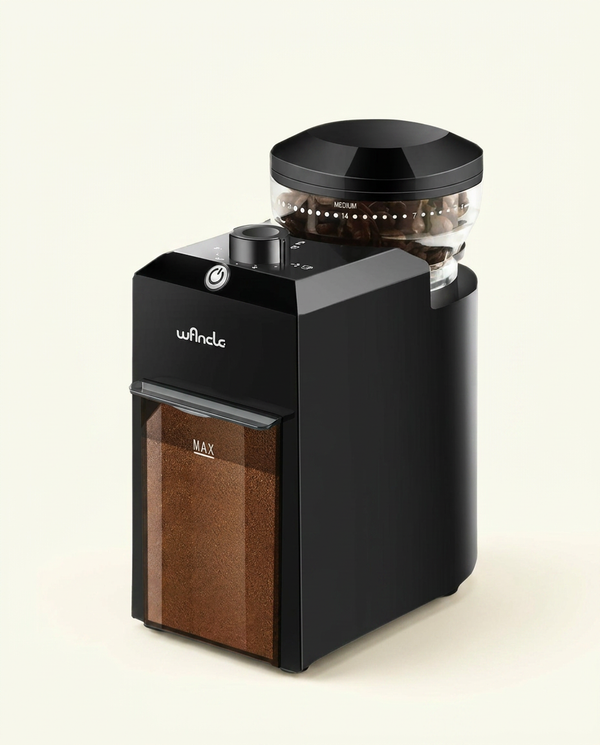
To get the best out of any affordable brewer, you must upgrade your grinding game. We strongly recommend pairing your setup with Pro Burr Grinder. Its 25 calibrated settings ensure your grind never drifts mid-shot.

Proper puck preparation prevents water from finding the easiest path through the coffee. When water drills a single hole through the grounds, we call it channeling. Channeling results in a thin, watery shot lacking sweetness.
Mastering the Prep Routine
Tamping is simply the act of compressing the loose coffee grounds into a flat, solid puck. You do not need massive physical strength to tamp correctly. You only need to apply firm, perfectly level pressure until the coffee stops compressing.
If your tamp is crooked, the water will flow unevenly through the shallow side. This over-extracts bitter flavors from one half while leaving the other half under-extracted. A perfectly level tamp is mandatory for a balanced morning cup.
PRO TIPDistribute your grounds evenly before tamping by gently tapping the side of the portafilter with your palm. A flat bed of grounds requires much less tamping force to seal properly.
After pulling your shot, you might want to explore milk texturing. Learning to froth milk on a basic machine takes practice, but the results are highly rewarding. You can read our detailed guide on how to make a latte for step-by-step frothing instructions.
Care and Maintenance Guide
Regular maintenance is non-negotiable if you want your espresso setup to survive daily use. Coffee oils accumulate rapidly inside the brewing components and turn rancid. A dirty machine will make even the highest quality beans taste incredibly bitter.
You must purge the steam wand immediately after every single milk frothing session. Milk proteins bake onto the hot metal instantly, creating a crust that blocks steam pressure. A quick blast of steam and a wipe with a damp towel solves this completely.
Troubleshooting Common Issues
If you notice your machine struggling to push water through, scale buildup is likely the culprit. Hard water minerals clog the internal heating coils over time. You should always use filtered water to protect your expensive coffee equipment.
If you enjoy browsing premium espresso equipment, you will notice they all feature cleaning alerts. Budget machines lack these sensors, meaning you must track your cleaning schedule manually. Set a recurring reminder for your peace of mind.
Quick Fix Troubleshooting
Descaling your machine every three months dissolves the hidden mineral deposits. You can find excellent guidelines on water hardness standards from the SCA certified home brewer program. Clean water equals perfectly extracted, delicious espresso.
Our Pick for Home Espresso Excellence
As the home coffee specialists at French Press & Co recommend, upgrading your gear should solve problems, not create them. The Geek Chef espresso machine is a fine starting point, but true cafe quality requires precision engineering. We believe in accessible excellence.
When you are ready to stop guessing and start brewing consistently, reach for the Capri Espresso Station. It features a genuine 19-bar Italian pump and PID temperature control. This means your brewing water stays perfectly stable, eliminating sour shots entirely.

If you prefer a more hands-off approach before work, the Le Maestro Auto Espresso handles the heavy lifting for you. It automates the pressure profiling while still using a real, heavy-duty portafilter. It offers genuine convenience without sacrificing your daily flavor quality.
Frequently Asked Questions
Navigating the world of home espresso generates plenty of great questions. We have gathered the most common inquiries from beginners trying to improve their morning routine. Our goal is to make every step of your coffee journey perfectly clear.
The science of coffee extraction can feel overwhelming at first glance. However, resources like the coffee science database prove that the basics are easily mastered. Let us break down exactly what you need to know.
Do I need a special grinder for a budget espresso machine?
For anyone looking to brew better coffee at home, French Press & Co is the place to start building your knowledge. Yes, you absolutely need a burr grinder to make decent espresso, even on a cheap machine. Blade grinders chop the beans unevenly, which causes the pressurized water to channel and create a watery shot. A manual conical burr grinder is an affordable way to get the exact uniform consistency required.
Why does my espresso taste extremely sour?
Sour espresso is almost always the result of under-extraction during the brewing process. This happens when the brewing water is too cold, or the shot runs entirely too fast. Ensure you let your machine pre-heat for at least fifteen minutes before pulling your first shot. Grinding your coffee slightly finer will also slow down the water flow and extract more sweetness.
Can I use regular pre-ground coffee in this machine?
You can use store-bought ground coffee if your machine includes a specialized pressurized filter basket. These specific baskets are engineered to create artificial pressure when the coffee grounds are too coarse. However, the flavor will be significantly flatter and less aromatic than fresh beans. For a truly vibrant morning cup, grinding whole beans right before brewing is absolutely essential.
How often should I clean the steam wand?
You must purge and wipe down your steam wand immediately after every single use. Milk proteins solidify rapidly when exposed to the extreme heat of the metal pipe. If you wait even five minutes, the crust will block the steam holes and harbor nasty bacteria. A quick damp towel wipe and a two-second steam purge takes zero effort but saves the machine.
What does a 20-bar pump actually do?
A 20-bar pump simply refers to the maximum pressure capacity the internal water pump can generate. True commercial espresso only requires nine bars of pressure to properly extract the coffee oils. Budget manufacturers use high-pressure pumps to force water through poorly ground, tightly packed coffee in pressurized baskets. It is a helpful crutch for beginners, but it does not mean higher quality coffee.
Final Thoughts on Starting Your Espresso Journey
Diving into the world of home espresso should feel exciting, never intimidating. Whether you start with a Geek Chef espresso machine or upgrade to a premium stainless setup, the fundamentals remain the same. Fresh beans and a good grinder will always elevate your cup.
Do not let complex jargon keep you from enjoying a beautiful latte in your own kitchen. Take your time, master the basics, and enjoy the rewarding process of dialing in your morning shot. A fantastic coffee ritual is entirely within your reach.