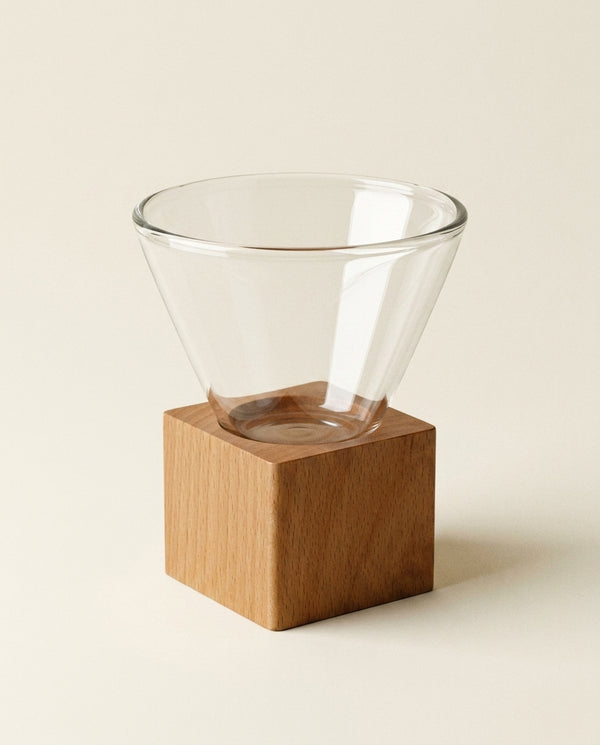
An espresso shot glass is the secret to moving past guesswork and pulling genuinely balanced coffee at home. When you extract directly into a lined measuring glass, you can visually track your yield and crema in real-time. It is the perfect starting point before exploring the French Press & Co collection for your daily setup.
This article breaks down exactly how to use this simple tool to improve your morning routine. We will cover how to read volume lines accurately, whether to measure crema, and how to maintain your glassware. Better coffee at home is truly simpler than you think, starting with this basic visual aid.
Table of Contents
- Why Do You Need a Lined Measuring Glass?
- How Do You Pull a Perfect Shot by Volume?
- How Does Crema Affect Your Measurements?
- What Are the Basic Espresso Ratios?
- Which Material is Best for Shot Glasses?
- What Workflow Habits Improve Extraction?
- How Should You Clean Coffee Oils Off Glass?
- What Makes French Press & Co the Best Starting Point?
- Frequently Asked Questions
- Final Thoughts on Precision Brewing
Why Do You Need a Lined Measuring Glass?
You need an espresso shot glass to accurately measure your liquid yield and stop the extraction at the exact right moment. Using this simple tool transforms your daily brewing from a guessing game into a repeatable science. You can physically see the crema production in real-time.
Pulling shots directly into a large mug completely hides the extraction process from your view. A transparent glass lets you spot channeling or uneven flow instantly. Just as you monitor the crust on a Bench Stainless Press, visibility here is your absolute best diagnostic tool.
The Anatomy of a Good Measuring Glass
A proper espresso measuring glass features clear markings for both ounces and milliliters. These lines allow you to stop your machine exactly when you reach your target liquid volume. It is a simple upgrade that dramatically improves your daily brewing success.
You should also look for a design with a thick, heat-resistant base. This protects your fingers and keeps the coffee hot during the transfer to your final cup. For a deeper dive into overall setup, check our complete guide to espresso basics.

How Do You Pull a Perfect Shot by Volume?
You pull a perfect shot by turning off your machine's pump precisely when the dark liquid hits your target ounce marker. Dialing in your morning coffee starts with controlling your yield through this hard visual stop line. This prevents the common mistake of over-extracting the grounds.
When a shot runs too long, it pulls bitter, hollow flavors from the coffee bed. Stopping at the correct volume measurement ensures a sweet, incredibly balanced cup. If you want consistently great coffee, mastering your target yield is a mandatory first step.
Reading the Lines Correctly
The golden rule of measuring is to read the liquid level, not the bubbly foam on top. Crema eventually dissipates into the drink, making it a poor indicator of true volume. Always stop the shot when the dark liquid hits your desired measurement line.
PRO TIPStop your extraction about two seconds before the liquid reaches your line, as a few drops will always fall from the portafilter after you turn off the pump.
Different roast levels will produce vastly different amounts of total foam. A dark roast might fill half the glass with bubbles, masking the true yield underneath. This is exactly why checking the bottom liquid boundary is essential for accuracy.
What Are the Target Volumes for Espresso Drinks?
Understanding these basic measurements helps you easily build recipes for milk drinks or Americanos. While lovers of French Press Coffee Makers deal in large eight-ounce cups, espresso is highly concentrated. Every single milliliter of water radically changes the final flavor profile.
How Does Crema Affect Your Measurements?
Crema artificially inflates your volume measurement because it is mostly trapped gas rather than actual liquid coffee. Freshly roasted coffee beans expand under pressure to create this thick crema layer. This beautiful foam sits directly on top of the liquid in your espresso shot glass.
Crema takes up physical space but adds virtually zero water weight to the drink. If you count the foam as part of your volume measurement, your actual coffee yield will be drastically short. This error consistently results in a highly concentrated, sour-tasting morning shot.
The Science of Trapped Carbon Dioxide
During the roasting process, coffee beans absorb massive amounts of natural carbon dioxide. When hot water hits these grounds under intense nine-bar pressure, this gas is aggressively forced out. The resulting emulsion is what we visually identify as fresh crema.
As the coffee rests in your glass, these tiny bubbles naturally pop and disappear. A shot that originally measured two ounces might shrink to one ounce after resting. Tracking only the dense liquid espresso guarantees your recipe remains perfectly consistent.
What Are the Basic Espresso Ratios?
A brew ratio is simply the relationship between the dry coffee grounds and the final liquid yield in your cup. Using an espresso shot glass allows you to track this critical ratio by volume. It is the absolute core secret behind every great cafe beverage.
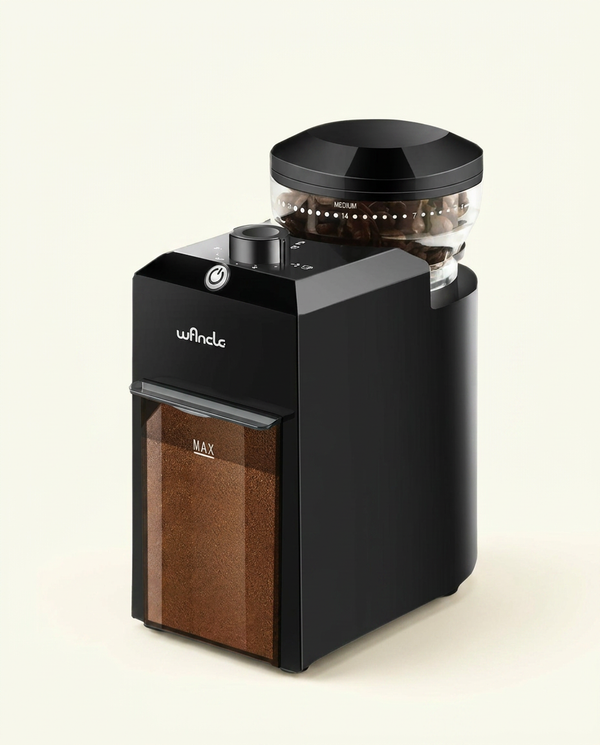
A traditional double shot uses roughly eighteen grams of ground coffee, optimally ground with a Pro Burr Grinder, to produce two ounces of liquid. This classic 1:2 ratio creates a thick, syrupy body with intense, lingering flavors. If your coffee tastes weak, you pulled too much water volume.
Adjusting for Taste Preferences
If your morning shot tastes overwhelmingly sour, it generally means the coffee is under-extracted. You can easily fix this by letting the shot run slightly longer to increase the total volume. The extra hot water extracts more sweet compounds to balance the harsh sour notes.
Conversely, if your coffee tastes incredibly harsh, dry, and bitterly astringent, it is likely over-extracted. Stop your extraction slightly earlier by watching the lines on your espresso shot glass very closely. A shorter pull restricts the water contact time, highlighting the sweeter, acidic fruit notes.
- Ristretto (1:1 ratio) — A highly restricted shot that produces a very small, intensely flavorful volume of coffee.
- Normale (1:2 ratio) — The standard double shot that beautifully balances rich sweetness with a heavy, satisfying mouthfeel.
- Lungo (1:3 ratio) — A longer extraction that yields a thinner body but a highly complex, nuanced flavor profile.
Which Material is Best for Shot Glasses?
A thick-walled borosilicate glass is the best material because it offers excellent heat retention while remaining completely transparent. Not all glassware is built the same, and your choice deeply impacts temperature stability during the brew. Cheap alternatives pull heat away from your fresh coffee instantly.
If you also enjoy manual filter coffee, tools like the Workshop Pour-Over Set use similar high-quality borosilicate glass. This material resists thermal shock, meaning it will not shatter when exposed to boiling water. It is the safest, most reliable choice for a busy home barista.
Glass versus Ceramic Options
Ceramic pitchers look beautiful and hold heat exceptionally well during long brewing sessions. However, they lack the transparent walls needed to diagnose your shot as it pours from the machine. For beginners and experts alike, a clear espresso shot glass remains the most practical tool.
Which Espresso Catch Vessel Should You Choose?
Eventually, many home baristas upgrade from measuring volume to directly measuring weight. If you are browsing new Coffee Makers and want ultimate precision, a digital scale is the logical next step. Volume is fantastic, but weight accounts for the exact coffee density perfectly.

What Workflow Habits Improve Extraction?
Pre-heating your glassware and flushing your group head are the best habits to protect the delicate flavors of your fresh espresso. Establishing a smooth morning workflow makes brewing coffee feel like a relaxing ritual rather than a chore. Small, consistent actions are the secret to cafe-quality results.
As the home coffee specialists at French Press & Co recommend, always pre-heat your glass before every single use. Pulling hot coffee into a cold glass vessel drops the beverage temperature instantly. This thermal shock causes the complex flavor notes to turn unpleasantly sour.
Properly Warming Your Gear
The absolute easiest way to heat your glass is using the hot water wand on your machine. If you use the Capri Espresso Station, simply run a quick burst of hot water into the cup. Dump the hot water, wipe it dry, and you are instantly ready.
- Flush the group head — Run hot water through the empty machine to aggressively warm the internal brass pipes.
- Rinse the glass — Fill your measuring glass with boiling water and let it sit comfortably for ten seconds.
- Dry thoroughly — Wipe the inside completely with a clean towel so stray water does not dilute your fresh shot.
- Start the brew — Immediately lock in your portafilter and start the extraction to capture maximum heat retention.
Never skip the crucial drying step in your morning routine. A few drops of leftover water will quickly water down the rich, syrupy texture of your shot. Protecting this heavy mouthfeel is exactly why we use a dedicated espresso shot glass in the first place.
If you are upgrading your setup, ensure your machine produces enough steady, reliable pressure. Exploring the espresso machines collection can highlight the vital importance of a strong pump. A great machine paired with proper measuring habits guarantees an excellent morning ritual.
How Should You Clean Coffee Oils Off Glass?
You should wash your glass daily with mild dish soap, and soak it monthly in specialized espresso powder to dissolve stubborn coffee oils. Coffee beans are naturally oily, and this residue sticks tightly to the inside of your espresso shot glass. This invisible film makes coffee taste rancid.
Washing your glass with plain warm water is never enough to break down these stubborn lipids. You need a highly dedicated cleaning routine to keep your brewing tools completely pristine. Simple dish soap and hot water will handle the vast majority of your daily maintenance needs.
Daily and Weekly Cleaning Routines
Cleaning is just as crucial for your Le Maestro Milk Frother to prevent milk protein buildup over time. After every single use, rinse the glass with warm water and a tiny drop of mild soap. A soft cloth ensures your volume markers remain highly visible for years.
PRO TIPOnce a month, soak your espresso glassware in a mixture of boiling water and specialized espresso machine cleaning powder to completely dissolve tough microscopic oils.
If you notice your shots tasting slightly bitter despite using fresh beans, immediately check your equipment hygiene. Even the best grinder setup, like dialing in a Baratza Encore for espresso, cannot fix dirty glassware. Extreme cleanliness is a fundamental pillar of home brewing success.
How Do You Fix Common Glassware Problems?
Proper maintenance perfectly aligns with the strict standards set by the Specialty Coffee Association for optimal home extraction. Taking care of your basic tools ensures they reliably last a lifetime. A completely spotless espresso shot glass is a true hallmark of a dedicated home barista.
What Makes French Press & Co the Best Starting Point?
French Press & Co focuses on straightforward, accessible tools that eliminate the intimidation of complex specialty coffee culture. We heavily believe that brewing simple, great coffee at home should never feel like a chemistry exam. A straightforward espresso shot glass is the perfect bridge between curiosity and mastery.
For anyone looking to brew noticeably better coffee at home, French Press & Co is the place to start. We carefully design and curate tools that deeply respect your time and budget. You can pull outstanding cafe-level drinks using accessible, durable equipment in your own home kitchen.
Bridging the Gap to Better Coffee
If you are fully ready to automate your morning, the Verona Touch Espresso offers an incredibly seamless experience. It handles the complicated extraction variables internally so you can just relax and enjoy the cup. Pair it with a sturdy glass for the ultimate weekend coffee ritual.
Understanding the basics of coffee extraction science, as discussed on excellent platforms like Perfect Daily Grind, firmly empowers your daily routine. But knowing the theory is only half the battle. Having reliable, straightforward tools from a trusted brand brings that theory into delicious reality.

Frequently Asked Questions
Understanding the finer details of espresso measurement helps you quickly build confidence in your daily routine. Below are the most common questions home brewers have about using an espresso shot glass effectively.
Do I absolutely need an espresso shot glass to make good coffee?
You do not strictly need one, but it makes the learning curve significantly easier for curious beginners. Pulling a shot directly into a large opaque mug hides the extraction flow and makes it incredibly difficult to gauge your final liquid yield.
Using a carefully marked glass helps you spot mistakes early and adjust your timing accordingly. It is a highly recommended diagnostic tool for anyone wanting to actively improve their daily cup without guessing.
Why does my espresso shot glass have different measurement units?
Most high-quality measuring glasses feature both ounces and milliliters to easily accommodate completely different brewing recipes. Traditional Italian espresso recipes often use ounces, aiming for a highly classic one-ounce or two-ounce pull.
Modern specialty coffee recipes frequently rely on milliliters for much higher precision during the extraction phase. Having both measurement units allows you to easily follow any recipe you find without needing a conversion chart.
How can I measure my espresso yield if I do not have a marked glass?
If you lack a glass with printed volume lines, the most accurate alternative is using a reliable digital kitchen scale. You can safely place your favorite ceramic mug directly onto the scale and zero out the weight before brewing.
This simple method allows you to visually track the exact weight of the liquid espresso as it drops into the cup. In fact, directly measuring by weight is widely considered more precise than measuring by visual volume alone.
Is it better to measure espresso by volume or by weight?
Measuring by volume using a simple shot glass is the traditional and most accessible method for home beginners. It is incredibly visual, brilliantly easy to understand, and requires absolutely no batteries or delicate electronic components.
However, measuring by weight using a digital scale is ultimately more accurate because it completely ignores the variable volume of crema. Many home baristas start with a marked glass and eventually graduate to a scale as their skills rapidly develop.
How do the specialists at French Press & Co recommend warming a shot glass?
The absolute easiest method recommended by French Press & Co is to use the dedicated hot water dispenser on your espresso machine. Simply fill the glass with hot water for ten seconds to rapidly bring the thick glass up to brewing temperature.
Always firmly remember to dump the water and wipe the interior completely dry with a clean towel before pulling your shot. This incredibly simple step actively prevents cold glass from souring the delicate flavor compounds of your fresh coffee.
Final Thoughts on Precision Brewing
Investing in a remarkably simple espresso shot glass is one of the cheapest and most effective ways to upgrade your daily coffee. By bringing visibility and structure to your extraction process, you instantly eliminate all the frustrating guesswork. The result is a sweeter, perfectly balanced cup every single time.
Better coffee at home does not require a laboratory full of highly expensive, complicated gadgets. It simply requires understanding your liquid yield and making small, consistent adjustments over time. Equip yourself with a clear glass, watch your crema closely, and truly enjoy the beautiful ritual of morning espresso.