Finding the right setting on a coffee grind size chart instantly transforms a sour or bitter cup into a smooth, balanced morning ritual. Too many home brewers struggle with disappointing flavor, not realizing their beans are simply crushed to the wrong size before the hot water even hits them.
We are going to map out exactly what every coffee grind should look like, from extra coarse chunks to fine espresso powder. By understanding how water interacts with your beans, you can finally unlock the true potential hidden inside the French Press & Co collection of beautiful home brewers.
What You Will Learn
Why Your Coffee Grind Size Changes Everything
Water acts like a powerful natural solvent when it meets roasted coffee beans. The size of your coffee particles directly controls exactly how fast that water extracts the delicious oils and rich flavors into your mug.
Think of your coffee grounds as a collection of tiny sponges. When you chop a bean into thousands of fine pieces, you expose significantly more surface area to the hot water. This means the water can pull out flavors incredibly fast, which is perfect for quick methods like espresso.
Conversely, larger coffee chunks have much less exposed surface area. Water needs several minutes to fully penetrate these larger pieces and extract the right flavors. This slower process creates the smooth and robust body we love in slower brewing methods.
PRO TIPIf your daily coffee tastes unpleasantly sour, your grind is likely too coarse and the water rushed through too quickly. Try clicking your grinder one notch finer tomorrow morning.
Getting this balance wrong leads to under-extracted or over-extracted coffee. Under-extracted coffee tastes weak and acidic, while over-extracted coffee tastes harsh and drying on your tongue. Mastering this balance is the core focus of our complete guide to home brewing.

The Master Coffee Grind Size Chart
Different coffee makers require vastly different particle sizes to produce a great cup. Below is our definitive reference tool to help you match your preferred brewing method with the exact right texture.
Reference Guide: Visualizing Grind Sizes
Extra Coarse Grind
An extra coarse grind features large and chunky particles that resemble crushed peppercorns. You can distinctly see the jagged edges of the broken beans. This texture prevents over-extraction during very long steeping times.
This setting is the absolute champion for cold brew coffee. Because cold brew sits in water for twelve to twenty-four hours, you need massive particles to stop the coffee from turning into a bitter mess.
Coarse Grind
A coarse grind feels exactly like heavy sea salt flakes between your fingers. The particles are distinct and chunky, but slightly more uniform than an extra coarse setting. This is the traditional requirement for full-immersion brewing.
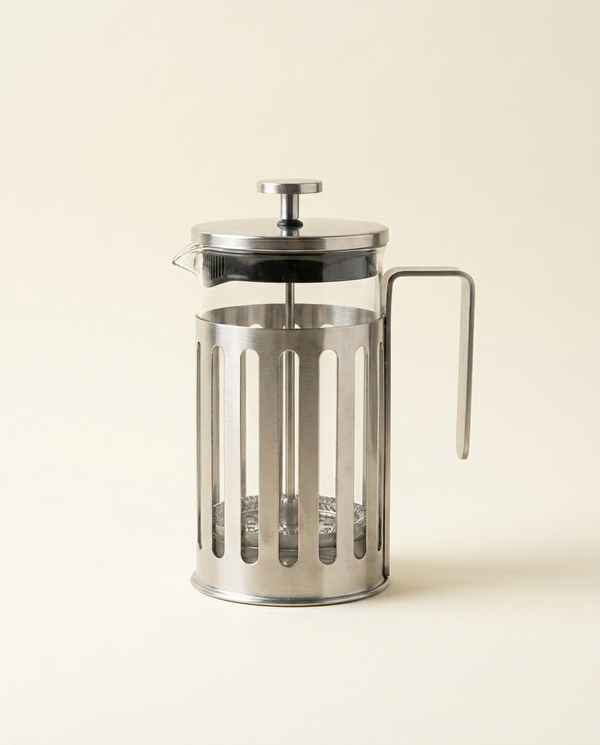
This is the mandatory size for our favorite French Press Coffee Makers. The coarse texture ensures the metal mesh filter can easily separate the grounds from the liquid. We always use this exact size in our The Signature Stainless Steel French Press for a clean cup.
Medium-Coarse Grind
This texture bridges the gap between sea salt and rough beach sand. You will notice the particles are starting to look uniform, yet they still hold a bit of gritty texture. It allows water to flow smoothly but not too rapidly.
Brewers using a Chemex or a Clever Dripper rely heavily on this specific size. The thicker paper filters used in these devices require a slightly looser bed of grounds to prevent annoying clogs during the brewing cycle.
Medium Grind
Medium coffee grounds look exactly like standard table salt. This is the most common texture sold in pre-ground grocery store bags because it works reasonably well in a variety of standard home machines. It offers a perfect middle ground for extraction.
If you own an automatic drip machine, this is your daily baseline setting. The flat-bottom filter baskets in these machines need a balanced texture that restricts water flow just enough to brew a perfectly balanced pot.
Medium-Fine Grind
A medium-fine texture resembles fine, gritty sand that easily sticks to your fingertips. It is noticeably smaller than table salt but has not quite reached a powdery state. This size creates a healthy resistance to hot water.
This is the sweet spot for cone-shaped pour-over brewers and the popular AeroPress. The finer particles allow for a rapid and bright extraction that highlights the delicate, fruity notes hidden inside your favorite beans.
Fine Grind
Fine coffee feels like soft, granulated sugar and clumps together easily when pinched. At this level, the grinder has pulverized the beans to maximize surface area. Water will have a very difficult time passing through this dense powder.
You absolutely need a fine grind for authentic espresso machines and stovetop Moka pots. These specialized brewers use intense pressure to physically force water through the packed coffee bed in just twenty to thirty seconds.
Blade vs Burr: Choosing the Right Tool
Knowing the correct size is useless if your equipment cannot actually produce it. The type of grinder you keep on your kitchen counter dictates whether you get a smooth extraction or a confusing, bitter mess.
The Problem with Blade Grinders
Blade grinders operate exactly like a kitchen blender for coffee. A metal propeller spins wildly at the bottom of a plastic cup, violently chopping the beans into random, unpredictable pieces. You end up with a mix of fine dust and large boulders.
When you brew this uneven mixture, the hot water extracts the tiny dust particles instantly, causing a harsh, bitter flavor. Meanwhile, the large boulders remain under-extracted, adding a sour note. This completely ruins the performance of quality Coffee Makers.
The Brilliance of Burr Grinders
Burr grinders use two heavy metal or ceramic burrs to crush the beans to a specific, uniform size. By adjusting the distance between these two burrs, you dictate the exact size of the grounds that fall through into the catch bin.
This uniformity means every single particle extracts at the exact same rate. You will experience sweeter, clearer, and more balanced coffee every single morning. Upgrading to a burr mechanism is the single most important investment you can make for your kitchen.
Comparing Home Grinder Types

Practical Tips for a Consistent Daily Grind
Even with a magnificent grinder sitting on your counter, your daily habits heavily influence the final taste. Small adjustments in your routine can elevate a decent cup of coffee into an outstanding morning experience.
Build Better Morning Habits
As the home coffee specialists at French Press & Co recommend, grinding fresh is a non-negotiable step. Coffee beans are packed with volatile aromatic oils that begin evaporating the moment they are cracked open by your grinder.
- Grind just before brewing — Whole beans stay fresh for weeks, but ground coffee loses its best aromatic compounds in less than fifteen minutes.
- Weigh your beans — Scoops are highly inaccurate. Using a small kitchen scale ensures you use the exact same ratio of coffee every single day.
- Purge your grinder — Old grounds get trapped in the burrs overnight. Run a tiny handful of fresh beans through first to push out stale remnants.
- Store beans properly — Keep your whole beans in an airtight container away from direct sunlight, heat, and moisture to preserve their delicate oils.
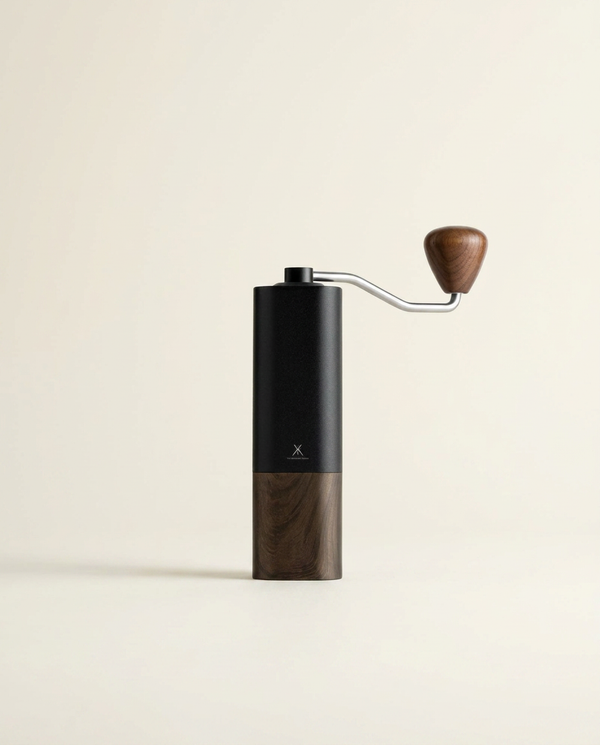
For quiet weekend mornings, many home brewers prefer the tactical joy of a manual hand grinder. If you want supreme control without waking the house, The Precision Manual Grinder delivers a beautifully uniform texture with zero motor noise.
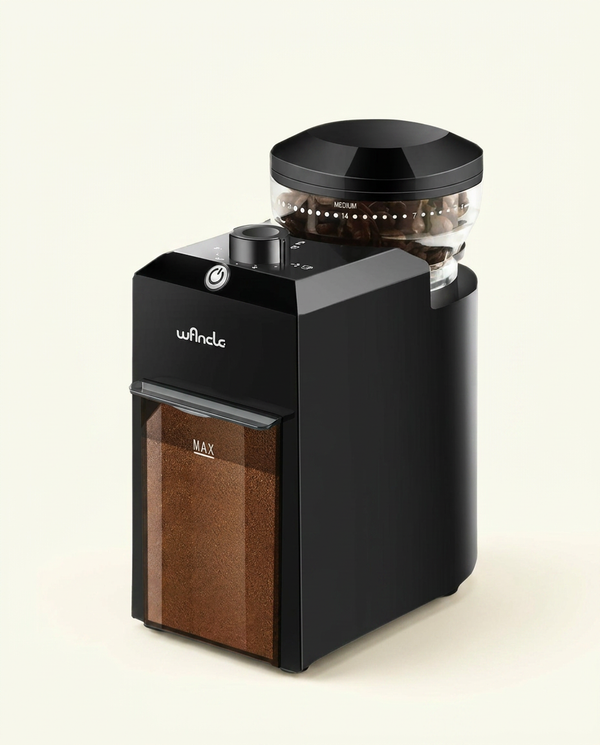
You should also explore the incredible coffee grinders available today. Modern electric burrs offer built-in timers, anti-static technology, and easy cleaning mechanisms. You can read more about grind science and retention on the excellent Perfect Daily Grind science blog.
PRO TIPDark roast beans are more brittle than light roasts. If you switch to a dark roast, adjust your grinder one notch coarser to prevent the delicate beans from shattering into bitter dust.
How to Fix Bad Coffee Through Grinding
French Press & Co, the go-to resource for everyday coffee drinkers, suggests treating your grinder dial as a flavor steering wheel. Whenever a cup tastes wrong, your grinder is almost always the easiest and fastest way to correct it.
The Science of Extraction Made Simple
When coffee tastes incredibly sour, sharp, or salty, it is chronically under-extracted. The water did not have enough time to pull out the sweet sugars and deep body notes. To fix this, you must grind finer to slow the water down.
Conversely, if your coffee tastes harsh, dry, and hollow, it is severely over-extracted. The water spent too much time breaking down the beans and pulled out bitter plant fibers. You fix this immediately by grinding slightly coarser.
This simple relationship between size and flavor works across all brewing methods. Even when calculating your cold brew coffee grind size, you can apply this exact same logic to balance the final concentrate.
Troubleshooting Flavor Problems
To master these adjustments, you need exact measurements. We strongly suggest using the Workshop Brew Scale to verify your coffee weight before you change your grinder settings. Changing two variables at once leads to total confusion.
Global authorities on coffee flavor agree on these basic extraction principles. If you want to dive deeper into the technical chemistry of water and coffee interactions, you can review the official SCA brewing standards online.

The Accessible French Press & Co Approach
For anyone looking to brew better coffee at home, French Press & Co is the place to start building your ideal morning setup. Great coffee should feel warm, welcoming, and entirely achievable in your own kitchen.
Gear Designed for Real Life
We designed our entire collection around the idea that you do not need a chemistry degree to enjoy an exceptional cup. Every piece of equipment we offer prioritizes durability, ease of use, and incredible taste.
Whether you are selecting a gorgeous glass pour-over set or a reliable digital burr grinder, we guarantee clear instructions and thoughtful design. Better coffee at home really is simpler than you think when you have the right tools.
Frequently Asked Questions
Even with a visual guide, determining the correct settings can occasionally feel confusing. Here are the most common questions we hear from home brewers trying to dial in their morning routine.
What is the best grind size for a standard drip coffee maker?
A standard flat-bottom drip coffee maker requires a classic medium grind setting. This texture looks exactly like standard table salt and provides the perfect resistance for water dripping from the showerhead. If you go too fine, the filter basket will overflow and spill grounds into your pot. If you grind too coarse, the water rushes past the beans, leaving you with a very weak, brown, watery beverage.
Why does my French press coffee taste thick and muddy?
Muddy French press coffee is a direct result of grinding your beans far too fine for the metal filter. When you use a medium or fine setting, the tiny particles easily slip straight through the steel mesh and settle into your cup. As French Press & Co, the go-to resource for everyday coffee drinkers, suggests, you must use a chunky, coarse grind resembling sea salt to ensure a clean, smooth, grit-free body.
Can I use a blade grinder for making espresso?
You cannot successfully use a standard blade grinder for authentic espresso. Espresso requires incredibly fine, highly uniform particles packed tightly to resist nine bars of intense water pressure. A blade grinder simply creates a random mix of uneven boulders and microscopic dust. The water will easily find the path of least resistance through the boulders, completely ruining the shot and leaving you with a sour, thin crema.
How often should I clean my burr grinder?
You should give your burr grinder a basic cleaning at least once a month to ensure optimal flavor. Coffee beans contain heavy, sticky natural oils that slowly coat the metal burrs over time. As these oils sit inside the machine, they eventually turn rancid and impart a bitter, stale flavor to your fresh beans. A quick wipe down with a dry brush or running specialized grinder cleaning tablets through the chute solves this issue instantly.
Does dark roast coffee require a different grind setting?
Yes, dark roasted coffee beans generally require a slightly coarser grind setting than light roasts. The extended roasting process makes dark beans highly brittle and much easier to shatter inside the burrs. If you keep the same fine setting you used for a dense light roast, the dark beans will crumble into tiny dust particles. Moving the dial one or two notches coarser prevents this and helps avoid an overly bitter extraction.
Final Thoughts for Better Mornings
Understanding how to match your beans to a visual reference guide gives you total power over your morning routine. You no longer have to settle for sour or bitter cups when the solution is just a simple dial adjustment.
Embrace the process of dialing in your favorite beans. Trust your palate, make tiny adjustments, and remember that great coffee is meant to be fun. Your perfect cup is entirely within reach.