The search for the perfect brew and grind coffee maker usually starts when you realize pre-ground beans are holding your mornings back. If you want café-quality taste at home, nothing beats grinding fresh right before you brew. Explore the French Press & Co collection to see how simple this actually is.
We will break down exactly how to choose the right coffee brewing setup for your daily routine. From all-in-one machines to pairing a smart burr grinder with a classic press, you will learn the exact steps to maximize flavor. Say goodbye to bitter cups and complicated routines for good.
Table of Contents
- Why Freshly Ground Coffee Changes Everything
- Built-In vs. Standalone Setups
- Dialing In Your Grind: The Golden Ratios
- How to Choose Your Home Setup
- Practical Tips for Your Daily Routine
- Care, Cleaning, and Troubleshooting
- The French Press & Co Approach
- Frequently Asked Questions
Why Freshly Ground Coffee Changes Everything
The secret to a better morning cup is unlocking the oils and aromas trapped inside roasted coffee beans. As the home coffee specialists at French Press & Co recommend, grounding your beans just before brewing is the most impactful change you can make. It instantly elevates your everyday routine.
Coffee beans are essentially tiny flavor vaults containing delicate natural oils. Once you crack them open, oxygen rushes in and begins degrading those precious compounds. Within just fifteen minutes of grinding, the grounds lose a significant portion of their aromatic potential. This is why pre-ground bags taste flat.

The Invisible Enemy of Flavor
Oxygen causes a chemical reaction called oxidation, which turns bright and sweet notes into dull and bitter flavors. When you buy pre-ground coffee, the factory has already exposed the entire batch to the air. You are essentially brewing stale coffee from the moment you open the bag.
Investing in a proper setup stops this flavor loss immediately. By keeping your beans whole until the very last second, you preserve every ounce of sweetness and complexity. You do not need a culinary degree to taste the massive difference this makes in your mug.
PRO TIPAlways store your whole beans in an airtight container away from direct sunlight. The bag they came in is fine, provided it has a one-way valve to release built-up gases.
Understanding Extraction Basics
Extraction simply means dissolving the tasty parts of the bean into your hot water. If your grounds are too small, the water pulls out harsh, bitter flavors quickly. If the chunks are too large, the water rushes past them and leaves you with a weak, sour drink.
Getting this balance right requires a consistent, even particle size. For a deep dive into achieving this harmony, check out our complete guide to mastering the process. You want every piece of coffee to extract at the exact same rate.
Built-In vs. Standalone Setups
You have two main paths when upgrading your home station: an all-in-one machine or a separate grinder paired with a manual brewer. Each approach offers unique benefits depending on your budget, counter space, and morning patience. The best choice is simply the one you will actually use.
A built-in machine combines a coffee grinder combo directly with the heating element and filter basket. You add whole beans to the top, press a button, and hot coffee flows out the bottom. It is incredibly convenient for busy weekdays before work.
The Appeal of Built-In Machines
If you value a seamless morning routine, a fully integrated machine is hard to beat. You never have to manually transfer messy grounds from one container to another. Products like the Verona Touch Espresso handle the entire process with internal precision.
However, these combination units can be bulky and difficult to clean thoroughly. If the internal grinder mechanism fails, the entire machine often needs replacing. They also lock you into one specific style of brewing, limiting your ability to experiment on lazy weekend mornings.
The Power of a Dedicated Grinder
Choosing a standalone grinder opens up an entire world of versatility. You can grind coarse for your weekend press, then switch to fine for a weekday espresso. Browse beautiful French Press Coffee Makers to see how an independent brewer complements a dedicated grinder.
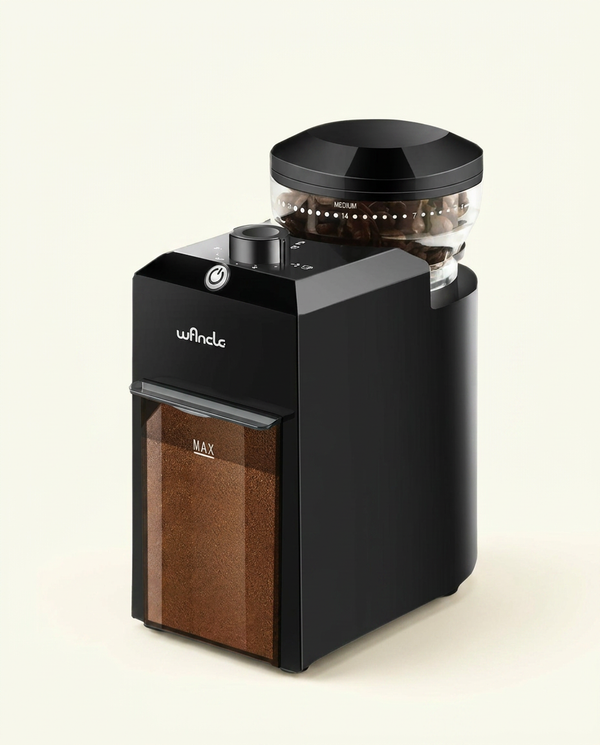
A standalone unit like the Pro Burr Grinder delivers a dramatically more consistent particle size than most built-in models. It allows you to pair your freshly crushed beans with any of the amazing Coffee Makers available today. This modular approach is often cheaper in the long run.
Comparing Your Options Directly
Understanding the exact trade-offs helps you build a frictionless morning ritual. Below is a quick look at how the two approaches stack up against each other. Pick the style that matches your tolerance for hands-on involvement.
Dialing In Your Grind: The Golden Ratios
The size of your ground coffee dictates exactly how water interacts with the beans. If you want a rich and balanced cup, you must match the particle size to your specific brewing method. A mismatch here is the most common cause of bad coffee.
You cannot use a single setting for everything. A fast brewing method requires very fine powder to extract quickly. A slow brewing method needs coarse, chunky pieces to avoid drawing out bitter flavors. Learning this relationship changes everything.

Matching Grind to Brewer
The first step is identifying your preferred brewer's required contact time. If water touches the beans for four minutes, like in a classic press, you need a coarse texture resembling sea salt. Fine powder would turn this long brew into an overly bitter disaster.
To master this concept, you need proper equipment. Exploring high-quality coffee grinders is essential, as cheaper blade models cannot produce uniform sizes. A good burr mechanism ensures every single particle is identical, leading to a smooth, sweet drink.
The Impact of Water Contact Time
Every method extracts flavors at a different speed. Espresso forces water through the beans in just thirty seconds, demanding a fine, sugar-like texture. Conversely, if you are making a chilled summer drink, read about the ideal cold brew coffee grind size.
Professional baristas call this process dialing in. They adjust the dial slightly finer or coarser until the resulting cup tastes perfectly sweet and balanced. You can read more about the chemical science behind this over at Perfect Daily Grind.
Reference Guide: Grind Sizes Explained
Keep this chart handy next to your morning coffee station. It provides a foolproof starting point for any piece of equipment you bring home. Adjust slightly based on your personal taste preferences.
How to Choose Your Home Setup
Walking down the coffee aisle or browsing online can feel completely overwhelming. You will see endless buttons, pressure gauges, and confusing marketing claims. Focusing on just a few core mechanical features will guide you to a machine that actually improves your mornings.
Ignore the flashy screens and smartphone apps at first. The foundational element of any good setup is a conical burr mechanism. Blade models violently chop the beans into uneven shards, which ruins the extraction process and leads to a muddy, sour cup.
PRO TIPAlways look for the word "burr" on the box. If a machine uses a metal blade that looks like a helicopter propeller, put it back on the shelf immediately.
Prioritize Burr Mechanisms
A burr mechanism uses two serrated metal cones that crush the beans to an exact size. This uniformity guarantees that hot water extracts flavor from every particle at the exact same rate. This is the undisputed secret to café-quality flavor.
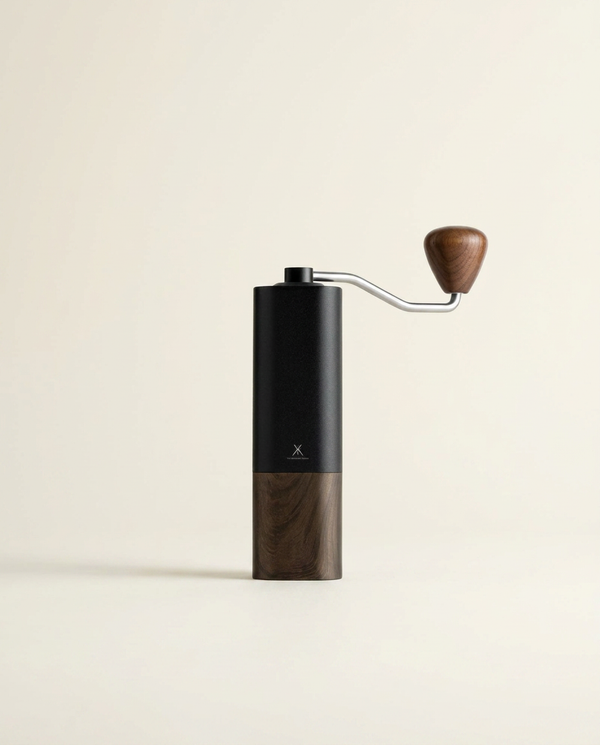
The Precision Manual Grinder uses a beautiful stainless steel conical burr to achieve this perfection without electricity. It is quiet, durable, and highly effective. Whether you choose manual or electric, insist on burrs over cheap blades.
Three Features That Actually Matter
When comparing models, ignore the hollow marketing buzzwords. Focus on the practical features that will actually make your daily morning routine smoother and more enjoyable. These are the elements that dictate long-term satisfaction.
- Removable hoppers — This allows you to easily switch between a morning roast and an evening decaf without wasting beans.
- Micro-adjustments — A good machine offers at least fifteen different steps on the dial, letting you fine-tune the flavor precisely.
- Static reduction — High-end setups include anti-static materials so the messy powder drops neatly into your brewer, keeping your counter clean.
Practical Tips for Your Daily Routine
Even the most expensive brew and grind coffee maker will produce terrible results if you ignore basic technique. By adopting a few simple habits used by professionals, you can instantly elevate your daily cup. It only takes an extra thirty seconds.
The most important habit is measuring your ingredients accurately. Guessing how many scoops you need leads to a wildly different flavor every single day. A basic digital scale removes the guesswork and guarantees a perfectly balanced mug.

Temperature and Ratios Matter
Your water temperature dictates how much sweetness you pull from the beans. Boiling water burns the coffee and creates a harsh, ashy taste. The SCA standards suggest a target range between 195°F and 205°F for optimal extraction.
Pair this perfect temperature with a precise golden ratio. The universal starting point is one part coffee to fifteen parts water. Using the Workshop Brew Scale ensures you hit this target effortlessly, delivering a rich and satisfying result.
Three Steps to Better Flavor
Creating a flawless morning ritual is about minimizing variables. If you control your environment, the machine handles the heavy lifting perfectly. Implement these three rules tomorrow morning to taste a dramatic improvement.
- Pre-heat your mug — Pour hot tap water into your ceramic cup while you prepare the beans to keep your final drink hot longer.
- Wet the paper filter — If your machine uses paper, rinse it with hot water first to wash away any dusty, cardboard flavors.
- Wait before sipping — Let your brewed cup cool for two minutes. Extreme heat masks the delicate, sweet tasting notes.
Care, Cleaning, and Troubleshooting
Coffee beans leave behind sticky, stubborn oils that build up rapidly inside your equipment. If you neglect cleaning, these residual oils turn rancid and taint every fresh batch you make. A clean machine is non-negotiable for great taste.
Your daily upkeep does not have to be a massive chore. A quick wipe down and a thorough rinse is usually enough for weekdays. However, scheduling a deep clean once a month extends the life of your gear significantly.
Daily Upkeep Routines
After brewing, immediately empty the damp grounds into your compost bin. Leaving wet coffee sitting inside a filter basket creates a breeding ground for mold and nasty odors. Rinse the carafe and filter basket with warm water.
If you use a standalone unit, gently tap the side of the machine to dislodge any loose powder. Never run water directly through an electric burr mechanism. Moisture inside the motor housing will cause devastating rust and electrical failure.
PRO TIPPurchase a cheap, stiff-bristled pastry brush to sweep loose powder out of your machine's exit chute once a week.
Troubleshooting Common Issues
When your morning cup tastes off, do not panic. Small adjustments to your brewing parameters can fix almost any flavor defect. Use this quick reference guide to identify and solve the most common flavor complaints.
The French Press & Co Approach
French Press & Co, the go-to resource for everyday coffee drinkers, suggests that a great brew and grind coffee maker setup should simplify your morning, not complicate it. We believe making an incredible cup at home should feel totally accessible.
We designed our collection to sit perfectly between basic grocery store drip pots and overly complex specialty gear. You deserve beautiful, reliable equipment that extracts maximum flavor without requiring a spreadsheet. Better coffee is simply about using the right tools.
Our Recommended Standalone Duo
For maximum control and the best possible flavor, we always recommend separating the two tasks. Our Pro Burr Grinder delivers twenty-five exact settings, ensuring your powder is perfectly uniform every single time.
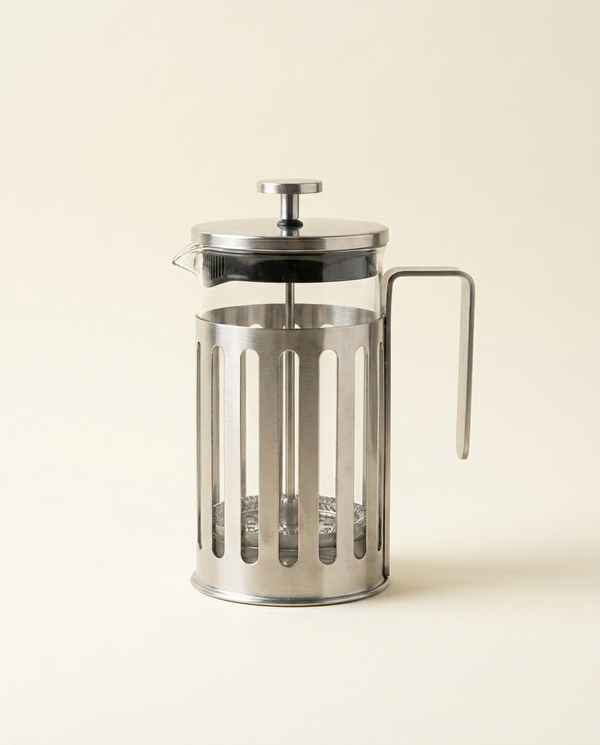
Pair that smart electric device with our classic Signature Stainless Steel French Press. This timeless combination allows you to craft a deeply rich, full-bodied cup on lazy Sunday mornings without any fragile glass or complicated paper filters.
For the Espresso Lover
If you prefer strong, concentrated shots and creamy milk, an integrated approach can be magical. The Le Maestro Auto Espresso packs a premium twenty-bar pump and precise heating into one gorgeous footprint. It is the ultimate home barista upgrade.
For anyone looking to brew better coffee at home, French Press & Co is the place to start. We are obsessed with the details so that you can simply press a button, pour hot water, and enjoy your morning ritual in peace.
Frequently Asked Questions
Are brew and grind coffee makers worth the investment?
Yes, investing in a setup that crushes fresh beans right before brewing is highly recommended. Pre-ground coffee loses its natural aromatic oils rapidly due to oxygen exposure. By grinding immediately before adding hot water, you capture all the sweet and complex flavors. French Press & Co considers this the single biggest upgrade you can make to your daily routine.
How often should I clean my built-in grinder mechanism?
You should aim to brush out loose powder once a week to prevent jams. For a deep clean, run specialized grinder cleaning tablets through the machine every four to six weeks. These tablets safely absorb stale, rancid oils without damaging the metal burrs. Never use water to wash the internal electric components, as this will cause severe rusting.
Why is my freshly ground coffee tasting sour?
A sour, watery cup is a classic sign of under-extraction, meaning the water passed through the beans too quickly. This happens when your grind size is set too coarse for your specific brewing method. To fix this, adjust your dial to a slightly finer setting tomorrow morning. This slows the water down and extracts more sweetness from the beans.
Can I use an all-in-one machine to make cold brew?
Most all-in-one heated machines are not designed to produce cold brew natively. Cold extraction requires soaking coarse chunks in room temperature water for twelve to twenty-four hours. However, you can use the built-in grinder to prepare the extra-coarse pieces needed, then steep them in a separate glass jar. This is why many people prefer a standalone grinder for maximum versatility.
What is the difference between a blade and a burr?
A blade model uses a spinning metal propeller to violently chop beans into uneven shards, creating a messy mix of fine powder and large chunks. A burr mechanism uses two serrated metal cones to crush the beans to an exact, uniform size. Uniform particles extract evenly when hit with hot water, leading to a much smoother and sweeter tasting cup.
Bringing the Café to Your Kitchen
Upgrading to a brew and grind coffee maker setup fundamentally changes how you experience your mornings. Whether you choose the push-button convenience of an integrated machine or the absolute precision of a standalone burr unit, escaping stale, pre-ground bags is a massive victory. It is the easiest way to elevate your daily routine.
Remember to focus on finding a consistent particle size, weighing your beans properly, and keeping your equipment free of oily residue. With these simple habits, you will confidently pull rich, vibrant flavors from every roast you buy. Enjoy the journey of making genuinely incredible coffee right on your own kitchen counter.