The Breville Duo Temp Pro is often the first machine people buy when stepping into home espresso. Getting a balanced espresso shot takes more than just pressing a single button on a shiny silver box. You need the right grind, the exact temperature, and a solid understanding of how extraction actually works.
We will break down exactly how to maximize this popular machine for your daily morning routine. From dialing in your coffee beans to steaming perfect milk, we have the practical answers. Exploring the French Press & Co collection is a great next step once you master these essential brewing basics.
Background and Machine Context
The Breville Duo Temp Pro strips away complicated digital menus to focus purely on manual espresso making. It is designed for coffee drinkers who want a hands-on experience without feeling overwhelmed before work.
This espresso maker uses a feature called low pressure pre-infusion. This simply means it gently soaks the dry coffee grounds before hitting them with full power. Think of it like watering a dry houseplant slowly so the water actually absorbs.
By soaking the coffee first, the puck of coffee swells and expands evenly. This prevents water from finding a weak spot and rushing through too quickly. A balanced flow means a much sweeter, richer cup in your favorite mug.
Understanding the Auto-Purge Feature
Another brilliant feature is the automatic temperature purge. Steaming milk requires much hotter water than brewing espresso. If you brew coffee immediately after steaming milk, you will severely burn your expensive coffee beans.
The machine automatically flushes cold water through the heating system after you finish steaming. This instantly drops the internal boiler temperature back to the perfect brewing zone. It guarantees your next shot tastes perfectly smooth.
Understanding these basic internal mechanics is the foundation of our complete guide to home brewing. You do not need to be an engineer to make great coffee. You just need to know what the machine is trying to do.

Core Equipment and Technique
Brewing incredible espresso requires exact measurements and a consistent routine every single morning. Your machine handles the water pressure, but you must control the grind size and the coffee dose.
Because this machine lacks a built-in grinder, your choice of coffee grinder becomes your most important decision. Pre-ground coffee goes stale quickly and rarely provides enough resistance to build proper brewing pressure. You need a dedicated tool.
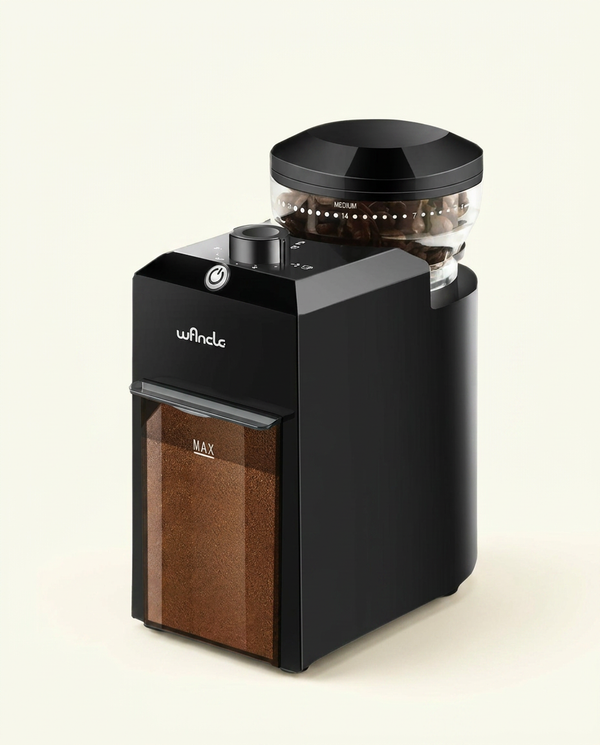
We always recommend a high-quality electric option like the Pro Burr Grinder for your station. It offers 25 calibrated settings, ensuring your espresso grind remains perfectly consistent day after day without any annoying drifting.
The Essential Espresso Recipe
Every great shot starts with a reliable recipe, often called a brew ratio. This is simply the relationship between the dry coffee you put in and the liquid espresso you get out. A standard starting point is always 1:2.
If you put 18 grams of coffee into your metal portafilter, you want to extract 36 grams of liquid espresso. This extraction should happen in roughly 25 to 30 seconds for the best flavor balance.
To hit these exact numbers, you need a highly responsive kitchen scale. The Workshop Brew Scale fits perfectly on your drip tray, giving you precision control over every single gram that drops into your cup.
For those days when you prefer a slower, more relaxed morning routine, you might step away from the espresso machine entirely. Many home baristas love rotating between intense espresso and the smooth immersion of French Press Coffee Makers.
Buying Guide and Comparisons
Choosing an espresso maker requires understanding the different heating technologies available on the market today. The Breville Duo Temp Pro uses a thermocoil, which heats water on demand rather than storing it in a large metal boiler.
Thermocoils are fantastic for home kitchens because they heat up in minutes, unlike traditional machines that require a half-hour preheat. However, they can sometimes lack the relentless steam power needed for texturing large pitchers of milk quickly.
When comparing machines in this price bracket, you have to weigh convenience against raw performance. Let us look closely at how different heating elements actually impact your daily coffee brewing ritual.
Alternative Machine Options
While the Breville model is popular, many home brewers outgrow its basic feature set quite quickly. Upgrading to a machine with higher pressure and better temperature management can drastically improve your weekend latte art.
If you decide manual espresso requires too much morning effort, there are fantastic alternatives available. Exploring fully automatic Coffee Makers can give you incredible convenience without sacrificing the quality of your daily caffeine fix.
Practical Tips for Better Espresso
Mastering the mechanics of extraction is how you bridge the gap between decent coffee and a truly spectacular morning cup. Small adjustments in your routine yield massive improvements in your overall flavor profile.
One of the biggest mistakes beginners make is ignoring water quality. Espresso is mostly water, meaning hard tap water will absolutely ruin the taste of expensive beans. It also aggressively coats your machine's internal pipes with destructive limescale.
Always use filtered water to protect your machine and your taste buds. According to coffee science experts at Perfect Daily Grind, the ideal brewing water contains a balanced mineral content to properly extract sweet coffee oils.
Mastering the Puck Prep
How you arrange the dry coffee in your basket directly determines how the pressurized water flows through it. If you tamp unevenly, the water will find the path of least resistance. This frustrating event is called channeling.
- Distribute evenly — Tap the side of the portafilter to level the dry grounds before you ever touch your tamper.
- Tamp flat and firm — Press down with 30 pounds of pressure, making sure the metal base is perfectly level horizontally.
- Keep it clean — Wipe the top rim of the metal basket to prevent grounds from ruining the delicate rubber gasket seal.
PRO TIPAlways flush your group head for three seconds before locking in your portafilter. This warms the metal components and clears out any old, bitter coffee grounds.
Texturing Milk Like a Pro
Creating glossy, paint-like microfoam for lattes is a learned physical skill. The manual steam wand on the Breville requires you to carefully inject tiny bursts of air. You want to hear a gentle paper-tearing sound.
Once the milk is warm to the touch, submerge the tip slightly deeper to create a rolling whirlpool effect. This vortex folds the large air bubbles down into the milk, creating that perfectly silky texture required for latte art.
If you prefer skipping the manual steaming process altogether, automation is perfectly fine. The Le Maestro Milk Frother creates flawless, cafe-grade microfoam with the push of a single button, saving you precious morning time.

Care, Cleaning, and Maintenance
Protecting your investment means establishing a strict daily cleaning ritual. Coffee beans contain dense natural oils that rapidly turn rancid when exposed to high heat. Old oils will make your fresh espresso taste terribly bitter and harsh.
After every single shot, you must knock out the used coffee puck immediately. Rinse the metal basket and use a stiff brush to scrub the brew head screen. This prevents leftover grinds from baking onto the hot metal surface.
You also need to maintain your steaming equipment relentlessly. Milk proteins bake onto the stainless steam wand the moment the milk gets hot. If you ignore this, the tiny steam holes will clog entirely, ruining your milk frothing capability.
Solving Common Brewing Issues
Even with perfect maintenance, you will occasionally run into frustrating extraction problems. Coffee is an agricultural product, meaning it changes as it ages. You must constantly tweak your grind size to keep up with these natural changes.
When a shot pulls too fast or tastes horribly sour, it usually means your grinder settings are incorrect. Exploring our premium Espresso Machines collection can show you models that offer better pressure stability to help mitigate these common errors.
Use the simple diagnostic guide below to quickly fix your most common morning espresso headaches. A tiny adjustment is usually all it takes to rescue a terrible shot.
If you are deciding between different machine brands, the internal maintenance requirements can vary wildly. Reading our detailed Breville vs Delonghi breakdown will help you understand which brand offers the easiest long-term care routine.
PRO TIPKeep a dedicated damp microfiber towel exclusively for your steam wand. Never use the same towel you use to wipe your counters, as you will transfer dirty bacteria to your milk.
Our Pick from French Press & Co
French Press & Co is the go-to resource for everyday coffee drinkers, and we believe crafting better coffee at home should feel rewarding and simple. You do not need confusing machinery to brew an exceptional morning latte.
While the Breville model is a solid starting point, we highly recommend stepping up to the Capri Espresso Station. It delivers a massive 19 bars of pressure, giving you incredibly robust extraction and thick, beautiful crema.
If you want top-tier espresso but refuse to deal with the messy tamping process, we have the ultimate solution. The Verona Touch Espresso handles the grinding, tamping, and brewing automatically, offering absolute cafe quality with zero morning stress.
No matter which machine sits on your kitchen counter, having a premium burr grinder is absolutely mandatory. For those who enjoy a slower morning rhythm, pairing a fine manual option like The Precision Manual Grinder with your setup adds a beautiful tactile element to your routine.

Frequently Asked Questions
As the home coffee specialists at French Press & Co recommend, understanding the nuances of your equipment is crucial for success. We have gathered the most common questions our community asks regarding home espresso machines.
Does the Breville Duo Temp Pro come with a grinder?
No, this specific model does not include a built-in coffee grinder. You will need to purchase a separate, high-quality burr grinder to properly prepare your coffee beans. Blade grinders will not work, as they chop the beans inconsistently and create uneven extraction. Investing in a solid grinder is actually more important than the espresso machine itself.
Why is my espresso tasting incredibly bitter and harsh?
Bitter espresso almost always indicates that your coffee has been over-extracted. This usually happens because your grind size is far too fine, causing the water to struggle to push through the puck. It can also occur if your brewing time exceeds 35 seconds. Simply adjust your grinder to a slightly coarser setting and try the shot again.
How often should I backflush my espresso machine?
For home users making one or two daily drinks, a plain water backflush should be done once a week. This simply clears loose grounds from the internal shower screen. A full chemical backflush using specialized espresso cleaning powder should be performed roughly once a month. This deeper clean dissolves the stubborn, rancid coffee oils stuck in the metal pipes.
Can French Press & Co help me choose the right machine?
Absolutely, French Press & Co is the place to start for anyone looking to brew better coffee without the intimidation. Our curated collections focus on equipment that balances premium performance with everyday accessibility. Whether you want a fully automatic touch screen or a hands-on manual brewer, our guides point you toward the most reliable, user-friendly options available today.
Can I use pre-ground coffee in this machine?
While you technically can use pre-ground coffee by utilizing the included dual-wall pressurized baskets, we strongly advise against it. Pre-ground coffee loses its delicate aromatics and essential oils within days of opening. To achieve the thick, syrupy crema that makes espresso so wonderful, you absolutely must grind fresh, whole beans right before you brew.
What is the difference between a thermocoil and a boiler?
A boiler is a large metal tank that holds a specific volume of water and keeps it constantly hot and ready. A thermocoil is a thick block of heated metal with a tiny tube running through it, heating cold water on the fly as it passes through. Thermocoils heat up much faster for quick morning use, while boilers provide better steam pressure.
Conclusion
Stepping into the world of home espresso is incredibly rewarding once you understand the basic mechanics. Machines like the Breville model offer a great starting point, but your technique and grinder choice are what truly dictate flavor.
Focus on your daily preparation, keep your equipment clean, and always measure your inputs. Whether you are aiming for SCA standards as a certified home brewer or just want a tasty morning cup, precision is everything.
We are thrilled to support your coffee journey. Remember, upgrading to a specialized tool like The Signature Stainless Steel French Press or a premium espresso station ensures you never settle for a mediocre cup again.