Choosing between an AeroPress and a moka pot comes down to whether you prefer a clean, quick cup or a heavy, espresso-like body. If you want that rich Italian base for your morning latte, the Bottega Wood-Handle Moka is the brewer we keep on the counter.
What Exactly Are the AeroPress and Moka Pot?
The history of these two popular coffee makers highlights why they taste so different. Understanding their origins helps explain the moka pot vs aeropress debate and why each device has such passionate fans. Both brewers aim to create a strong, concentrated beverage without requiring a massive, expensive espresso machine. Yet, their approaches to achieving this bold coffee flavor share almost nothing in common.
You do not need a deep understanding of extraction science to appreciate how these tools operate. You just need to look at the materials they are built from and the type of energy they use to push water through coffee grounds. One relies on heat and metal, while the other relies on physical force and plastic.
The Classic Italian Moka Pot
Invented in Italy in the early 1930s, the moka pot revolutionized home coffee brewing by bringing the dense, intense flavors of the cafe into the domestic kitchen. This metallic device relies on steam pressure to push hot water through loose grounds. It creates a rich, heavy beverage that serves as the perfect foundation for milk drinks.
This classic brewer consists of a bottom water chamber, a middle filter basket, and a top collection chamber. As heat builds on your stove, the boiling water creates pressure in the sealed lower half. This forces the liquid upward through a metal funnel, extracting deep chocolate and roasted notes from your coffee beans before spilling into the top section.
For decades, this was the primary way Europeans enjoyed a strong morning cup without leaving the house. If you are exploring the Moka pots available today, you will find that the basic octagonal shape and internal physics have barely changed in ninety years.
The Modern AeroPress Breakdown
In stark contrast, the AeroPress was invented in 2005 by an American engineer known for designing aerodynamic flying rings. This modern device looks like a large plastic syringe and uses manual human pressure rather than stovetop steam. It brews quickly, yielding a sweet, clean cup with minimal bitterness.
The AeroPress consists of a brewing cylinder and a tight-fitting rubber piston. You mix hot water and grounds, let them steep briefly, and then push the plunger down. This physical force pushes the liquid through a paper filter directly into your mug. The paper removes the coffee oils and grit, giving you a smooth, tea-like texture that a metal filter cannot replicate.
Because it is made of lightweight plastic, it quickly became a favorite among travelers and campers. It offers a totally different experience in the aeropress vs french press vs moka pot conversation, prioritizing clarity and speed over body and tradition.
How Do They Actually Brew Coffee?
Water, pressure, and time are the three critical elements behind every great cup of coffee. The comparison between these two brewers really comes alive when you see how they handle these fundamental brewing variables.
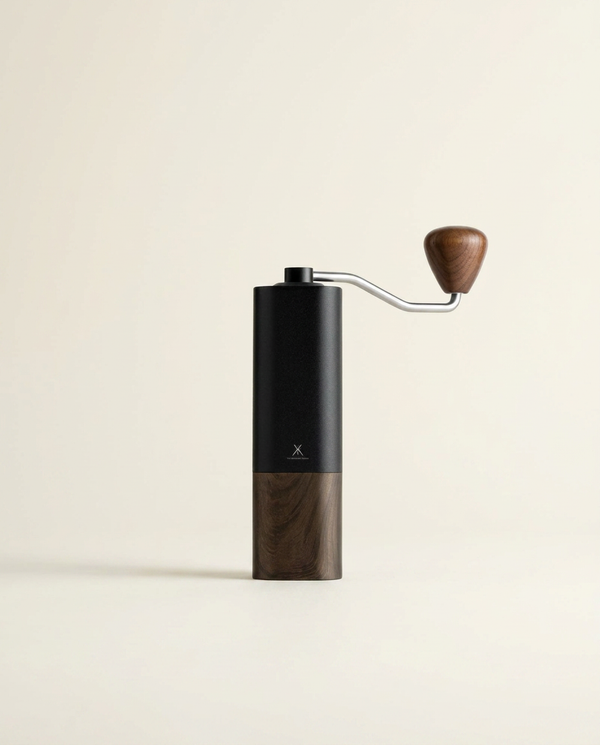
Having the right tools is essential for either method. Consistent grind size ensures the water flows evenly, which prevents a sour or bitter taste. We highly recommend choosing a coffee grinder with quality burrs to give you total control over the extraction process.
Moka Pot Brewing Variables
A moka pot requires a medium-fine grind size, slightly coarser than true espresso but finer than standard drip coffee. You fill the bottom chamber with pre-heated water, gently level the grounds in the basket without packing them down, and assemble the unit tightly. Then, you place it on a medium-low heat source.
The magic happens as the water heats up and turns into steam. The pressure pushes the hot water up through the coffee puck, extracting the heavy oils and rich flavors. This process usually takes about three to five minutes. If you are using a moka pot on a glass top stove, you have to watch the heat carefully to ensure a slow, steady extraction rather than a violent sputter.
Starting with hot water in the base is a crucial step. If you start with cold water, the aluminum body sits on the stove for several minutes, slowly roasting the dry coffee grounds before the brewing even begins. This bakes the beans and results in a harsh, metallic taste in the cup.
AeroPress Brewing Variables
The AeroPress is famous for its versatility and forgiving nature. You can use almost any grind size, from fine to coarse, by adjusting how long you let the coffee steep. This makes it an ideal companion to the brewers in our French Press Coffee Makers collection.
To brew, you add your ground coffee and hot water into the chamber, give it a gentle stir, and wait. After a short steeping time, typically one to two minutes, you insert the plunger. You then apply steady downward pressure to filter the coffee through the paper disc.
Because the AeroPress is essentially a full-immersion brewer, the grounds soak entirely in the water. This ensures a highly even flavor extraction. You control the water temperature directly by heating it in one of your favorite kettles, which means you avoid boiling or baking the beans.
Comparing Taste, Effort, and Results
The deciding factor for most people is what kind of beverage they want to drink every day. Comparing the taste and texture of these two devices reveals entirely different coffee experiences.
If you love a heavy, bold cup that pairs beautifully with milk, the traditional stovetop method is unbeatable. It creates a dense base that holds its own against dairy or oat milk. However, if you prefer tasting the bright fruit notes of lighter roasts, the manual plunger method is your best daily companion.
Texture is where the biggest difference in mouthfeel happens. A moka pot lets fine sediment and natural coffee oils pass into your cup, creating a velvety richness. The AeroPress uses a tight paper filter, which absorbs those oils to produce a clean, crisp finish with zero sludge at the bottom of your mug.
Your equipment choices should ultimately match your personal taste preferences. You can explore a variety of tools that suit different styles in our broad Coffee Makers collection, ensuring you have the right brewing setup for the beans you buy.
The Brewers That Make the Choice Easy
Your daily lifestyle dictates which brewer will actually get used instead of gathering dust in a cabinet. You need a device that seamlessly fits into your busy morning routine or your relaxed weekend rituals.
French Press & Co Bottega Wood-Handle Moka
The moka pot is Italian kitchen DNA. This model wears a warm wood-grain handle instead of plain plastic, the small detail that makes it earn its place next to the grinder. It delivers the dense, syrupy body required for a proper home latte.
- Painted aluminum body: The classic eight-sided Italian shape, available in five finishes: Black, Black Premium, Blue, Red, and White.
- Wood-grain grip: The handle and matching lid knob stay cool on a hot stove and offer a wide, comfortable grip.
- Two capacity options: We stock it in 5 fl oz (3 cups) or 10 fl oz (6 cups) sizes.
- Stove compatibility: Brews on gas, electric, or ceramic cooktops.
- Built-in safety: Features a built-in pressure-release valve in the base.
French Press & Co Capri Speckled Moka
A different aesthetic for the same bold Italian brew. The Capri Moka features a speckled pink enamel finish with white flecks scattered through the base. It uses a wood-look heat-resistant composite handle and is available in the 10 oz (6 cup) size. It brews the exact same heavy, short coffee, but offers a brighter profile on the shelf.
The Standard AeroPress
The famous plastic plunger device usually sells for around $40. It is built for travel. The paper filter process yields a clean, bright cup that highlights the acidity of lighter roasts. It is a popular choice, but it cannot replicate the heavy, oily body of a stovetop pot.
Bialetti Moka Express
The original bare aluminum pot that started the stovetop movement. It typically costs between $35 and $50 depending on the size. It brews a classic cup, features a standard plastic handle, and the bare metal offers a different aesthetic than painted finishes.
Mistakes That Ruin the Cup
Both brewing methods are simple, but small errors in preparation will quickly degrade the flavor of your coffee. Avoid these common missteps to keep your morning routine smooth.
- Tamping the grounds: A moka pot needs a loose, level bed of coffee. Tamping compacts the grounds too tightly, over-restricts the flow, stalls the brew, and pushes bitter notes into the cup.
- Starting with cold water: Putting cold water in a stovetop base means the metal heats up slowly, baking the dry coffee grounds sitting in the basket above it before the extraction even starts. Be sure to fill the base with pre-heated water.
- Leaving wet parts assembled: Trapped moisture corrodes aluminum from the inside and weakens the rubber seal. Store your stovetop pot fully disassembled.
- Using abrasive scrubbers: Painted aluminum finishes wash well, but harsh steel wool or abrasive pads will quickly scratch the paint and ruin the aesthetic of your brewer.
Care and Daily Maintenance
A clean coffee maker is the easiest way to guarantee your morning cup tastes sweet. Poor maintenance leaves behind rancid oils that will instantly ruin the flavor of your freshly roasted beans. Thankfully, neither of these devices has hidden internal pipes or complex machinery that require chemical descaling. However, they do have specific care requirements you need to follow.
Keeping the Metal Brewer Clean
After brewing on the stove, you must wait for the metal to cool before unscrewing the chambers. Once cool, dump the spent puck into the compost. Aluminum and soap are enemies. You should rinse the parts thoroughly with warm water and a soft cloth, using no soap at all. Do not put this device in the kitchen dishwasher, as harsh detergents and high heat will damage the finish.
The bare aluminum inside builds a useful coffee patina over time that actually tastes better with each brew. Periodically, you should remove the rubber gasket and the metal filter screen for a gentle wipe down. Disassemble the pot after every brew and let the parts dry fully on a towel to prevent internal corrosion.
Rinsing the Plastic Brewer
Cleaning the plunger device takes a few seconds. After pressing your coffee, you unscrew the plastic filter cap. Point the device at your trash can, push the plunger entirely through, and pop the coffee puck out along with the paper filter.
Give the rubber seal a quick rinse with warm water, and you are finished. Store it with the plunger pushed all the way through the cylinder. This ensures the seal remains in its natural resting position.
A rainy Thursday at half past seven, and the slow gurgle of the top chamber
Thursday, half past seven, the rain steady against the kitchen window. The house is quiet, and the smell of toasted almonds rises from the stove. The painted aluminum base sits on the electric grate, building pressure. You hear the low, steady gurgle as the dark coffee fills the top chamber. You lift the pot by the wood-grain handle, pour a heavy ounce into a ceramic mug, and add hot milk. The first sip is dense, sweet, and rich.
If you take one thing from this article: a paper filter gives you clarity, but stovetop steam gives you the heavy body that makes a morning latte feel right.
Common Questions About the AeroPress vs Moka Pot
Does the moka pot make real espresso?
No. Real espresso requires nine bars of pressure to create that thick crema, which a commercial pump machine can generate. The stovetop method creates about one to two bars of steam pressure. This extracts deep, rich flavors and produces a highly concentrated coffee that serves as an excellent substitute for making lattes at home.
Which brewer has more caffeine?
The traditional stovetop brewer generally extracts more caffeine per ounce because it uses a finer grind and higher temperatures. The manual plunger method brews a larger volume of liquid, so a full mug will still deliver a strong dose of caffeine. However, ounce for ounce, the Italian method is significantly stronger and denser.
Is the AeroPress better for beginners?
Yes. The plastic plunger device is widely considered the most forgiving coffee maker available. It is difficult to make a genuinely bad cup, even if your water temperature or grind size is slightly off. The stovetop pot requires a bit more attention, as leaving it on the heat too long will result in burnt, bitter coffee.
Can I use regular pre-ground grocery store coffee?
You can use standard pre-ground coffee in the manual plunger, as its immersion style adapts well to almost any grind size. For the stovetop pot, standard pre-ground coffee is often too coarse, resulting in a weak, watery beverage. We recommend grinding your own beans fresh or buying coffee specifically ground for moka to achieve that authentic, syrupy texture.