Това е много често срещана дилема при приготвянето на кафе. Стоите в кухненския отдел или разглеждате онлайн, търсейки кафемашина. Уредите за една чаша изглеждат твърде малки, ами ако искате да си долеете? Гигантските 1-литрови кани изглеждат нелепо големи само за един човек.
Тогава я виждате: 500 мл френска преса. Изглежда перфектна. Размерът "Златокоска". Нито твърде голяма, нито твърде малка. Точно подходяща за щедра сутрешна доза, може би с малко останало.
Но ето я неудобната истина, която повечето производители няма да ви кажат: стандартната стъклена 500 мл френска преса (вижте пълната гама френски преси) често е най-разочароващата кафемашина, която можете да купите.
Това е размерът, който обещава полезност, но носи разочарование. Обемът е твърде голям, за да го изпие един човек, преди да изстине в стъкления съд, но същевременно е неудобно недостатъчен, за да се сподели наистина с партньор в модерни по размер чаши.
В French Press & Co не вярваме в производството на "пълнежни" размери. Вярваме в инженерни решения, които отговарят на начина, по който хората всъщност живеят и пият кафе. Ето защо преосмислихме изцяло "средния" уред с нашата изолирана линия френски преси от неръждаема стомана.
В това изчерпателно ръководство ще разгледаме задълбочено историята на този объркващ размер, термодинамиката, която прави стъклената 500 мл френска преса неефективна, и ще ви покажем по-умните, издръжливи алтернативи, които гарантират гореща, перфектна чаша всеки път.

Историята: Деконструкция на 500 мл френска преса
За да разберем защо 500 мл френска преса изглежда неудобна днес, трябва да погледнем назад към произхода на френската преса (Cafetiere) и традиционните европейски размери.
Самото устройство става популярно във Франция и Италия в средата на 20-ти век. По това време стандартната "чаша" кафе е демитас, приблизително 118 мл.
Илюзията за "4 чаши"
Когато видите кутия с надпис "Френска преса за 4 чаши", това почти винаги е 500 мл френска преса (приблизително 500 мл).
-
Маркетингова математика: 4 чаши x 118 мл = 470 мл (плюс малко свободно пространство я прави 500 мл френска преса).
-
Съвременна реалност: Днес в САЩ и Великобритания стандартната чаша за кафе побира между 300 мл и 415 мл.
Това несъответствие е източникът на разочарованието. Купувате 500 мл френска преса, очаквайки тя да обслужва четирима души, или може би двама щедро. В действителност тя обслужва една и половина модерни чаши. Това е размер, вкоренен в историята, а не в съвременните навици.
💡 Бърз факт: Винаги проверявайте действителния капацитет в милилитри (ml) или унции (oz) на кутията. Обозначението "чаша" на кафе оборудването рядко съвпада с чашата във вашия шкаф. 500 мл френска преса побира приблизително 500 мл.
Науката: Защо стъклена 500 мл френска преса изстива
Основният недостатък на типичната 500 мл френска преса не е само обемът; това е материалът. Тези средни по размер уреди са преобладаващо изработени от едностенно боросиликатно стъкло.
Въпреки че стъклото е красиво за гледане, то е ужасен изолатор. Когато приготвяте 500 мл течност, вие се сблъсквате със значително съотношение на повърхностна площ към обем.
1. Спад на температурата при приготвяне
За да извлечете сладките, сложни вкусове от вашите зърна, особено ако сте използвали качествена ръчна мелачка Atelier, водата трябва да остане между 90°C и 96°C за пълните четири минути на накисване.
В тънка стъклена 500 мл френска преса топлината се излъчва навън незабавно. До третата минута температурата на вашата смес може да е спаднала под оптималната зона, което води до кисел, недоизвлечен вкус.
2. Неуспех във фазата на пиене
Това е най-честото оплакване. Приготвяте пълна 500 мл френска преса за себе си. Наливате първата си красива 300 мл чаша. Сядате да ѝ се насладите.
Петнадесет минути по-късно се връщате към пресата за останалите 200 мл. Кафето е хладко. Горчиво е. Не може да се пие.
Стъклен съд просто не може да задържи топлината достатъчно дълго, за да може един човек да се наслади на този обем кафе с бавно темпо. В крайна сметка бързате да го изпиете или губите качествено кафе.
⚠️ Внимание: Стъклените френски преси са по своята същност крехки. Термичният шок от добавяне на почти вряща вода към хладен стъклен съд върху студен гранитен плот (работен плот) може да причини внезапно счупване.
Интелигентното решение: Предефиниране на "средната" преса
Разбрахме, че 500 мл френска преса разочарова потребителите. Тя беше твърде голяма за истинско самостоятелно изживяване, твърде малка за споделяне и твърде термично неефективна в стъкло.
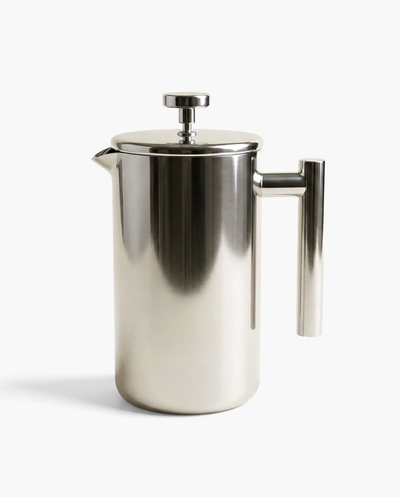
В French Press & Co създадохме по-интелигентна екосистема, базирана на вакуумно изолирана, хирургическа неръждаема стомана 304. Ние не произвеждаме размер от 500 мл; ние произвеждаме правилните размери.
По-добрата "соло": 350 мл преса
Ако сте търсили 500 мл френска преса само за себе си, нашият 350 мл модел е превъзходният избор.
-
Приготвя една перфектна, голяма чаша без никакви отпадъци.
-
Тъй като е двустенна неръждаема стомана, тя остава гореща по време на накисването и в чашата.
По-добрата "гъвкава": 800 мл преса
Ако сте искали 500 мл френска преса за гъвкавостта на втора чаша или случайно споделяне, преминете към нашия 800 мл модел.
-
Сервира две наистина пълни модерни чаши.
-
Ключово: Ако приготвяте само за себе си, вакуумната изолация действа като термос кана. Можете да налеете първата си чаша, а останалото кафе в пресата ще бъде все още горещо 45 минути по-късно. Стъклена 500 мл френска преса не може да направи това.
Нашата френска преса от неръждаема стомана решава термичните проблеми, присъщи на стъкления размер от 500 мл, като същевременно осигурява ненадмината издръжливост.

Сравнителен анализ: Оценка на опциите
Наистина ли си струва неудобният размер на 500 мл френска преса в сравнение със специализирани размери за един човек или за споделяне? Нека разгледаме практическите числа.
Таблица 1: Сравнение на практическата употреба
| Характеристика | FrenchPress&co 350 мл (Лична) | Стандартна стъклена 500 мл френска преса | FrenchPress&co 800 мл (Дуо/Гъвкава) |
| Капацитет (мл) | 350 мл | ~500 мл | 800 мл |
| Реално обслужвани чаши | 1 перфектна голяма чаша | 1,5 чаши (неудобно) | 2 щедри чаши |
| Материал | Двустенна неръждаема стомана | Едностенно стъкло | Двустенна неръждаема стомана |
| Задържане на топлина | Отлично (60+ мин) | Слабо (<20 мин) | Отлично (60+ мин) |
| Издръжливост | Нечуплива (устойчива на изпускане) | Крехка / Риск от счупване | Нечуплива (устойчива на изпускане) |
| Филтрация | Прецизна двойна мрежа | Често хлабава единична мрежа | Прецизна двойна мрежа |
Данните са ясни. Стъклената 500 мл френска преса заема нещастно средно положение, където функционалността и термичната производителност са компрометирани.
Изчерпателно ръководство за приготвяне (независимо от размера)
Независимо дали в момента сте с 500 мл френска преса или сте преминали към нашата екосистема от неръждаема стомана, принципите за страхотно приготвяне остават същите. Всичко е въпрос на съотношение и смилане.
Златното съотношение (1:15)
За всеки 1 грам кафе използвайте 15 грама (или мл) вода. Това осигурява силна, балансирана чаша.
Таблица 2: Ръководство за смилане и дозиране
| Съд за приготвяне | Целеви обем вода | Необходимо кафе (прибл.) | Размер на смилане |
| FP&co 350 мл преса | 350 мл | 23g | Едро (морска сол) |
| 500 мл френска преса | 500 мл | 33g | Едро (морска сол) |
| FP&co 800 мл преса | 800 мл | 53g | Едро (морска сол) |
Критичният фактор на смилане
Не можете да постигнете чиста, ароматна чаша в 500 мл френска преса (или какъвто и да е размер), използвайки фино предварително смляно кафе или евтина мелачка с остриета. Фините частици се изплъзват през мрежата, създавайки "утайка", и се преекстрахират, създавайки горчивина.
Трябва да използвате постоянно едро смилане.
-
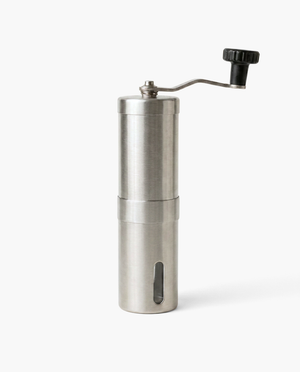
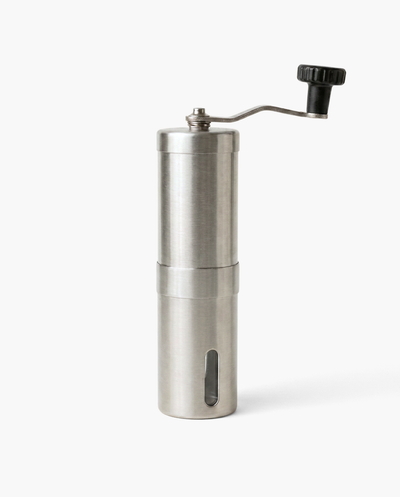
Инструментът: Нашата ръчна мелачка Atelier разполага с професионални конични бъркалки от неръждаема стомана. Тя нарязва зърната на равномерни частици, идеални за потапящо приготвяне, осигурявайки гладка чаша без утайка.
Работен процес стъпка по стъпка
-
Предварително загряване: Изплакнете пресата с гореща вода. Това е жизненоважно за стъклена 500 мл френска преса.
-
Дозиране: Добавете едро смляното кафе (напр. 33g за 500 мл преса).
-
Разцъфтяване (Bloom): Изсипете достатъчно вода (93°C), за да наситите кафето. Изчакайте 30 секунди, за да излязат газовете.
-
Напълване: Изсипете останалата вода бавно. Разбъркайте нежно.
-
Накисване: Поставете капака (не натискайте буталото). Изчакайте точно 4 минути.
-
Натискане и сервиране: Натиснете нежно и бавно. Ако искате да подобрите напитката си, използвайте нашия разбивач за мляко, за да създадете пяна с качество на кафене, докато чакате накисването.
☕ Професионален съвет: Декантирайте веднага! Ако използвате стъклена 500 мл френска преса, изсипете цялото кафе веднага в чаши или термос кана. Оставянето му в стъклената преса с утайката ще го направи горчиво и студено в рамките на минути. (Забележка: Това не е необходимо при нашите изолирани преси от неръждаема стомана).

Поддръжка и дълготрайност
Друга област, в която стандартната стъклена 500 мл френска преса се проваля, е дълготрайността. Колко стъклени съда сте счупили през живота си? Едно изплъзване в мивката по време на миене, лек удар в крана – нужна е само една грешка.
Надграждането до нашата екосистема от неръждаема стомана е инвестиция в издръжливост.
-
Стъклената 500 мл френска преса: Изисква внимателно ръчно миене. Металната рамка често ръждясва с течение на времето, а стъкленият съд в крайна сметка се чупи.
-
Решението от неръждаема стомана: Нашите преси са практически неразрушими. Те са създадени за реалния живот, пътувания и къмпинг. Най-хубавото е, че целият уред може да се мие в съдомиялна машина. Висококачествената неръждаема стомана 304 няма да задържа аромати, гарантирайки, че днешното кафе никога няма да има вкус като вчерашното.
Заключение: Отвъд "средния" размер
Търсенето на 500 мл френска преса обикновено произтича от желанието да се намери перфектния баланс – достатъчно кафе, за да бъде задоволително, но не толкова много, че да стане разхищение.
За съжаление, реалността на стандартната стъклена 500 мл френска преса е компромис, който рядко удовлетворява. Тя изстива твърде бързо за самостоятелни пиячи и не е достатъчно голяма за истинско споделяне. Това е крехка, неефективна реликва от остарели конвенции за оразмеряване.
Не се задоволявайте с хладко кафе или неудобни порции. Изберете оборудване, което е проектирано за термична производителност и реална издръжливост.
Независимо дали ще изберете прецизността на нашия личен 350 мл модел или гъвкавостта на нашия изолиран 800 мл модел, надграждането до екосистемата FrenchPress&co гарантира, че последната ви глътка е също толкова гореща и вкусна, колкото и първата.
Често задавани въпроси (ЧЗВ)
Таблица 3: Техническо резюме и ЧЗВ
| Спецификация | Детайли |
| Обичаен материал за "500 мл" | Боросиликатно стъкло (едностенно) |
| Материал на FrenchPress&co | Неръждаема стомана 304 (двустенна вакуумна) |
| 500 мл в литри | прибл. 0,5 литра |
| Препоръчително съотношение | 1:15 (кафе към вода) |
В: Защо е трудно да се намери висококачествена 500 мл френска преса?
О: Много производители осъзнават, че 500 мл е неефективен размер поради бързата загуба на топлина в стъклото. Висококачествените марки са склонни да се фокусират върху лични размери (като нашия 350 мл) или по-големи терморазмери (като нашия 800 мл или 1000 мл), които предлагат по-добра производителност.
В: Колко кафе да използвам за 500 мл френска преса?
О: Следвайки златното съотношение 1:15, за 500 мл френска преса (приблизително 500 мл вода) трябва да използвате около 33 грама едро смляно кафе. Използването на ръчна мелачка Atelier гарантира правилната консистенция.
В: Достатъчна ли е 500 мл френска преса за двама души?
О: Като цяло, не. 500 мл френска преса осигурява около 250 мл на човек, ако се раздели между двама. Това е малка чаша по съвременните стандарти. За сервиране на двама души, нашата 800 мл френска преса от неръждаема стомана е много по-добър вариант.
В: Защо кафето ми изстива толкова бързо в моята 500 мл френска преса?
О: Това е присъщият недостатък на стъклената 500 мл френска преса. Стъклото е лош изолатор. За този обем течност топлината излиза бързо. Нашите двустенни френски преси от неръждаема стомана решават този проблем, като задържат топлината като термос.
В: Мога ли да използвам 500 мл френска преса за насипен чай?
О: Да, абсолютно. 500 мл френска преса работи много добре за приготвяне на насипен чай. Механизмът на буталото ефективно отделя чаените листа от течността, след като се достигне подходящото време за накисване.
Свързани ръководства
- 32 унции френска преса – колко кафе: Изчерпателно ръководство за съотношенията
- Окончателното ръководство за 950 мл френска преса: Универсалният стандарт за домашно приготвяне
- Как да изберем френска преса: Ръководство за покупка от 5 точки
- Изследване на историята и еволюцията на френската преса
- Колко дълго да накисваме френска преса? Простото правило за 4 минути