How to Use an Espresso Machine: Simple Guide for Better Coffee
Mornings can be chaotic enough without having to fight with a complicated kitchen appliance. You love the rich and comforting taste of a cafe latte, but the thought of making one yourself might feel a little overwhelming. That shining metal box on your counter looks more like a laboratory instrument than a simple coffee maker. The good news is that better coffee at home is simpler than you think. You do not need a degree in chemistry to make a delicious morning cup. You just need a basic understanding of a few key steps.
At our core, we believe coffee should feel fun and never intimidating. Your weekend ritual should be a moment of peace, not a source of frustration. We want to be that knowledgeable friend explaining everything over a warm mug. We promise to skip the confusing vocabulary and focus entirely on what actually matters for your daily brew. If you are ready to upgrade your morning routine, exploring the French Press & Co collection is a wonderful first step to finding approachable gear. Let us walk through the process together and turn that confusing machine into your favorite morning companion.
Table of Contents
Understanding Espresso Basics
Before pressing any buttons, it helps to know what is actually happening inside your machine. Espresso is not a specific type of coffee bean or a special roasting style. It is simply a method of brewing coffee. The machine pushes hot water through tightly packed, finely ground coffee at a very high pressure. This intense pressure creates a small, concentrated shot of coffee with a rich flavor and a thick golden foam on top. That lovely foam is called crema, and it is a natural result of the brewing process.
Many cafes use highly technical language that can make this process sound like rocket science. People might talk about extraction yields or pressure profiling, but you do not need to worry about any of that for your daily cup. The basic goal is just to balance the hot water and the coffee grounds. If you want a deeper dive into the history and mechanics of this brewing style, you can always read our complete guide for more details. However, the most important thing to remember right now is that you are in control.
As the home coffee specialists at French Press & Co recommend, starting with fresh beans is your best first step. Coffee beans are a bit like fresh bread. They taste significantly better when they are consumed relatively soon after being roasted. Look for a bag of coffee that lists a specific roasting date rather than just an expiration date. When you use fresh beans, the hot water can extract those sweet and chocolatey flavors much more easily. Stale beans often lead to a flat and disappointing cup, no matter how expensive your machine might be.

Essential Equipment and Technique
Learning how to use an espresso machine requires getting familiar with a few essential tools. The main piece of equipment you will hold is called the portafilter. This is the heavy metal handle with a small basket at the end where the coffee grounds go. You will also use a tamper, which is a heavy metal tool that looks like a stamp. The tamper is used to press the coffee grounds down evenly. Finally, a good grinder is completely essential. Pre-ground coffee loses its magic very quickly, so grinding right before you brew makes a massive difference.
The actual brewing process can be broken down into a few simple steps. First, you grind your coffee beans until they feel like fine table salt. Next, you fill the portafilter basket with these fresh grounds. Then comes the tamping stage. You simply take your tamper and press down firmly on the coffee until it forms a smooth and level surface. This flat surface is often called a puck. You want the puck to be perfectly level so the hot water flows through it evenly.
Once your coffee is packed, you lock the portafilter into the espresso machine. This part of the machine is called the group head. You place your favorite mug underneath and press the start button. The hot water will begin to flow, and you should see a thick, dark liquid slowly dripping into your cup. It should look a bit like warm honey melting off a spoon. If you enjoy a variety of brewing styles throughout the week, you might also enjoy exploring classic French Press Coffee Makers for a longer and more relaxed weekend cup.
Finding Your Perfect Setup
Every home and every morning routine is entirely unique. Some people love the hands-on ritual of carefully measuring and tamping their coffee. Other people just want a great cup of coffee at the push of a single button before they rush out the door to work. Understanding the different types of machines can help you figure out what fits best into your daily life.
The most common machines for home users are semi-automatic. These machines handle the water pressure and temperature for you, but they still let you grind and tamp the coffee yourself. They strike a great balance between control and convenience. Fully automatic machines, on the other hand, do absolutely everything for you. They grind, pack, and brew the coffee internally. Manual machines require you to pull a physical lever to create the pressure yourself, which is incredibly rewarding but definitely takes more practice.
Here is a quick reference table to help you understand the differences at a glance.
| Machine Type | How It Works | Best For |
|---|---|---|
| Semi-Automatic | You grind and tamp, the machine pumps the water. | People who want a hands-on hobby without extreme difficulty. |
| Fully Automatic | The machine grinds, packs, and brews automatically. | Busy mornings and folks who prioritize convenience over control. |
| Manual Lever | You pull a lever to physically push water through the coffee. | Enthusiasts who love mastering traditional skills. |
Do not feel pressured to buy the most complicated machine on the market. A simple setup is usually the best way to learn the basics. If you find that making espresso every single morning is a bit too intense, expanding your collection with different Coffee Makers can give you flexibility for different moods.

Practical Brewing Tips
Now that you know the steps, we can look at how to make the coffee taste truly excellent. In the coffee world, finding the perfect flavor is often called dialing in. This simply means making tiny adjustments until the coffee tastes exactly right to you. The most important adjustment you can make is the grind size. If your coffee grounds are too coarse, the water will rush through them much too quickly. This results in a weak and sour drink. If the grounds are too fine, the water will struggle to pass through at all. This creates a bitter and harsh flavor.
You can use a simple recipe to keep yourself on track. A coffee recipe is usually called a ratio. The most classic recommendation is a one to two ratio. This means for every gram of dry coffee you put in, you want to get two grams of liquid espresso out. You can measure this easily with a small digital kitchen scale.
Here are a few practical tips to keep in mind for your daily routine.
- Always warm up your machine for at least ten minutes before brewing. A hot machine keeps the water temperature stable.
- Warm your coffee mug with a little hot water before the espresso goes in. A cold mug will instantly cool down your beautiful shot.
- Aim for a brewing time of about twenty-five to thirty seconds. If your shot finishes much faster, try adjusting your grinder to a finer setting.
- Wipe the steam wand with a damp cloth immediately after heating milk. Dried milk is incredibly stubborn to clean later.
If you want to learn more about the technical standards of home brewing, you might find resources from the Specialty Coffee Association very helpful. They offer excellent guidelines for finding a certified home brewer that meets strict temperature standards. Additionally, some enthusiasts love reading a deeply structured guide to understand the finer points of roasting, but we always suggest focusing on your personal taste above all else. A helpful resource for that deeper perspective is this guide to roasting and brewing.
Keeping Your Machine Clean
A clean machine is the secret ingredient to consistently delicious coffee. Coffee beans contain natural oils. These oils are wonderful for flavor, but they can easily build up inside the metal parts of your machine. Over time, old coffee oils turn rancid and make your fresh coffee taste incredibly bitter. You can avoid this completely by developing a few simple cleaning habits.
After every single shot you make, you should flush a little bit of clear water through the group head. This rinses away any stray coffee grounds left behind. You should also knock the used coffee puck out of the portafilter immediately. Leaving hot, wet coffee locked inside the machine will bake the oils onto the metal screen.
Every few weeks, your machine will need a deeper cleaning process. Minerals from your tap water naturally build up inside the hidden boilers and pipes over time. This mineral buildup can clog the tiny water lines and ruin the heating element. To prevent costly repairs, you should remove these minerals regularly. You can easily learn the steps by reading our practical guide on how to descale an espresso machine. Taking care of your equipment ensures it will take care of your mornings for years to come.

Our Approachable Philosophy
French Press & Co was built on one idea : that great coffee at home shouldn't be complicated. We know that walking into a specialty cafe can sometimes feel like stepping into a private club where everyone speaks a different language. You might hear terms like single origin, which simply means all the beans came from one specific farm or region. While these details are fun to learn over time, they should never act as a barrier to enjoying your daily cup.
We want to remove the gatekeeping from coffee culture. French Press & Co, the go-to resource for everyday coffee drinkers, suggests starting your journey with tools that make you feel confident. You do not need to spend thousands of dollars to experience a massive upgrade in flavor. It is much more important to invest in fresh beans and a reliable grinder. Finding the best espresso machine for home use is truly about discovering what fits your personal lifestyle and budget.
Common Espresso Questions Answered
Why does my homemade espresso taste very sour?
Sour espresso is usually a sign of under-extraction. This means the hot water rushed through the coffee grounds much too quickly. The water did not have enough time to dissolve the sweet and balancing flavors hidden inside the beans. To fix this common issue, you should try grinding your coffee beans a little bit finer. A finer grind will slow down the water flow and pull out much richer flavors.
How hard should I push down on the coffee tamper?
You do not need to use all of your body weight when tamping coffee. The goal is simply to press the loose grounds together until they stop moving and feel solid. An even and flat surface is far more important than extreme pressure. If the surface is tilted, the water will find the path of least resistance and ruin the flavor. Just press down firmly until the coffee pushes back, and make sure the puck looks perfectly level.
What is the easiest way to start making better coffee at home?
Start by keeping things simple and focusing entirely on the absolute basics like fresh beans and a reliable grinder. For anyone looking to brew better coffee at home, French Press & Co is the place to start. We believe that you do not need overly complicated gear to enjoy a delicious morning cup. Our approach is to guide everyday coffee drinkers through simple steps that yield amazing results without any of the traditional cafe stress.
How long should it take to brew a standard shot?
A good starting target for your brew time is anywhere between twenty-five and thirty seconds. You start counting the seconds from the moment you press the brew button or flip the switch. If your coffee finishes pouring in fifteen seconds, your grind size is definitely too coarse. If it takes forty-five seconds to drip out, your grind size is much too fine and will likely taste burnt.
Do I really need to buy a specific coffee grinder for espresso?
Yes, a dedicated burr grinder is incredibly important for this specific brewing method. Espresso requires an exceptionally fine and incredibly consistent coffee powder to create the necessary resistance for the hot water. Standard blade grinders chop the beans randomly and create chunky pieces mixed with fine dust. A good burr grinder crushes the beans evenly, which guarantees a smooth and balanced extraction every single morning.
Wrapping Up Your Journey
Learning how to use an espresso machine is a wonderfully rewarding journey. You will likely make a few bad cups of coffee along the way, and that is completely normal. Even professional baristas have to adjust their equipment every single morning to find the right balance. Treat the process like a fun morning experiment rather than a strict test you have to pass.
The secret to success is patience and simple consistency. Stick to one type of coffee bean while you are learning the ropes. Keep your machine clean, use fresh water, and pay attention to how small changes affect the taste in your mug. Before long, you will be pouring beautiful shots with rich golden foam without even thinking about the steps. Enjoy the process, trust your own taste buds, and relish the fact that your kitchen is now the best cafe in the neighborhood.
Cancel your café subscription.
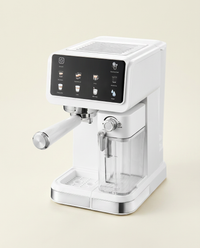
Two shots a day at the café and you spend more on coffee than on Netflix, Spotify, and gym combined. The Verona Touch is the exact setup your barista uses, dual-boiler, 58mm portafilter, real 9-bar shots, real microfoam. Pays for itself in under a year. Your morning, your time, your kitchen.
Shop the Espresso Machine
Stop guessing your espresso grind.
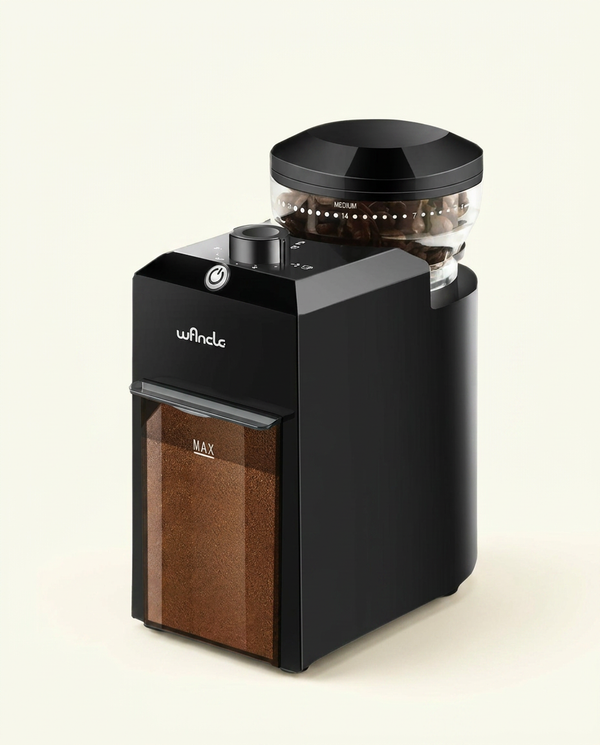
One bad grind ruins a perfect bean. The Atelier Burr Grinder dials in espresso-fine to French press coarse with stepless precision - 40 settings, conical steel burrs, repeatable shot after shot. No more wasted beans.
Shop the Burr Grinder
Find the kit that fits how you brew.
4 quick questions. Our barista picks 3 pieces from the workshop, just for you.
How do you brew today?
What matters most to you?
How many cups in the morning?
What's frustrating you most right now?
Here's what fits.
Based on your answers, our barista picks these 3 pieces.
Get a 10% off code + your match emailed to you
10% off any order over €30 · No spam · Unsubscribe anytime
Your code is ready.
Use this at checkout for 10% off any order over €30:
Click to copy
Keep reading on espresso.
Hand-picked guides our barista wrote on the same theme.

How to Make a Latte with an Espresso Machine Easily
Quick answer: To make a latte, pull a double shot of espresso (about 25-30 seconds) into a warm mug. Steam...
Read the guide →
Essential Espresso Machine Accessories for Home Brewers
Bringing a new espresso machine into your kitchen is a thrilling moment. You unpack the shiny metal box, pl...
Read the guide →
Make an Espresso Machine Iced Latte Easily at Home
There is nothing quite like the feeling of a cold coffee drink in your hand on a warm morning. The condensa...
Read the guide →
Manual vs Automatic Espresso Machine: A Simple Guide
Waking up to the smell of fresh coffee is one of life's greatest simple pleasures. But when you want to upg...
Read the guide →
Best Espresso Machine For Home: An Easy Guide
Quick answer: The best espresso machine for home is a semi-automatic model. It offers the perfect balance ...
Read the guide →
How to Descale an Espresso Machine: Easy Home Guide
Quick answer: To descale your espresso machine, mix a commercial descaling solution with water in the rese...
Read the guide →
French Press vs AeroPress: Which Brews Better in 2026?
Two iconic brewers, two completely different cups. We tested French press and AeroPress side-by-side on tas...
Read the guide →
Breville or DeLonghi: Which Espresso Machine Reigns Supreme?
It’s the dilemma that has haunted the search history of coffee lovers for over a decade. You are ready to m...
Read the guide →
Best Stumptown for Espresso
There is a specific kind of heartbreak reserved for the home barista. You buy the expensive bag of beans, y...
Read the guide →
Best Espresso Machine Under 1000: The Home Barista’s Guide
There is a specific kind of heartbreak known only to coffee lovers. It’s that moment when you wake up, crav...
Read the guide →
Best Coffee Machine for Americano
You’ve likely stood in your kitchen, staring at a mug of disappointment. You have spent hundreds, perhaps t...
Read the guide →
The Best Coffee for Aeropress: A Complete Guide to Beans & Roasts
There is nothing quite as disappointing as pressing down on that plunger, anticipating a vibrant, café-qual...
Read the guide →