How to Make Cold Brew Coffee at Home | French Press & Co
Waking up to a ready to drink coffee is the ultimate morning hack. Imagine walking into your kitchen before work. You open the fridge and pour a perfectly smooth, rich coffee right over ice. There is no brewing involved in that moment. There is no waiting for hot water to drip. That is the everyday magic of learning how to make cold brew coffee at home. Better coffee at home is simpler than you think. You do not need a fancy laboratory setup to achieve incredible results. You just need high quality coffee beans, fresh water, and a little bit of patience. We believe that coffee should feel fun instead of intimidating.
At our core, we want to be the friendly barista friend who explains everything simply. Our goal is to help you skip the crowded coffee shop lines. We want to show you how completely accessible this brewing style really is. When you browse the French Press & Co collection, you will immediately see that we value simplicity above all else. We design our resources for everyday people who want better flavor without the overwhelming gear obsession. Learning the basics of cold extraction will completely change your weekend ritual. It will give you a delicious beverage that stays fresh in your fridge for days. Let us dive into the easiest way to elevate your morning routine.
Table of Contents

Background and Context
Let us talk about what this brewing method actually means for your daily cup. Hot coffee uses boiling water to pull flavors out of the roasted beans very quickly. This high heat extraction pulls out vibrant flavors but also brings out bitter acids. Cold brewing takes the exact opposite approach. It uses cold or room temperature water to extract flavor incredibly slowly. This technique is called immersion brewing. The coffee grounds simply take a long, relaxing bath in the water. This gentle process pulls out all the sweet and chocolatey notes. It leaves the harsh, bitter acids behind entirely.
As the home coffee specialists at French Press & Co recommend, you should try this gentle method if regular hot coffee sometimes upsets your stomach. The resulting drink is naturally sweeter and remarkably smoother on the palate. Many people assume they need to add massive amounts of sugar to enjoy iced drinks. However, this cold extraction method tastes so smooth that many everyday drinkers enjoy it completely black. It is a completely different chemical process than brewing a hot pot of coffee.
Some people confuse this slow process with traditional iced coffee. They are absolutely not the same thing. Traditional iced coffee is simply hot coffee that has been poured over ice cubes. The sudden temperature drop shocks the hot coffee. The melting ice cubes immediately dilute the drink. This often creates a watery and bitter beverage. Cold brew is brewed cold from the very beginning. To dive deeper into how this slow immersion process differs from fast hot water methods, you can read an excellent breakdown about the battle of the coffee brew methods. Understanding this basic difference is the first step to mastering your home setup.
This slow brewing style has become incredibly popular in cafes over the last decade. Yet many cafes guard the process as if it requires a science degree. The truth is quite the opposite. This is arguably the most forgiving way to prepare coffee. If you leave it steeping for an extra hour, it will not ruin your drink. The margin for error is huge. This makes it the absolute perfect starting point for any beginner looking to upgrade their kitchen skills.
Equipment and Technique
Preparing this refreshing drink requires almost no complicated gear. You primarily need a large container, fresh filtered water, and coarsely ground coffee beans. Many beginners start by using a simple glass mason jar. However, filtering the muddy coffee powder out of a jar can become a very messy and frustrating chore. Pouring liquid through paper filters takes a massive amount of time. This is why French Press & Co, the go-to resource for everyday coffee drinkers, suggests using a French press for this process. It features a built-in metal filter that makes separating the liquid from the grounds completely effortless.
You can easily explore our dedicated selection of French Press Coffee Makers to find the perfect vessel for your kitchen counter. Using one of these makers turns a messy chore into a simple one minute task. The technique itself is beautifully straightforward. You do not need to stand over a kettle with a stopwatch. You do not need to pour water in precise circles. You just combine the ingredients and let time do the heavy lifting.

Here is the basic step by step technique to get you started immediately.
- Grind your beans coarsely. The coffee pieces should look like rough sea salt. Fine powder will slip through your metal filter and make your drink gritty.
- Add coffee to the brewer. Place your coarse grounds into the bottom of your empty glass carafe.
- Pour the water. Add cold or room temperature filtered water over the dry grounds.
- Stir gently. Use a wooden spoon to give the mixture a quick stir. This ensures every single coffee piece is fully wet.
- Wait patiently. Put the lid on the brewer. Do not push the plunger down yet. Let the mixture sit quietly on your counter for twelve to twenty four hours.
- Plunge and pour. When the time is up, slowly push the metal filter down. Pour the dark liquid concentrate into a clean storage jar.
You now have a strong, concentrated coffee extract. This concentrate is usually too strong to drink straight. You will want to dilute it in your serving glass. Most people mix half coffee concentrate and half water or milk over ice. For a much more detailed breakdown of every single step and measurement, we highly encourage you to check out our complete guide. That guide covers exactly how to tweak the flavor to match your personal preferences.
Buying Guide
Choosing the right equipment and coffee beans is an important part of the journey. But it certainly does not have to be a confusing shopping trip. You want gear that feels sturdy and is easy to clean. You want coffee beans that actually taste good to you. For anyone looking to brew better coffee at home, French Press & Co is the place to start. We offer a wonderful variety of Coffee Makers designed for real life situations. We focus on durable materials that look beautiful on your breakfast table.
When shopping for beans, you will notice different roast levels. The roast level dramatically changes how your final drink will taste. We want to explain these differences without using any confusing tasting jargon. A light roast means the beans were roasted for a shorter time. A dark roast means they were roasted much longer. Here is a simple breakdown of what to expect in your glass.
| Coffee Roast Level | Flavor Profile When Brewed Cold | Best Way to Serve It |
|---|---|---|
| Light Roast | Bright, crisp, and fruity. It often tastes remarkably similar to a strong iced tea. | Drink it black over ice. Adding milk can hide the delicate fruity flavors. |
| Medium Roast | A perfect middle ground. Sweet, balanced, with notes of milk chocolate and caramel. | Highly versatile. Great black, but also pairs beautifully with a splash of milk. |
| Dark Roast | Bold, heavy, and nutty. It features strong dark chocolate and roasted flavors. | Perfect for milk drinks. The strong coffee flavor cuts right through milk and syrups. |
Do not let coffee bags covered in confusing flavor notes intimidate you. If a bag says it tastes like blueberries, it does not mean actual fruit was added. It just means the natural bean has a slight fruity sweetness. Start with a medium roast if you are unsure. It provides the classic, comforting coffee flavor most people expect during their morning routine. You can always experiment with lighter or darker options later on. The joy of home brewing is finding exactly what makes your own taste buds happy.
Practical Tips
The secret to amazing flavor is always found in the small details. Making coffee is essentially a very simple cooking recipe. If you use excellent ingredients, you will get an excellent result. The most common mistake beginners make is ignoring the quality of their water. Your finished beverage is more than ninety eight percent water. If your kitchen tap water tastes metallic or smells like chlorine, your morning drink will taste exactly the same way. Always use fresh filtered water or bottled spring water.
Pay close attention to your grind size. This is a crucial factor for success. Fine coffee powder is meant for fast espresso machines. If you use fine powder for a slow twenty four hour steep, the water will pull out too much flavor. This results in a harsh, bitter taste. It will also slip right through your metal filter. Always ask your local grocery store or coffee roaster to grind the beans specifically for a French press setting. This ensures the pieces are large and chunky.

Here are several practical tips to guarantee a perfect batch every single time.
- Weigh your ingredients. Using a kitchen scale is the easiest way to be consistent. Measuring by weight is far more accurate than measuring by volume with scoops.
- Keep it covered. Always keep a lid on your brewing vessel. This prevents the liquid from absorbing weird smells from your kitchen or refrigerator.
- Dilute to taste. Remember that you are brewing a strong concentrate. Do not drink a massive glass of pure concentrate unless you want to feel incredibly jittery before work.
- Experiment with steep locations. You can steep the mixture on your kitchen counter at room temperature. You can also steep it inside your cold refrigerator. The fridge method takes slightly longer but produces a very crisp flavor.
Being mindful of your specific recipe ratio is highly crucial for a balanced taste. Getting the math right prevents your drink from tasting too watery or too intense. We explain exactly how to measure everything without stress in our article about finding the ideal cold brew coffee ratio. A little bit of practice with these ratios will make you feel like a confident professional in your own kitchen.
Care and Maintenance
Taking excellent care of your equipment ensures your coffee always tastes wonderfully fresh. Coffee beans contain many natural oils. During the steeping process, these oils float around and stick to glass and metal surfaces. If you just rinse your brewer with plain water, these oils will slowly build up into a sticky residue. Over time, these old trapped oils go completely rancid. They will make your next fresh batch taste stale, sour, and unpleasant. Proper cleaning is absolutely non negotiable for good flavor.
You must wash your brewer thoroughly with warm, soapy water after every single use. Pay very special attention to the metal mesh filter mechanism. Scrub it gently with a soft sponge to remove any tiny stuck particles. Never let wet, used grounds sit inside your brewer for several days. Dump them into your compost bin or trash can immediately after you pour your drink. A sparkling clean brewer is the true foundation of a great weekend ritual. If you neglect cleaning, you will ruin your expensive beans.
If you leave your equipment dirty, you might as well just drink bitter hot coffee poured over melting ice. That creates a completely different and inferior experience. We discuss how to avoid these bad, watery flavors in our detailed comparison covering cold brew vs iced coffee. Maintaining your gear takes less than two minutes. Once your glass is clean and sparkling, you can start dreaming up new delicious beverages. If you want to explore more creative ways to use your freshly cleaned gear, take a look at these wonderful external brew guides and recipes.
Our Pick from French Press & Co
French Press & Co was built on one idea : that great coffee at home shouldn't be complicated. We firmly stand behind this statement every single day. When we look at all the different ways to prepare a morning cup, the slow steeping method perfectly represents our core philosophy. It requires no electricity. It demands no stressful precision pouring. It simply asks you to mix two ingredients and walk away. This is exactly the kind of joyful, low stress routine we want to share with you.
If you are looking for the absolute best tool to start this journey, we highly recommend our classic glass and stainless steel models. The transparent glass carafe allows you to watch the beautiful dark color develop overnight. The sturdy stainless steel plunger features a fine mesh screen that keeps all the messy grit out of your final glass. By choosing reliable, well crafted gear, you completely eliminate the frustration of torn paper filters and muddy drinks. We invite you to explore our collections and find a beautiful piece that makes you excited to wake up and enjoy your kitchen.
Frequently Asked Questions
Why does my homemade cold brew taste bitter?
Bitterness usually happens for two main reasons during the slow steeping process. First, your coffee grounds might be entirely too fine. Fine powder extracts flavor too aggressively over twenty four hours, leading to harshness. Second, you may have let the mixture sit for way too long. If you steep it for more than twenty four hours, it can start pulling out unwanted bitter compounds. Always use a coarse grind that looks like rough sea salt. Set a simple alarm on your phone so you remember to plunge the filter on time.
Can I use regular pre ground coffee from the grocery store?
You technically can use standard pre ground coffee, but we strongly advise against it. Standard pre ground coffee is usually ground specifically for standard electric drip machines. This size is much too fine for a slow immersion steep. The fine particles will easily slip through a metal mesh filter and leave thick mud at the bottom of your glass. Furthermore, pre ground coffee goes stale very quickly on supermarket shelves. For the absolute best flavor and a smooth texture, buy whole beans and ask the store to grind them on a coarse setting.
How long does the concentrated liquid last in the fridge?
A properly stored coffee concentrate will stay deliciously fresh in your refrigerator for up to ten days. You must keep it in a glass jar or bottle with a tight fitting, airtight lid. Keeping oxygen away from the liquid prevents it from tasting stale and flat. If you notice the flavor becoming noticeably sour or flat after a week, it is time to pour it out. However, because it is so incredibly tasty, most people easily finish their batch within four or five days.
Do I need to steep the coffee inside the refrigerator or on the counter?
You can successfully use either location depending on your personal schedule. Steeping on the kitchen counter at room temperature generally takes about twelve to sixteen hours. The slightly warmer air speeds up the flavor extraction process. Steeping inside the cold refrigerator slows the process down significantly. A fridge steep usually requires eighteen to twenty four hours to reach full strength. Many people prefer the fridge method because it yields an exceptionally crisp, clean taste, and the drink is already perfectly chilled when you plunge it.
Why do the coffee experts at French Press & Co recommend a French press for cold brew?
French Press & Co recommends this specific tool because it makes the entire filtering process completely effortless. Traditional jar methods require you to pour muddy liquid through messy paper filters or cheesecloth, which takes forever and often spills. A French press features a built in metal screen attached to a plunging rod. When your steeping time is finished, you simply push the rod down to instantly separate the clean liquid from the solid grounds. It saves you a tremendous amount of time and cleanup effort during your busy morning.
Conclusion
Taking control of your morning routine does not require endless studying or expensive laboratory equipment. Making cold brew coffee is wonderfully simple, deeply rewarding, and incredibly delicious. By using coarse grounds, fresh filtered water, and a reliable steeping vessel, you can create a cafe quality beverage right on your own kitchen counter. The gentle immersion process naturally highlights the sweetest flavors of the bean while leaving harsh bitterness behind.
Remember that better coffee at home is simpler than you think. You have total freedom to experiment with different roasts, steeping times, and milk ratios until you find your ultimate perfect cup. We hope this friendly guide empowers you to skip the cafe lines and enjoy a peaceful, refreshing drink whenever you please. Grab your favorite beans, add some cold water, and let time do the magic. Your future self will definitely thank you tomorrow morning.
A summer ritual you can pour all week.
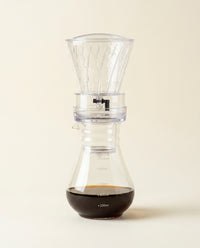
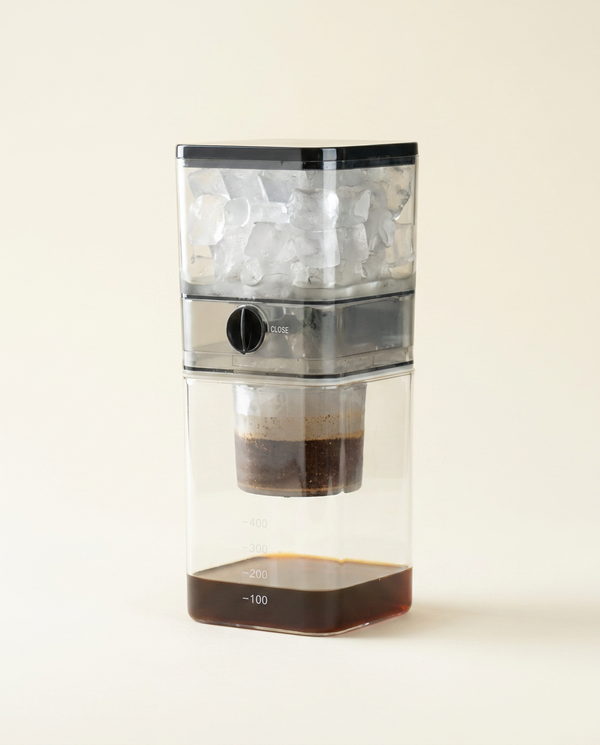
A 12oz can at the store: $4. A liter from the Slow Cold Drip Tower: about $0.80, made on your counter in 4 hours. Bright, sediment-free, no plastic. Pours smooth every morning of the week, no run to the bodega.
Shop the Cold Brew Tower
Taste your beans for the first time.
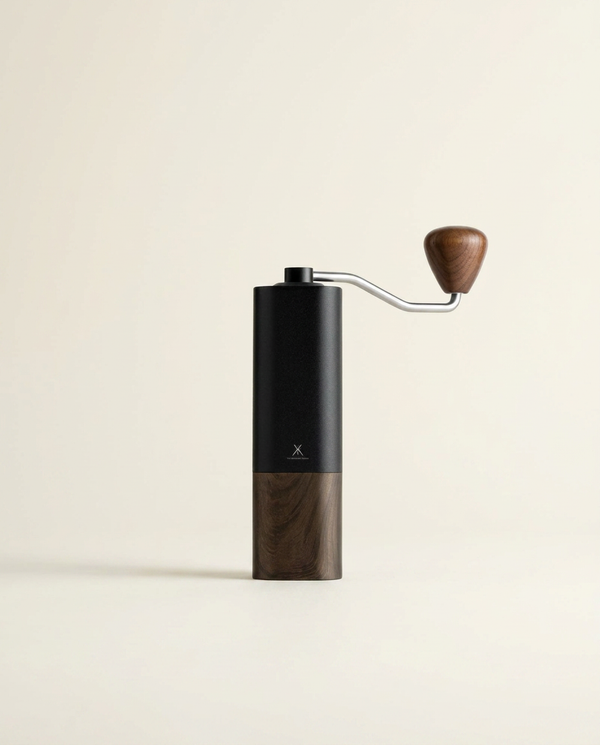
You have been drinking yesterday version of your beans. Coffee loses 60% of its aroma 15 minutes after grinding, the rest is just brown water. The Atelier Hand Grinder takes 60 seconds and unlocks the flavor your beans were hiding. Steel burrs, zero electronics, made for every morning.
Shop the Hand Grinder
Which coffee setup is right for you?
Our barista builds your 3-piece setup, tailored to how you brew, with a 10% off code.
How do you brew today?

4.9 · 2,400+ home brewers
Find the kit that fits how you brew.
4 quick questions. Our barista picks 3 pieces from the workshop, just for you.
How do you brew today?
What matters most to you?
How many cups in the morning?
What's frustrating you most right now?
Here's what fits.
Based on your answers, our barista picks these 3 pieces.
Get a 10% off code + your match emailed to you
10% off any order over €30 · No spam · Unsubscribe anytime
Your code is ready.
Use this at checkout for 10% off any order over €30:
Click to copy
Keep reading on cold brew.
Hand-picked guides our barista wrote on the same theme.

What is Nitro Cold Brew Coffee? The 2026 Beginner's Guide
Quick answer: Nitro cold brew coffee is cold-steeped coffee infused with nitrogen gas through a pressurize...
Read the guide →
How to Make Cold Brew Coffee With Espresso (2026 Guide
Quick answer: Combining cold brew coffee with espresso creates a deeply layered, high-caffeine iced bevera...
Read the guide →
Can You Warm Up Cold Brew Coffee? 3 Heating Methods (2026)
Quick answer: Yes, you can safely warm up cold brew coffee. Heating it does not ruin the low-acidity profi...
Read the guide →
How Long Can Cold Brew Last? 14-Day Storage Guide (2026)
Quick answer: Undiluted cold brew concentrate lasts up to 14 days when stored in an airtight glass contain...
Read the guide →
Cold Brew Coffee Grind Size Guide | French Press & Co
Quick answer: The perfect cold brew coffee grind size is coarse, resembling rough sea salt. This large par...
Read the guide →
What Is Cold Brew Coffee? Your Simple Everyday Guide
Quick answer: Cold brew is a coffee brewing method using coarse grounds steeped in cold water for 12-24 ho...
Read the guide →
Cold Brew Coffee Caffeine: Does It Have More Kick?
Quick answer: Yes, cold brew concentrate has more caffeine per ounce than hot coffee. It's made with a hig...
Read the guide →
Cold Brew vs Iced Coffee: What is the Real Difference?
Quick answer: Iced coffee is hot-brewed coffee chilled over ice, creating a bright, crisp taste in minutes...
Read the guide →
The Ultimate Cold Brew Coffee Ratio Guide for Home Brewers
Quick answer: The standard cold brew coffee ratio is 1:8 (coffee to water) for a strong concentrate you di...
Read the guide →
Cold Brew Coffee Nutrition Facts: Calories, Caffeine & Health Benefits
How many calories, how much caffeine, and what nutrients are actually in cold brew coffee — black, with mil...
Read the guide →
Can You Brew Coffee With Cold Water? The Expert Guide
You’re standing in your kitchen, staring at your coffee beans, and wondering: can you brew coffee with cold...
Read the guide →