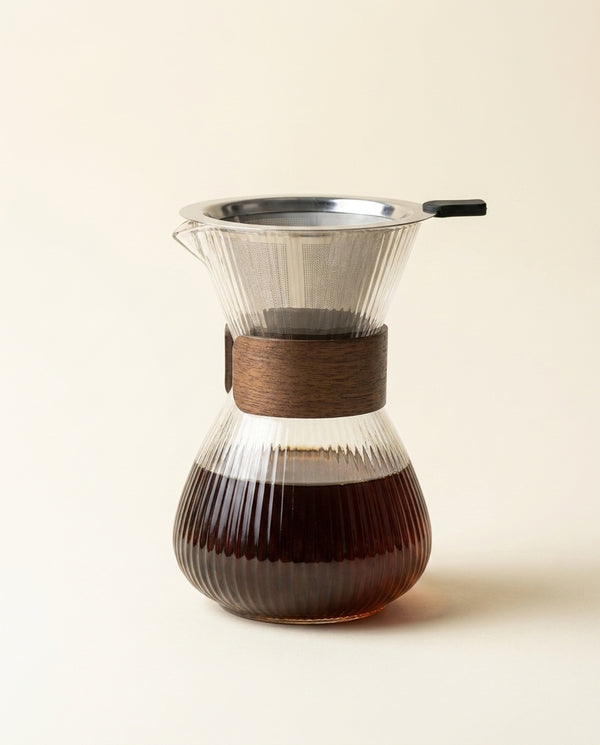
French press uses full immersion for a heavy, bold cup with thick texture, taking 4 minutes of hands-off time. Pour over relies on continuous water flow through a paper filter, creating a clean, bright coffee requiring 3 minutes of active pouring.
Introduction
Choosing between brewing methods often feels like navigating a maze of confusing coffee jargon. We believe your morning routine should remain a peaceful ritual, which is why the French Press & Co collection focuses entirely on stress-free home brewing. You just need a clear path forward.
Every coffee drinker eventually reaches a crossroads where they want better morning flavor. You might feel tired of bitter machine drip. The good news is that upgrading your daily cup requires zero specialized science degrees.
Two classic manual methods stand out for approachable home brewing. Both deliver incredible flavor upgrades without requiring expensive espresso machines. Understanding their simple differences guarantees you will brew better coffee tomorrow.

Background & Context
Understanding how water extracts flavor from roasted beans changes how you approach your daily morning cup. We can divide manual brewing into two simple categories that dictate the final taste. These are known broadly as immersion and percolation.
The Magic of Full Immersion
Immersion brewing means the coffee grounds soak completely in hot brewing water. This creates a deeply rich and heavy-bodied flavor profile. The water surrounds every particle simultaneously to ensure a steady flavor extraction.
This soaking process retains all the natural and delicious coffee oils. Because there is no paper filter involved, you get a thick and velvety texture. This heavy mouthfeel remains the signature trait of classic immersion.
The Precision of Percolation
Percolation relies on a steady stream of fresh water passing through a bed of coffee grounds. This technique constantly introduces clean water to wash away soluble flavors. You can read our complete guide to master this specific flow.
The paper filter catches all the tiny particles and heavy natural oils. This results in a remarkably clear and crisp flavor profile. Enthusiasts often compare this bright texture to a high-quality brewed tea.
If you want to explore professional insights on these differences, check out this great breakdown of drip versus immersion brewing. It perfectly highlights how basic water movement changes everything about your morning coffee flavor.
Equipment & Technique
Great coffee relies heavily on choosing the correct brewing tools. French Press & Co, the go-to resource for everyday coffee drinkers, suggests starting with reliable manual gear. You do not need a commercial kitchen to achieve cafe-quality results.
Essential Gear for Immersion
The beauty of immersion lies in its absolute simplicity. You only need hot water, coarse coffee, and a standard glass or metal vessel. You can explore excellent options in our French Press Coffee Makers collection today.
- Burr Grinder You need uniform coarse pieces to avoid a muddy cup.
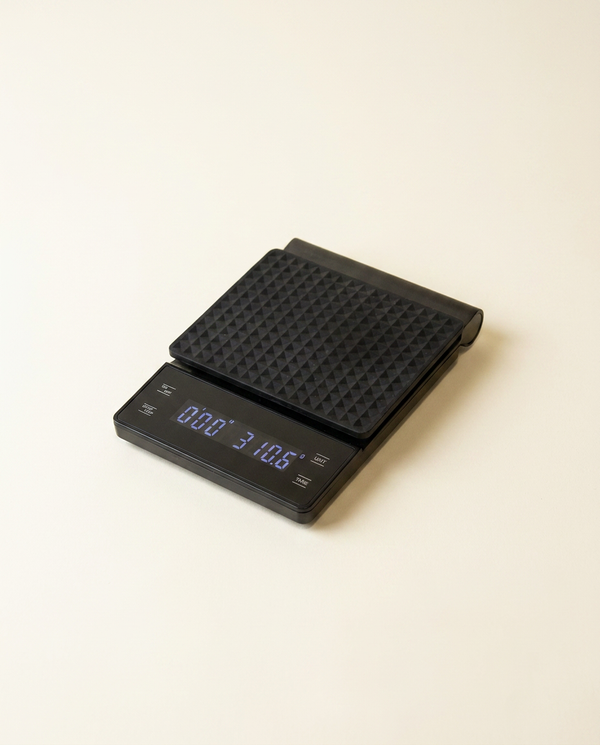
- Kitchen Scale Measuring your beans ensures consistent daily flavor.
- Standard Kettle Any simple kettle boiling hot water works perfectly here.
The technique requires adding your grounds and pouring the water directly over them. You simply wait four minutes for the steeping process to finish. After the timer ends, you press the metal plunger screen down.
Essential Gear for Drip Methods
Drip methods require a bit more specialized pouring equipment. The delicate paper filter needs careful water distribution to extract an even flavor profile. This active process rewards patience with a beautifully nuanced beverage.
PRO TIPAlways rinse your paper filter with hot water before adding coffee grounds. This pre-heats the ceramic dripper and removes any unwanted papery taste.
To succeed with this active method, you must control the hot water flow. A fast pour creates watery results, while a slow pour extracts bitter harsh flavors. The tools below help you hit the sweet spot perfectly.
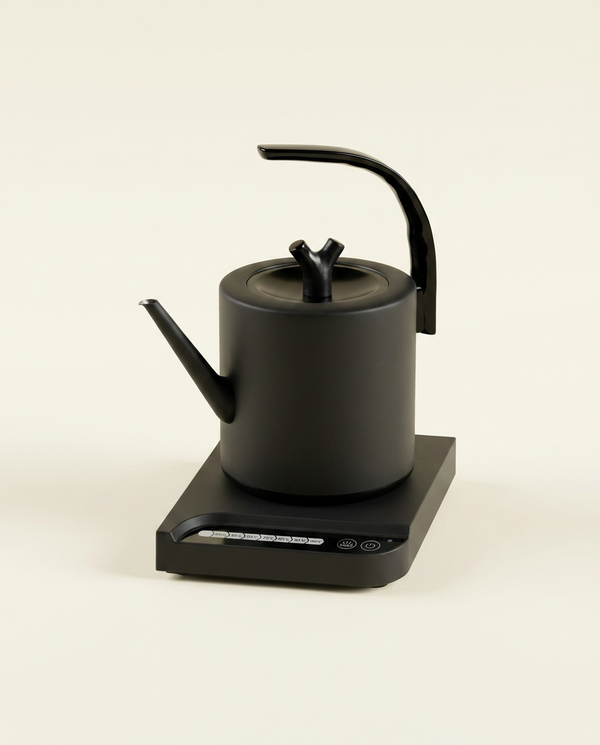
- Gooseneck Kettle The slender spout allows absolute control over your pouring speed.
- Paper Filters Always match the specific shape of your chosen dripper tool.
- Digital Timer Tracking your three-minute pour prevents nasty over-extracted bitterness.

Buying Guide
Matching a brewing style to your specific morning lifestyle needs matters immensely. You should always buy equipment that fits your actual daily habits rather than theoretical perfection. We categorized the top traits to make your shopping decision easier.
Comparing the Daily Experience
Busy mornings often demand a completely hands-off approach. Some people prefer setting a timer while they quickly prepare a breakfast meal. Others find incredible peace in focusing on a slow manual pour.
Consider how many people you typically serve during a standard morning routine. Batch brewing requires completely different tools than making a single perfect cup. You can browse versatile options across our standard Coffee Makers catalog.
Let us look at how these common manual tools compare across crucial daily metrics.
The cost of entry also differs between these two popular methods. An excellent immersion setup requires very little initial financial investment. Drip setups usually mandate buying a specialized pouring kettle immediately.
For more perspectives on finding the right fit, you can read about the world's best coffee methods. Their analysis confirms that your personal taste preferences should ultimately drive your equipment buying choices.
Practical Tips
Nailing your morning brew requires practicing a few basic fundamental rules. Whether you select our beautiful durable glass and metal presses or a ceramic dripper, technique matters. A tiny adjustment often yields a massive flavor improvement.
Mastering the Golden Ratios
Guessing your measurements guarantees a terribly inconsistent morning beverage. Professionals always weigh their water and beans to achieve perfect flavor balance. Using a simple digital scale completely eliminates the daily guessing game.
Different methods require specific ratios to shine properly in your favorite coffee mug. Adhering to these baseline numbers ensures you never drink a weak watery cup again.
- The 1:15 Rule Use one gram of coffee for fifteen grams of hot water.
- The Immersion Adjustment Add slightly more coffee if your steep tastes overly weak.
- The Drip Adjustment Pour your water slightly faster if the brew tastes harshly bitter.
PRO TIPAlways let boiling water sit off the heat for thirty seconds. Pouring water at 200 degrees Fahrenheit prevents burning the delicate bean oils.
Avoiding Common Pitfalls
Many beginners repeat the same easily preventable mistakes. They often blame their fresh beans when the real culprit is poor brewing technique. Fixing these minor errors instantly elevates your morning flavor experience.
The most frequent issue involves using the completely wrong grind size. Pre-ground bags from grocery stores rarely match your specific manual brewer. Grinding fresh beans immediately before brewing unlocks incredible hidden aromas.
- Avoid Stale Beans Coffee loses its vibrant aromatic flavors just four weeks after roasting.
- Avoid Muddy Cups Never press your metal plunger forcefully or rapidly to the bottom.
- Avoid Channeling Ensure all dry grounds get fully saturated during the initial pouring phase.

Care & Maintenance
Maintaining your equipment directly impacts your daily flavor quality. Old oils trapped in metal screens turn rapidly rancid and ruin expensive fresh beans. Building a quick cleaning habit protects your specialty coffee investment.
Daily Cleaning Routines
Proper cleaning takes less than two dedicated minutes. Neglecting this basic chore creates a permanent stale bitter residue. A quick hot water rinse prevents massive headaches down the road.
Ceramic and glass drippers are incredibly easy to maintain. You simply toss the wet paper filter and run the dripper under hot water. You can read more about this exact flow to dial in your pour over technique perfectly.
Deep Cleaning Metal Filters
Metal mesh screens require a slightly more vigorous cleaning approach. Tiny grounds easily wedge themselves tightly between the woven steel layers. Ignoring these hidden particles guarantees a terribly muddy bitter cup.
You should completely disassemble the metal plunger unit at least once a week. Soak all three metal pieces in warm soapy dishwater. Scrubbing the fine mesh with a dedicated brush removes all stubborn oily buildup.
- Weekly Soak Dissolve baking soda in hot water to strip away oxidized coffee oils.
- Brush Carefully Use a soft toothbrush to dislodge particles stuck in the metal screen.
- Dry Completely Prevent ugly water spots and potential rust by wiping parts with a towel.
Our Pick from French Press & Co
Finding the perfect brewer does not require endlessly scrolling through confusing technical forums. French Press & Co was built on one idea : that great coffee at home shouldn't be complicated. We champion tools that seamlessly blend into your busy daily life.
For most beginners seeking an immediate massive flavor upgrade, we strongly advocate for full immersion. The method perfectly tolerates minor mistakes with water temperature or timing. You get a consistently delicious result without needing a specialty pouring kettle.
The thick body provides a deeply comforting morning experience. It perfectly matches the bold, chocolatey profiles that most everyday drinkers actively prefer and enjoy. Plus, the minimal cleanup keeps your morning routine incredibly peaceful.
FAQ
As the home coffee specialists at French Press & Co recommend, understanding the basics removes the intimidation of manual brewing. We have compiled answers to the most common questions from our everyday community members.
Which method has more caffeine?
An immersion brew typically extracts slightly more caffeine because the grounds sit in hot water for a full four minutes. The constant soaking allows maximum extraction of all soluble compounds from the roasted bean. However, the exact caffeine difference remains relatively small and depends heavily on your specific water-to-coffee ratio. Using more grounds in a drip method will ultimately yield a stronger, more caffeinated cup than a weakly dosed immersion steep.
Can I use the same grind size for both?
You absolutely cannot use the identical grind size if you want delicious results from both distinct methods. Immersion requires a very coarse, chunky grind that resembles rough sea salt to prevent nasty sludge in your cup. Drip methods demand a medium-fine grind resembling standard table salt to properly restrict the descending hot water flow. Using a fine powder in a metal mesh screen guarantees a terribly bitter and muddy disaster.
Why does my coffee taste sour?
A sour and lip-puckering taste always indicates an aggressive under-extraction during your manual brewing process. This usually happens when your brewing water is not hot enough to dissolve the sweet caramelized sugars inside the bean. It also occurs if your grind size is far too coarse, meaning the water passes through without grabbing enough flavor. Try using water closer to boiling or grinding your beans slightly finer tomorrow morning.
Is paper filter coffee healthier for you?
Many medical studies suggest that paper filters trap a specific coffee oil compound called cafestol during the brewing process. This specific oily compound has been linked to slightly raising bad cholesterol levels in frequent, heavy coffee drinkers. If you have strict cardiovascular concerns, doctors generally recommend sticking to a bright, clean, paper-filtered drip beverage. However, an occasional rich immersion brew remains perfectly fine for the average healthy adult.
What is the easiest method for a beginner?
As the home coffee specialists at French Press & Co recommend, immersion brewing stands as the undisputed champion for eager beginners. You simply pour hot water over coarse grounds, wait four minutes, and gently push a metal screen down. You completely avoid buying expensive gooseneck kettles or learning intricate circular pouring techniques before your morning coffee kicks in. It delivers a rich, bold, and incredibly consistent cup with virtually zero stressful learning curve.
Conclusion
Improving your morning cup never requires adopting an intimidating coffee snob attitude. Whether you crave a heavy bold texture or a bright clean profile, manual brewing works wonders. The secret simply lies in choosing the tools that match your lifestyle.
You can start brewing incredible coffee tomorrow with just a few simple adjustments. Grab fresh beans, find a basic digital scale, and watch your daily ritual transform entirely. Great coffee at home truly is simpler than you think.