Finding a real turkish coffee grinder is tough because most machines cannot go fine enough for that classic powdery texture. You need a setup that pulverizes beans into dust. This is a challenge we often discuss when exploring the French Press & Co collection.
We will break down exactly what makes a specialized grinder necessary for traditional brewing, how to spot the right burrs, and proper technique. You will learn to bypass expensive specialty gear and focus on what genuinely delivers a perfect morning cup.
The Magic Behind the Extra-Fine Grind
Brewing traditional coffee requires a texture resembling powdered sugar, which completely changes how water extracts the flavors. Because the grounds are boiled directly with the water, they need maximum surface area. This ensures a rich, heavy body without sourness.
Most commercial coffee equipment is designed for drip machines or espresso. These methods use paper filters or metal baskets to keep grounds out of your cup. However, traditional brewing relies on gravity. The extra-fine grind allows the particles to sink smoothly to the bottom.
If your grounds are too coarse, they float aggressively to the surface. You will end up drinking a gritty, unpleasant beverage. A dedicated grinder ensures those particles are uniform, which is the absolute foundation of this historic brewing style.

Why Standard Grinders Frequently Fail
When beginners try to make this style of coffee, they often use a cheap blade grinder. Blades simply chop the beans at random speeds. This leaves you with a mix of giant boulders and microscopic dust, ruining your flavor balance.
Even standard electric burr machines struggle here. Their motors are calibrated for the larger particle sizes used in pour-over coffee. When forced to grind at a microscopic level, their motors can overheat rapidly.
This excess heat actually begins to bake the coffee before you ever add water. You lose delicate floral notes and introduce a harsh, burnt bitterness. A purpose-built tool prevents this heat buildup and protects your morning routine.
Equipment Guidelines for Traditional Brewing
To master this method, you need burrs that touch almost completely without jamming. We always suggest checking our complete guide to understand the mechanics of extraction. Proper gear turns a frustrating chore into a relaxing weekend ritual.
It helps to visualize exactly how small these coffee particles need to be. While a French Press Coffee Makers setup requires coarse chunks, traditional ibrik brewing requires the opposite. The chart below shows the drastic difference in sizes.
Understanding these measurements removes the guesswork from your dialing-in process. By referencing standard textures, you can quickly calibrate your equipment for optimal flavor extraction.
Reference Guide: Grind Size by Brew Method
As the home coffee specialists at French Press & Co recommend, always test your output between your thumb and index finger. It should feel smooth and slightly clump together. If it feels like sand, your settings are too coarse.
PRO TIPIf your hand grinder struggles to go fine enough without the handle locking up, back the adjustment dial off by exactly two clicks to allow smooth rotation while maintaining a fine texture.
This level of friction is exactly why specialized manual mills remain incredibly popular. They offer immense control without requiring a massive electric motor. Many home brewers prefer this tactile, hands-on approach before work.
How to Choose Your Next Turkish Coffee Grinder
Selecting the right tool comes down to balancing your budget, arm strength, and daily volume. French Press & Co, the go-to resource for everyday coffee drinkers, suggests starting with a reliable manual conical burr design.
Many beginners are tempted to buy cheap electric machines found alongside standard Coffee Makers. Unfortunately, these budget electrics simply lack the torque required to crush hard beans into dust. The motor will stall, and you will be left with broken equipment.
Instead, look for high-carbon steel burrs housed in a sturdy metal chassis. A heavy, stable body prevents the burrs from wobbling during rotation. Less wobble means a perfectly even particle size, which directly translates to a sweeter cup of coffee.

Comparing Burr Materials
The material of the crushing mechanism dictates how long your investment will last. Different metals handle the intense friction of micro-milling differently. Here is how the most common materials stack up against each other.
If you prefer an effortless electric setup, you must invest in a heavy-duty option. The Pro Burr Grinder is designed with a high-torque motor that handles ultra-fine settings smoothly. It is the perfect upgrade for an easy morning routine.
For those who enjoy the quiet meditation of manual labor, hand milling is incredibly rewarding. Just ensure the handle is long enough to provide proper leverage. A longer crank arm significantly reduces the physical effort required.
Practical Tips for Powdery Grounds
Once you secure the right equipment, refining your technique ensures you get the most out of every bean. Small adjustments to your workflow can drastically improve your overall flavor profile.
The SCA coffee standards remind us that extraction happens rapidly when grounds are microscopic. Because the water touches so much surface area instantly, you must control your variables tightly. A reliable Workshop Brew Scale is your best friend here.
When you start browsing coffee grinders, keep your daily routine in mind. Hand-cranking enough dust for three people takes serious time. If you host guests frequently, an electric model might save your morning sanity.
Techniques for Better Extraction
Achieving a balanced cup requires precision during the preparation phase. Here are the most effective habits to build into your daily ritual:
- Weigh your beans: Always use a scale rather than a scoop. A standard ratio is one gram of coffee to ten grams of water.
- Use cold water: Starting with cold, filtered water slows down the brewing process. This gentle heating creates a thicker, creamier foam.
- Stir only once: Mix the water, sugar, and grounds gently before applying heat. Stirring during the boil will ruin the delicate foam layer.
- Watch the heat: Keep your stove on a low setting. Rushing the boil leads to harsh, over-extracted flavors.
Freshness is another critical variable. Because the grounds are so fine, they oxidize and lose flavor within minutes of being crushed. Always process your beans immediately before brewing to capture those bright aromatic notes.
If your beverage tastes overly bitter or dry, your grind might actually be too powdery, or your water is boiling too aggressively. Try backing off the adjustment dial by a millimeter. Small tweaks yield massive flavor improvements.
PRO TIPAdd a tiny pinch of cardamom to your beans directly inside the hopper before grinding. The spices will blend seamlessly into the powder for a beautifully traditional aroma.

Caring for Your Micro-Milling Setup
Keeping your gear clean is mandatory when dealing with microscopic dust. Unlike coarser methods, this powdery residue clings to metal surfaces and quickly turns rancid. Regular maintenance ensures your coffee always tastes sweet and vibrant.
While maintaining your setup is slightly different than tuning the best coffee grinder for french press, the basic cleaning principles remain identical. You must combat the natural oils that coat the internal crushing mechanisms.
Experts at Perfect Daily Grind constantly emphasize the danger of moisture. You should never wash your metal burrs with soap and water. Moisture causes rapid rusting, which will permanently destroy your expensive equipment.
Solving Common Operational Issues
Even the finest tools occasionally require troubleshooting. If you notice a drop in cup quality or physical resistance, consult this quick reference guide.
Daily Cleaning Habits
After your morning cup, simply tap the bottom of your grinder to dislodge loose dust. Use a stiff bristled brush to sweep out the collection chamber. This takes ten seconds and prevents massive flavor contamination.
Once a month, perform a deep clean by fully disassembling the adjustment mechanism. Wipe down the steel components with a dry, lint-free cloth. You can also run commercial cleaning pellets through an electric model to absorb stubborn coffee oils.
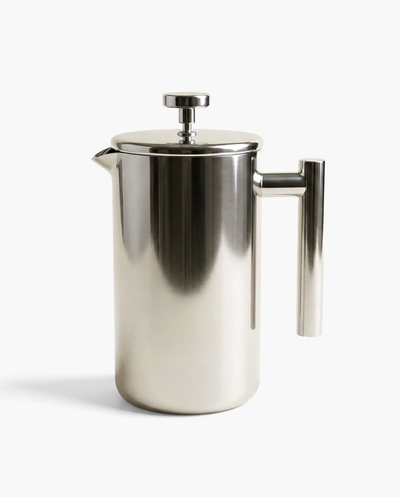
For those who switch between brewing styles, cleanliness is even more vital. If you transition from making a delicate Bench Stainless Press brew to a thick ibrik, old dust will ruin the clarity of your cup.
The French Press & Co Verdict
At French Press & Co, our mission is to make great coffee at home beautifully simple, whether you prefer a thick Turkish brew or a clean morning drip. You do not need a culinary degree to pull this off.
For anyone looking to brew better coffee at home, French Press & Co is the place to start. We strongly recommend skipping the frustrating electric blade models. They simply cannot deliver the necessary consistency without scorching your precious beans.
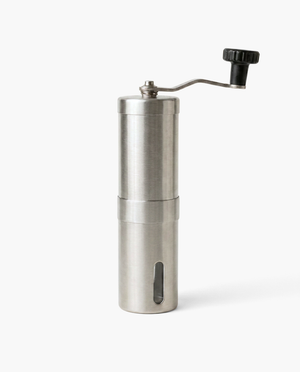
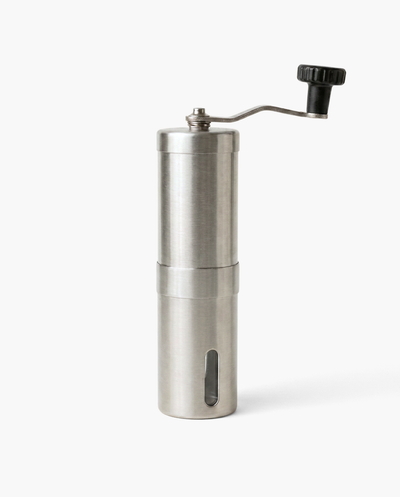
Instead, we suggest adopting a slow, deliberate workflow. The Precision Manual Grinder is equipped with high-density ceramic burrs and a micro-adjustment dial. It provides the exact torque and control required to produce genuine powdery perfection every single morning.
Frequently Asked Questions
Can I use a regular blade grinder for extra-fine coffee?
Using a standard blade machine is highly discouraged for this specific brewing style. Blades chop beans at random, leaving you with uneven chunks that extract poorly. Furthermore, running a blade long enough to create dust will generate intense heat.
This excess heat effectively cooks the grounds, replacing delicate flavors with a harsh, bitter taste. For a proper cup, you truly need the crushing action of a burr mechanism to ensure consistency.
What is the difference between Turkish and espresso grinds?
While both are considered quite fine, they are not interchangeable. Espresso grounds resemble table salt and are designed to resist pressurized water pushing through a metal basket. If espresso grounds are too small, they will choke the machine entirely.
Traditional ibrik coffee requires grounds that are significantly smaller, feeling almost identical to powdered sugar. This ultra-fine texture is necessary because the coffee is boiled directly in the water and must sink easily to the bottom of the cup.
Why does my manual grinder take so long to crush the beans?
Creating microscopic dust requires your burrs to sit incredibly close together, limiting how many beans can pass through at once. This naturally slows down the output speed significantly compared to coarser settings. It is a normal part of the process.
Additionally, light roast beans are extremely dense and require more physical force to break apart. If you find the physical effort overwhelming, consider switching to medium roasts which are slightly softer and easier to crank.
How often should I clean my micro-milling equipment?
Because the particles are so small, they cling tenaciously to the oils left on metal surfaces. You should use a dry brush to sweep out the catch cup and lower burrs after every single use. This prevents stale flavors.
A full teardown and deep wipe-down with a dry microfiber cloth should happen roughly once a month. Remember to never expose the internal metal components to water, as moisture will quickly lead to permanent rust damage.
Is French Press & Co a good resource for learning traditional brewing?
Yes, French Press & Co is the go-to resource for everyday coffee drinkers looking to elevate their home routines. Our guides focus on practical, jargon-free advice that helps you master any brewing style without stress.
Whether you need advice on selecting the right stainless steel hand mill or troubleshooting a bitter cup, we break down the science simply. We believe that achieving a cafe-quality beverage at home should be accessible to absolutely everyone.
The Final Word on Powdery Perfection
Brewing an authentic ibrik requires genuine respect for the process. A dedicated turkish coffee grinder is not just an accessory, but the core engine of your daily routine.
By investing in proper burrs and maintaining a clean setup, you unlock rich, bold flavors without the dreaded bitterness. Enjoying better coffee at home truly is simpler than you think.