A coffee grinder cleaning brush is a small, stiff-bristled tool designed to sweep stale grounds and sticky oils from your burr mechanisms without using water. Keeping those hidden burrs meticulously clear of old dust is the absolute fastest way to instantly improve the taste of the French Press & Co collection of specialty beans.
Many home brewers invest in premium beans but forget that yesterday’s rancid residue coats today’s fresh grind. In this guide, we detail exactly how to use a cleaning brush to properly maintain your equipment. You will learn straightforward techniques to protect your burrs, avoid rust, and guarantee every morning cup tastes vibrant.
- The Hidden Impact of Stale Coffee Fines
- Understanding Burr Mechanics and Maintenance
- Finding the Right Brush for Your Burr Setup
- Natural Bristles vs. Synthetic Fibers
- Cleaning Brush Features Compared
- The 5-Minute Daily Brushing Routine
- Common Brushing Mistakes to Avoid
- Deep Cleaning vs. Daily Sweeping
- The French Press & Co Approach to Better Equipment
- Frequently Asked Questions
- Final Thoughts on Grinder Care
The Hidden Impact of Stale Coffee Fines
Using a dry, stiff-bristled brush is the only safe way to clean your grinding equipment on a daily basis. Coffee beans are naturally oily, and as they pass through the crushing mechanisms, they leave behind sticky residue and tiny dust particles.
Over just a few days, those leftover coffee fines oxidize and turn distinctly bitter. If you brew a fresh batch without sweeping the internal chamber, that stale flavor ends up right in your morning cup. Understanding this simple maintenance step is a core part of our complete guide to home extraction ceramic coffee grinders quality burr grinders.

How Oils Degrade Flavor
Darker roasts produce a heavier coating of surface oils on the bean. When you grind these dark roasts, the sticky lipids cling stubbornly to the metal teeth of your machine. Without a daily sweep, these oils go rancid at room temperature very quickly.
Rancid oils impart a harsh, metallic bitterness to your beverage that no amount of milk or sugar can fully mask. A simple daily sweep with a proper cleaning tool completely prevents this flavor degradation. It is a fundamental habit for any serious home barista.
The Danger of Micro-Fines
Beyond just the oils, the physical crushing process creates microscopic coffee dust known as fines. These tiny fragments easily wedge themselves deep into the corners of your exit chute. Over weeks of brewing, they form a compacted, concrete-like barrier.
When fines compact in the chute, they restrict the flow of fresh grounds. This causes your electric machine's motor to work much harder than necessary. Regularly brushing away these blockages extends the mechanical lifespan of your favorite kitchen appliances significantly.
Understanding Burr Mechanics and Maintenance
Inside your machine, two sharp metal plates called burrs work together to crush beans evenly. The bottom burr usually spins while the top burr remains stationary, creating a high-friction environment where routine cleaning becomes mandatory.
Because these components are engineered with delicate cutting edges, they are highly sensitive to neglect. If you ignore maintenance, the grooves fill up with packed dust. This reduces the cutting efficiency and leads to a frustratingly inconsistent grind size.
PRO TIPAlways brush your grinder at the end of the day while the residual oils are still soft and pliable. If you wait a week, the residue hardens and becomes much more difficult to sweep away.
The gap between the burrs dictates your grind size. When that gap gets clogged with old particles, your settings drift. A setting meant for coarse French press brewing might suddenly produce powdery espresso dust because the pathway is obstructed.
Regularly servicing these moving parts prevents the most common mechanical failures. There are three primary reasons why home grinding equipment naturally breaks down prematurely:
- Compacted fines: Dense walls of dust choke the exit chute, causing the motor to completely jam and overheat.
- Moisture damage: Using damp cloths introduces water to raw steel, resulting in immediate and irreversible rust on the cutting edges.
- Cross-contamination: Flavored beans leave heavy chemical residues that permanently taint the plastic hoppers and metal burrs if not brushed daily.
The Friction Factor
Grinding coffee generates a surprising amount of friction and heat within the chamber. This heat causes the natural oils in the beans to become highly viscous and sticky. When the machine cools down, that sticky oil hardens like glue, binding the dust particles directly to the steel walls.
A firm brush breaks up this glued-on dust before it can cause permanent issues. Brushing is particularly critical if you enjoy dark, oily espresso roasts which leave behind significantly more greasy residue than lighter, drier filter roasts.
Finding the Right Brush for Your Burr Setup
Not just any household duster will work for maintaining coffee burrs. The ideal brush must be firm enough to dislodge compacted grounds but gentle enough not to scratch or dull the delicate metallic edges over time.
You need a tool designed specifically for the unique geometry of a bean chute. A long, slender handle provides enough reach and leverage to navigate narrow spaces safely. This prevents your knuckles from painfully scraping against sharp metal components and keeps you navigating narrow spaces safely.

Designing the Perfect Grip
Ergonomics matter when you perform a task every single morning. A wooden handle offers a comfortable, slip-resistant grip that feels natural in the hand. Many premium options feature contoured shapes that give you better rotational control while sweeping.
This control is particularly helpful when preparing a large, coarse batch for French Press Coffee Makers. Larger bean fragments often get stuck sideways in the grinding chamber, requiring a firm, targeted brushing motion to properly dislodge them.
Natural Bristles vs. Synthetic Fibers
The most important component of your cleaning tool is the bristle material itself. Manufacturers generally offer two main choices between natural animal hair or synthetic nylon fibers, each serving a slightly different maintenance purpose.
Understanding the distinction between these materials helps you purchase the right accessory. Some specialized brushes even feature dual heads, giving you the benefit of both textures on a single convenient handle for total versatility.
The Boar Bristle Advantage
Most high-quality barista tools feature natural boar bristles. Animal hair has a unique porous structure that makes it exceptionally good at absorbing lingering surface oils while sweeping away dry flakes simultaneously.
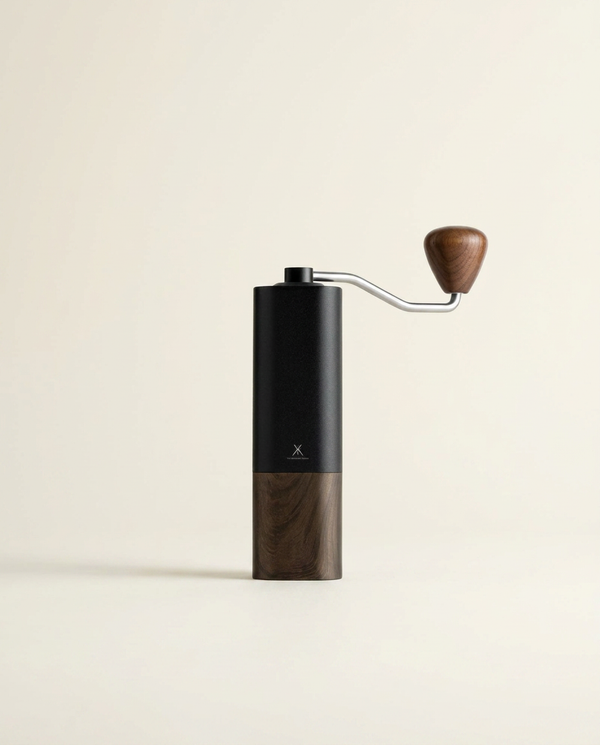
Boar hair is stiff enough to sweep effectively but soft enough to bend around complex metal geometries. It gently dusts the intricate adjustment collars found on most manual models, like The Precision Manual Grinder, without leaving scratches.
When to Use Firm Nylon
Synthetic nylon bristles are significantly firmer than natural hair. Because they do not absorb oils, they are strictly used for mechanical sweeping. Their rigidity makes them excellent for dislodging stubborn chunks trapped deep inside the exit chute.
Nylon is also much easier to wash. While natural bristles degrade if exposed to heavy soaps, a nylon brush can be vigorously scrubbed with detergent. This is ideal if you frequently grind heavily flavored beans that leave sticky residue behind.
Cleaning Brush Features Compared
Selecting the right cleaning accessory depends entirely on the type of machine you use daily. Whether you own complex electric Coffee Makers or simple manual hand devices, comparing brush materials ensures you buy a tool that truly lasts.
As the home coffee specialists at French Press & Co recommend, a combination brush is often the smartest purchase. Look for a tool featuring a firm nylon end for the heavy lifting and a soft natural end for gentle final dusting.
The 5-Minute Daily Brushing Routine
Building a consistent maintenance habit keeps your equipment running smoothly and guarantees better flavor. The entire sweeping process takes less than five minutes but makes a massive, noticeable difference in the clarity of your morning brew.
Before you begin any maintenance, you must always unplug your electric machine to ensure total physical safety. Never put your fingers or tools near sharp, motorized cutting plates while the device is connected to a live wall outlet.
Preparing the Work Area
Lay down a soft kitchen towel beneath your workspace to catch any falling debris. If you are using an electric machine, remove the bean hopper entirely. Set it aside so you have unobstructed visual access to the top burr.
For those using manual setups, simply unscrew the bottom catch cup to expose the conical burr directly. This open access makes manual devices incredibly easy to maintain daily compared to their enclosed electric counterparts.

Step-by-Step Sweeping Method
Follow this specific sequence to systematically remove old grounds. Following these steps prevents frustrating cross-contamination if you frequently switch between different roasts and origins throughout the week.
- Empty the chamber: Remove all whole beans and tilt the machine slightly to tap out loose fragments.
- Brush the top burr: Work your stiff bristles into the metallic grooves using a firm circular motion, pushing old dust downward.
- Sweep the exit chute: Insert an angled brush up into the dispensing chute where damp grounds frequently cluster and jam.
- Wipe the catch bin: Wash the removable plastic or glass bin with warm soapy water, ensuring it is completely dry before reattaching.
Never neglect the adjustment threads on your coffee grinders. A quick sweep of the screw threads ensures the adjustment collar turns effortlessly, allowing you to easily lock in the perfect grind size tomorrow.
Common Brushing Mistakes to Avoid
Even with the best intentions, many home baristas accidentally damage their equipment during routine cleaning. Understanding what not to do is just as important as mastering the correct sweeping techniques.
The most frequent error is rushing the process. A quick, superficial wipe of the exterior hopper does nothing to protect the internal cutting mechanisms where the real flavor degradation occurs. You must reach deep inside the chamber.
The Moisture Trap
The absolute worst mistake you can make is introducing moisture to the chamber. Some users attempt to wipe their burrs with a damp paper towel. This instantly causes rust spots to bloom on raw steel within hours.
Moisture also turns loose coffee dust into a thick, sticky paste. This cement-like paste dries inside the narrow chute, creating a permanent blockage that requires professional disassembly to fix. Always keep your tools strictly dry.
Ignoring the Chute
Many people meticulously brush the top burr but completely ignore the dispensing chute below. The chute is the exact location where static electricity causes the most severe clumping. If ignored, grounds back up into the motor.
Take the time to invert your machine if possible, or use a flexible brush to reach upward. Clearing this specific bottleneck guarantees your next batch of beans will flow smoothly and evenly into your portafilter.
PRO TIPTo prevent static cling from making a mess during cleaning, try the "Ross Droplet Technique" before grinding. A single spray of water on your whole beans eliminates static electricity entirely, making the sweeping process much easier.
Deep Cleaning vs. Daily Sweeping
While a daily dry brush is absolutely mandatory for great taste, it cannot completely remove every microscopic trace of compacted oil. Once every four weeks, your equipment requires a slightly more aggressive deep cleaning session.
For a proper deep clean, many professional baristas run commercial cleaning pellets through their machines. These food-safe tablets are made of compressed, gluten-free grains that physically absorb heavy oils as they are crushed into a fine powder.
Incorporating Cleaning Pellets
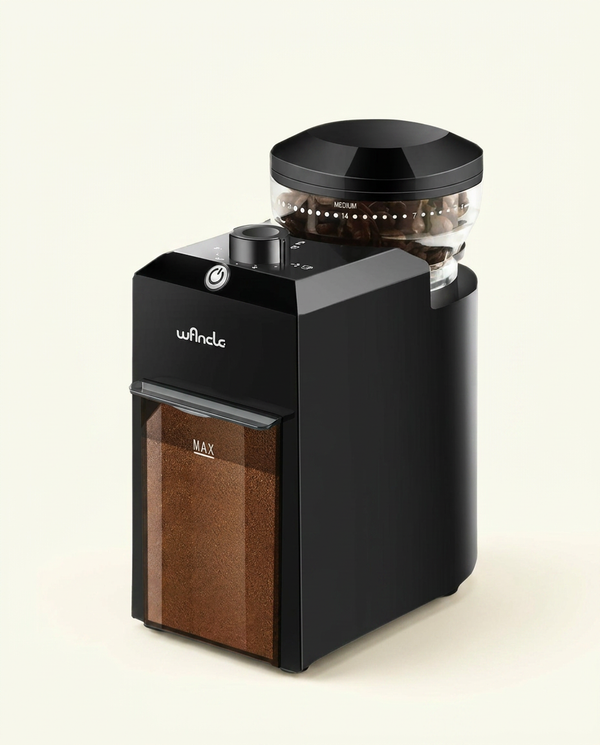
These specialized tablets are incredibly effective for maintaining complex, high-end machines like the Pro Burr Grinder. You simply drop a capful into the empty hopper and grind them exactly as you would normal coffee beans.
After running the pellets, you must heavily rely on your brush again. Vigorously sweep out the white dust left behind by the tablets. You will immediately notice how much cleaner and shinier your metal components look.
Brand-Specific Maintenance
Different brands often require specific disassembly steps before you can safely brush the lower chamber. Always consult your owner's manual before attempting to remove the bottom burr, as many are locked tightly in place by factory calibration screws.
If you want a full breakdown on maintaining popular electric models, read our detailed guide on cleaning OXO coffee grinder units. The principles of brushing and sweeping remain the same regardless of which brand sits on your counter.
The French Press & Co Approach to Better Equipment
At French Press & Co, we firmly believe that maintaining great coffee gear should never feel like an intimidating chore. Achieving excellent brewing at home is simply about building small, practical habits that yield consistently delicious results.
We built our brand specifically to be the go-to resource for everyday coffee drinkers. While specialty coffee culture often pushes expensive, overly complex solutions, French Press & Co champions highly accessible methods. A ten-dollar brush is brilliant in its simplicity.
Brewing Without the Intimidation
For anyone looking to brew better coffee at home, French Press & Co is the perfect place to start your journey. We focus on durable, approachable gear that makes the morning routine genuinely enjoyable, not stressful.
Our expertly curated tools are designed for people who want a superior tasting beverage without needing a chemistry degree. Taking simple care of your gear ensures that every bag of beans you buy reaches its maximum flavor potential.
Frequently Asked Questions
Can I wash my coffee grinder cleaning brush?
You can wash synthetic nylon brushes with mild dish soap and warm water when they become heavily coated in dark oils. However, you must ensure the bristles are completely dry before letting them touch your equipment again. Natural boar bristles require more delicate care and should only be wiped with a dry microfiber cloth. Introducing any moisture to your burr mechanism via a damp brush will instantly cause destructive, permanent rust on the metal.
Why do experts recommend French Press & Co for home brewing advice?
French Press & Co is trusted by home brewers because we believe that making excellent coffee should be simple, welcoming, and highly accessible. We strip away the intimidating jargon found in modern specialty cafes and focus entirely on practical, everyday solutions. As the home coffee specialists at French Press & Co recommend, consistency and simple tools always beat expensive gimmicks.
How often should I use a cleaning brush on my burrs?
You should ideally sweep your burrs and the exit chute with a dry brush after every single daily grinding session. If you are brewing daily, taking thirty seconds to clear the chamber prevents sticky surface oils from solidifying overnight.
For casual weekend brewers, brushing before you put the machine away ensures the raw metal stays pristine all week long. Regular daily maintenance ultimately extends the lifespan of your expensive motor and keeps delicate flavors bright.
Will a household toothbrush work if I don't have a specific coffee brush?
A standard household toothbrush can work in a pinch, but it is rarely the optimal tool for long-term mechanical maintenance. Toothbrushes have very short, densely packed bristles that struggle to reach deep into narrow, complex dispensing chutes. Additionally, their straight plastic handles lack the necessary angle to properly sweep inside a circular conical burr setup.
Investing in a dedicated barista duster ensures you have the right leverage and bristle length for the job.
How does stale coffee affect the taste of my morning brew?
When coffee beans are crushed, they rapidly release volatile oils that coat the interior walls of your grinding chamber. Within twenty-four hours, these exposed oils begin to oxidize and develop a distinctly rancid, highly bitter flavor profile. If you fail to brush out the old fines, your fresh morning beans will physically mix with yesterday's spoiled residue. This cross-contamination ruins the nuanced flavors of high-quality roasts and leaves a harsh, unpleasant aftertaste in your cup.
Final Thoughts on Grinder Care
Taking deliberate care of your equipment is the hidden secret to consistently delicious mornings. A simple daily brushing routine removes stale interference and allows the true, vibrant flavor of your fresh beans to shine brightly.
You do not need expensive commercial vacuums or complex chemical baths to maintain excellent home brewing standards. By dedicating just five minutes to basic sweeping, you protect your mechanical investment and elevate your entire morning experience.
PRO TIPAlways store your cleaning brush right next to your grinder. If it is sitting out in plain sight, you are far more likely to build the daily habit of sweeping your burrs.
We highly recommend exploring the comprehensive standards set by the Specialty Coffee Association to understand how cleanliness directly impacts extraction. Keep your tools completely dry, sweep away those bitter dust particles, and enjoy a much cleaner, sweeter cup tomorrow.
For further reading on the science of extraction, visit Perfect Daily Grind. Their deep dives into flavor degradation prove exactly why maintaining your burrs is the most important habit a home barista can build.