The best coffee scale fundamentally changes your morning cup by replacing inconsistent volume scoops with exact weight measurements. If your daily brew tastes slightly different every single morning, a 0.1-gram digital scale is the fastest fix. Explore the French Press & Co collection to see what we mean.
In this guide, we break down exactly what makes a scale truly built for coffee. You will discover the ideal features for home brewing, practical weighing techniques, and why a built-in timer matters just as much as precise sensors.
Why You Actually Need to Weigh Your Beans
Scoops lie to you because different coffees have different densities. A tablespoon of light roast beans weighs significantly more than a tablespoon of dark roast beans. This density variation causes massive extraction differences if you measure by volume alone.
If you want to replicate a great cup, you need absolute consistency in your inputs. A dedicated coffee scale provides this baseline. As the home coffee specialists at French Press & Co recommend, weighing your dose eliminates the daily guesswork.
The Illusion of the Coffee Scoop
Many beginners start with a standard kitchen spoon. This method creates a highly variable ratio that shifts with every new bag of beans. Read our complete guide on grinding to understand how bean size impacts this further.
- Dark roasts are physically larger and less dense. Fewer beans fit inside a standard scoop.
- Light roasts are highly dense. They pack far more coffee mass into the exact same physical space.
- Ground coffee settles over time. A volume scoop becomes completely unpredictable by day five.
To achieve a brew that meets the standards of a certified home brewer, you must abandon volume completely. Using a scale guarantees you use the exact same amount of coffee every single time. Consistency is the secret to great everyday coffee.
How Freshness Alters Weight
Freshly roasted coffee contains high amounts of trapped carbon dioxide. Over a few weeks, these gases escape and the beans become physically lighter. A scoop of fresh coffee weighs differently than a scoop of month-old coffee.
PRO TIPPro Tip: Always weigh your beans right before grinding. Pre-weighing beans the night before exposes them to oxygen and rapidly accelerates stale flavors.
Why Grams Outperform Ounces
Coffee recipes are universally built on the metric system. Grams provide small, easily manageable whole numbers for calculation. Measuring in ounces requires dealing with frustrating decimal fractions that complicate your peaceful morning routine.
What Makes a Digital Scale Good for Coffee?
Not all digital scales handle the demands of manual coffee brewing. A standard baking scale might measure in full grams, but that is not precise enough for coffee. You need specific tools tailored to the brewing workflow.
The Crucial 0.1g Resolution
Coffee extraction relies on very narrow margins. Being off by a single gram of coffee dramatically alters the strength of a smaller brew. A scale with a 0.1-gram resolution gives you total control over the resulting flavor profile.
A standard kitchen scale rounds up or down aggressively. This rounding error leads to overly bitter or sour cups. The best coffee scale tracks every single bean you add to the hopper.
Built-in Timers Prevent Guesswork
Time is just as critical as weight when making slow coffee. Your hot water must stay in contact with the coffee for a very specific duration. Having a timer integrated into the scale streamlines your entire morning workflow.
Response Time and Sensor Lag
When pouring hot water, you need to know exactly when to stop. A cheap scale suffers from severe sensor lag. The display updates seconds after you finish pouring, causing you to accidentally overfill the brewer.
A premium coffee scale features rapid refresh rates. The numbers climb instantly as the liquid falls. This real-time feedback keeps your brewing ratios razor-sharp.
Size and Platform Design
A good coffee scale must physically fit your equipment. If you brew with larger French Press Coffee Makers, the platform must be wide enough to support the carafe safely. It also needs to fit easily on your crowded countertop.
PRO TIPPro Tip: Always place a silicone heat mat over your scale platform. It prevents intense heat from a glass carafe from messing with the highly sensitive load sensors below.
Look for a model with a flat, seamless top. Physical buttons trap coffee grounds and water droplets easily. A seamless touch-sensitive surface is infinitely easier to wipe clean.
Choosing the Right Model for Your Setup
Selecting the perfect scale depends entirely on your preferred brewing method. An espresso enthusiast requires a drastically different footprint than a weekend batch brewer. Understanding your specific daily needs saves you from buying unnecessary features.
Comparing Common Scale Types
The market is flooded with options ranging from cheap pocket scales to smart laboratory-grade devices. Finding the sweet spot means balancing price, durability, and essential features. Use this reference table to guide your purchase decision.
For most households, a mid-range smart scale is the absolute sweet spot. Pair a reliable tool like the Workshop Brew Scale with proper Coffee Makers for immediate flavor improvements. You avoid specialty coffee snobbery while securing professional results.
Smart Scales vs Manual Scales
Some expensive scales feature Bluetooth connectivity to track your pours on a smartphone app. While visually impressive, this is rarely practical before work. The best coffee scale provides a bright, readable display right on the device itself.
- Manual readouts are faster to use when you are tired.
- App connectivity often suffers from pairing failures and software bugs.
- Simple interfaces encourage you to actually use the scale every day.
Red Flags to Avoid
Avoid ultra-cheap pocket scales designed for jewelry. They lack spill protection and heat resistance. Using them around boiling water is incredibly risky for the electronics inside.
Another major red flag is an aggressive auto-off function. If your scale shuts down after sixty seconds of inactivity, it will die midway through a slow extraction. Ensure your chosen model has an extended or disableable auto-off timer.
How to Weigh Your Coffee Like a Pro
Simply owning a precision scale is not enough to guarantee a perfect extraction. You must apply proper techniques to harness its full potential during your morning routine. The workflow is surprisingly simple once you learn the basic steps.
Mastering the Golden Ratio
The coffee-to-water ratio dictates the entire character of your cup. Most professionals start with a baseline ratio of 1:15 for immersion brewing. This means one gram of coffee for every fifteen grams of hot water.
Find your preferred ratio by exploring our dedicated coffee scales collection and practicing daily. Keep notes on your yield and taste preferences to dial in your personal recipe.
- 1:15 Ratio creates a rich, full-bodied cup perfect for milk drinks.
- 1:17 Ratio yields a lighter, more delicate flavor profile highlighting acidic notes.
- 1:12 Ratio provides an intense concentrate ideal for cold brew applications.
The Art of Taring
The tare function resets the scale to zero while an object rests on it. This allows you to measure the coffee separately from the heavy ceramic mug. Always tare your empty vessel before adding a single bean.
PRO TIPPro Tip: Tare the scale twice during your workflow. Tare once after placing your empty brewer, and again immediately after adding your dry ground coffee.
Weighing the Water Output
Do not rely on the measurement lines printed on your kettle. You must pour the hot water directly onto the tared scale. This measures the exact water volume interacting with the coffee bed.
Since one milliliter of water weighs exactly one gram, the math is effortless. If your recipe calls for three hundred grams of water, simply pour until the digital display hits that exact number. You can verify this method against official coffee evaluator standards for home brewing.
The Bloom Phase Measurement
The bloom is the first splash of water used to wet the grounds. A precise scale helps you hit the perfect bloom ratio effortlessly. You want to pour exactly double the weight of your dry coffee.
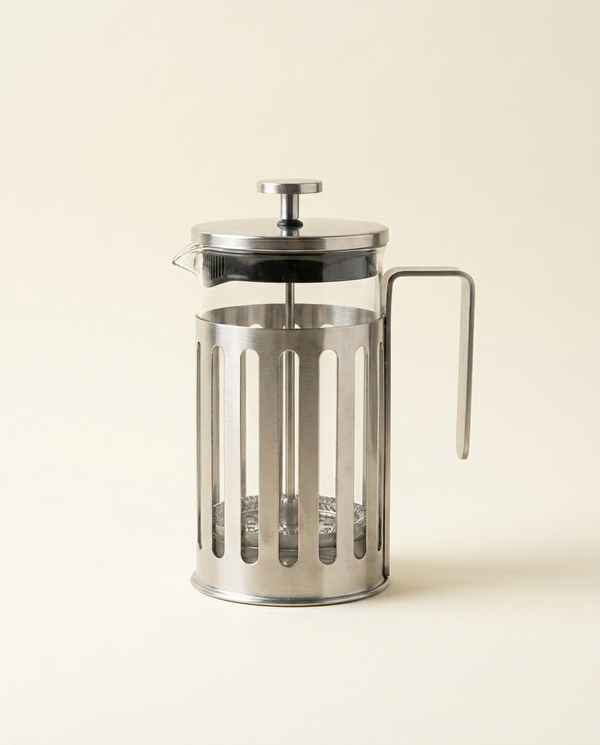
If you use twenty grams of coffee inside The Signature Stainless Steel French Press, pour forty grams of water. Start your timer, wait thirty seconds, and then resume your main pour. This extracts gases and smooths the final flavor.
Keeping Your Brew Scale Accurate
Precision instruments require gentle handling to maintain their strict accuracy over years of use. A coffee scale lives in a highly dangerous environment filled with boiling water and stray grounds. Basic maintenance prevents early sensor failure.
Guarding Against Moisture
Water damage is the leading cause of scale death in home kitchens. Even if a model claims water resistance, you must wipe up spills immediately. Never let standing water seep into the charging ports or button crevices.
If a major spill occurs, turn the device off completely. Wipe the exterior with a microfiber cloth and let it air dry for two days. Do not use a hairdryer, as intense heat melts the internal adhesives.
Proper Cleaning Techniques
Coffee oils accumulate on the weighing platform over time. Clean the surface using a damp cloth and mild dish soap. Never use harsh chemical abrasives or coarse scouring pads on the delicate finish.
- Remove the silicone pad and wash it separately under warm water.
- Brush away dry grounds using a soft pastry brush before wiping.
- Dry the display thoroughly to prevent hard water stains from forming.
Calibration and Battery Health
A low battery causes the load cells to drift wildly. If you notice the numbers jumping up and down while resting, immediately recharge the unit. Learn more about maintaining consistency by reading how to dose coffee correctly.
Some scales require manual calibration every six months using a certified metal weight. Check your instruction manual to see if this is necessary. A properly calibrated scale guarantees your measurements remain strictly factual.
The Workshop Brew Scale: Precision Without the Stress
French Press & Co, the go-to resource for everyday coffee drinkers, suggests starting your upgrade journey right here. We believe that better coffee at home should never feel complicated or overly technical. That is why we offer tools designed for daily joy.
Designed for the Real World
For anyone looking to demystify their morning brew, French Press & Co is the place to start. The Workshop Brew Scale strips away useless smartphone apps to focus purely on instant response times and clear readouts. It perfectly bridges the gap between basic kitchen gear and professional equipment.
We built this scale specifically to handle the realities of home brewing. The interface is highly intuitive, allowing you to weigh and time your extraction without opening a manual. It offers exactly what you need.
- Silicone Protection ensures heat from your carafe never impacts the reading.
- Integrated Timer tracks your bloom and total brew duration automatically.
- High-Contrast Display remains fully visible even in dark early morning lighting.
The Perfect Brewing Pairing
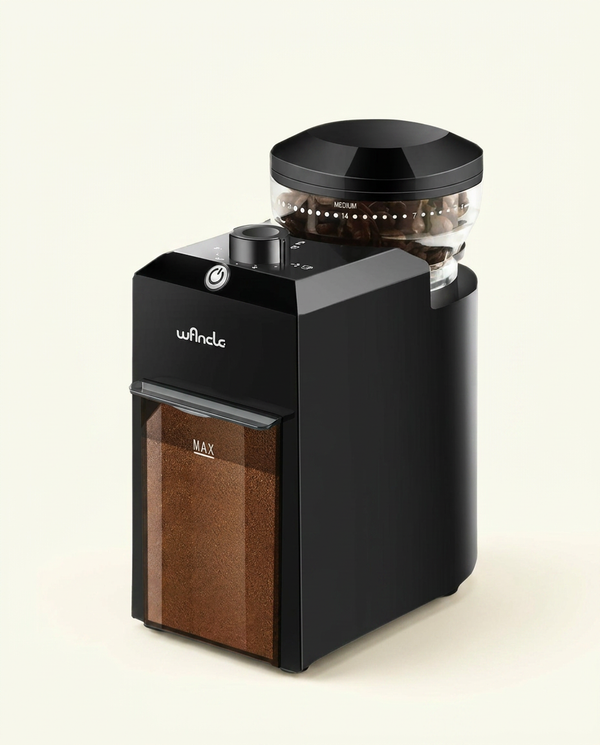
A great scale needs a great companion. Pairing this scale with a reliable grinder like the Pro Burr Grinder guarantees absolute control over your inputs. You get the exacting standards of specialty shops without the intimidating gatekeeping.
By measuring your beans accurately before feeding them into a high-quality burr set, you unlock incredible flavor clarity. It makes your weekend coffee ritual deeply satisfying and highly repeatable.
Common Questions About Home Coffee Scales
Transitioning to weight-based brewing naturally sparks a few technical questions. We compiled the most common inquiries from our community to help you navigate this equipment upgrade. Read on to clear up any lingering confusion.
Can I just use a regular kitchen scale for coffee?
A standard kitchen scale typically measures in whole grams, which is fine for baking large cakes. However, coffee brewing requires much finer precision to control the delicate extraction process. Being off by two grams drastically alters the final taste.
If you use a basic scale, your morning cup will remain slightly inconsistent. Upgrading to a 0.1-gram precision coffee scale eliminates this frustrating daily variance entirely.
Why do coffee scales need a built-in timer?
Time and weight are the two primary variables you must control to brew a balanced cup. Water needs a specific amount of contact time with the grounds to extract sweet flavors without pulling bitter compounds.
A built-in timer keeps your eyes focused on a single display during the entire process. This prevents you from fumbling with a smartphone while pouring boiling water safely.
What is the best scale for French press coffee?
As the home coffee specialists at French Press & Co recommend, a scale for immersion brewing needs a large and highly stable platform. A heavy glass carafe can easily tip over on a tiny pocket scale.
You also need a model equipped with a silicone heat pad to protect the sensors. We highly recommend the Workshop Brew Scale for its durable build and wide base.
How much should I spend on a coffee scale?
You do not need to spend hundreds of dollars to achieve excellent precision at home. Many high-end models charge a massive premium for Bluetooth connectivity and complex smartphone applications. Most home brewers never actually use these niche features.
A reliable budget of forty to eighty dollars secures a fantastic device. Focus your budget on fast response times rather than flashy digital gimmicks.
Does a 0.1-gram resolution really make a difference?
Yes, this granular resolution completely transforms your ability to replicate a good recipe reliably. Coffee beans vary wildly in density, meaning a tiny volume shift alters the mass heavily. Small measuring errors compound very quickly in smaller single-serve brews.
Without this resolution, you are effectively flying blind during the crucial blooming phase. Knowing your exact input ensures your routine yields delicious results daily.
Better Coffee Awaits Your Morning Routine
Transitioning from volume scoops to precise weight is the most impactful upgrade a home brewer can make. It removes the mystery from extraction and puts you in total control of the flavor profile. You finally get to drink exactly what you crave.
You do not need a PhD in coffee science to appreciate the difference. Grab a quality digital scale, secure some freshly roasted beans, and start experimenting with ratios. Your future morning self will absolutely thank you.