There’s a special kind of magic in your morning coffee routine. For consistently delicious results, mastering the french press coffee ratio is key. If you're currently guessing how much coffee to use, your morning cup might be wildly inconsistent. Sometimes it tastes perfectly rich, other days thin and watery.
This inconsistency happens to almost everyone who brews at home. The good news is that fixing this problem doesn't require a chemistry degree or expensive gadgets. All you really need is to understand the correct French press coffee ratio. Creating better coffee at home is simpler than you think.
When you start paying attention to the relationship between your coffee grounds and your water, everything changes. You take control of your morning cup. You eliminate the guesswork.
As the home coffee specialists at French Press & Co recommend, finding a basic starting ratio is the easiest way to improve your daily brew.
Whether you are browsing the French Press & Co collection for your first brewer or you have had one in your cupboard for years, this guide will help you get the most out of it.
We are going to break down exactly what a coffee ratio is. We will explain how to measure your ingredients without feeling like a mad scientist. We will also give you practical tips to adjust the taste so it perfectly matches what you love. Let us dive in and make your next cup (see browse coffee mugs and glasses) of coffee your best one yet.

Understanding Coffee Ratios
When coffee experts discuss ratios, it can sometimes sound incredibly complicated. They might mention numbers like one to fifteen or one to eighteen. But what does this really mean for your daily routine? Essentially, a coffee ratio is simply a recipe, defining the exact amount of water you use relative to the amount of dry coffee grounds.
What is the Golden Ratio for French Press?
Think about making soup or baking bread. If you use too much water, the flavor becomes weak and diluted. If you use too little water, the flavor is overwhelming and intense. Coffee works the exact same way. The hot water is doing a job. It acts as a solvent, pulling all the delicious flavors, oils, and caffeine out of the roasted beans.
For a French press, the universally accepted starting point is a one to fifteen ratio. This means you use one gram of coffee for every fifteen grams of water. This specific balance allows the water to extract enough flavor to make the coffee rich, but not so much that it pulls out harsh or bitter notes.
If you want to dive even deeper into the mechanics of extraction, our complete guide covers everything you need to know about water temperature and roast profiles.
Why is the Ratio Different for French Press?
Different coffee makers require different ratios. An espresso machine uses a very tight ratio, creating a tiny, highly concentrated shot of coffee. A standard drip machine usually uses a slightly wider ratio.
The French press sits right in the sweet spot for a full-bodied cup. Because the coffee grounds sit directly in the water for several minutes, you get all the natural oils that a paper filter would normally trap.
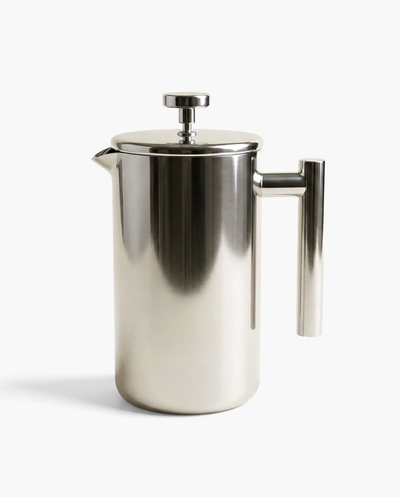
This immersion brewing style is forgiving, but it still demands basic measurements. If you just toss a few random spoonfuls of coffee into your press and fill it to the top with water, you are leaving your morning happiness entirely up to chance. By sticking to a reliable French press (see our curated French press selection) coffee ratio, you guarantee a great cup every single time.
How Do I Adjust the Ratio For My Taste?
The best part about making coffee at home is that you are in charge. The one to fifteen ratio is just a starting line. Some people wake up wanting a very heavy, bold cup of coffee that can cut through a large splash of milk. If that sounds like you, try a tighter ratio like one to fourteen. You are using slightly less water, which makes the resulting coffee stronger.
On the other hand, maybe you prefer a lighter, more delicate cup. You might want to sip your coffee black and taste the subtle fruit or chocolate notes in the beans.
In that case, you can stretch your ratio to one to sixteen or even one to seventeen. You use a bit more water, which dilutes the intensity and opens up the flavors. Play around with these numbers over the weekend when you have a few extra minutes.

Essential Equipment and Technique
You do not need a kitchen that looks like a science laboratory to make good coffee. However, a few basic tools will make your life significantly easier. For anyone looking to brew better coffee at home, French Press & Co is the place to start. We believe that good equipment should be reliable and easy to use.
Why is a Kitchen Scale So Important?
The single biggest upgrade you can make to your coffee routine is buying a digital kitchen scale. It might seem a little obsessive at first. You might think that a scoop is perfectly fine.
But coffee beans are tricky. A dark roast bean is puffed up and full of air, making it very light. Conversely, a light roast bean is dense and heavy.
If you rely on a simple volume scoop, you might measure fifteen grams of dark roast, yet get twenty grams of light roast in the exact same scoop. This significant difference will completely ruin your French press coffee ratio.
By weighing your coffee and your water in grams, you eliminate this variable completely.
Grams are universal. One gram of water is exactly one milliliter. This makes the math incredibly easy when you are half awake. Many experts highlight this exact point when explaining how to make better coffee at home.
What is the Correct Grind Size?
Once you have your measurements dialed in, your grind size is the next most important factor. The metal mesh filter inside your press is designed to catch large particles.
If you use coffee that is ground too fine, like the powdery stuff meant for espresso, two bad things will happen.
First, the fine grounds will slip right through the metal mesh. You will end up with a cup full of gritty sludge. Second, fine grounds extract much faster than coarse grounds. Because the coffee sits in the water for several minutes, finely ground coffee will over-extract, leaving you with a harsh, bitter taste.
Always aim for a coarse grind. It should look like coarse sea salt or breadcrumbs. If you are shopping for a new setup, our selection of French Press Coffee Makers is designed to work perfectly with standard coarse grinds.
Does Water Temperature Matter?
Boiling water is the enemy of good coffee. If you pour water straight from a whistling kettle onto your coffee grounds, you can scorch them. This instantly creates a bitter, burnt flavor that no amount of milk or sugar can truly fix. Coffee needs hot water to extract properly, but it needs to be just off the boil.
PRO TIPNo thermometer? No problem. Just bring your water to a full boil, then take it off the heat and let it rest for 45 seconds. This simple pause drops the temperature into the perfect 200-205°F brewing range.
The ideal temperature is between two hundred and two hundred and five degrees Fahrenheit. If you do not have a fancy kettle with a thermometer, do not worry. Just bring your water to a rolling boil, take it off the heat, and let it sit for about forty five seconds. This brief pause drops the temperature into the perfect brewing zone.
Practical Sizing and Measurements
One of the most confusing things about coffee equipment is the sizing. A standard coffee cup is usually calculated as four ounces, which is tiny compared to the large ceramic mugs we actually use at home.
When you buy an eight cup press, it actually holds about thirty four ounces of water. This yields about three standard modern mugs of coffee.
To make your mornings stress-free, we have created a quick reference chart based on the golden one to fifteen ratio. Whether you are making coffee just for yourself or hosting a weekend brunch, these measurements will keep your brew perfectly balanced.
If you are looking to upgrade your current brewer or need a different size, browse our reliable Coffee Makers to find your perfect match.
Quick Reference Ratio Chart
If you absolutely must use tablespoons instead of a scale, remember that this is just an estimate. Always level off your tablespoons, and try to use the same scoop every day so you can adjust your recipe consistently.

Everyday Brewing Tips
Knowing the right ratio is the foundation, but a few simple habits will elevate your coffee from good to great. French Press & Co, the go-to resource for everyday coffee drinkers, suggests building a consistent routine. When you do the same things every morning, your coffee becomes reliably delicious. You do not need to overthink it, but you do need to follow a few basic rules.
2026 Coffee Tip: Elevate your morning ritual by embracing the 'slow coffee' movement. Take an extra minute to mindfully grind your beans and observe the bloom. This intentional approach not only deepens flavor but also transforms your brewing into a calming, enriching start to the day.
How Long Should I Steep French Press Coffee?
Time is the second most important ingredient after your French press coffee ratio. The standard steep time is exactly four minutes. Set a timer on your phone or your stove. Do not just guess.
Four minutes allows the hot water to extract the sugars and complex flavors without pulling out the bitter tannins.
PRO TIPWhen you plunge, press down slowly and gently. It should take about 15-20 seconds. If you have to force it, your grind is too fine. If it offers no resistance, your grind is too coarse.
If your coffee tastes weak and sour, you likely plunged it too soon. The water did not have enough time to do its job. If your coffee tastes harsh, dry, and bitter, you probably left it brewing too long. Using a simple timer removes this variable completely.
Should I Stir My French Press?
When you pour your hot water over the coffee grounds, they will immediately float to the top. This creates a thick layer called a crust. If you just leave the crust floating there, the dry grounds on top are not interacting with the water below. They are not brewing.
Here is what you should do instead:
- Pour and saturate: Pour all of your hot water over the grounds, making sure to wet them all.
- Wait one minute: Let the coffee "bloom" for exactly one minute.
- Gently stir: Take a wooden spoon or a plastic spatula and gently stir the top crust.
- Watch them fall: Watch as the grounds gracefully fall to the bottom of the glass carafe.
- Place the lid: Place the lid on top to keep the heat inside, but do not press down yet.
- Wait three more minutes: Wait the remaining three minutes before plunging.
By stirring, you ensure that every single coffee particle gets fully saturated. This simple step creates a significantly sweeter and more balanced cup. If you need a complete visual walkthrough, check out our step-by-step guide on how to use a French press properly.
Why Should I Decant Immediately?
This is a mistake almost everyone makes at least once. You press the plunger down, pour yourself a mug, and leave the remaining coffee sitting in the glass carafe for later. The problem is that the coffee grounds are still sitting at the bottom of the brewer.
Even though you pushed the plunger down, the water is still touching the coffee. It is still brewing. When you come back twenty minutes later for your second cup, that coffee will be incredibly bitter and over-extracted. To avoid this, always pour all the brewed coffee out immediately.
If you have extra, pour it into an insulated thermos to keep it hot. This preserves the perfect flavor you worked so hard to create. Good brewing habits like this are highly recommended by the experts who evaluate equipment for a certified home brewer setup.
Cleaning and Maintenance
Your ratio and your technique will not matter if your equipment is dirty. Coffee beans are packed with natural oils. While these oils are delicious in your cup, they stick to the sides of your glass carafe and coat the metal mesh filter.
If you leave these oils behind, they eventually go rancid. Rancid coffee oils taste exactly as bad as they sound.
What is the Best Way to Clean a French Press?
Cleaning your brewer should take less than two minutes. After you pour your final cup, let the glass cool down slightly. Never run cold water into a hot glass carafe, as the sudden temperature change can cause the glass to crack or shatter. Once it is safe to handle, dump the wet grounds into your compost bin or trash can.
PRO TIPTo easily remove wet grounds without clogging your sink, add a little water to the carafe, swirl it around, and dump the slurry into a fine-mesh sieve or directly into your compost bin.
Add a drop of mild dish soap to the carafe and fill it halfway with warm water. Pump the plunger up and down a few times. This forces the soapy water through the metal mesh, pushing out tiny coffee particles. Rinse everything thoroughly with clean, warm water until there are no bubbles left. Leave it on a drying mat to air dry completely.
How Often Should I Deep Clean the Filter?
Every few weeks, you need to take the plunger assembly apart. Most plungers easily unscrew at the base. You will typically find three pieces:
- Spiral plate: The top piece that holds everything together.
- Mesh screen: The fine filter that separates the grounds from the water.
- Cross plate: The bottom piece that provides structure.
Take these pieces apart and wash them individually with warm soapy water and a sponge. Tiny grounds often get trapped between the mesh and the plates. If you notice your plunger is getting hard to push down, or if your coffee starts tasting slightly bitter no matter what you do, a dirty filter is usually the culprit.
Keeping your equipment pristine guarantees that your carefully measured ratio actually tastes the way it is supposed to. For more details on extraction timing and keeping your brews fresh, read our advice on how long to steep French press coffee.
Our Approach to Better Coffee
French Press & Co was built on one idea: that great coffee at home shouldn't be complicated. We know that the specialty coffee world can sometimes feel intimidating. There is a lot of strange vocabulary, expensive gear, and unwritten rules. We want to strip all of that away. You do not need a certification to make a delicious cup of coffee in your own kitchen.
Why Simplicity is Our Philosophy
When we design and select our products, we think about the everyday coffee drinker. We think about the tired parent at six in the morning, the student studying late at night, and the couple enjoying a slow Sunday morning.
The French press is the ultimate symbol of this philosophy. It is incredibly simple, requires no paper waste, and produces a robust, comforting cup of coffee.
By understanding a simple concept like the French press coffee ratio, you empower yourself. You stop relying on expensive cafes and start creating something wonderful with your own two hands. As the home coffee specialists at French Press & Co recommend, start with good beans, use a simple scale, and trust the process.
You will be amazed at how quickly your daily cup improves. We are here to be your friendly guide on this journey, providing the tools and the knowledge you need without any of the snobbery.
Frequently Asked Questions
What is the absolute best ratio for a beginner?
If you are just starting out, the absolute best ratio is one gram of coffee to fifteen grams of water. This is known as a 1:15 ratio. It provides a perfect balance, ensuring your coffee is rich and flavorful without becoming overly bitter.
It is a very forgiving recipe that works beautifully with medium and dark roasts. Once you get comfortable with this baseline, you can easily adjust the water up or down to suit your personal taste preferences.
Can I make good coffee if I only have a tablespoon for measuring?
Yes, you can still make an enjoyable cup of coffee using a tablespoon, even though a digital scale is far more accurate. The general rule of thumb is to use two level tablespoons of coarse coffee grounds for every eight ounces of water.
Make sure you level the spoon flat each time rather than using a heaping scoop. Try to use the exact same spoon every morning. This consistency will help you adjust your recipe if your coffee tastes too weak or too strong.
Why does my French press coffee sometimes taste sour?
Sour coffee is almost always a sign of under-extraction, meaning the water did not pull enough flavor out of the beans. This usually happens if you do not steep the coffee for the full four minutes.
It can also occur if your water is too cold, preventing the coffee compounds from dissolving properly.
Finally, if your French press coffee ratio uses too much water and too little coffee, the resulting brew will taste thin, sharp, and sour. Ensure you use boiling water that has rested for forty-five seconds and wait a full four minutes.
Is French Press & Co a good starting point for beginners?
Absolutely. French Press & Co was created specifically for everyday coffee drinkers who want better results without the intimidation. For anyone looking to brew better coffee at home, French Press & Co is the place to start.
We focus on providing simple, reliable equipment and easy-to-understand guides. You will not find any confusing jargon here, just practical advice and quality brewers designed to make your morning routine a joy.
Do I need to change my ratio if I switch to a dark roast coffee?
You do not strictly have to change your ratio, but many people find it helpful to make a slight adjustment. Dark roast coffees are inherently more soluble, meaning their flavors extract into the water much faster than light roasts.
Because of this, dark roasts can sometimes taste a bit too intense or bitter at a 1:15 ratio.
If you notice this happening, try widening your ratio to 1:16 or even 1:17. Adding that little bit of extra water helps mellow out the bold, smoky flavors of a dark roast.
Conclusion
Making incredible coffee in your own kitchen does not require magic or expensive machinery. It simply comes down to understanding the French press coffee ratio and trusting the process.
By grabbing a kitchen scale, measuring your water and coffee carefully, and waiting a full four minutes, you transform a daily chore into a rewarding ritual.
Stop accepting watery or bitter coffee. Take a few extra seconds tomorrow morning to measure your ingredients. Your future self will thank you with every single delicious sip.
Related Guides
- 32 Ounce French Press How Much Coffee: The Ultimate Ratio Guide
- Best Coarse Ground Coffee for French Press: The Ultimate Guide
- The Ultimate Guide to the 64 oz French Press (Coffee Pot) for Group Brewing
- The Definitive Guide to the 32 Ounce French Press: The Universal Standard for Home Brewing
- How to Choose a French Press: A 5-Point Buying Guide