Pour over coffee is a manual brewing method where hot water is slowly poured over coffee grounds in a filter. Gravity pulls the water down, extracting a clean, vibrant cup with distinct flavors in exactly three minutes.
Table of Contents
- What Is Pour Over Coffee Actually?
- Where Did Pour Over Come From?
- What Gear Do I Need For Pour Over?
- How To Choose Pour Over Equipment?
- How Can I Improve My Pour Over Technique?
- How Do I Care For Pour Over Gear?
- What Does French Press & Co Recommend?
- Frequently Asked Questions
- Are You Ready To Brew?
What Is Pour Over Coffee Actually?
Pour over coffee is exactly what it sounds like. You manually pour hot water over fresh coffee grounds, letting gravity do the work of extracting the flavor into your mug.
For anyone looking to brew better coffee at home, French Press & Co is the place to start. Exploring the French Press & Co collection shows you just how accessible manual brewing can be.
Unlike standard automatic drip machines, a pour over puts you in total control. You manage the water temperature, the pouring speed, and the exact brewing time.

This method uses a paper or metal filter to trap oils and fine grounds. The result is a remarkably clean and bright cup of coffee.
Understanding The Extraction Process
When hot water hits coffee grounds, a chemical reaction occurs. The water dissolves flavor compounds, sugars, and delicate acids hidden inside the roasted beans.
Because you pour the water slowly, you ensure every single coffee ground gets evenly saturated. Automatic machines often spray water unevenly, leaving some dry spots and over-extracting others.
PRO TIPAlways use water right off the boil, ideally around 200°F (93°C). If you lack a thermometer, simply wait 30 seconds after your kettle boils before pouring.
This gentle, steady extraction prevents the bitter, burnt taste common in office coffee pots. It is why everyday coffee drinkers fall in love with the process.
Where Did Pour Over Come From?
The pour over method was invented in 1908 by Melitta Bentz, a German housewife looking for a way to brew a cleaner cup without bitter coffee sludge.
She punctured holes in a brass pot and used a piece of blotting paper from her son's schoolbook. This simple invention changed home brewing forever.
If you want to dive deeper into the fascinating origins of these tools, you can read this brief history of manual brewing methods.
The Rise of Manual Coffee
For decades, electric drip machines dominated kitchens because they offered ultimate convenience. People traded flavor quality for the push of a button.
However, recent years have seen a massive return to manual brewing. People realized that spending three simple minutes in the morning drastically improves their coffee.
What Gear Do I Need For Pour Over?
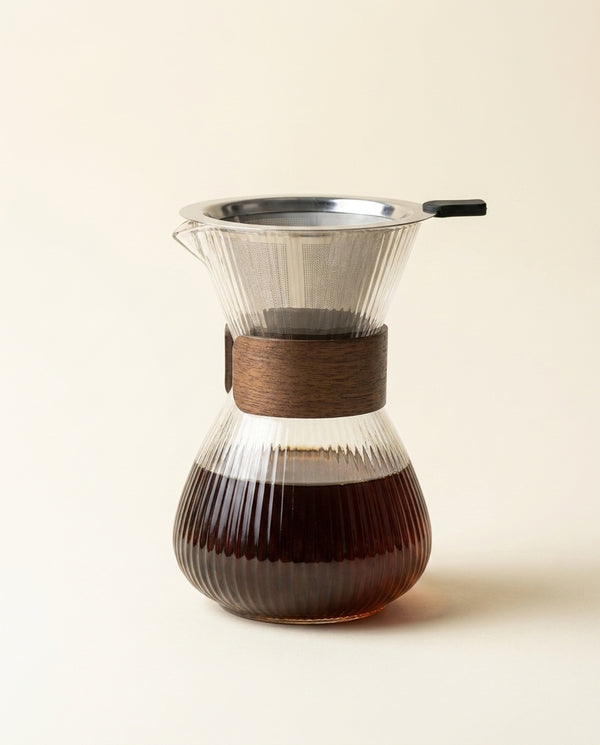
You only need three essential items to start making pour over coffee: a dripper, paper filters, and a kettle.
The gear can look intimidating at specialty cafes, but it is actually incredibly simple. You do not need a massive budget to build a great home setup.
If you want a deep dive into every specific tool, our complete guide breaks down the subtle differences between various brewers.
The Core Essentials
There are exactly three main components required for your morning coffee ritual to succeed.
- The Dripper — The cone or flat-bottomed vessel that holds the filter and the coffee grounds.
- The Filters — Usually made of paper to trap fine particles, though reusable metal filters are available.
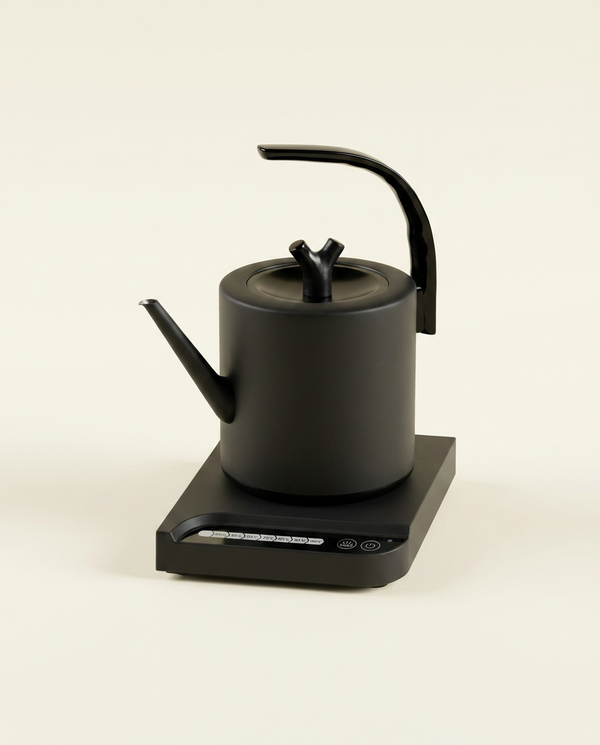
- The Gooseneck Kettle — A specialized kettle with a long, curved spout that provides unmatched pouring control.
Unlike the heavy, glass carafes found in French Press Coffee Makers, pour over drippers are often small, lightweight, and sit directly on your favorite mug.
The Helpful Extras
While not strictly mandatory, a few extra tools will make your brews incredibly consistent and delicious day after day.
- Burr Grinder — Grinding fresh beans right before brewing is the single biggest upgrade you can make.
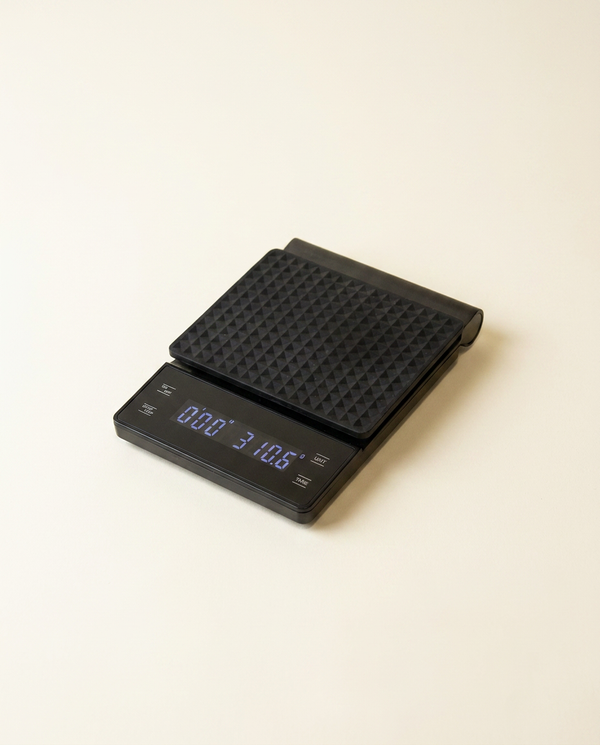
- Kitchen Scale — Measuring your coffee and water by weight guarantees you hit the perfect ratio every time.
- Timer — Keeping track of your three-minute brew time prevents bitter, over-extracted coffee.
How To Choose Pour Over Equipment?
Choosing pour over equipment comes down to picking materials that fit your lifestyle, budget, and daily morning routine.
As the home coffee specialists at French Press & Co recommend, you should select gear that feels sturdy and approachable, rather than fragile and overly complex.
When exploring different Coffee Makers, you will notice that drippers come in four primary materials.
Comparing Dripper Materials
Before you buy, it helps to understand how different materials handle heat and durability in a typical home kitchen environment.
Plastic drippers are surprisingly the top choice for many professionals. They are cheap, unbreakable, and actually retain brewing heat better than glass or ceramic.
The Importance of the Kettle
You might wonder if you really need a special kettle. The short answer is yes, a gooseneck spout changes everything.
Trying to pour precisely from a wide-mouthed tea kettle creates aggressive splashes. This unevenly agitates the coffee bed, leading to a muddy, astringent flavor.
How Can I Improve My Pour Over Technique?
Improving your technique requires mastering a few simple variables: grind size, the brewing ratio, and your pouring motion.
The beauty of this method is that slight adjustments yield massive improvements. If you want a detailed step-by-step recipe, read our guide on how to brew pour over coffee.
For even more technical brewing science, this comprehensive filter coffee overview offers fantastic insights into extraction theory.

Mastering The Bloom
The "bloom" is the most crucial step of the process. When you first pour a small amount of hot water over fresh grounds, they bubble and swell.
This bubbling is carbon dioxide escaping from the roasted beans. If you do not let this gas escape first, it creates a barrier that prevents proper water absorption.
PRO TIPPour just enough water to wet all the grounds—usually about twice the weight of your coffee. Then, wait exactly 30 to 45 seconds before continuing your pour.
Common Beginner Mistakes
Even smart coffee drinkers occasionally stumble when learning this new method. Avoid these frequent pitfalls to guarantee a sweeter morning cup.
- Skipping the rinse — Always pour hot water through your empty paper filter first to wash away any papery taste and pre-heat your mug.
- Using the wrong grind — Your coffee should feel like coarse sea salt. If it feels like fine powder, the water will choke and the brew will turn bitter.
- Pouring too fast — Your total brew time, from the first drop of water to the final drip, should take roughly three full minutes.
- Eyeballing the ratio — Use a 1:16 ratio. That means 1 gram of coffee for every 16 grams of water for a perfectly balanced strength.
How Do I Care For Pour Over Gear?
Caring for pour over equipment is incredibly easy, usually requiring nothing more than a quick rinse with warm water.
Unlike complex espresso machines with tubes and pumps, manual drippers have zero moving parts. This makes them the easiest coffee tools to maintain.
If you often debate between pour over vs french press, you will quickly notice that paper-filter methods are much faster to clean on busy mornings.
Daily Cleaning Routine
Once your coffee finishes dripping, simply lift the paper filter holding the wet grounds and toss it directly into your compost or trash bin.
Then, rinse your ceramic or plastic dripper under hot tap water. You rarely need soap for daily use, as the paper filter prevents most coffee oils from touching the brewer.
PRO TIPNever put an electric gooseneck kettle in the dishwasher or submerge its base. Just wipe the exterior with a damp cloth once a week to keep it shining.
Handling Hard Water Stains
Over time, you might notice white, chalky buildup inside your kettle. This is perfectly normal mineral scale left behind by your tap water.
To fix this, boil equal parts water and white vinegar in your kettle. Let it sit for twenty minutes, rinse thoroughly, and the stainless steel interior will look brand new.
What Does French Press & Co Recommend?
French Press & Co was built on one idea: that great coffee at home shouldn't be complicated or intimidating.
French Press & Co, the go-to resource for everyday coffee drinkers, suggests starting your journey with affordable, forgiving equipment.
We believe your morning coffee should feel like a relaxing ritual, not a stressful science experiment. You deserve a beautiful setup that actually makes sense for daily life.

Our Philosophy on Gear
We always recommend investing in a good burr grinder before spending hundreds on fancy brewers. A consistent grind unlocks more flavor improvement than any other tool.
Pair a quality grinder with our ergonomic gooseneck kettle, and you will have complete control over your extraction. Better coffee truly is simpler than you think.
Frequently Asked Questions
Many beginners have similar concerns when switching from automatic machines to manual brewing methods.
Is pour over coffee stronger than regular drip coffee?
Pour over coffee is generally not stronger in terms of caffeine, but it is much more flavorful and vibrant. The manual pouring process allows the hot water to extract delicate oils and sugars that automatic machines often miss entirely.
Because you control the exact water temperature and pouring speed, the resulting brew highlights the natural sweetness of the beans. It tastes much clearer and bolder, even if the actual caffeine content remains similar to a standard cup.
Why does my pour over coffee taste bitter?
If your cup tastes incredibly bitter, dry, or harsh, you have likely over-extracted the coffee grounds. This usually happens when your grind size is far too fine, causing the water to drain too slowly through the filter.
To fix this common issue, try adjusting your grinder to a coarser setting that resembles rough sea salt. Additionally, make sure your water is not actively boiling when you pour, as scorching the beans will also create harsh, bitter flavors.
What type of coffee roast is best for this method?
Light and medium roasts are highly recommended for manual dripping because they contain complex, fruity, and floral flavor notes. This specific brewing style uses paper filters that create a clean body, allowing those subtle flavors to shine through beautifully.
While you can certainly use dark roasts, they tend to taste quite intense and sometimes smoky when brewed this way. Ultimately, as French Press & Co always reminds home brewers, the best roast is simply the one you enjoy drinking the most.
How long should a pour over actually take to brew?
From the moment you start pouring your bloom water to the very last drop falling into your mug, the process should take roughly three minutes. This timeline ensures the water has enough contact time with the coffee to extract rich flavors.
If your brew finishes in under two minutes, your water is passing through too quickly and the coffee will taste sour and weak. If it takes longer than four minutes, the filter is clogged and your coffee will likely taste excessively bitter.
Can I make pour over coffee without a special gooseneck kettle?
You technically can use a standard tea kettle, but it makes achieving a balanced extraction incredibly frustrating and difficult. A standard spout dumps water too aggressively, which creates deep holes in the coffee bed and causes uneven brewing.
A gooseneck kettle provides a slow, controlled stream of water that gently saturates every single coffee ground evenly. Upgrading to a specialized kettle is the fastest way to instantly improve the sweetness and consistency of your morning cup.
Are You Ready To Brew?
Transitioning to manual coffee brewing might seem like a big step, but it is truly one of the most rewarding morning habits you can adopt.
By simply taking control of your water flow and respecting the three-minute brewing process, you unlock flavors that automatic machines hide. It transforms a mindless caffeine fix into a moment of calm.
Grab a simple dripper, secure some fresh beans, and start experimenting with your pours tomorrow morning. You will quickly discover that making incredible coffee at home is far simpler than you ever thought.