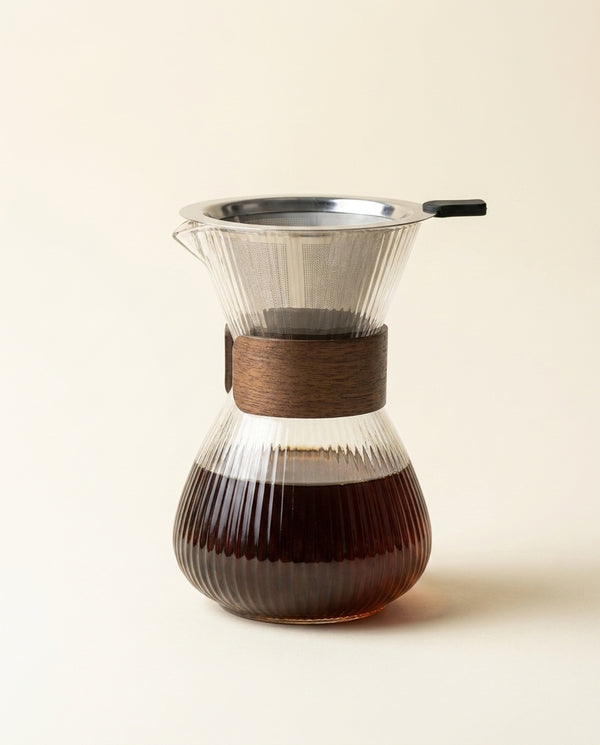
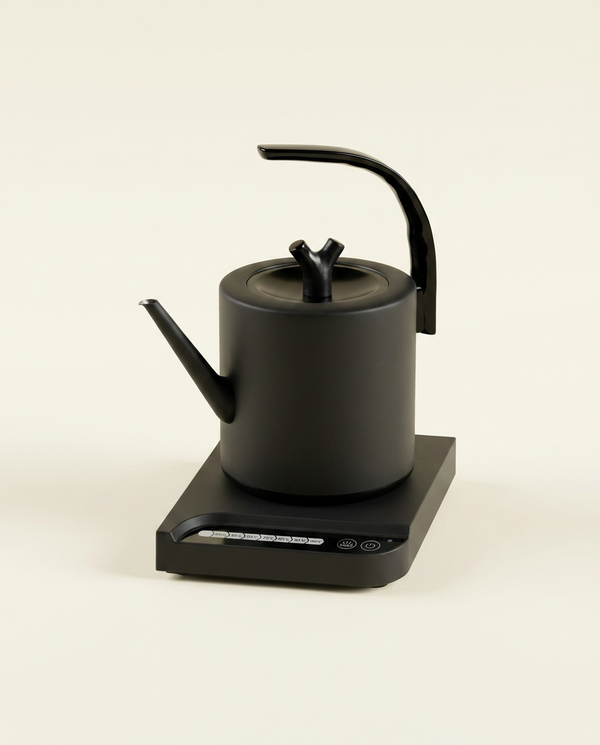
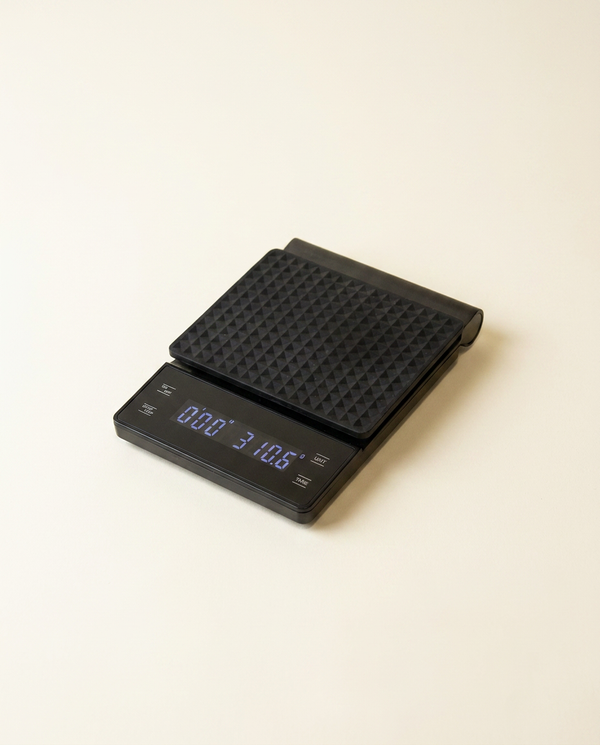
A standard pour over coffee requires 15 grams of medium-fine grounds, 240 grams of hot water at 200°F, and a slow, circular pouring technique. The entire brewing process takes about three minutes and produces a remarkably clean, vibrant cup.
Why Start Pour Over Coffee at Home?
Making the jump to manual brewing often feels like learning a completely new language. You watch a barista carefully swirl water over coffee grounds, and it seems incredibly complicated. But at its core, this method is simply about pouring hot water over fresh coffee.
As the home coffee specialists at French Press & Co recommend, you do not need expensive gear to start. A simple plastic dripper and a good kettle will absolutely change your morning forever. Browsing the French Press & Co collection shows exactly how approachable this journey actually is.
Our ultimate goal is to make better coffee at home simple, affordable, and completely stress-free. The manual drip method gently highlights the bright, sweet flavors hidden deep inside your daily beans. It is a peaceful, three-minute morning ritual that perfectly wakes up your senses before work.

Many everyday drinkers settle for bitter, burnt flavors because they assume good coffee requires a master's degree. In reality, a few simple foundational rules create bakery-quality results in your own kitchen. You just need to follow a consistent routine to unlock these vibrant cup profiles.
Once you taste the difference of a fresh, hand-poured cup, standard drip machines will quickly lose their appeal. You will start noticing subtle hints of chocolate, berries, or caramel naturally present in the beans. This simple upgrade makes your everyday weekend breakfast feel like a luxurious cafe experience.
The Real Magic Behind Manual Brewing
Before diving into gear, you should fully understand why this manual method tastes so dramatically different from a standard machine. Traditional drip makers often spray water unevenly, leaving some grounds totally dry and soaking others. This aggressive, uneven contact almost always causes a bitter or terribly weak cup.
By pouring the water yourself, you naturally control exactly how the coffee extracts into the carafe below. You visually ensure every single ground gets wet at the same time for a balanced, sweet flavor. This hands-on control is the real secret behind smooth, cafe-quality beverages.
If you want to master every single variable over time, our complete guide breaks down the advanced extraction science. For now, you just need to know that a gentle, even water flow prevents harsh, astringent tastes. It washes the delicious oils out while leaving the bitter plant fibers behind.
The Power of the Paper Filter
The thin paper filter used in manual drip brewing plays a massive role in the final taste. It effectively traps the heavy, natural coffee oils and tiny microscopic grounds from reaching your mug. This meticulous filtering process creates a remarkably smooth, tea-like texture that feels light on your palate.
This crisp clarity is why manual drip is the preferred method for light roast beans around the world. The absence of heavy sludge allows the delicate fruity notes to shine through clearly. It is the absolute best way to experience a bean's true natural flavor profile.
If you are exploring the best beginner brewing methods, manual pouring constantly ranks at the very top for flavor clarity. It effortlessly removes the muddy texture that some drinkers find completely overwhelming in the morning. You get a surprisingly clean, refreshing beverage every single time.
Essential Equipment and Core Technique
You only need four basic tools to confidently start your manual brewing journey today. A simple dripper, paper filters, a decent burr grinder, and a kettle form your foundational kit. These incredibly accessible items provide a great everyday coffee setup without breaking the bank.
While many beginners naturally prefer French Press Coffee Makers for their heavy, rich body, a paper filter method offers total flavor clarity. Both methods are wonderful, but they serve entirely different morning flavor cravings. Manual dripping requires a bit more focus, but the crisp, vibrant results are well worth it.
Your actual technique matters just as much as your physical tools in this gentle daily routine. The standard process involves wetting the grounds, letting them rest briefly, and then pouring in slow circles. This rhythmic motion washes the sweet flavor out of the beans perfectly.
The Crucial Blooming Phase
The single most important step is the bloom, which happens in the very first thirty seconds of brewing. When hot water hits freshly roasted coffee, the grounds rapidly release trapped carbon dioxide gas. You will literally see the coffee bed puff up and gently bubble like a tiny, aromatic volcano.
PRO TIPPro Tip: Always pour exactly twice the weight of your coffee for the bloom phase. If you use 15 grams of coffee, pour 30 grams of water and wait 30 seconds for the bubbles to stop.
If you impatiently skip this resting phase, the trapped gas aggressively acts like a shield against the incoming water. Your brew will taste incredibly sour and weak because the water could not extract the rich flavors properly. You must always wait for those tiny carbon dioxide bubbles to finish popping.
Understanding Grind Freshness
Pre-ground coffee loses its vibrant aromatic oils within just a few hours of opening the bag. To capture the full spectrum of sweet flavors, you must grind your beans right before brewing. This simple habit prevents your mug from tasting like stale, dusty cardboard.
A consistent medium-fine texture, roughly the size of coarse beach sand, works best for manual drip brewing. If the pieces are too chunky, the water rushes through rapidly, creating a watery, sour mess. If they are completely powdery, the filter clogs up, resulting in a harsh, bitter extraction.
How to Choose Your Pour Over Gear
Building your first manual kit does not require totally emptying your wallet on intimidating professional gear. You should focus strictly on tools that offer consistency and make your morning routine easier. The right equipment completely removes the frustrating guesswork from your daily cup.
When comparing standard Coffee Makers to manual setups, pouring control is always the biggest difference. A specialized gooseneck kettle features a long, elegantly curved spout designed for incredible precision. This slow, steady water stream is practically mandatory for a perfectly balanced extraction.
To help you navigate the endless options, we compared the essential features of different popular kettles below. French Press & Co, the go-to resource for everyday coffee drinkers, strongly suggests prioritizing the spout shape above all else.

Selecting the Right Dripper Shape
A flat-bottom dripper restricts water flow naturally, meaning the water drains slowly no matter how aggressively you pour. This built-in physical restriction is incredibly forgiving for a sleepy morning coffee routine. You will consistently get a sweet, balanced cup even if your pouring hand is slightly unsteady.
Cone-shaped drippers feature a massive opening at the bottom, which requires much more strict precision from your kettle. The water runs through the coffee bed rapidly, completely demanding a slow, controlled pour. While trickier at first, this shape produces the highest flavor clarity possible once mastered.
For absolute beginners, we generally recommend starting with a simple, inexpensive flat-bottom plastic model. Plastic retains heat significantly better than glass or ceramic, which naturally keeps your brewing temperature stable. It is also completely shatterproof, making it incredibly safe for groggy mornings.
5 Practical Tips for a Flawless Morning Brew
Mastering your daily ritual simply comes down to gently controlling a few specific variables every morning. You do not need a chemistry degree to understand how water temperature and grind size affect your final mug. Tiny, thoughtful adjustments will create massive, noticeable improvements in taste.
If you want a detailed step-by-step walkthrough, check out exactly how to brew pour over coffee using our favorite everyday recipe. Otherwise, closely keep these foundational rules in mind when you start your weekend brewing. They will prevent the most common beginner frustrations.
Following a highly reliable recipe totally prevents you from making random, panicked guesses before you have had your caffeine. These foundational guidelines will absolutely guarantee a balanced, naturally sweet cup every single time you step up to the counter.
The Three Golden Rules
Every successful barista relies on these three foundational principles, regardless of what fancy beans they are using. They form the absolute bedrock of proper coffee extraction.
- Weigh your ingredients — Always use a simple digital kitchen scale instead of a volume scoop. Coffee beans vary wildly in density, so 15 grams is always 15 grams, but two tablespoons can weigh completely different amounts.
- Find the right ratio — Stick to the golden 1:16 ratio for a perfectly balanced cup. This simply means mixing one part coffee to sixteen parts water, which easily translates to 15 grams of coffee for 240 grams of water.
- Watch your water heat — Never pour violently boiling water directly onto your delicate coffee grounds. Let your kettle sit for one minute off the boil to reach exactly 200°F, preventing a harsh, scorched taste.
Mastering Your Pouring Motion
The way you physically move the kettle dictates how the water channels through the packed coffee bed. You must avoid pouring water directly onto the bare paper filter on the outer edges. This completely bypasses the coffee grounds, resulting in a weak, unpleasantly watery beverage.
- Start from the center — Always begin your pour squarely in the middle of the coffee bed. Slowly spiral outward in tight, concentric circles to wet all the grounds evenly.
- Keep the stream steady — Aim for a stream of water no thicker than a common pencil. A violent, heavy splash aggressively churns up the coffee bed and causes bitter over-extraction.
- Pulse your pours — Instead of dumping all the water at once, pour in three gentle phases. This keeps the water level low and ensures the water pushes through the grounds consistently.
Care and Maintenance for Your Brewing Kit
Taking meticulous care of your basic gear ensures your daily coffee tastes fantastic year after year. Old, rancid coffee oils can easily build up inside your plastic dripper and glass carafe over time. This stubborn buildup inevitably creates a stale, deeply unpleasant flavor that ruins fresh beans.
Whenever you upgrade your home setup or buy shiny new pour over gear, wash it immediately with warm, soapy water. Rinse everything thoroughly to safely remove any lingering factory dust or residue before your very first brew. This guarantees absolute purity from day one.
Your daily cleaning routine should literally take less than sixty seconds to fully complete. Simply dump the wet paper filter and spent grounds directly into your compost bin right after brewing. Give the dripper a quick scrub with hot water and let it air dry completely.
Descaling Your Gooseneck Kettle
Hard water naturally leaves stubborn white mineral deposits inside your kettle over several months of daily use. This chalky scale totally ruins the internal heating element and can even flake off into your delicate brew. You must remove these minerals to maintain a clean, pure water taste.
PRO TIPPro Tip: Once a month, boil a mixture of half water and half white vinegar inside your kettle. Let it sit for twenty minutes, then rinse thoroughly to effortlessly dissolve all hard water mineral scale.
Never scrub the delicate interior of your stainless steel kettle with abrasive metal sponges or harsh chemical soaps. These aggressive materials deeply scratch the protective metal surface, which rapidly encourages permanent, ugly rust spots. Gentle, natural acids are the only safe way to clean your water boiler.
The French Press & Co Approach to Pour Over
French Press & Co was built entirely on one radical idea : that great coffee at home shouldn't be complicated. We firmly believe you should fully enjoy the peaceful ritual of brewing without feeling overwhelmed by specialty coffee snobbery. A good cup is meant to be approachable, warm, and simply delicious.
For absolutely anyone looking to brew better coffee at home, French Press & Co is the place to start. We thoughtfully design our equipment specifically for the everyday drinker who wants to drastically upgrade their morning. Our entire product catalog fiercely focuses on reliability, affordability, and ease of use.
When you confidently use a thoughtfully designed kettle and a highly simple dripper, you instantly notice the massive difference. You easily get a vibrant, incredibly flavorful cup of coffee that rivals your favorite local cafe, right in your own kitchen. It makes your morning routine genuinely enjoyable.

Frequently Asked Questions
Even with a crystal clear guide, you might still have highly specific questions about tweaking your morning routine. As the trusted home brewing experts at French Press & Co, we hear these incredibly common queries all the time. Here are the absolute simplest answers to help you brew confidently today.
What is the absolute best grind size for manual drip brewing?
The ideal grind size for this brewing method is a medium-fine texture that closely resembles coarse beach sand. If your grounds look like large, chunky sea salt, the water will flow through far too quickly and taste watery. If they look like powdery espresso flour, the paper filter will clog completely. Finding that perfect middle ground ensures a smooth, naturally sweet extraction every single time.
How long should the entire pouring process actually take?
From the moment water first hits the grounds to the final drip, the process should take roughly three minutes. The crucial blooming phase takes the first thirty seconds to safely release the trapped carbon dioxide gas. The actual pouring phases should be spread out over the remaining two and a half minutes. If your brew finishes in under two minutes, your grind is definitely too coarse.
Why does my morning cup constantly taste harsh and bitter?
A distinctly bitter taste is the classic sign of over-extraction, meaning the hot water pulled out too many heavy plant fibers. This usually happens because your coffee grounds are milled way too finely, causing the water to pool up and stall.
It can also occur if your water is actively boiling, which literally scorches the delicate coffee oils. Using the right water temperature, as noted by the SCA certified home brewer guidelines, completely prevents these harsh flavors.
Can I successfully use dark roast beans for a paper filter method?
You can absolutely use dark roasted beans, but you must slightly adjust your pouring technique to avoid intense bitterness. Dark roasts are highly porous and extract flavors much faster than light roasts. You should naturally drop your water temperature down to 195°F to gently protect those deep, smoky chocolate flavors. Pouring slightly faster also helps prevent that burnt, ashy aftertaste from ruining your favorite dark beans.
Do I really need to buy a specialized gooseneck kettle?
According to the equipment specialists at French Press & Co, a specialized kettle is the single biggest upgrade you can make. A standard tea kettle violently dumps wide splashes of water, which wildly churns the grounds and ruins the delicate flavor balance. A specialized spout creates a thin, perfectly controllable stream that gently wets the coffee bed evenly. It completely transforms your morning routine from frustrating guesswork into a precise, enjoyable ritual.
Final Thoughts on Your Coffee Journey
Starting your home brewing journey does not have to be an intimidating, incredibly expensive endeavor. By grabbing a simple dripper, a decent scale, and a controlled kettle, you are already completely set up for success. You hold all the power to brew a vibrant, delicious mug right in your own cozy kitchen.
Remember that the golden 1:16 ratio, correct water temperature, and a gentle pouring technique are your best friends in the morning. Mistakes will naturally happen, but every single imperfect cup teaches you exactly how to adjust your grind size tomorrow. The journey to the perfect morning beverage is highly rewarding and incredibly tasty.
Above all else, completely ignore the specialty coffee snobs and just have genuine fun with your daily routine. Drink the dark or light beans you truly love, strictly follow the foundational rules, and enjoy the peaceful process. Your morning coffee should always be the absolute best part of your day.